I had a pretty condensed layover in Tokyo of just under four days. There were a number of things I wanted to do, but none of them worked out.
How about riding go karts in cartoon costumes through central Tokyo? I signed up and paid, but then it turned out I didn’t have the correct international drivers license. So that got canceled.
How about seeing one of the three annual top sumo wrestling tournaments? The exact morning and time tickets went on sale I went to the appropriate website. It was down. It stayed that way continuously for about 15 minutes. Then it went up. And all the tickets were gone. I could have gotten a resale ticket for about $600, which was over 10 times the list price. I passed on that.
How about seeing a baseball game? The Tokyo Giants were the only team in town the days I was there. But they were sold out. Even the Klook game experience was sold out. I could have gotten a decently priced resell ticket through StubHub, but it would have been a paper ticket and the delivery logistics didn’t work out.
So a lot of my trip was a plan B. And with the size and scope of a city like Tokyo, it was still a very rewarding trip, although maybe not as fun as originally planned.
General Scenes
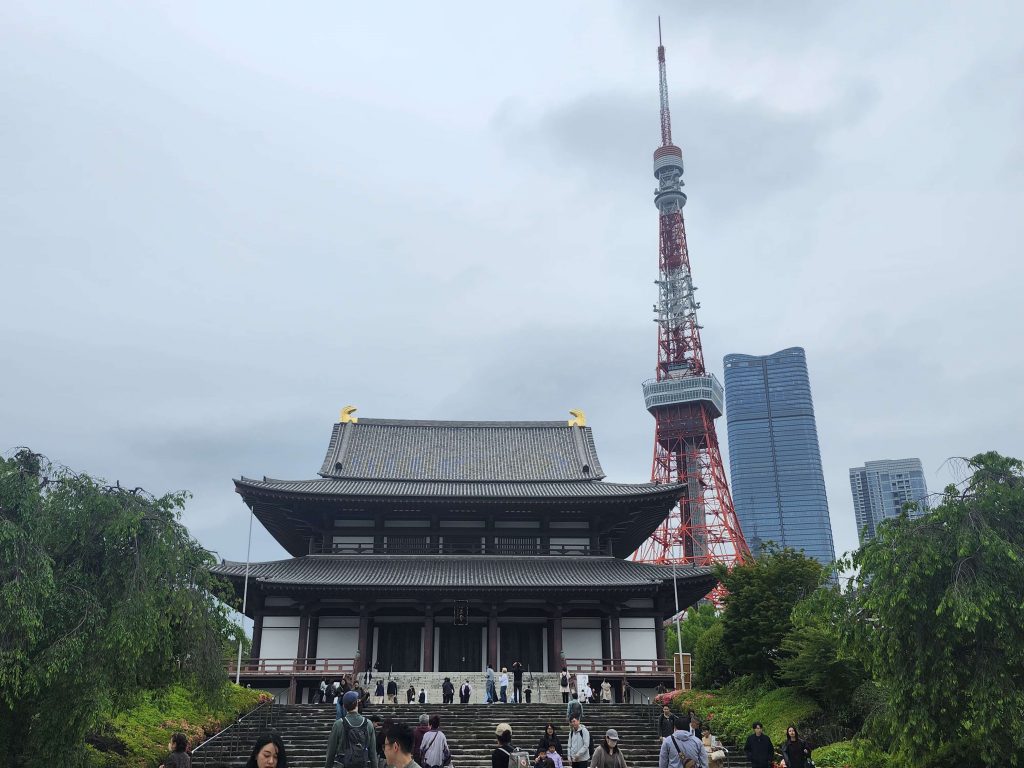
A nice picture is the 19th century Zojoji Temple juxtaposed against the 20th century Tokyo Tower.
Shibuya Crossing is one of the most famous landmarks in Tokyo. It’s known as being a bright, neon madhouse of humanity crossing the street during the evening hours. I ended up walking by there during the middle of the day. While it wasn’t the legendary flashing night time chaos , it was still fun to watch.
A second perspective with a great shot of all the people at the Starbucks from above the street filming the action.
And what would a visit to Tokyo be without popping into a pachinko parlor?
Could the next Shohei Ohtani be working on his game in the dirt baseball fields of central Tokyo?
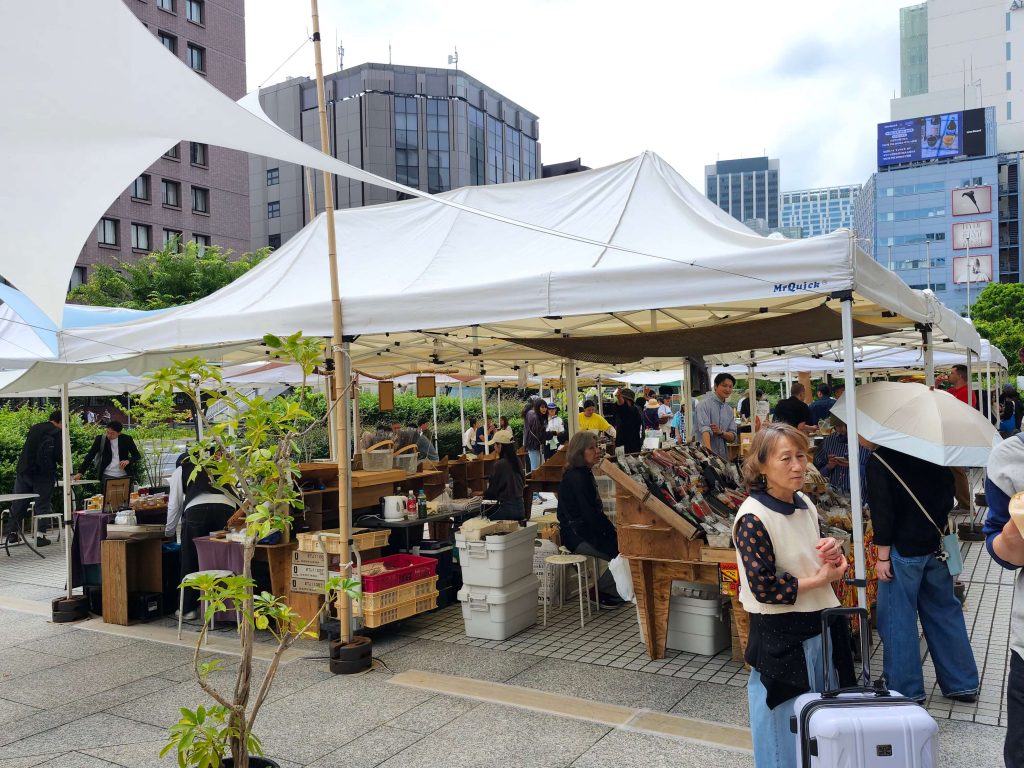
A nice Sunday farmer’s market in the middle of the city.
I don’t know what this is, but it definitely caught my attention.
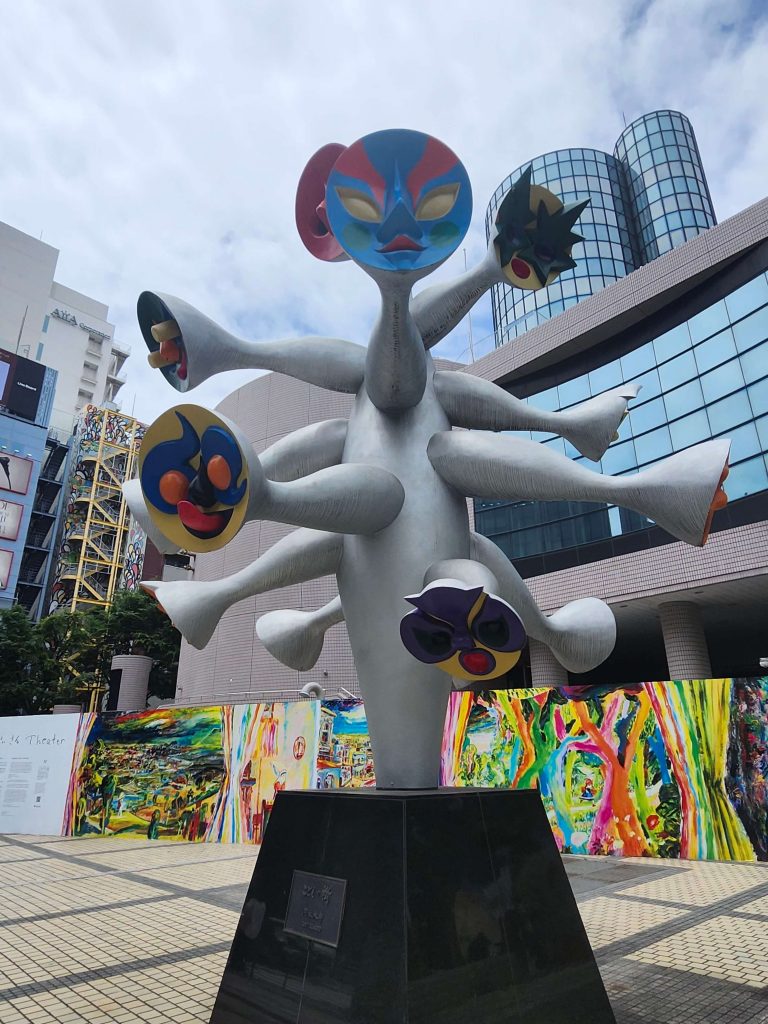
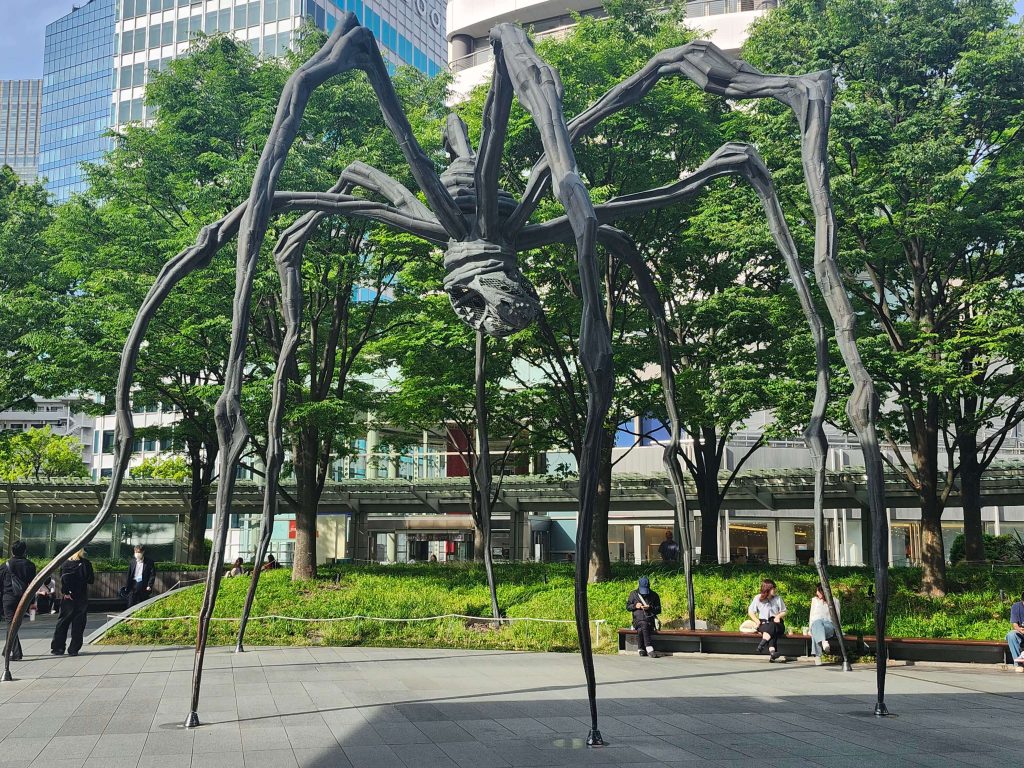
And then there was this alien manifistation in a different part of the city.
Shinjuku
Shinjuku is a microcosm of Tokyo. It has the cool 3D cat billboard where the star of the show pops out every 15 minutes to give a little exhibition above a busy crosswalk.
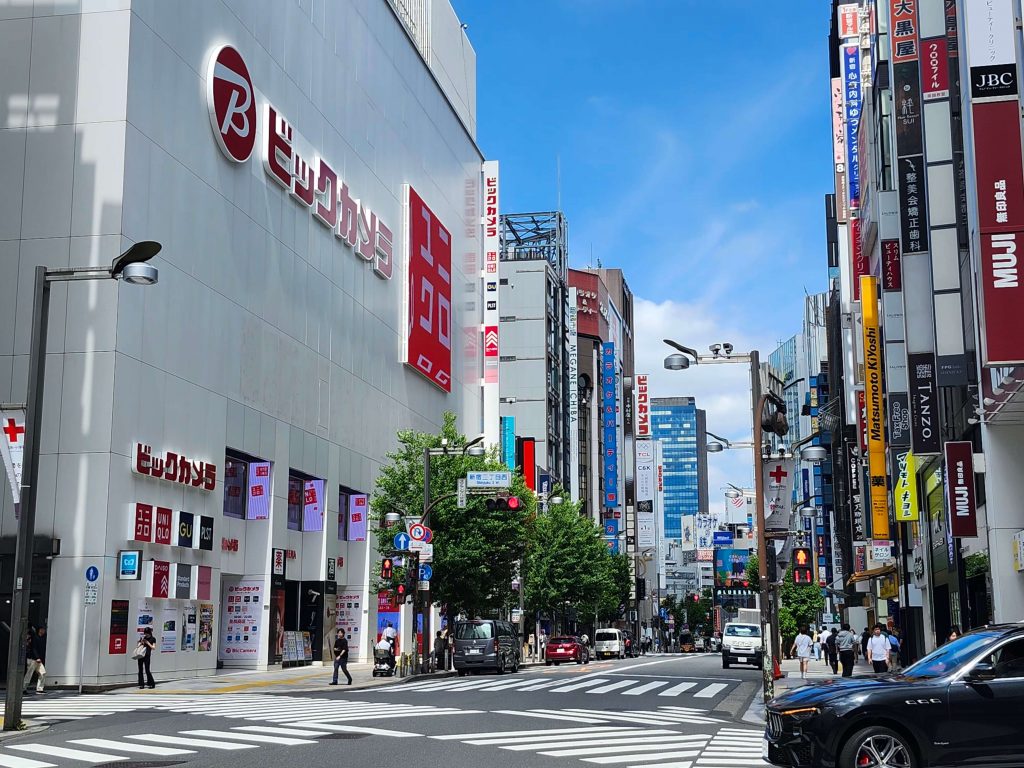
It has some nice broad avenues with different shopping options.
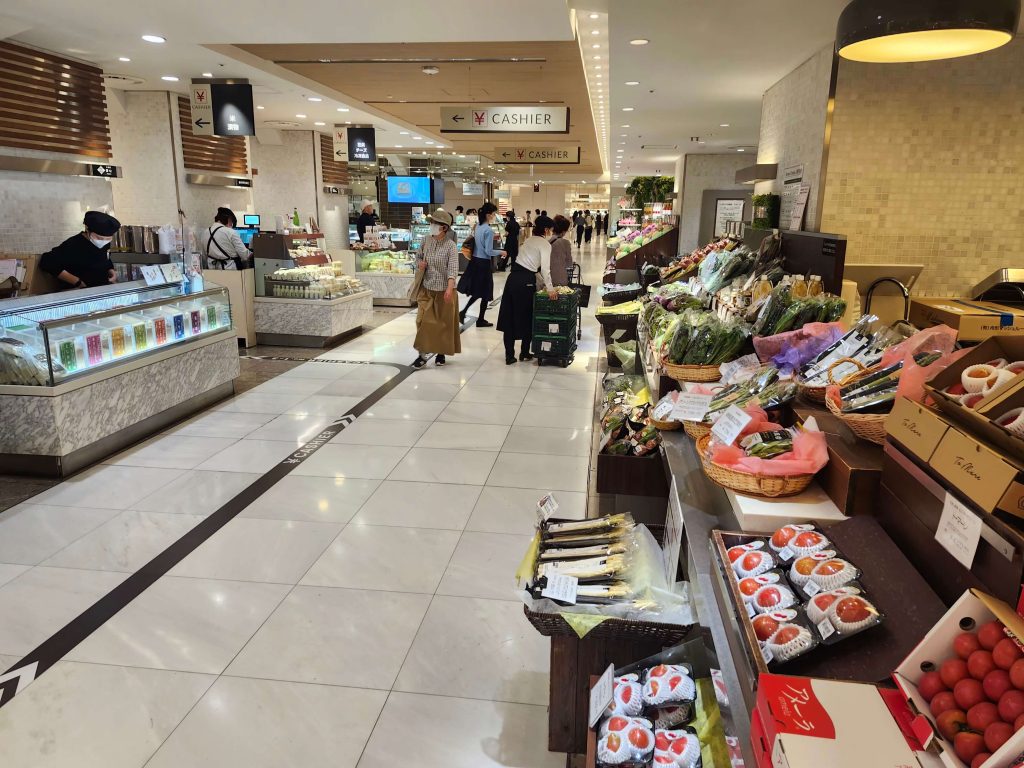
Including the large Isetan flagship store with a wonderful food court in the basement.
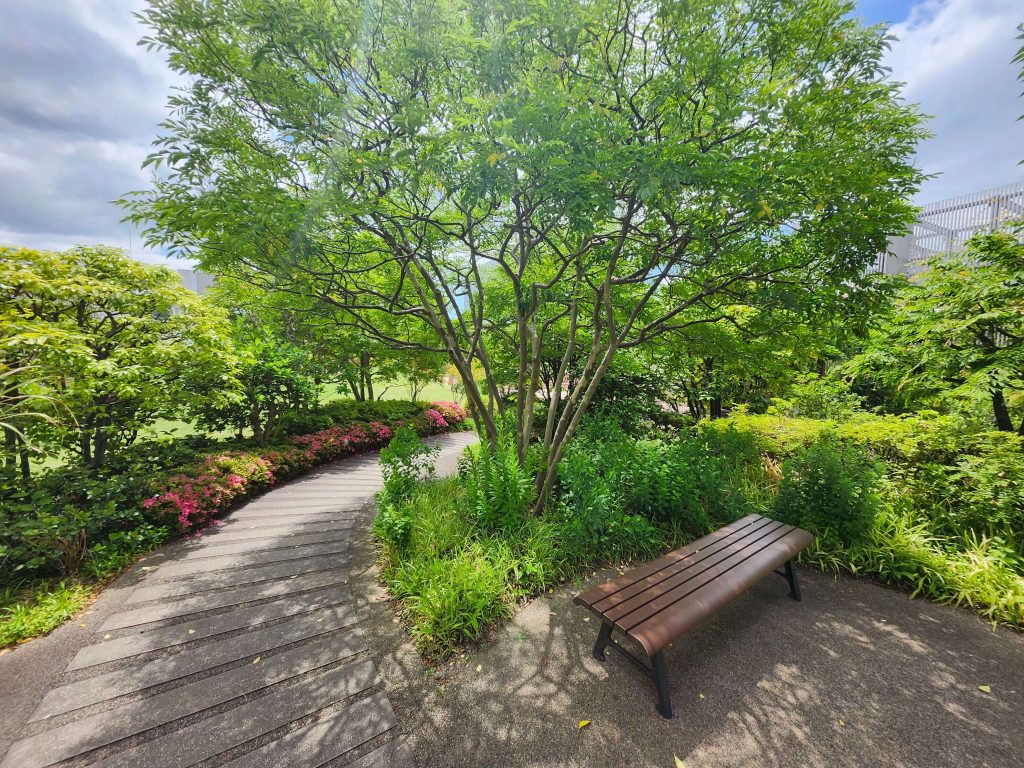
And a nice rooftop garden you can take your meal up to and enjoy it in some peaceful surroundings.
There are a few tight alleyways full of bars that will team with people at night.
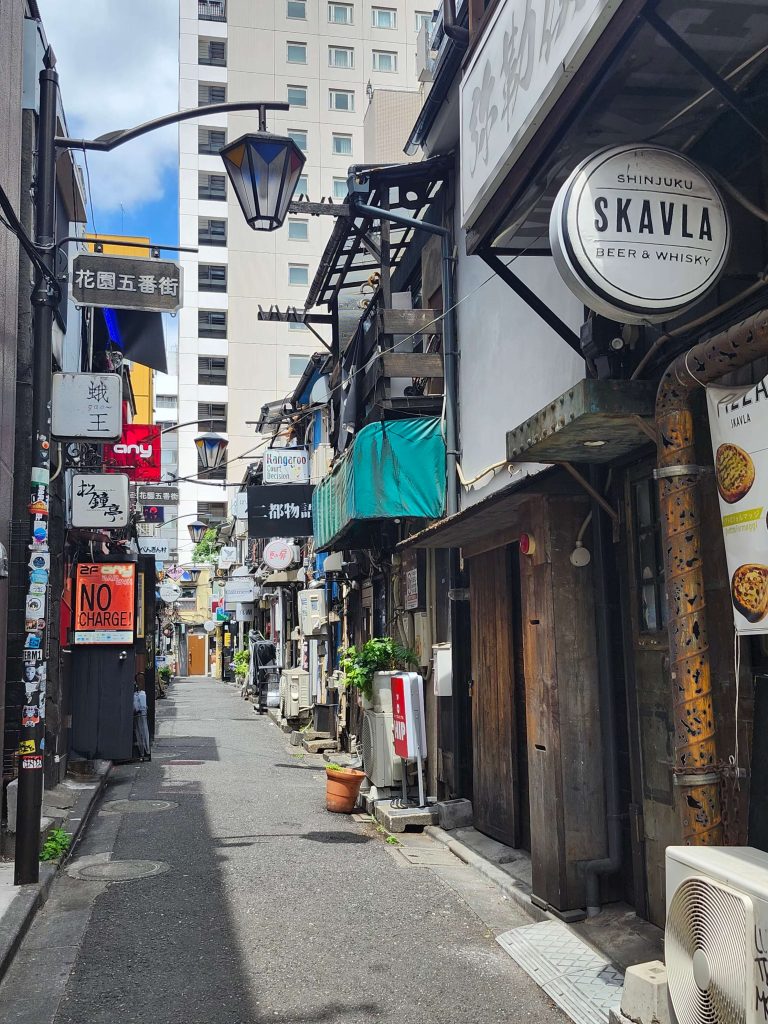
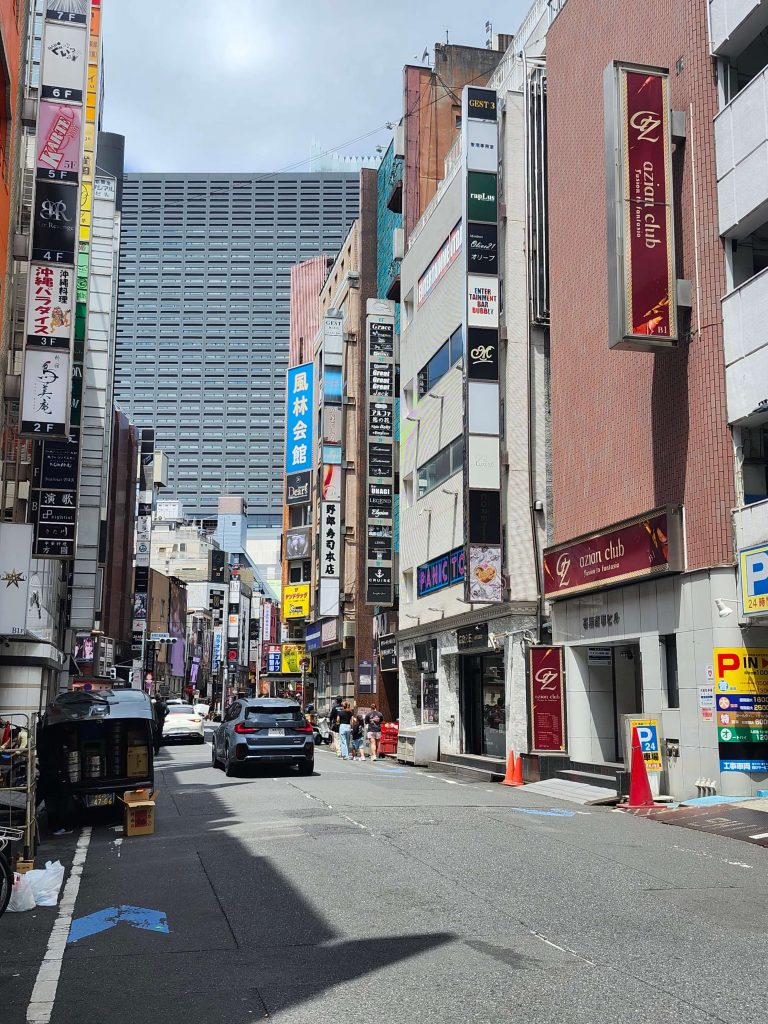
A red light district with clubs and high end bars, some of which have erotic opportunities for those with such inclinations. I wasn’t there at night, so here’s just the sedate daytime shot.
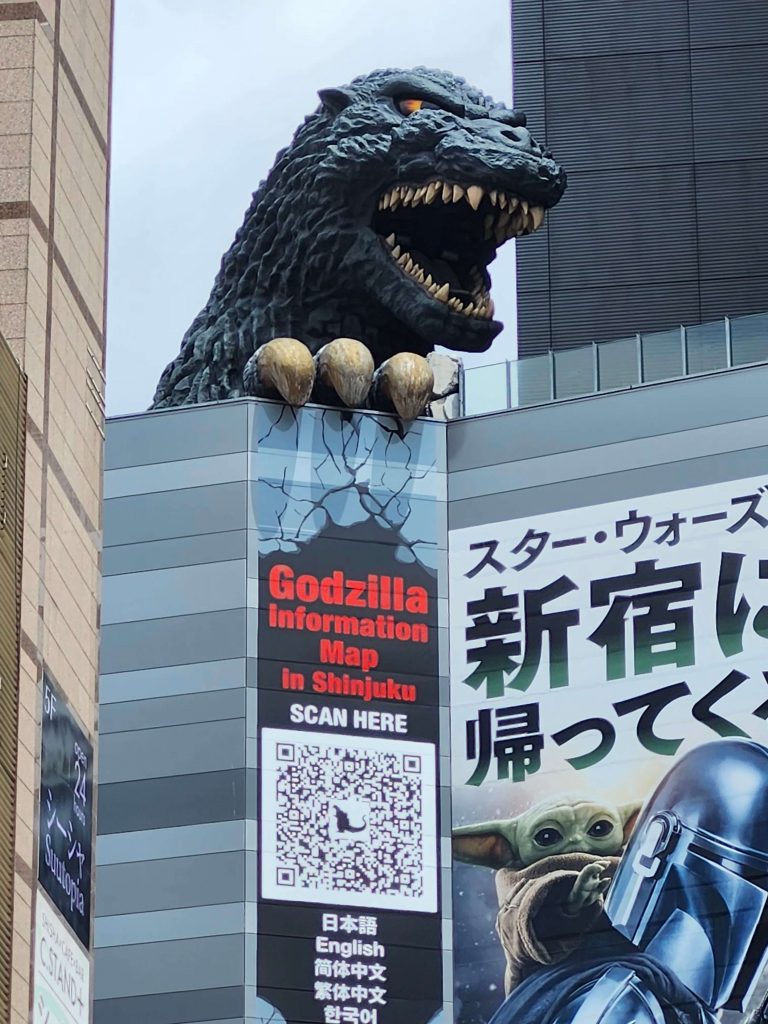
What would Tokyo be without Godzilla making an appearance threatening the new Star Wars movie?
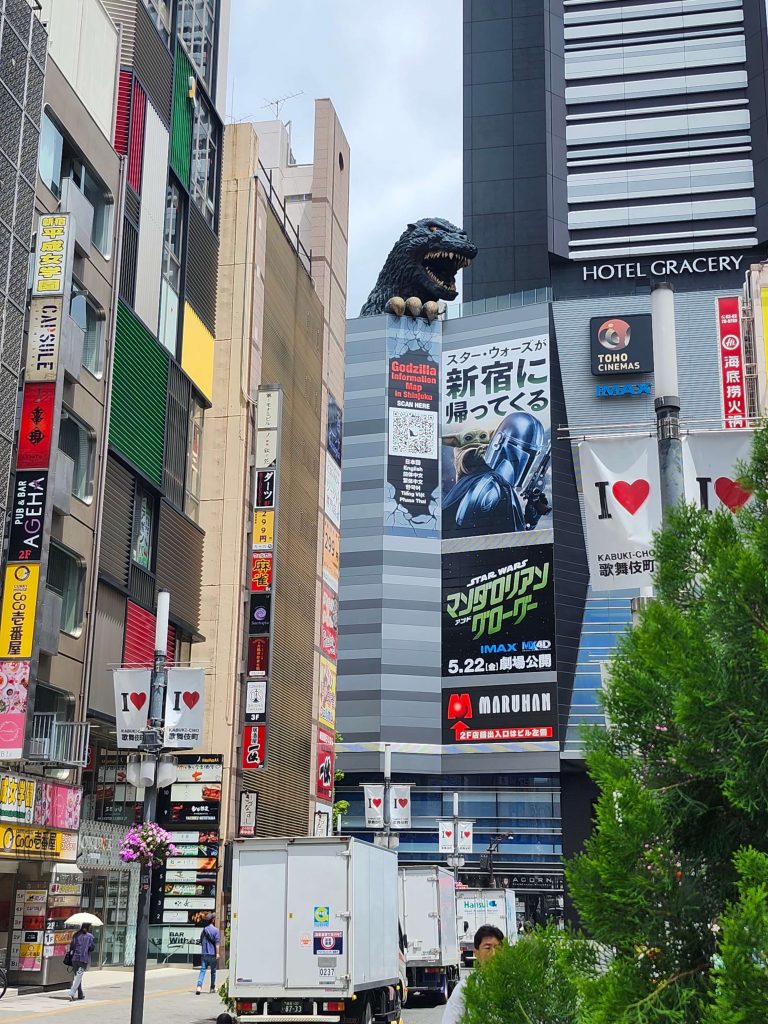
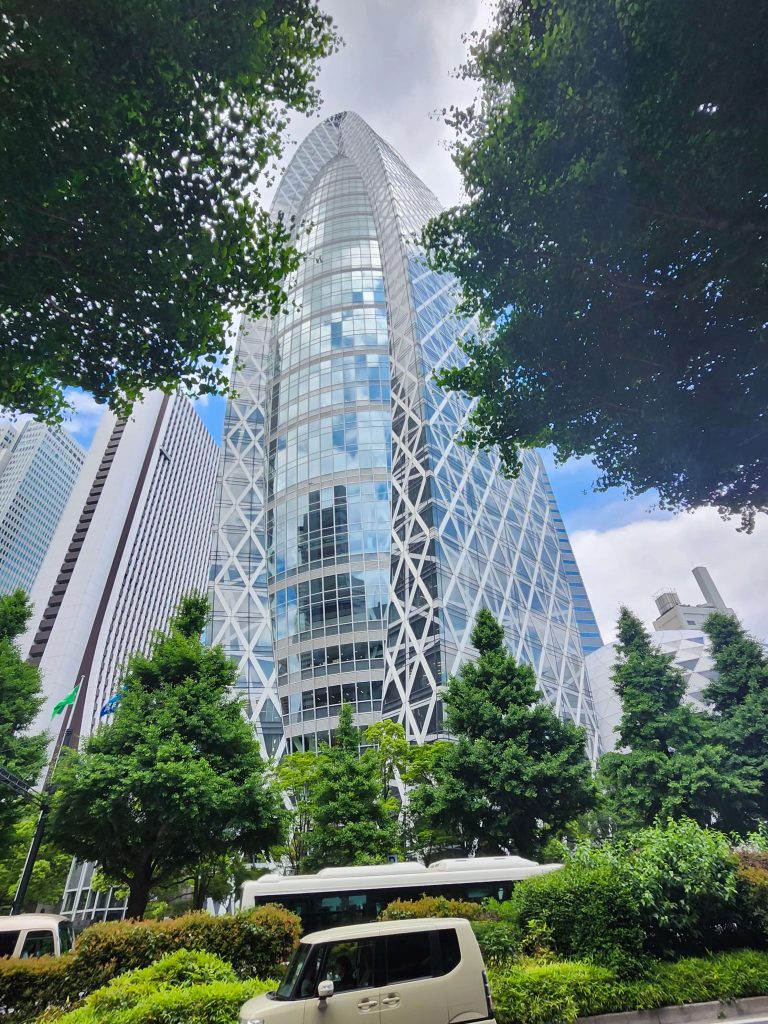
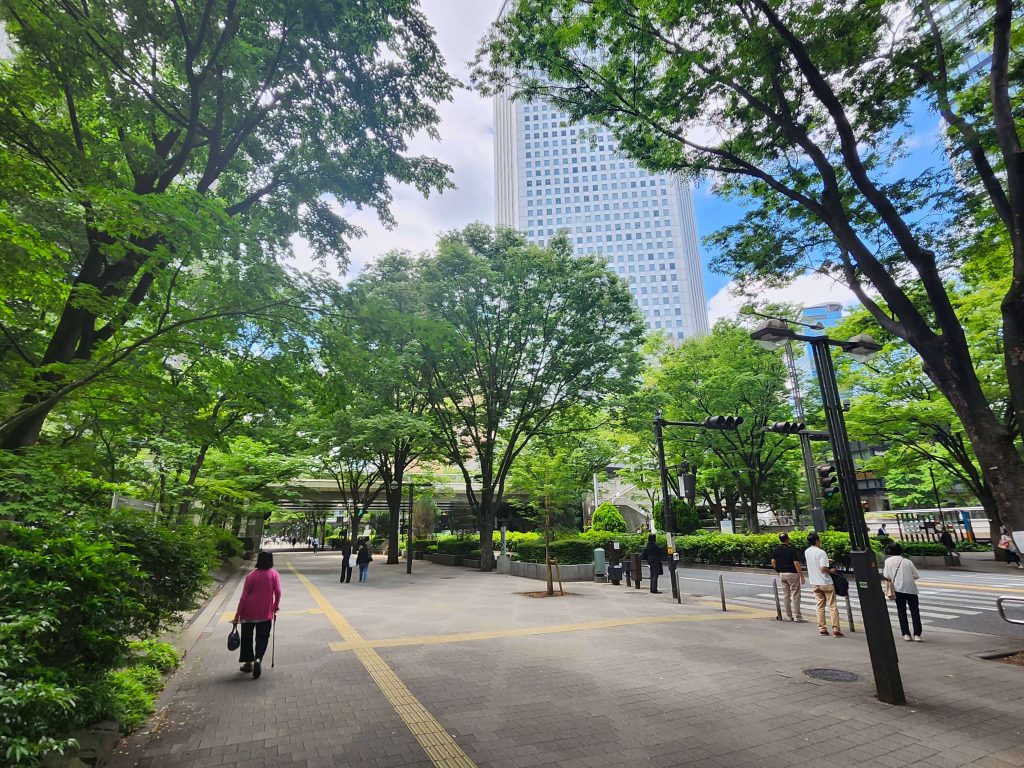
Shinjuku also has a modern business district with tall building and wide tree lined walkways.
Senso-ji Temple
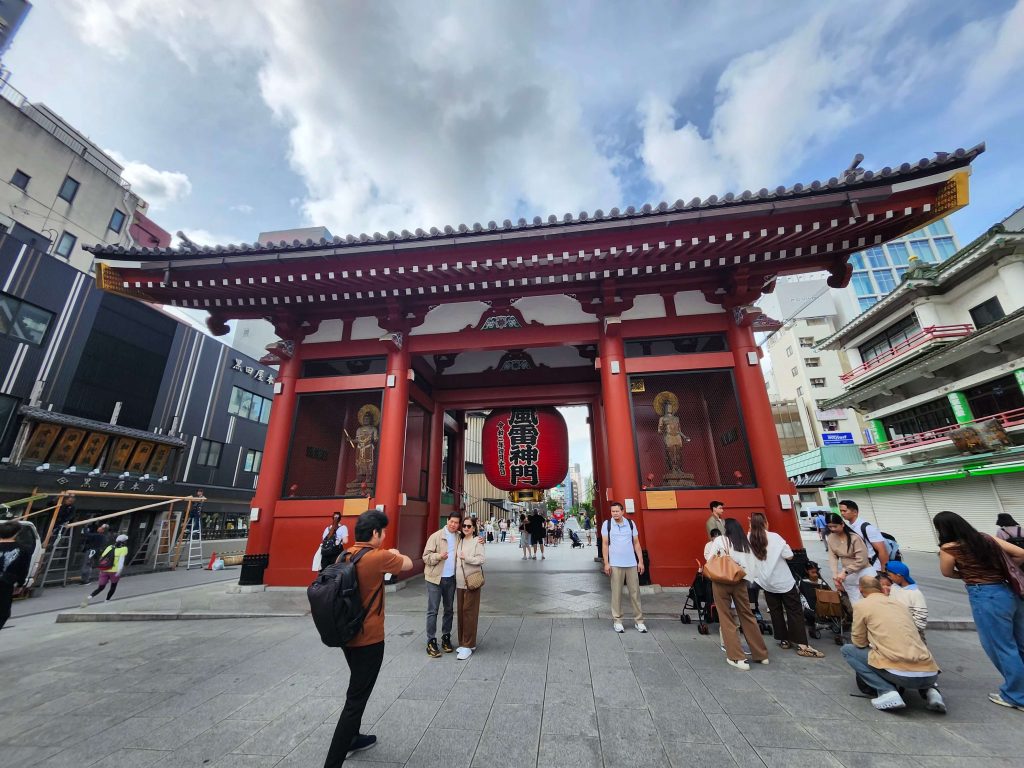
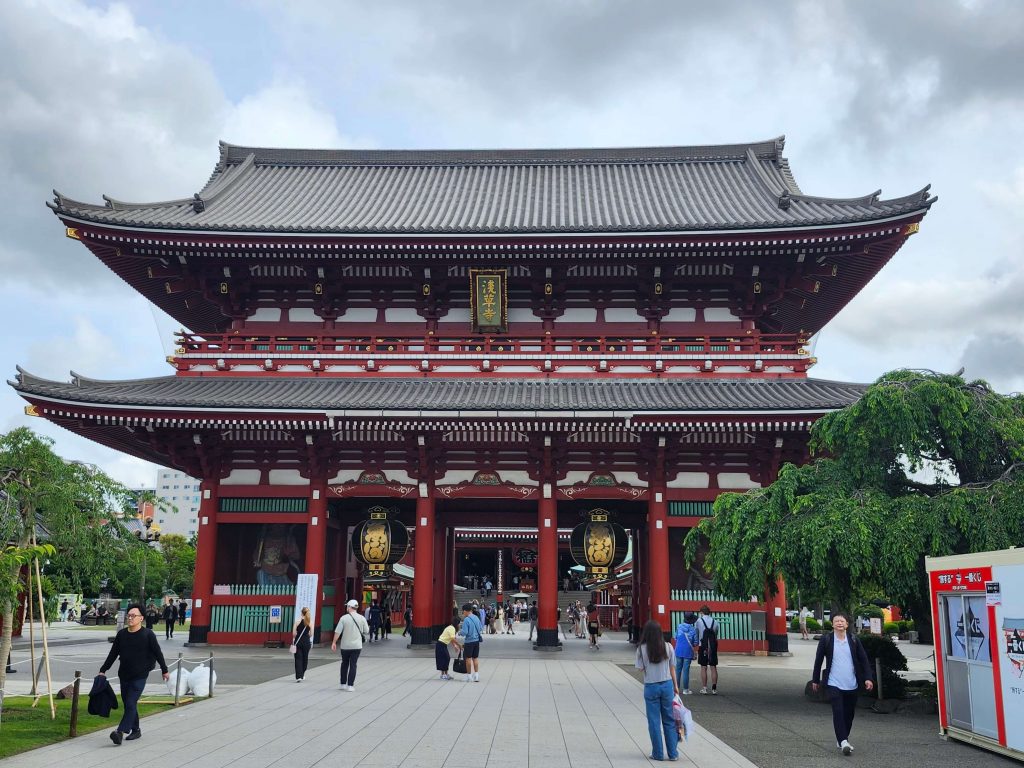
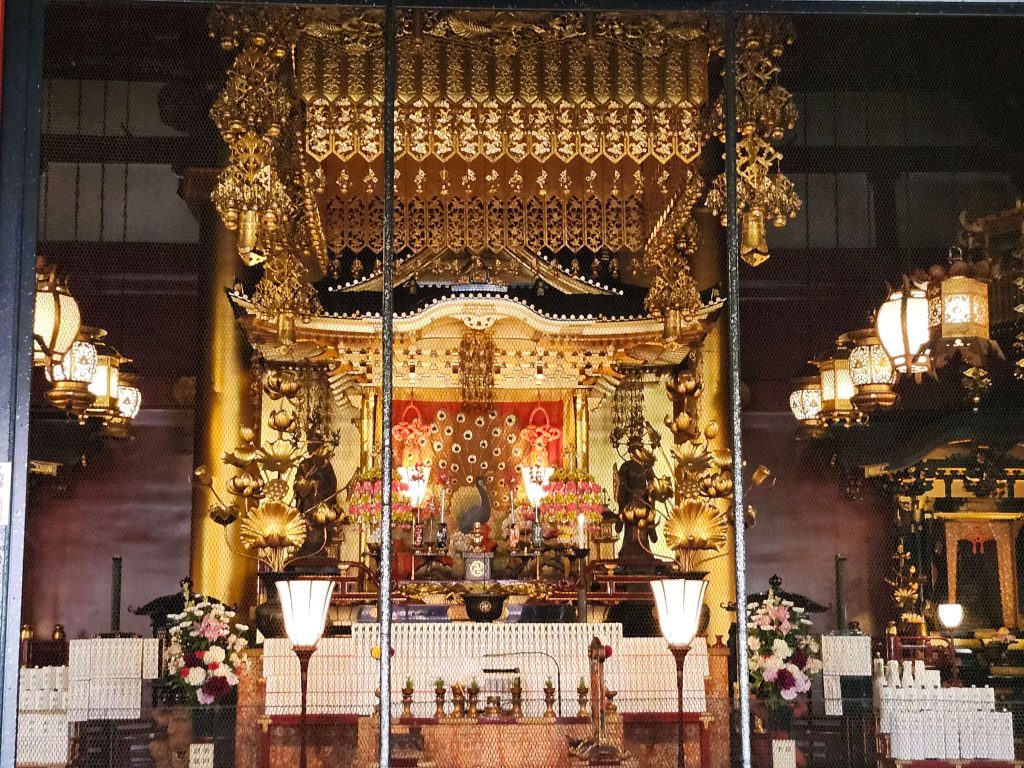
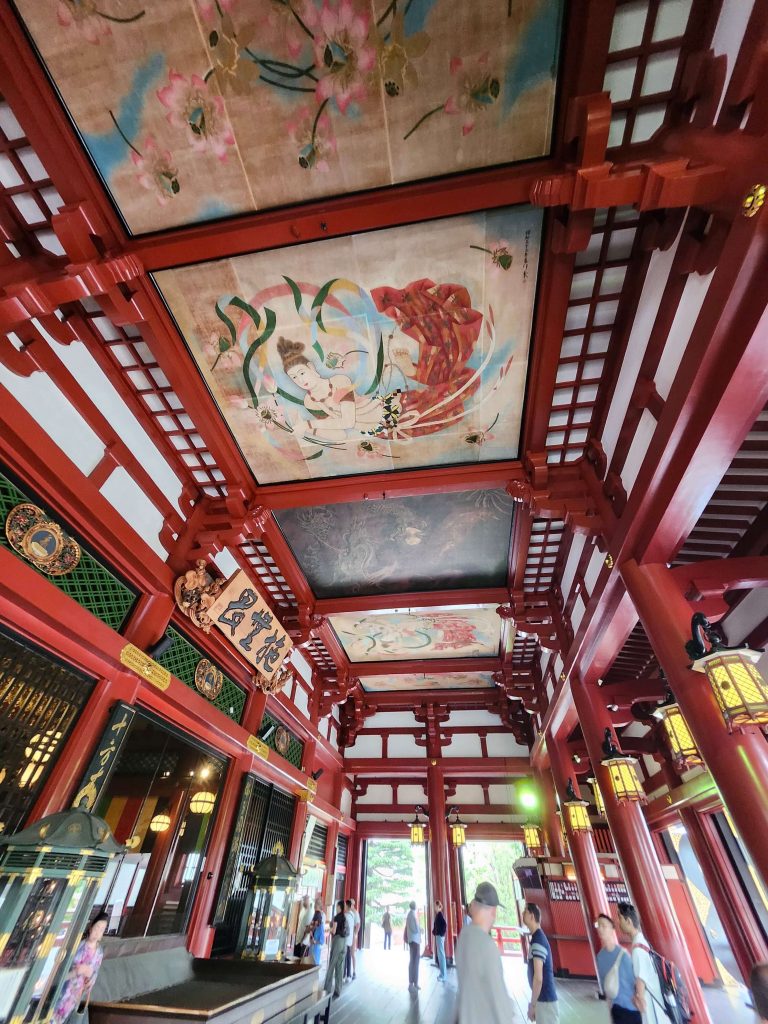
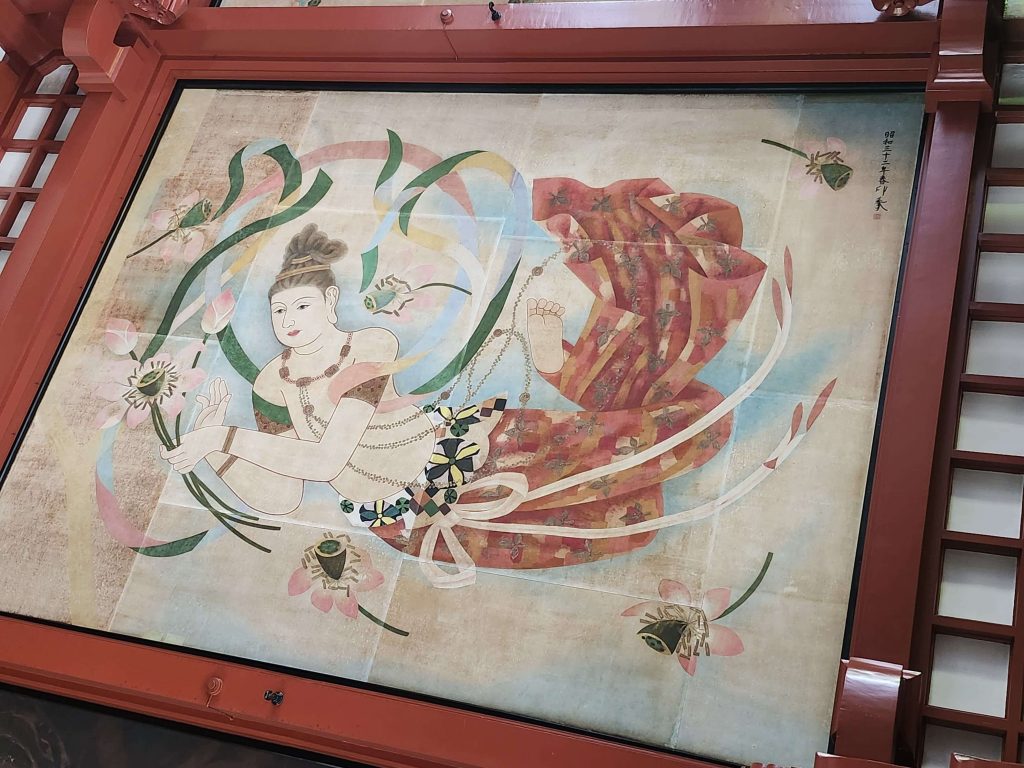
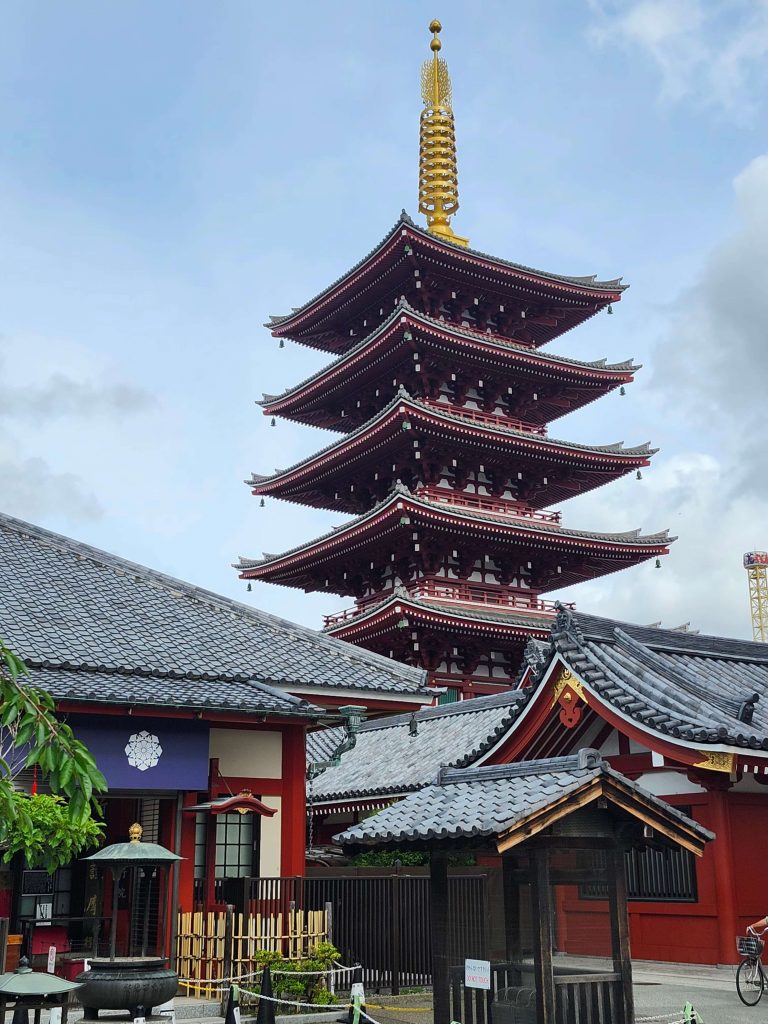
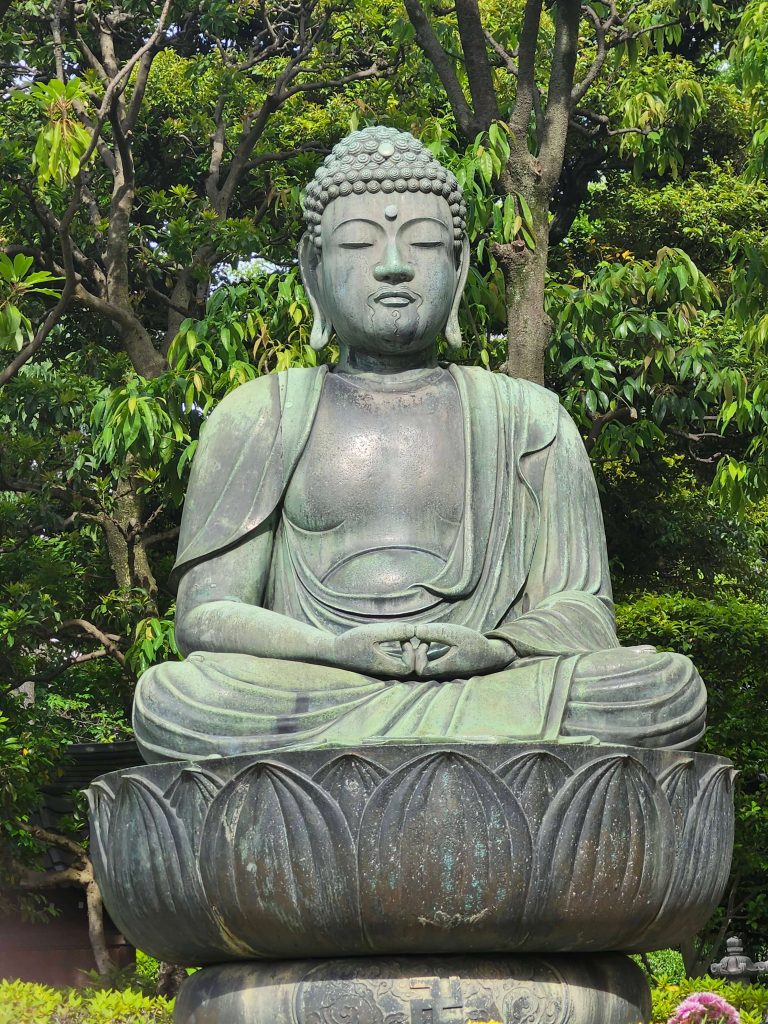
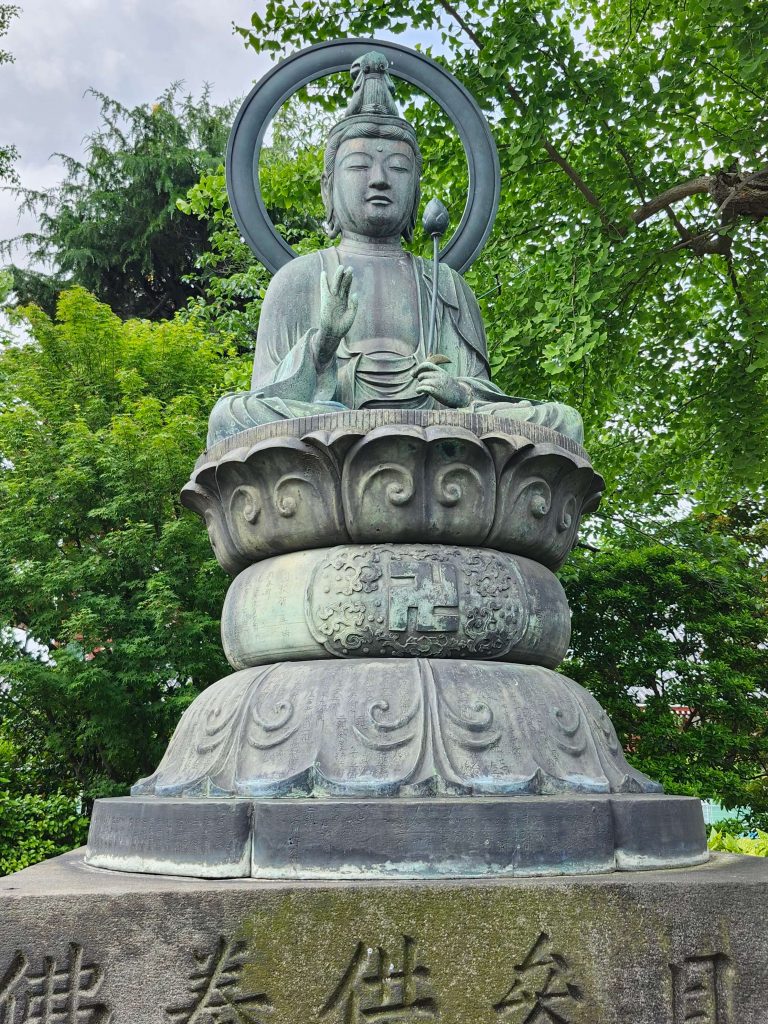
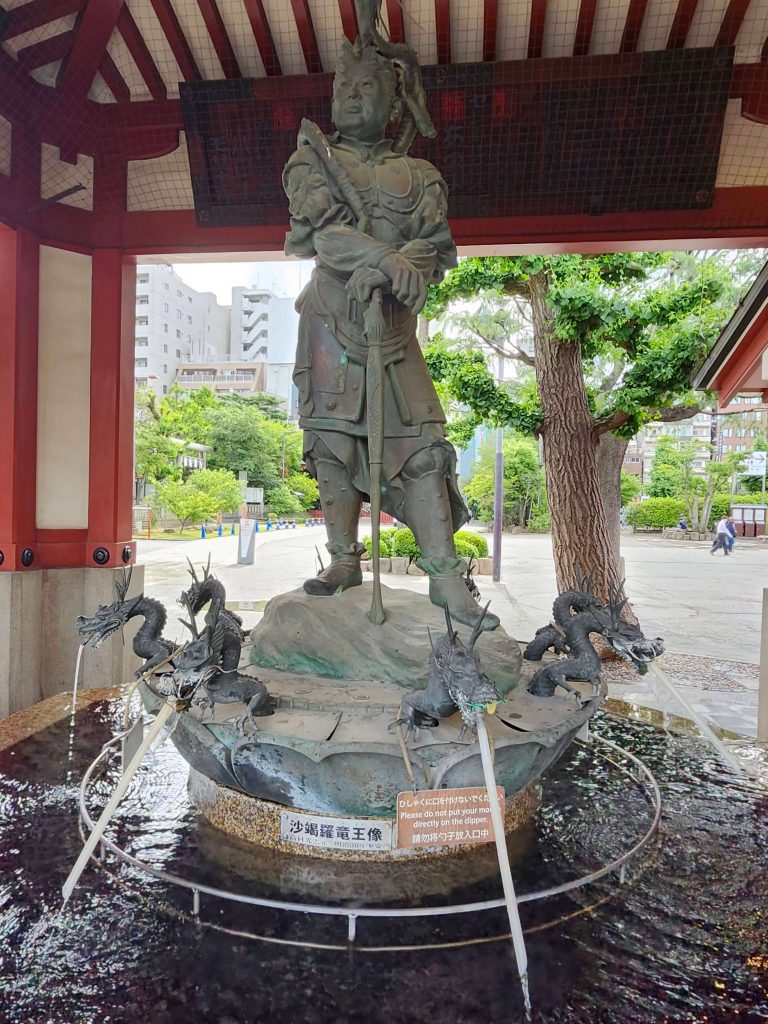
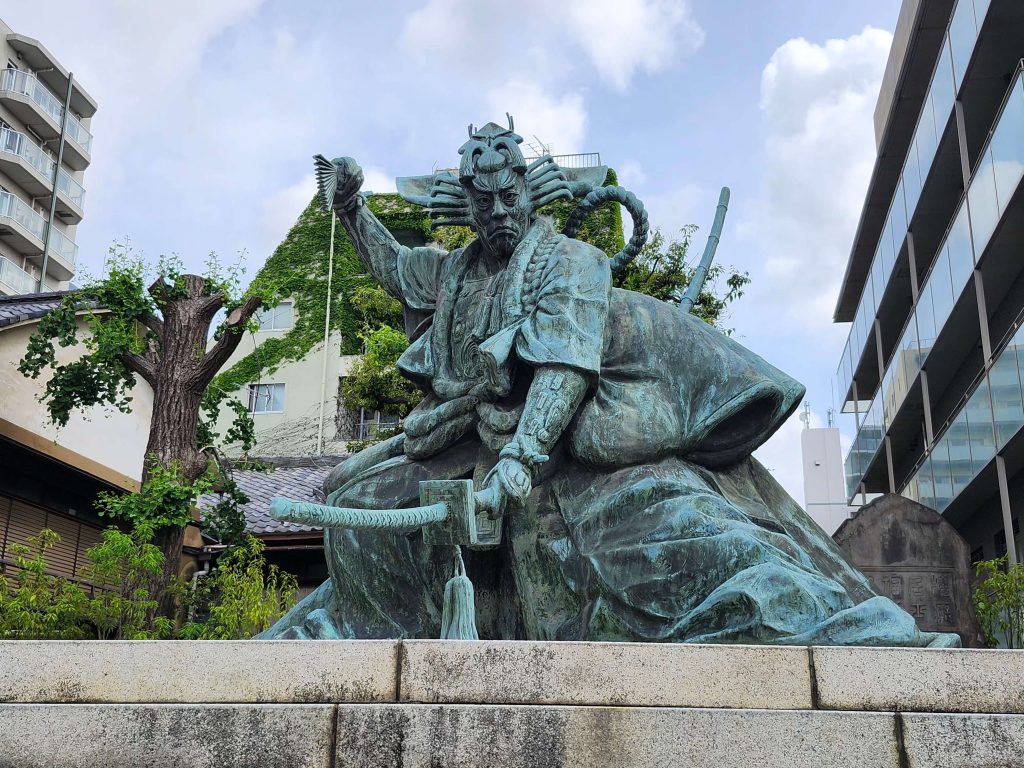
Senso-ji Temple is the oldest temple in Tokyo and, with over 30 million annual visitors, the most widely visited site in the world.
The origins of Sensō-ji are uncertain. According to legends found in sources such as the “Sensō Engi”, the temple began in the Asuka period when the brothers Hinokuma Hamanari and Takenari discovered a statue of Kannon while fishing in the Sumida River in 628. The headman of their village, Haji no Nakatomo became a monk and converted his home into a temple. There have been a continous series of constructions and reconstructions at this site ever since. The most recent was the complete reconstruction of the main buildings in the 1950s after the whole complex was destroyed by the March 10, 1945 firebombing raid on Tokyo.
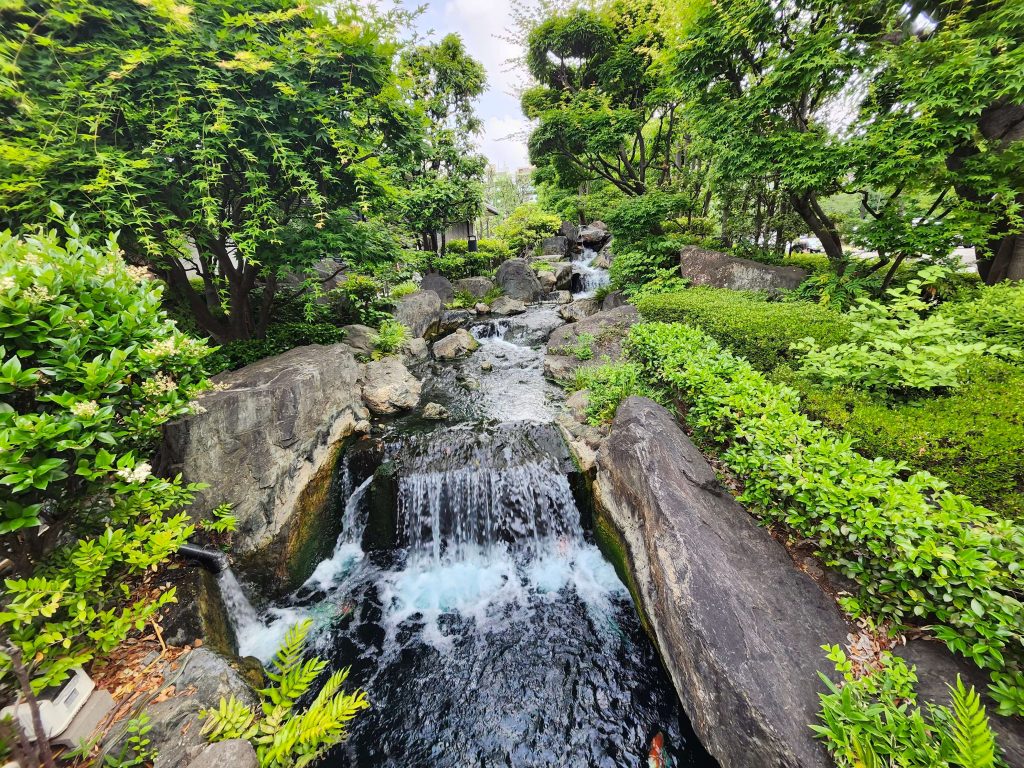
Takeshita Street
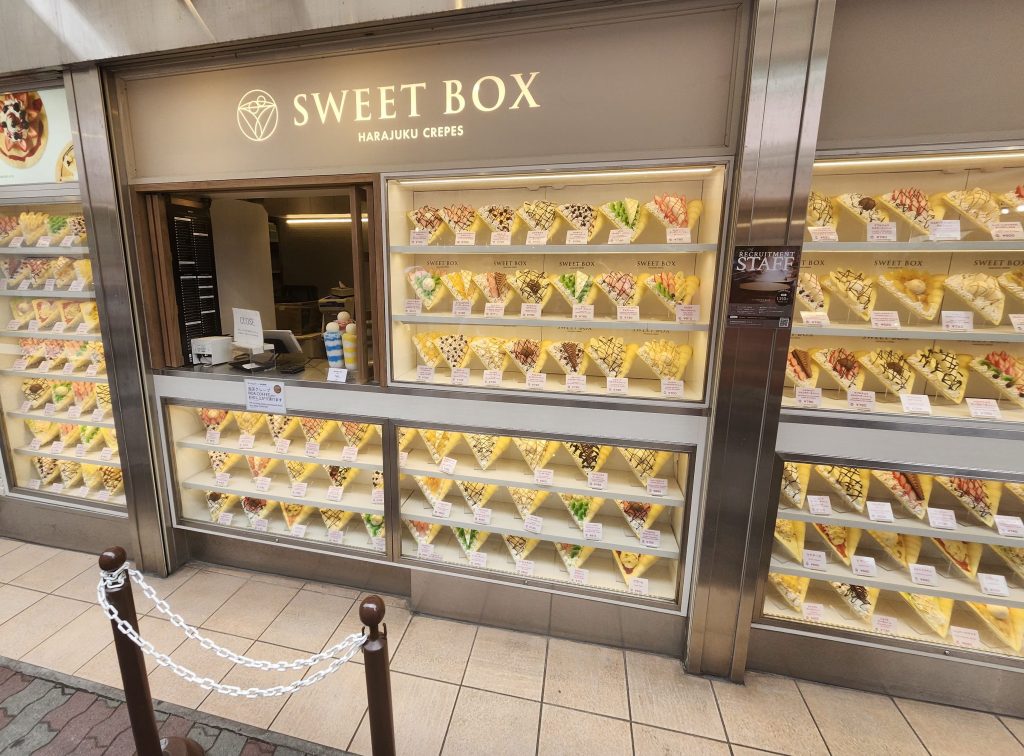
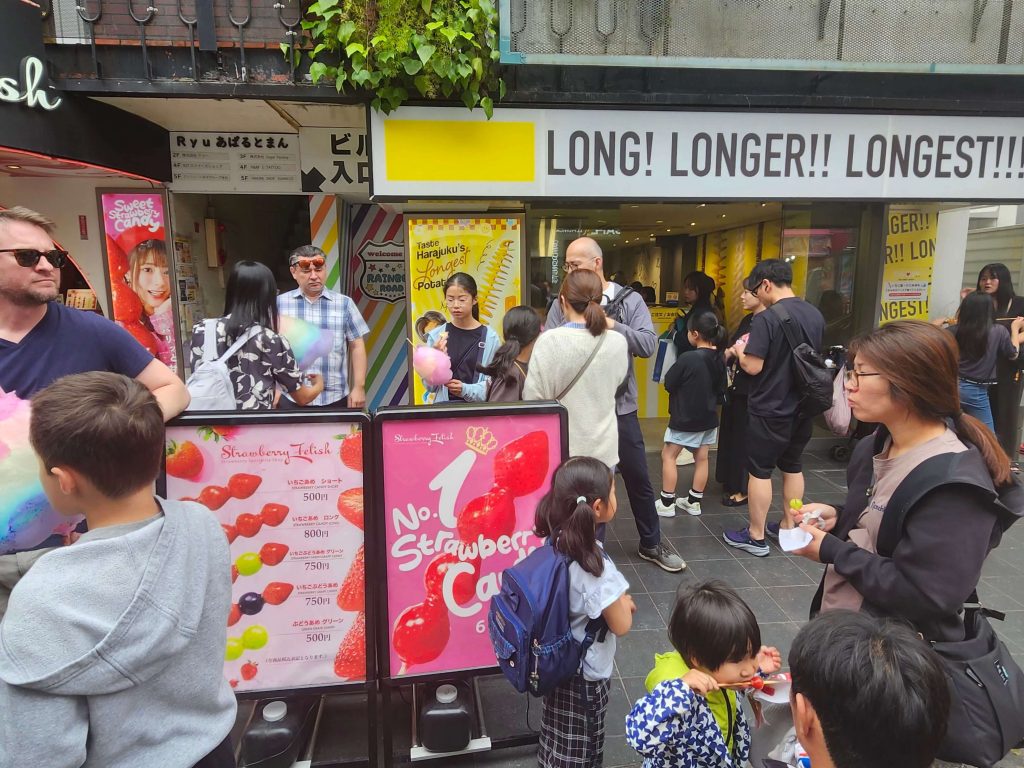
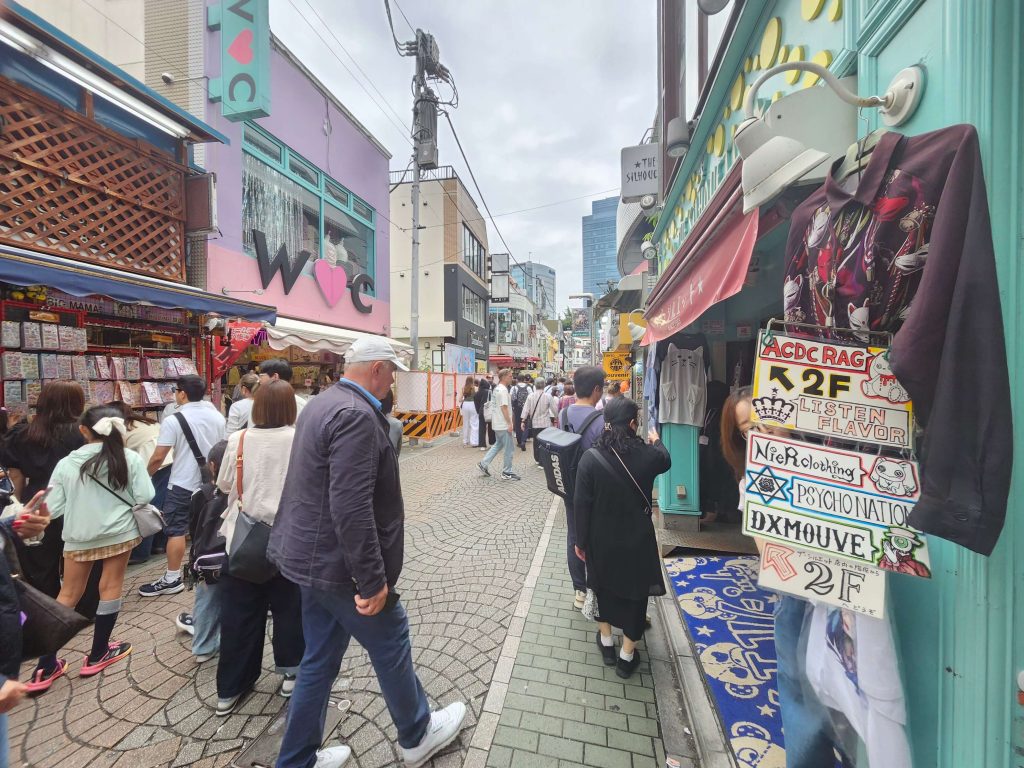
Takeshita Street is a large alleyway that is a hyperactive teenager’s version of heaven. It has a ton of lucious sweet shops…
…cafes with cute animals to play with…
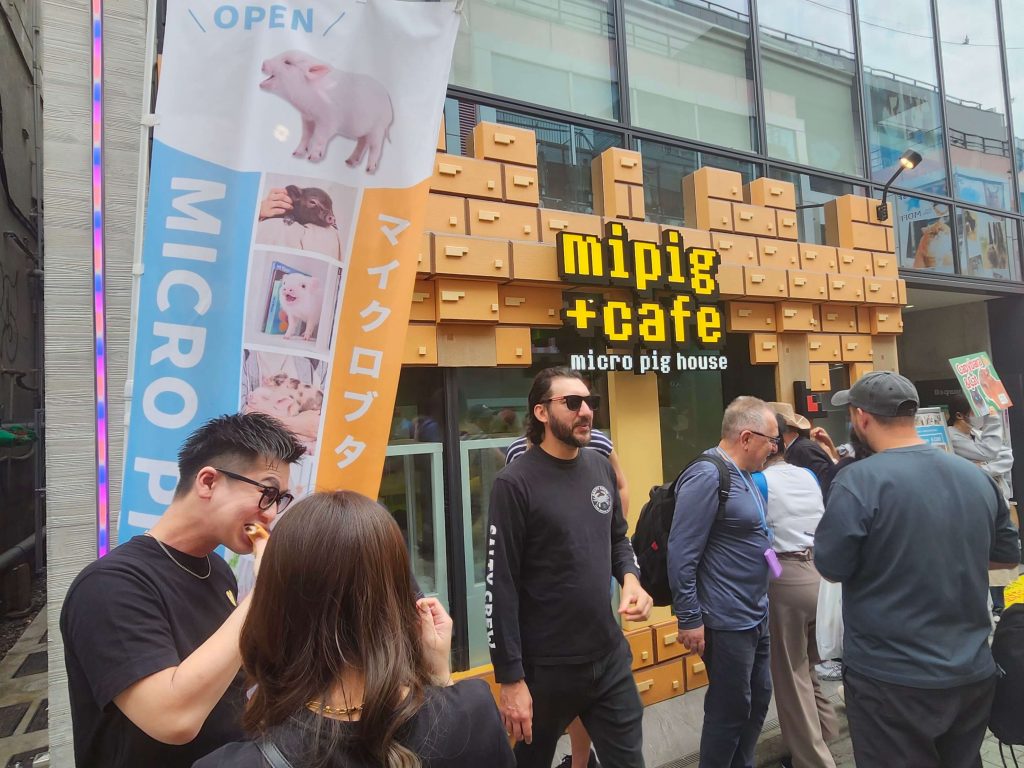
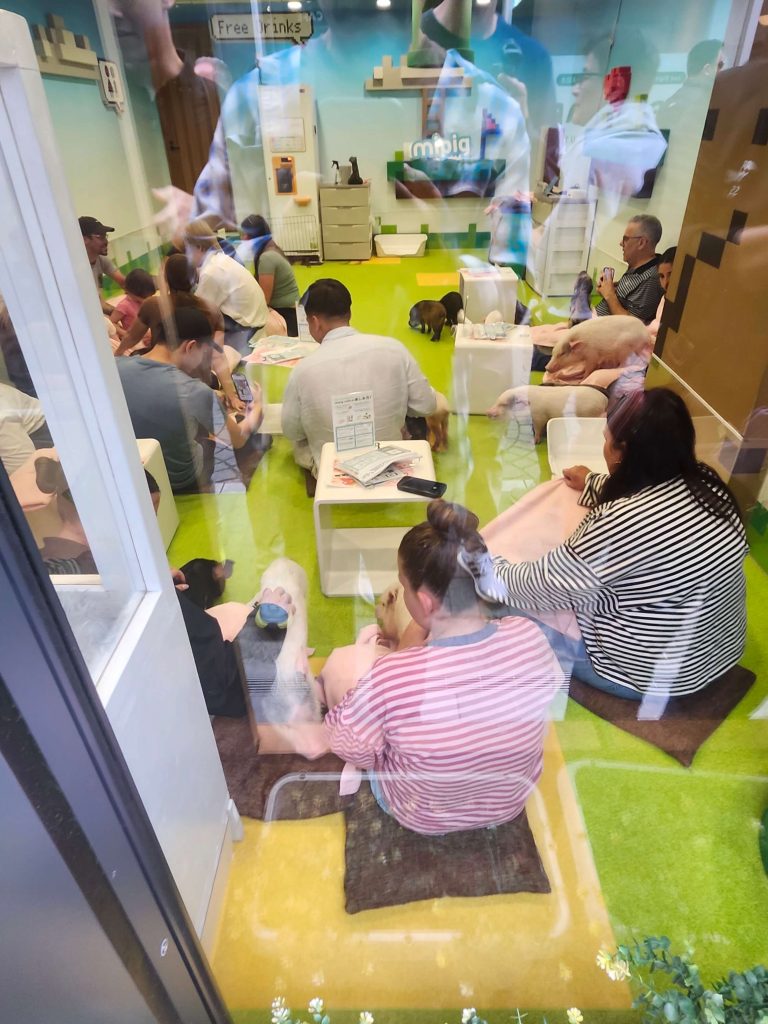
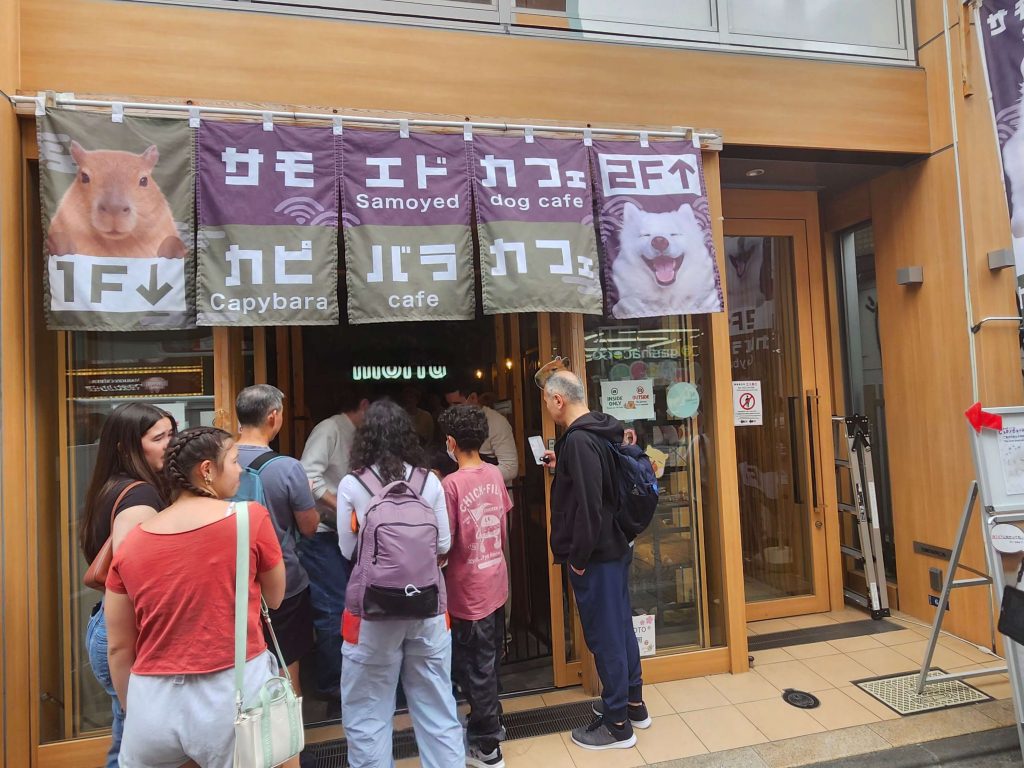
…and all kinds of fun, colorful shops to spend their parents’ money.
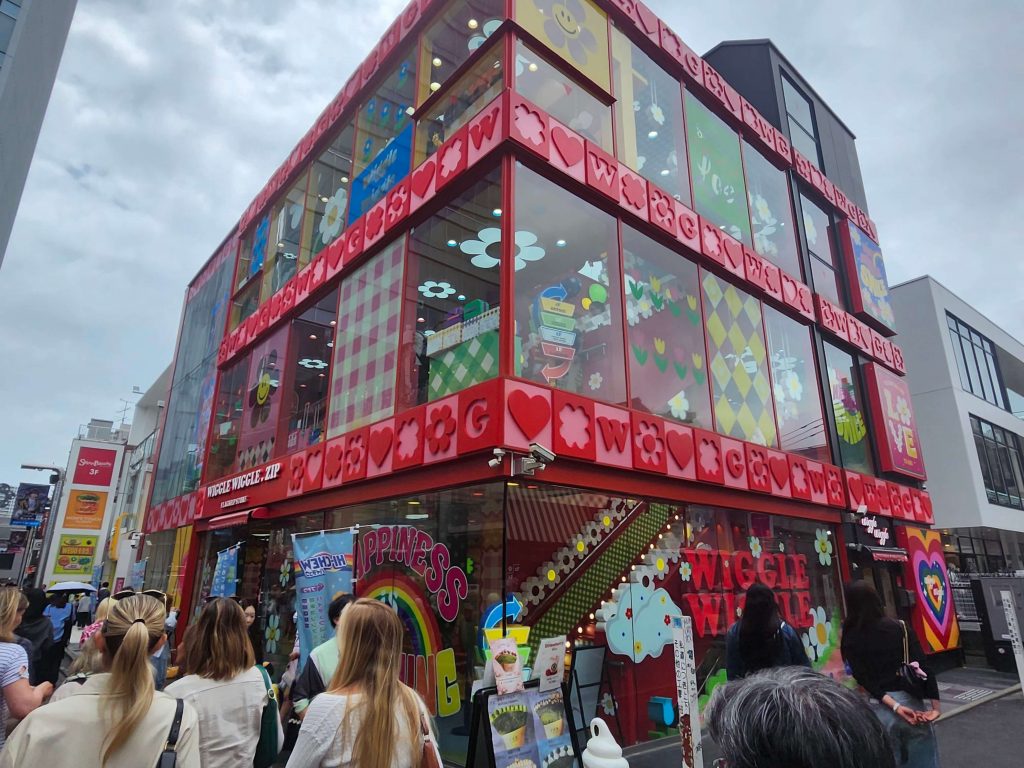
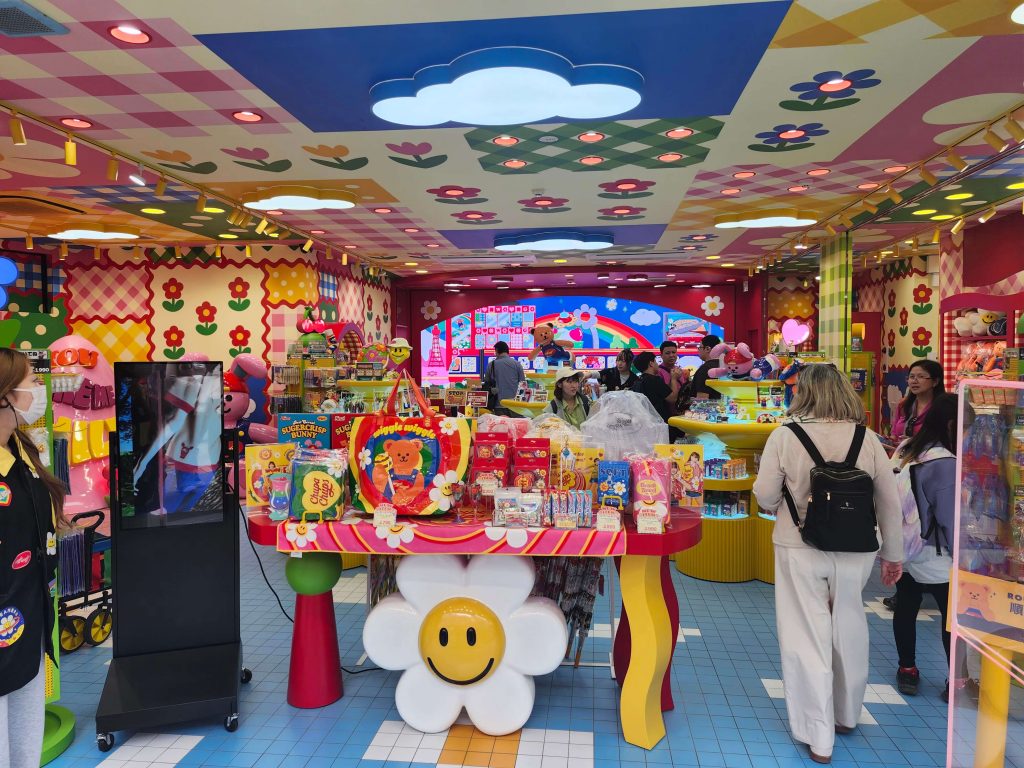
Omotesando
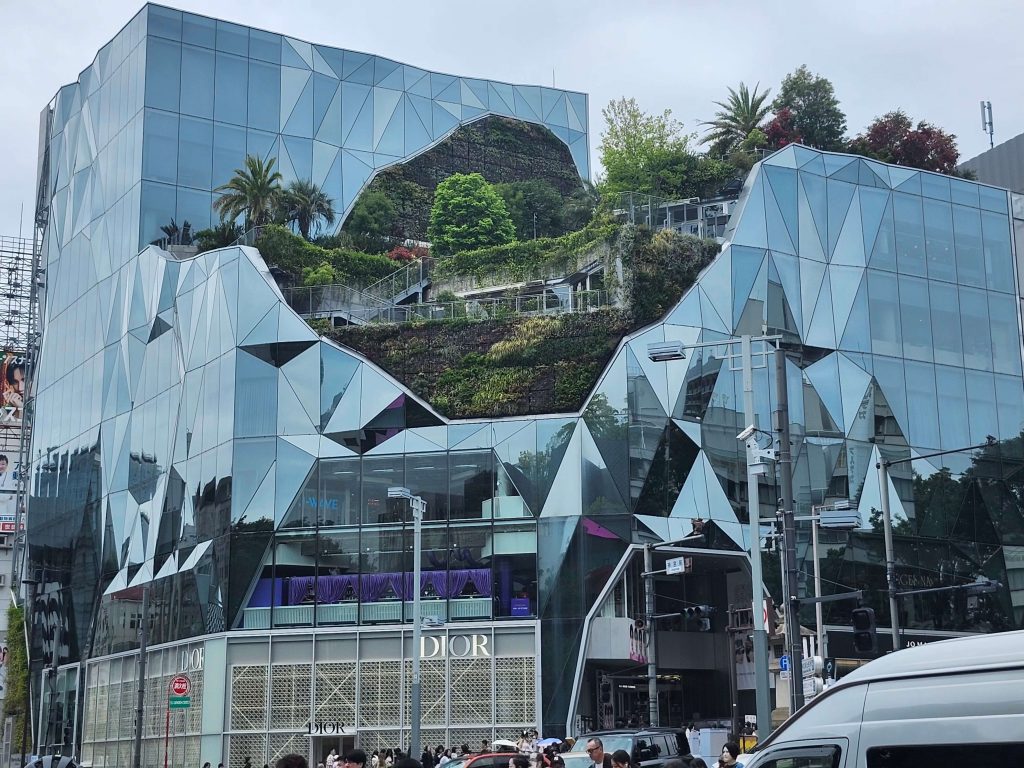
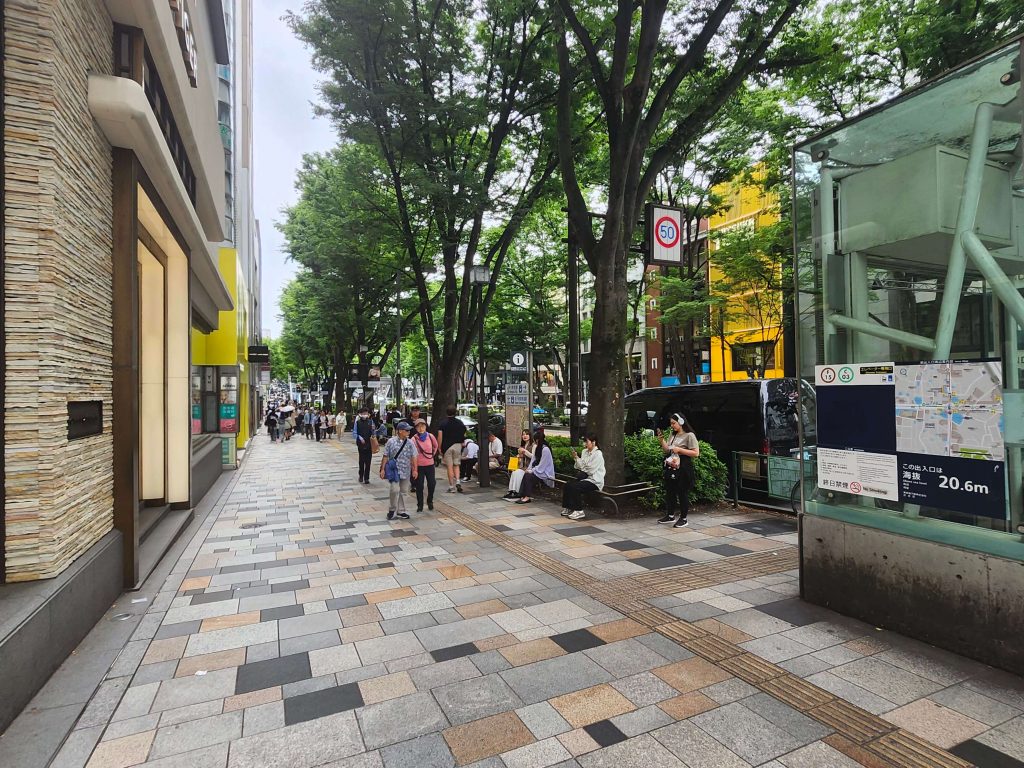
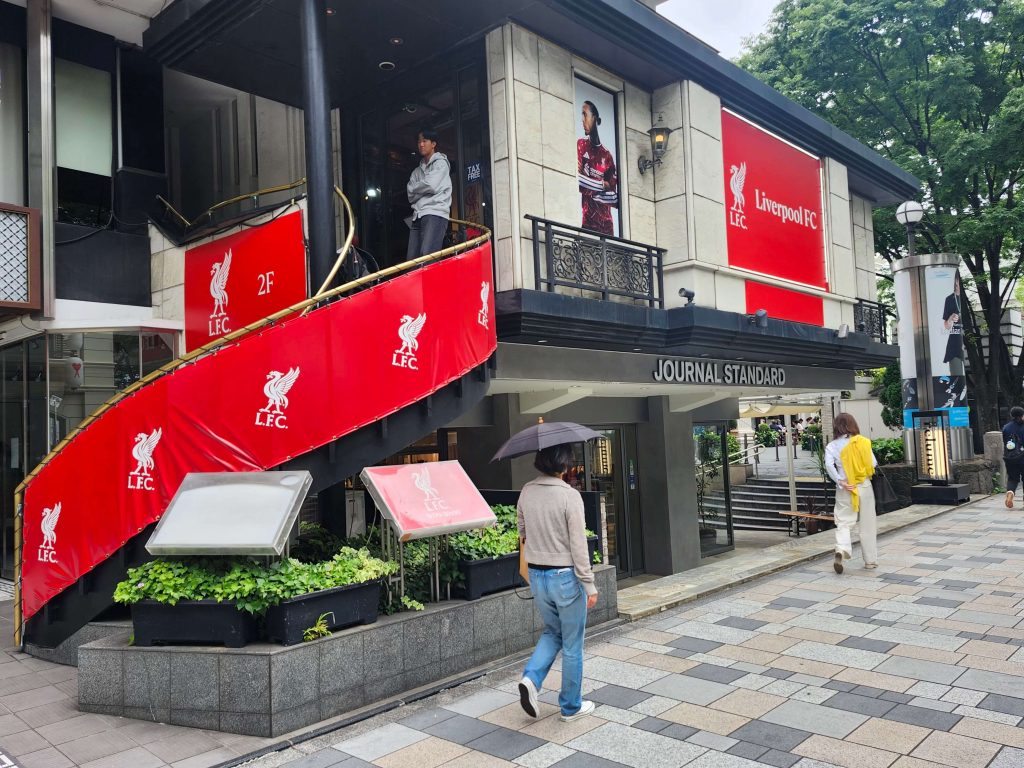
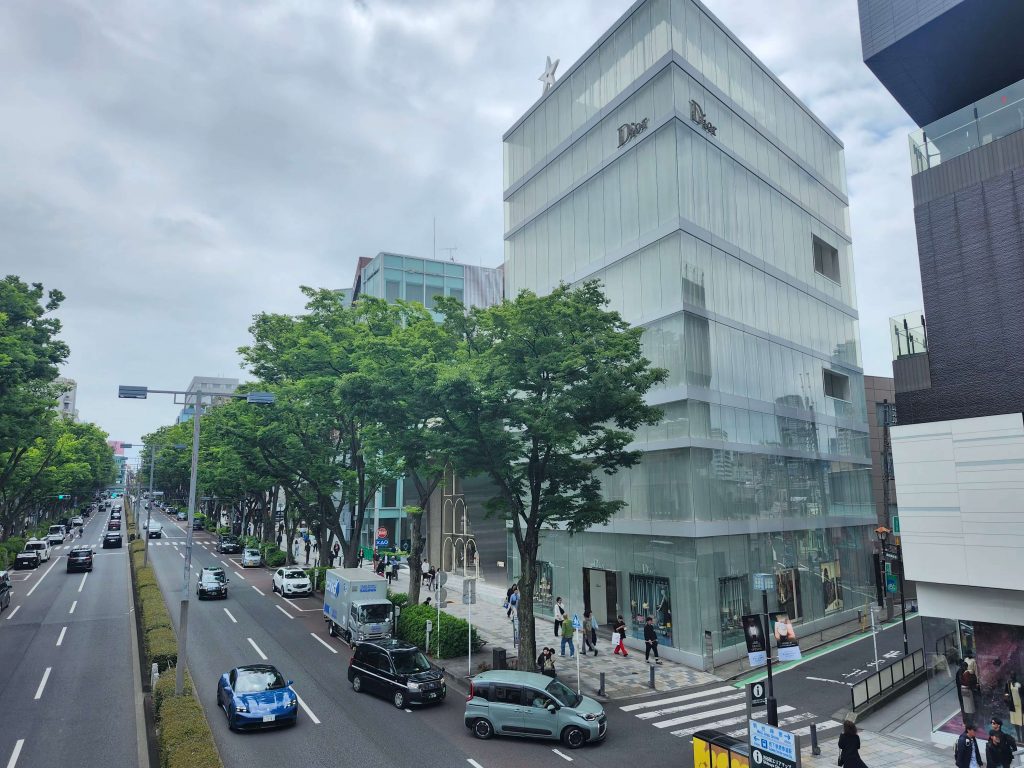
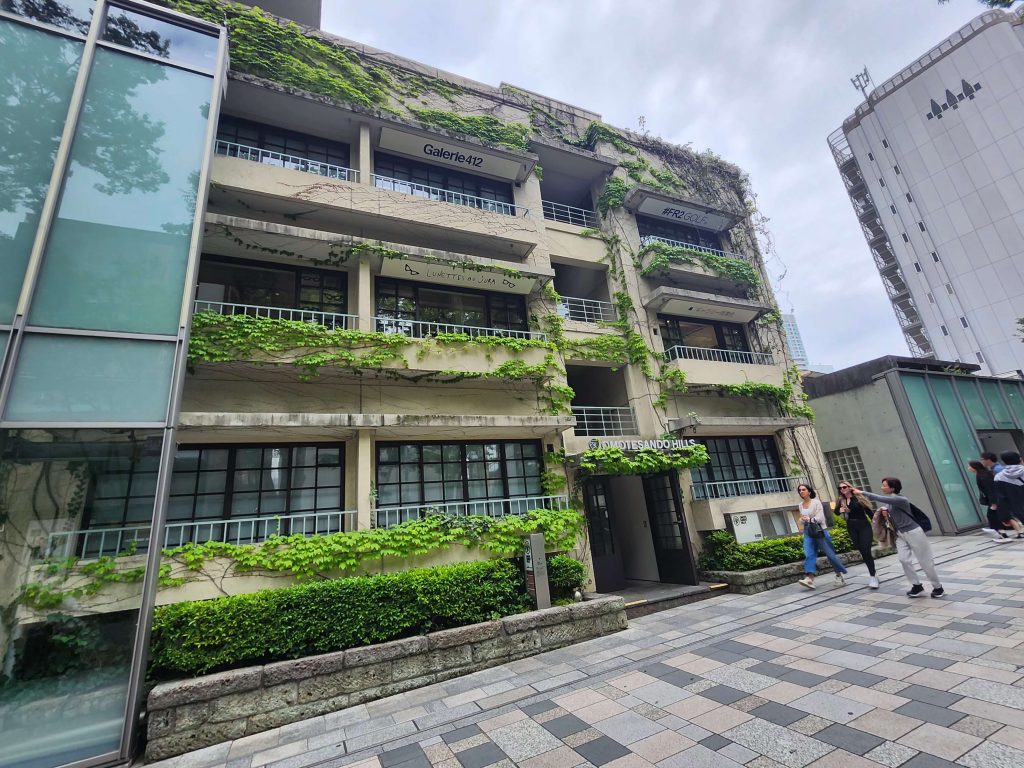
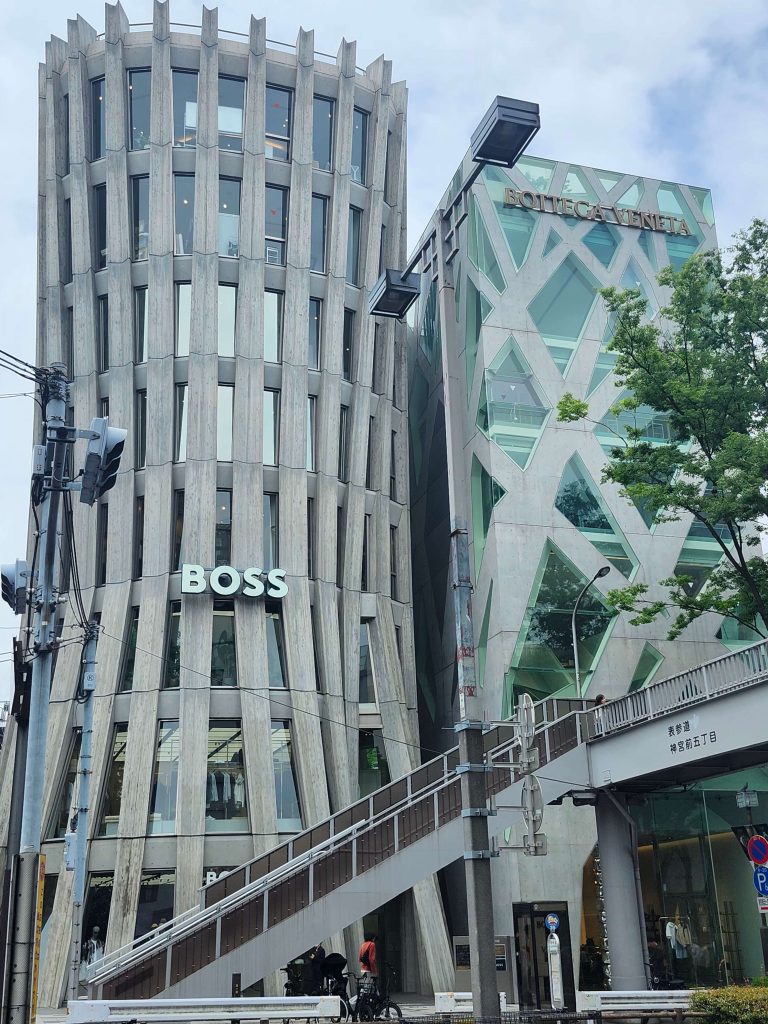
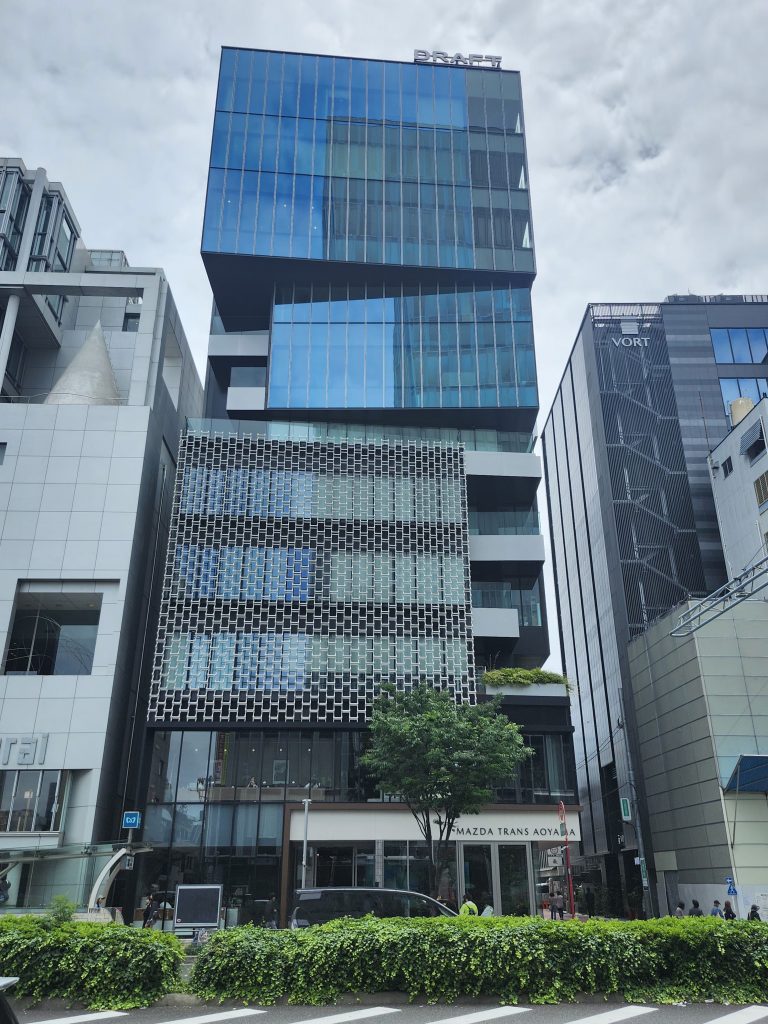
The nearby Omotesando neighborhood is the adult version of Takeshita with all kinds of high end shops to destroy their teenagers’ budding college saving funds. And the architecture can be pretty badass as well.
teamLab Borderless
One of the most enjoyable experiences of this trip was the interactive artworks at teamLab Borderless. From their website: “teamLab Borderless is a group of artworks that form one continuous, borderless world. Artworks move out of the rooms freely, form connections and relationships with people, communicate with other works, influence and sometimes intermingle with each other, and have the same concept of time as the human body. People wander through the world, exploring with intention, creating and discovering a new world with others.”
Meiji Jingu Temple
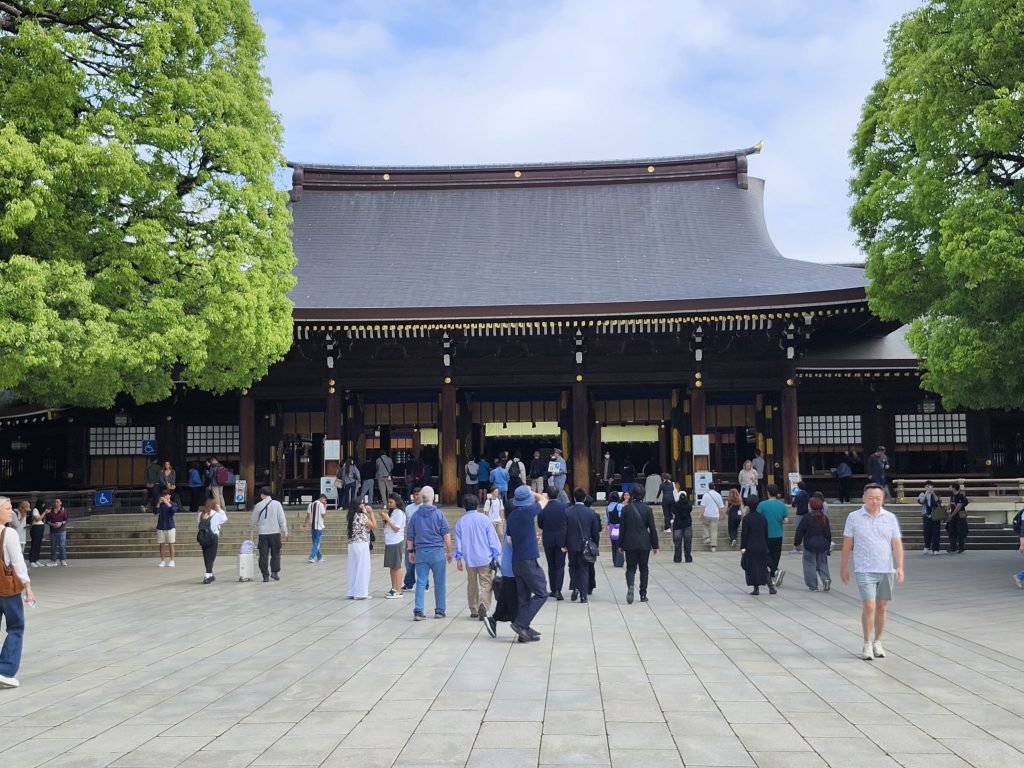
After Emporer Meiji’s death in 1912, the Japanese Diet passed a resolution to commemorate his role in the Meiji Restoration. Construction began in 1915 under Itō Chūta, and the shrine was built in the traditional nagare-zukuri style, using primarily Japanese cypress and copper. The building of the shrine was a national project, mobilizing youth groups and other civic associations from throughout Japan, who contributed labor and funding. It was formally dedicated on November 3, 1920, completed in 1921, and its grounds officially finished by 1926. The original building was destroyed during the Tokyo air raids of World War II. The present iteration of the shrine was funded through a public fund raising effort and completed in October 1958.
It is one of Tokyo’s major tourist attractions. Even at 8:30am it was crowded and by the time I was leaving at about 9:30am, waves of people were entering the area.
You go through a series of gates and then doorways to enter the main shrine area.
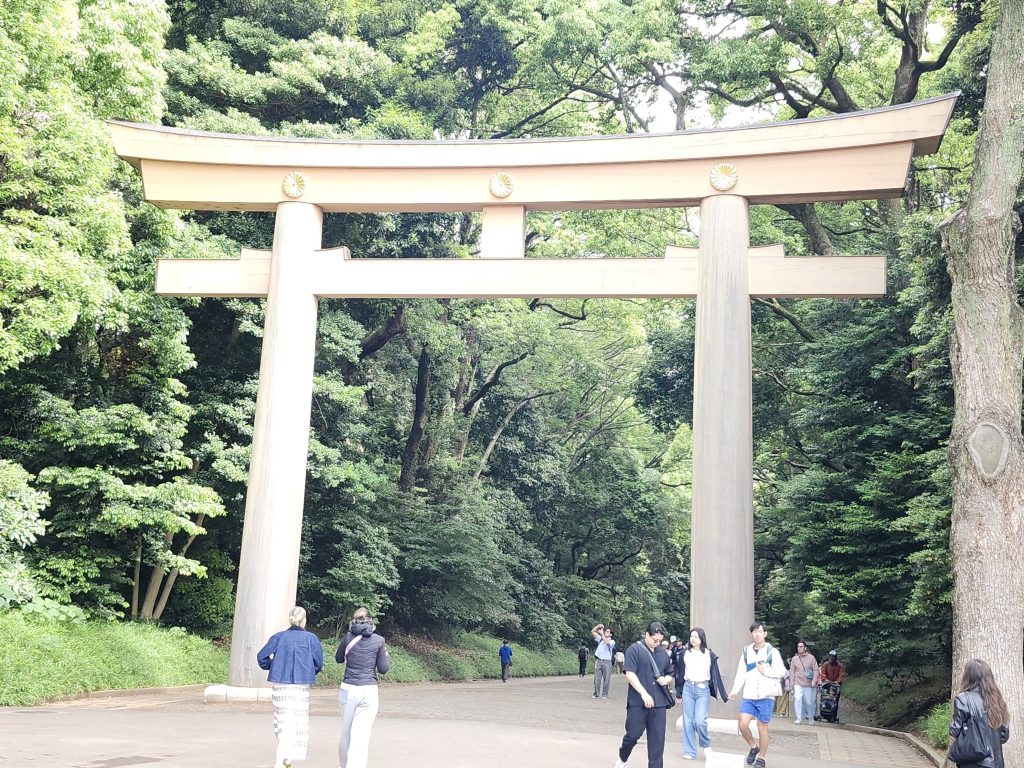
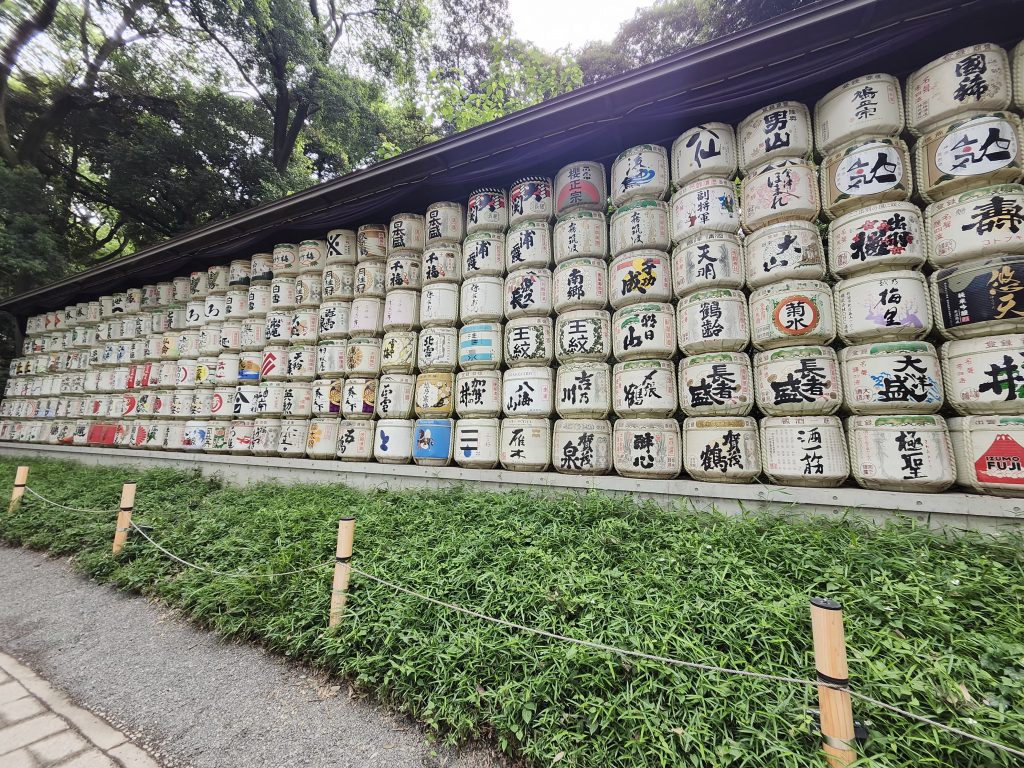
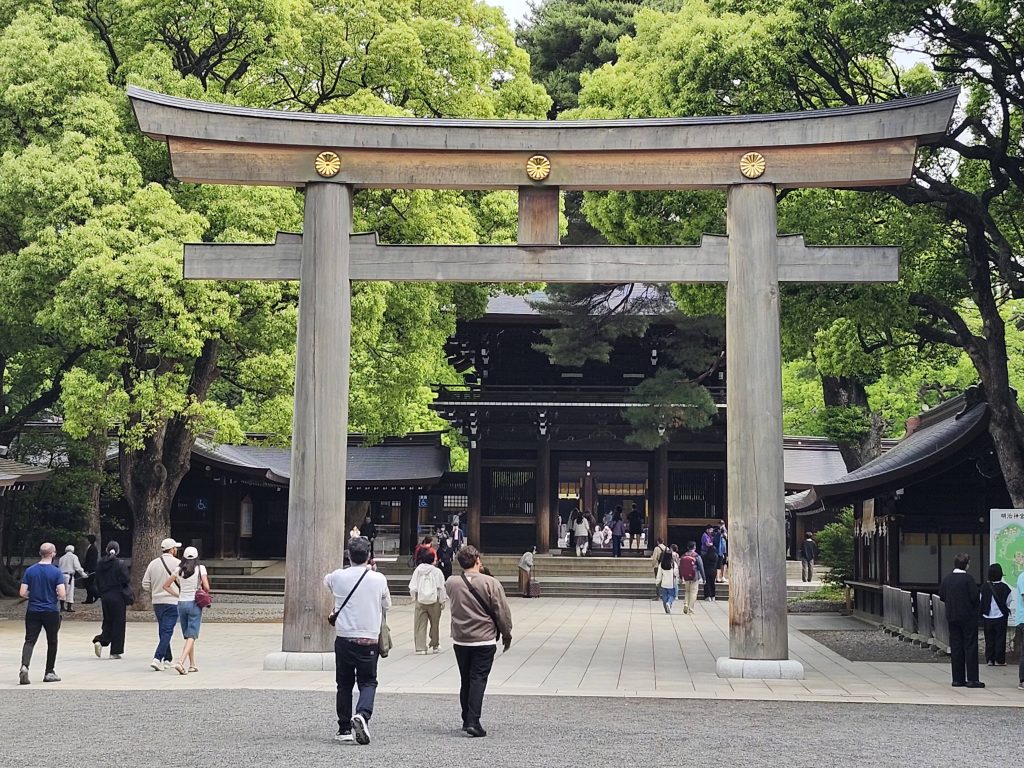
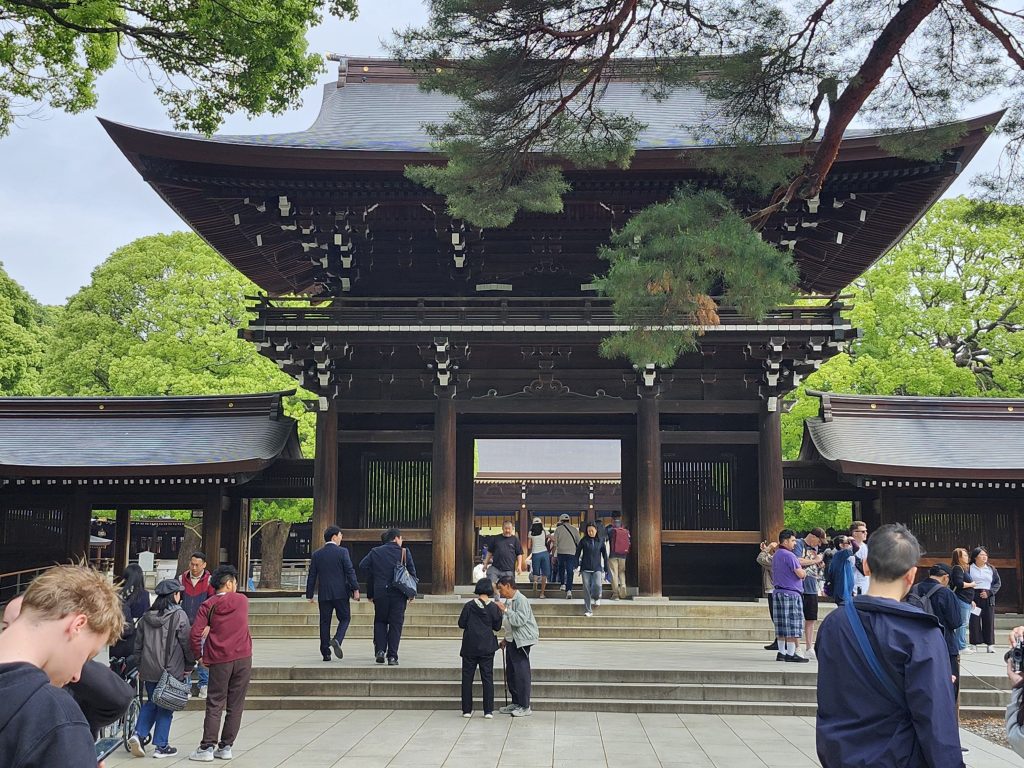
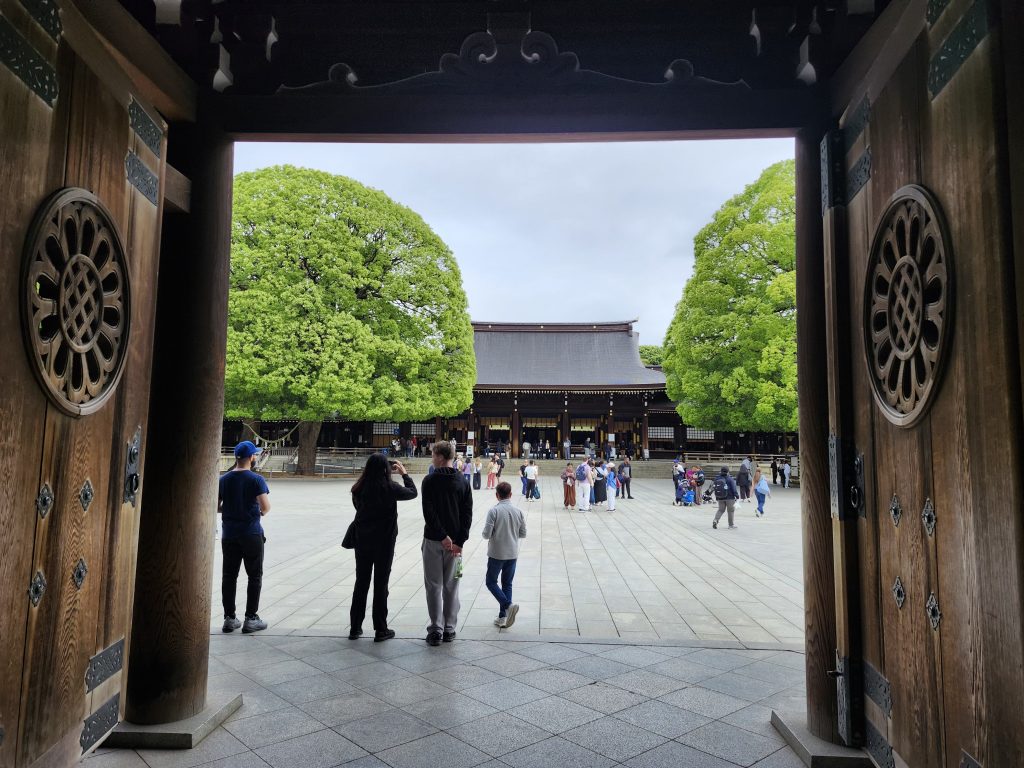
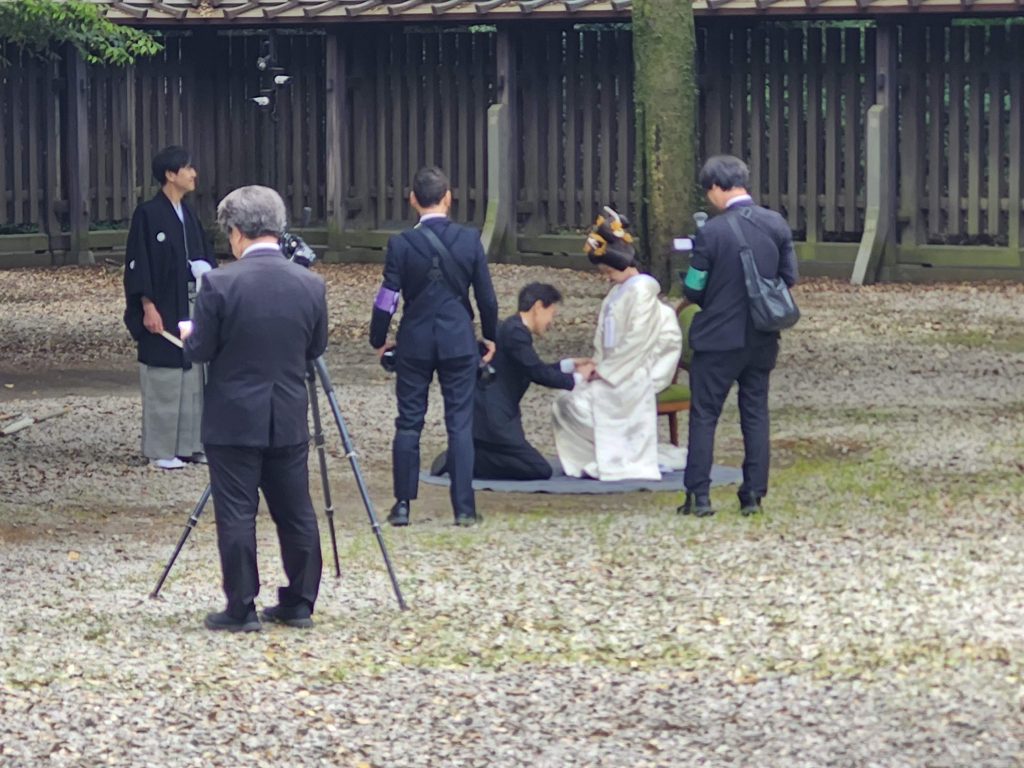
It is also known for a place where traditional weddings can be held.
Meiji Jingu Gyoen
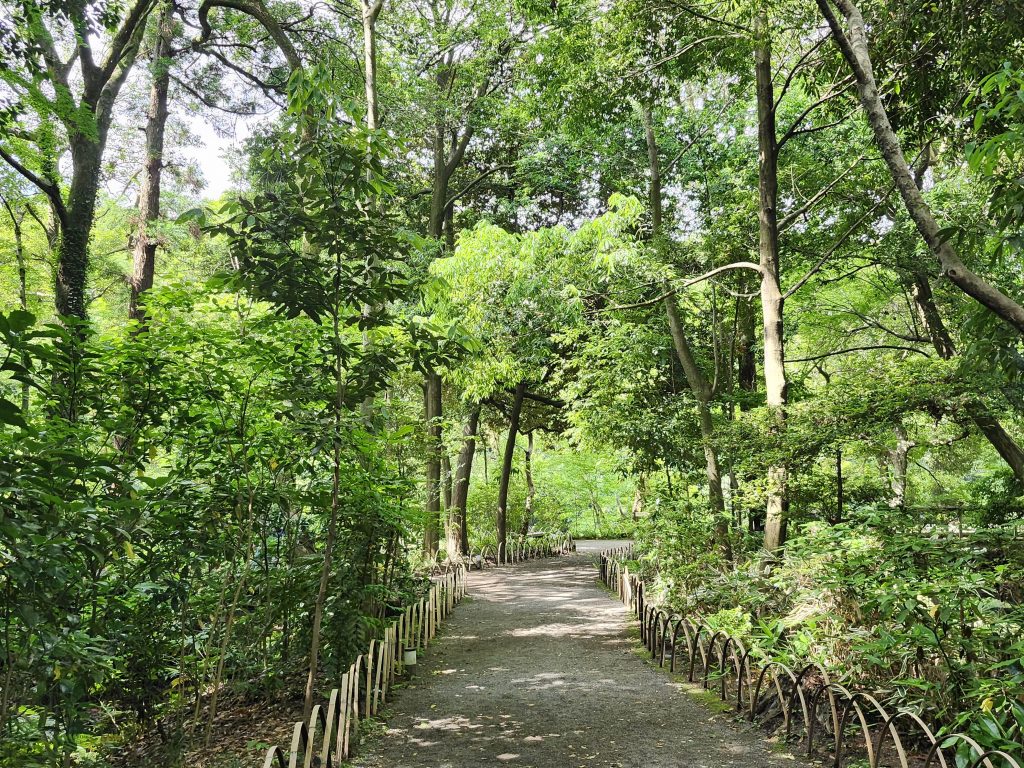
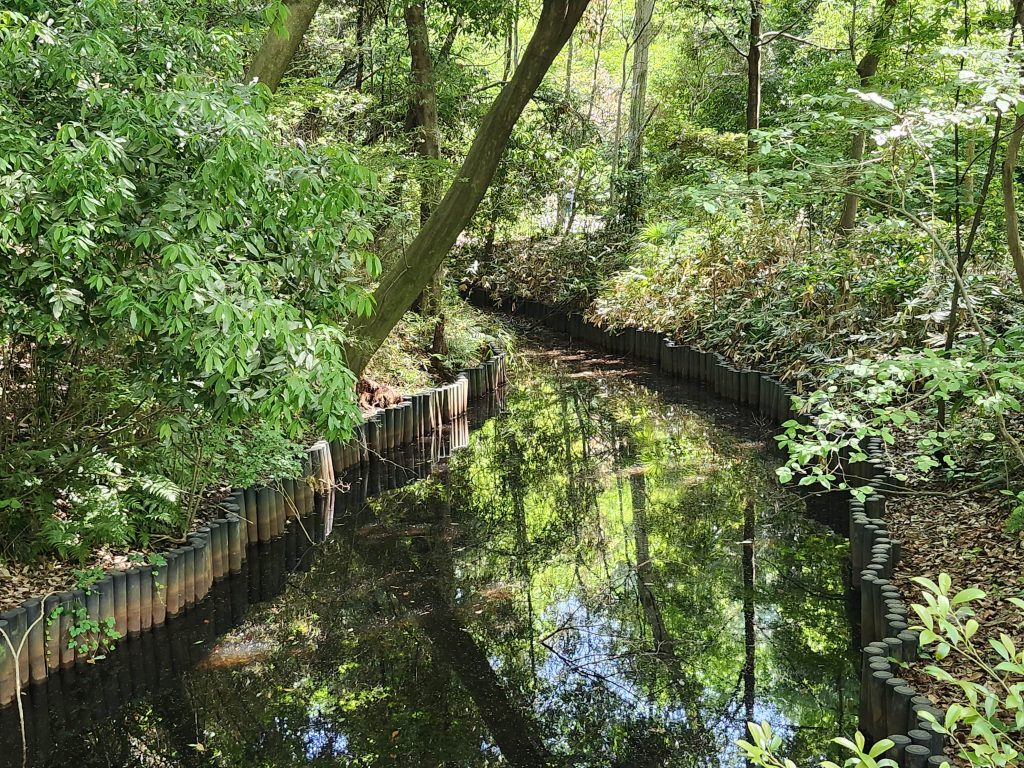
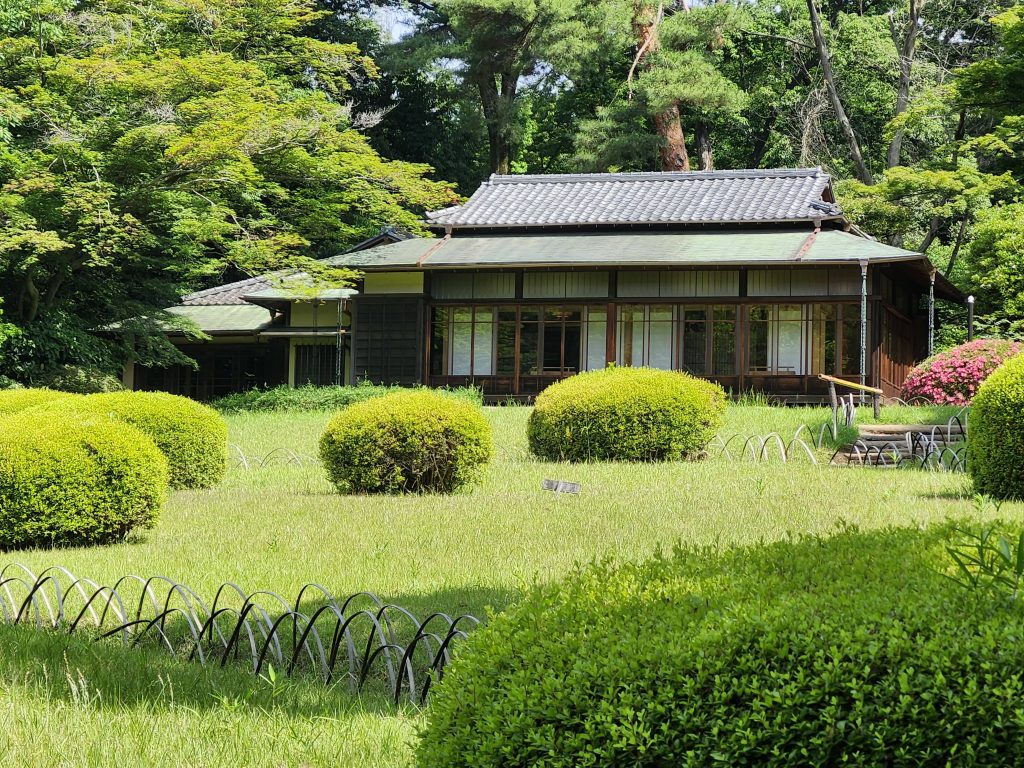
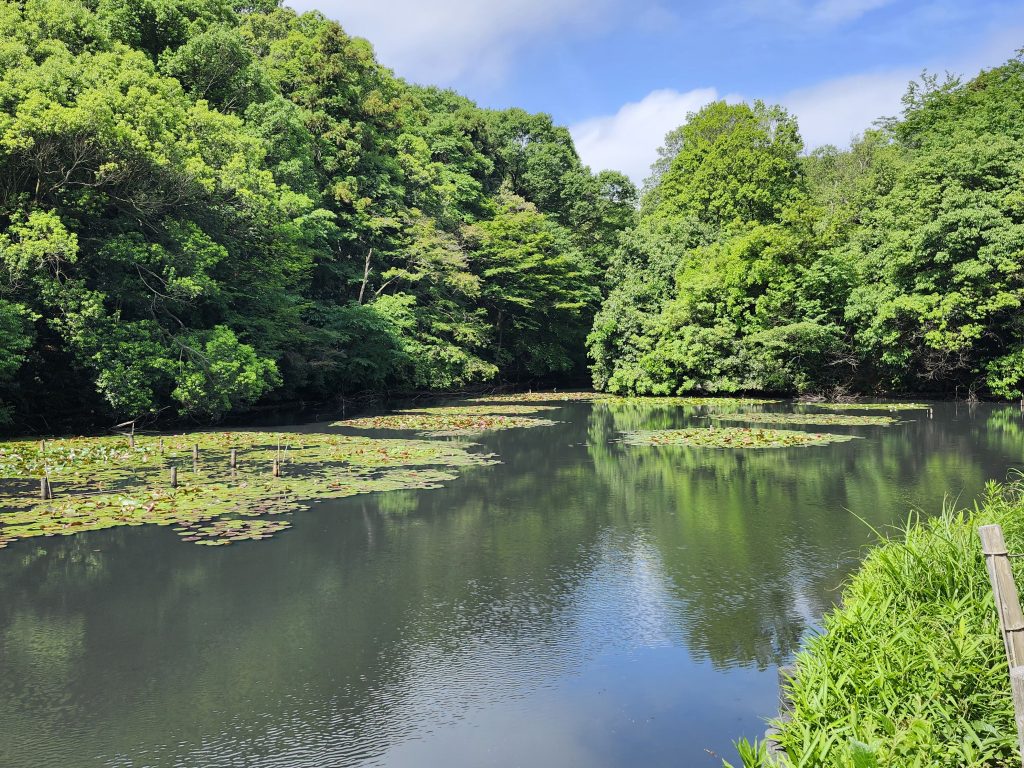
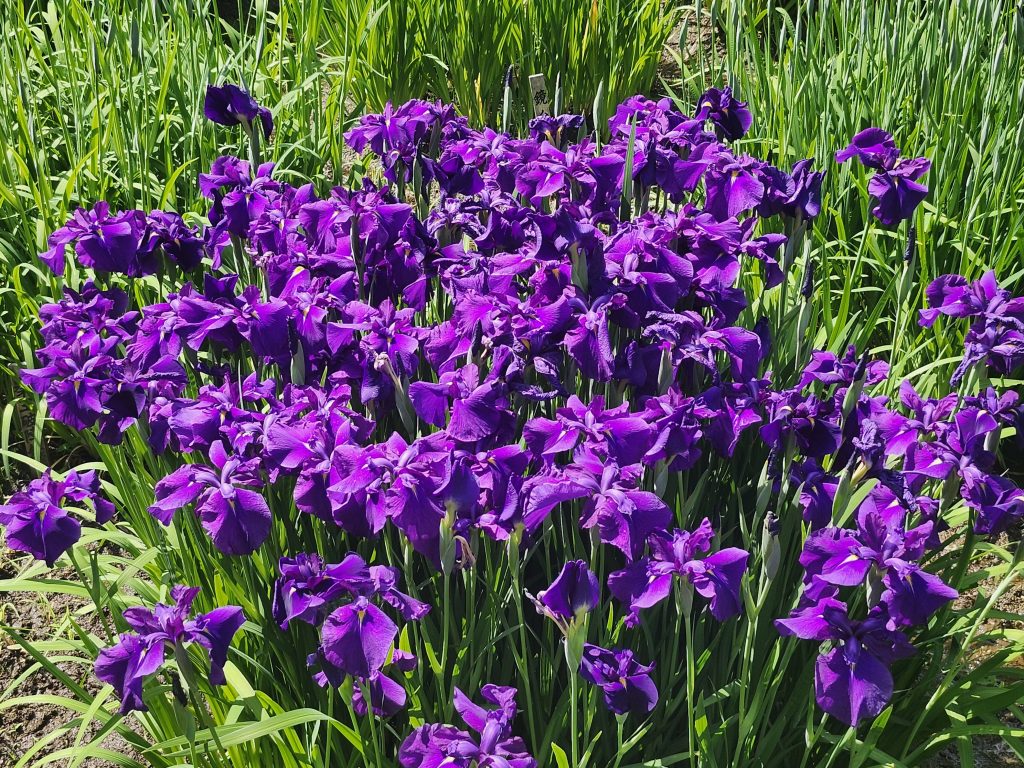
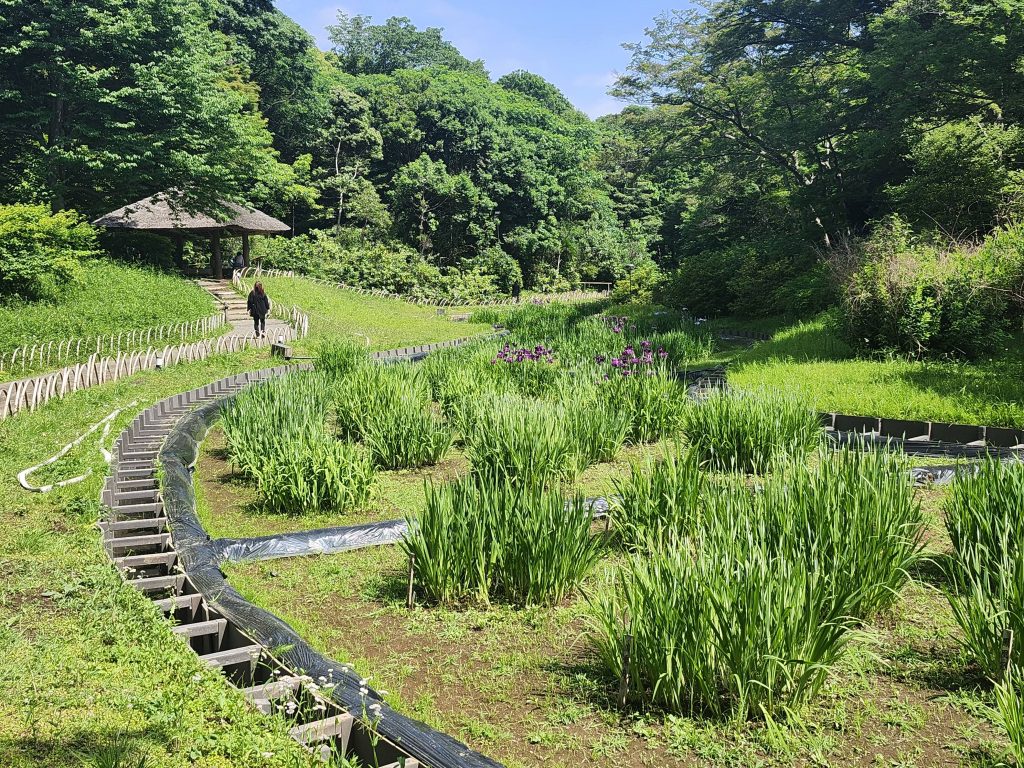
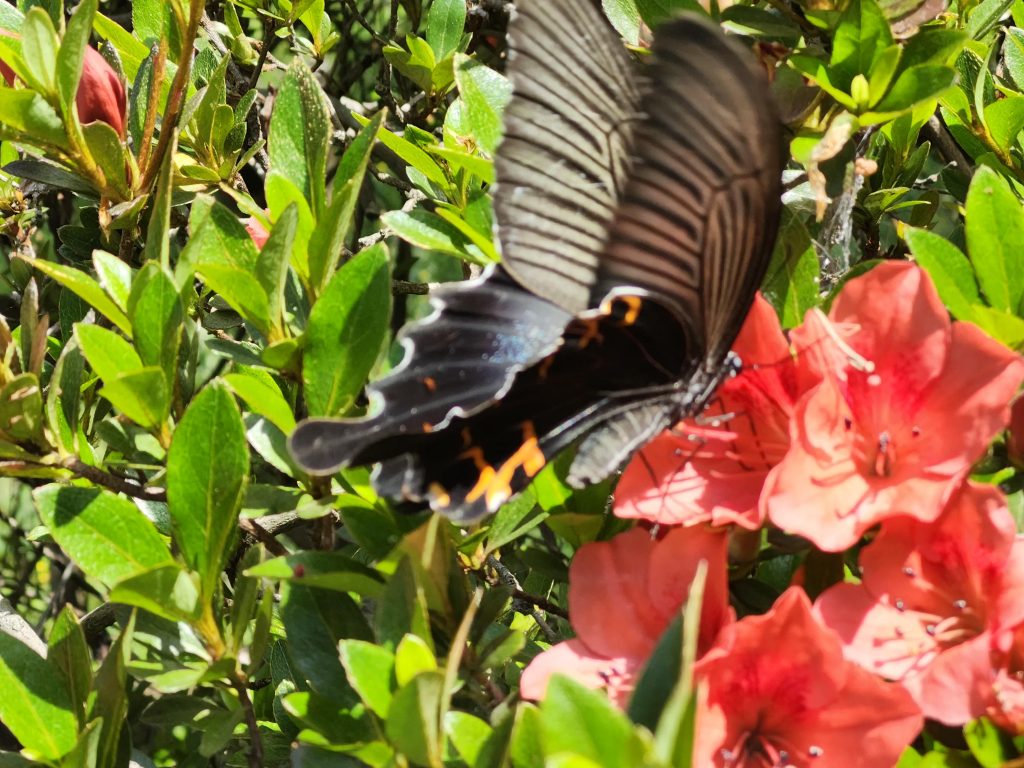
Adjacent to the Meiji Shrine is the Meiji Jingu Gyoen garden. During the Meiji period, the garden came under the supervision of the Imperial Household Agency and was frequently visited by Emperor Meiji and Empress Shōken. It’s now another calm oasis within the bustle of downtown Tokyo.
Nakameguro
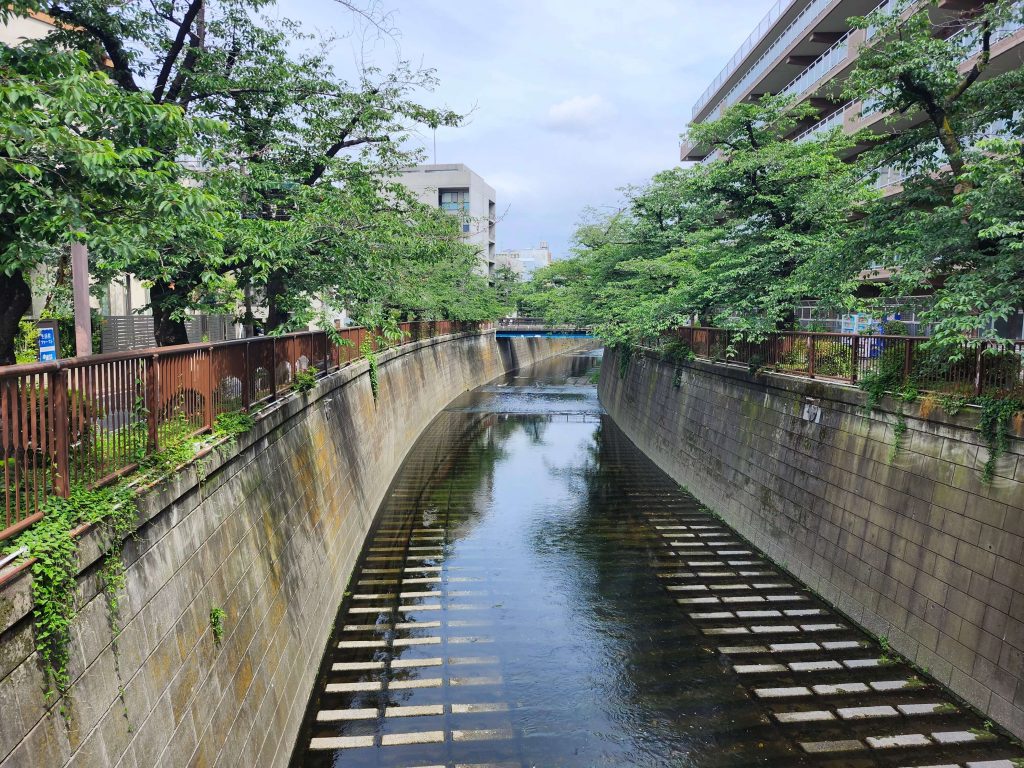
The Nakameguro neighborhood was probably my favorite part of Tokyo. The small Meguro River runs through the heart of the area and creates a canal like feeling with lush trees and small bridges crisscrossing the river.
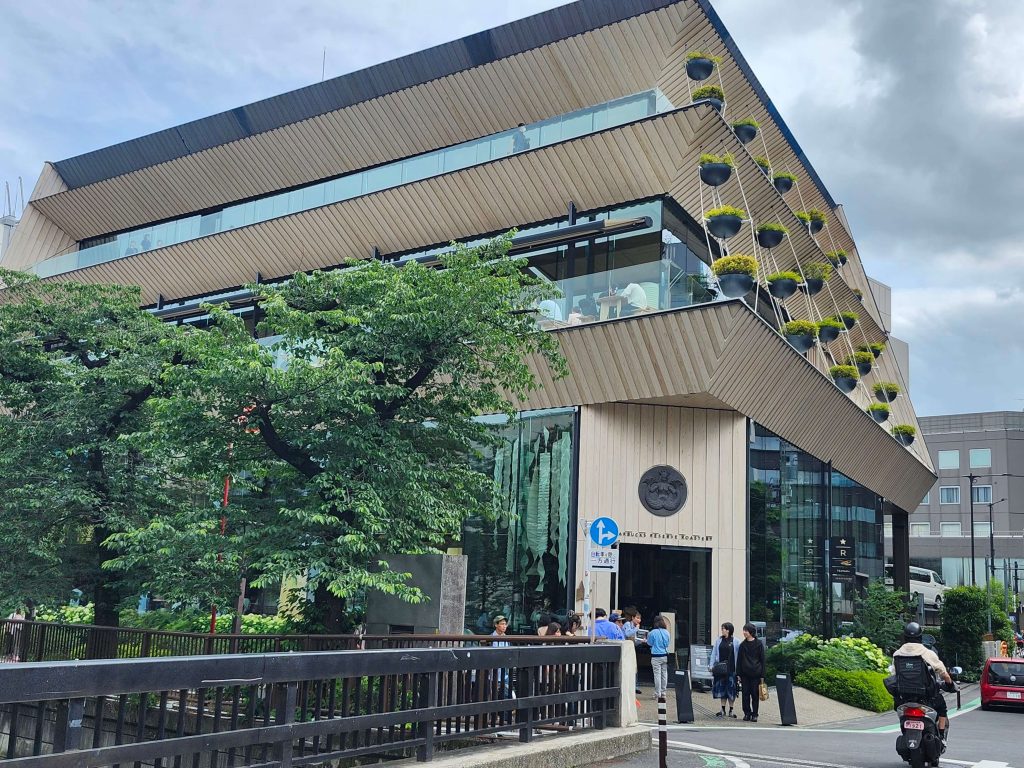
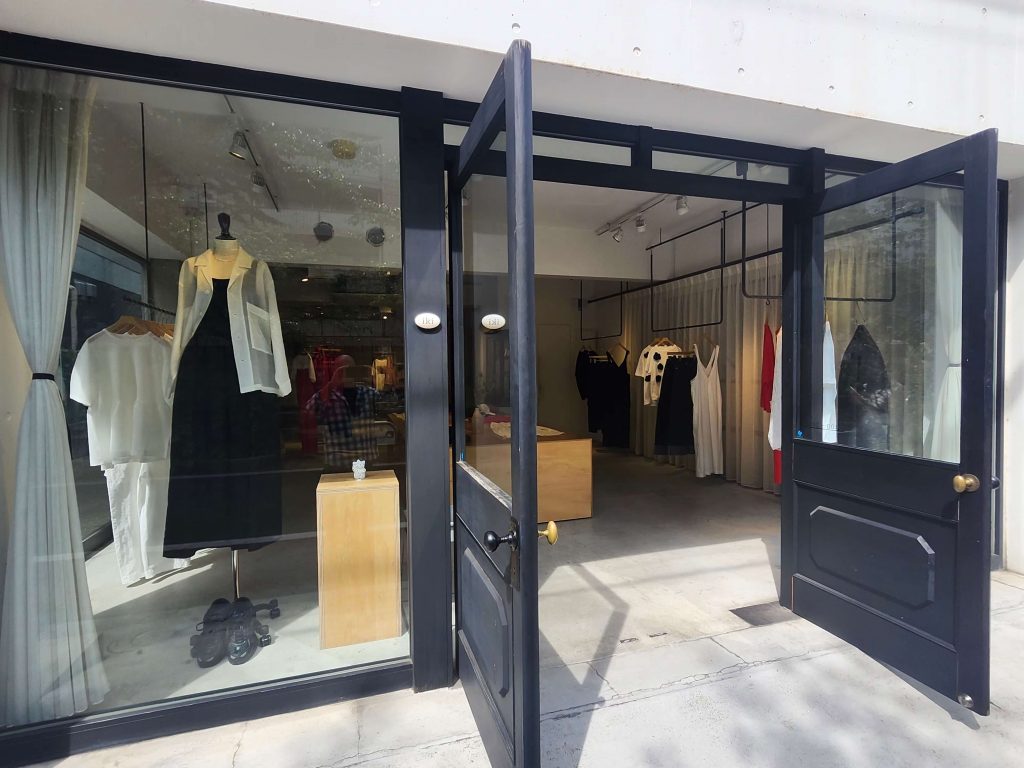
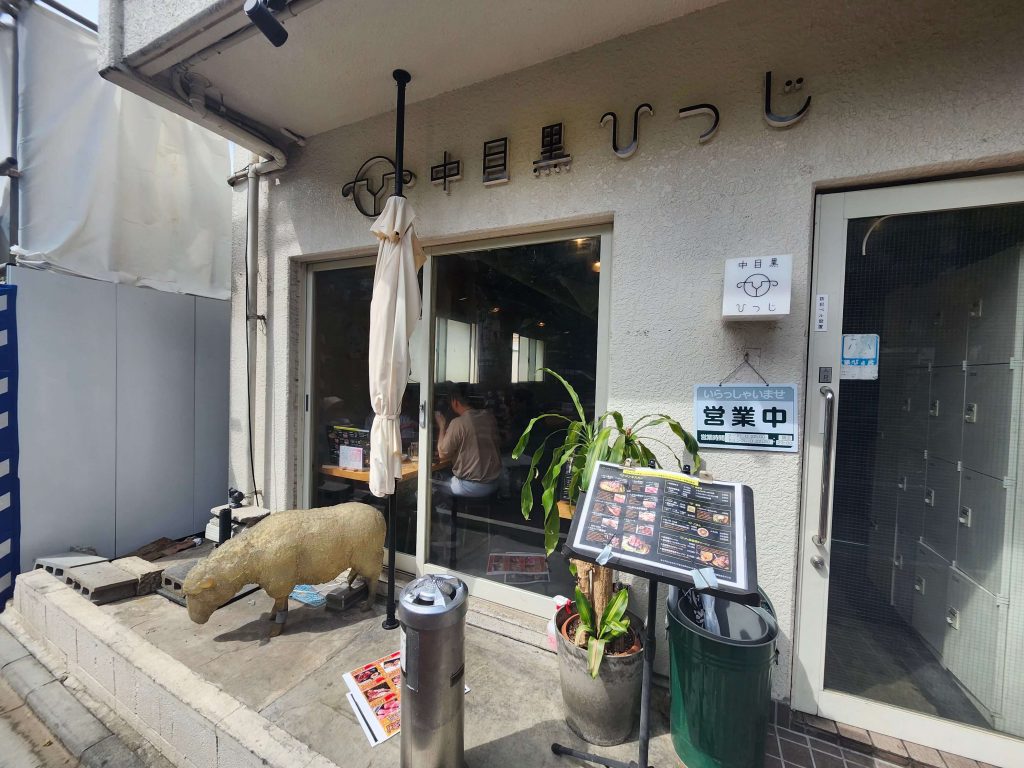
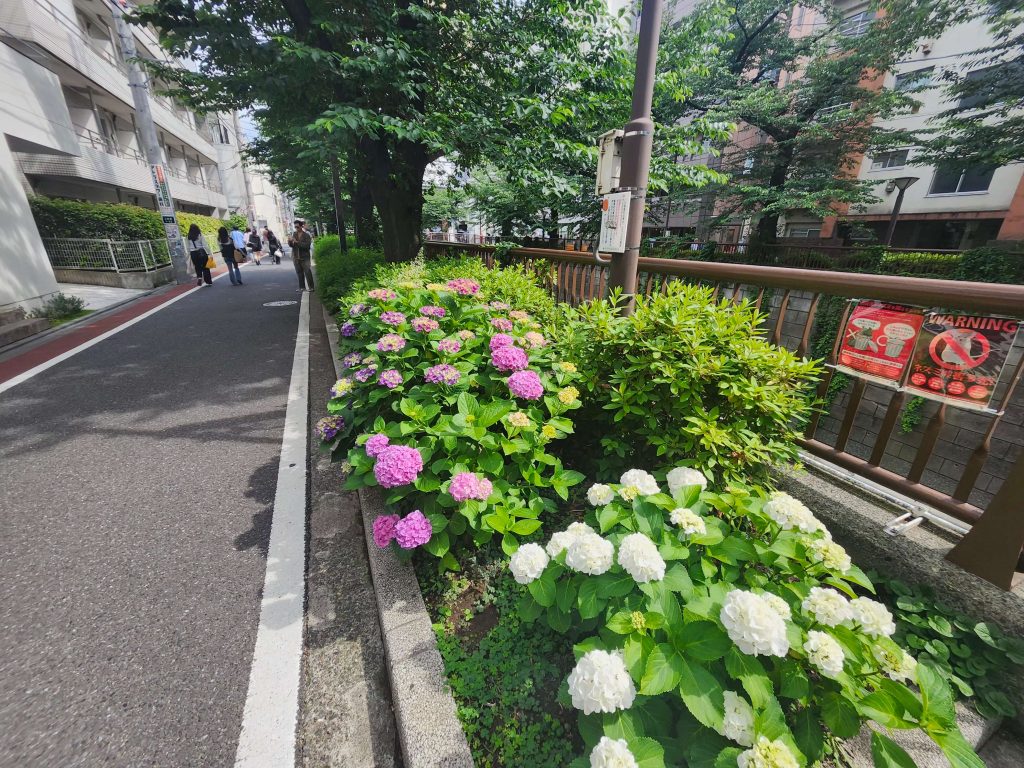
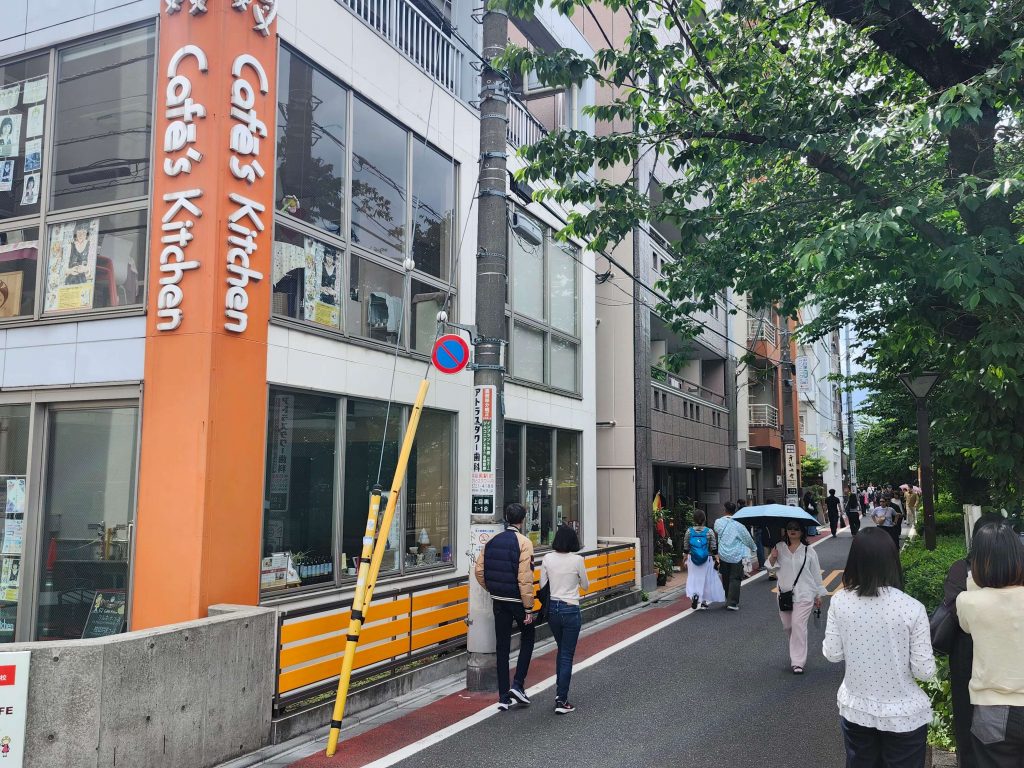
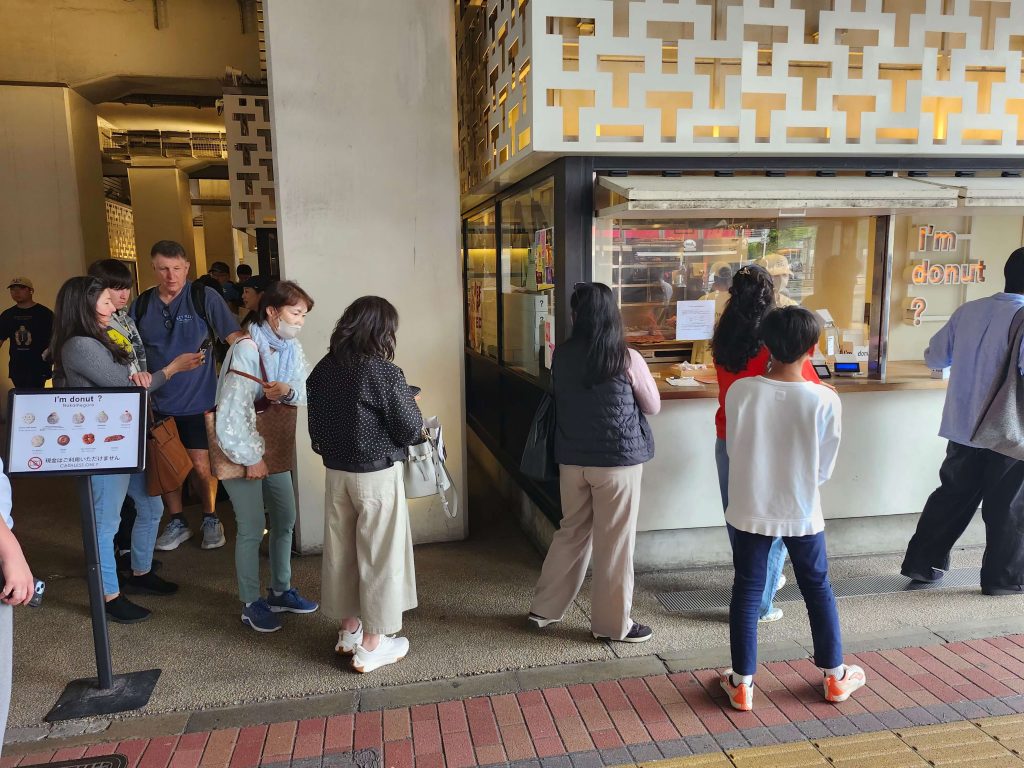
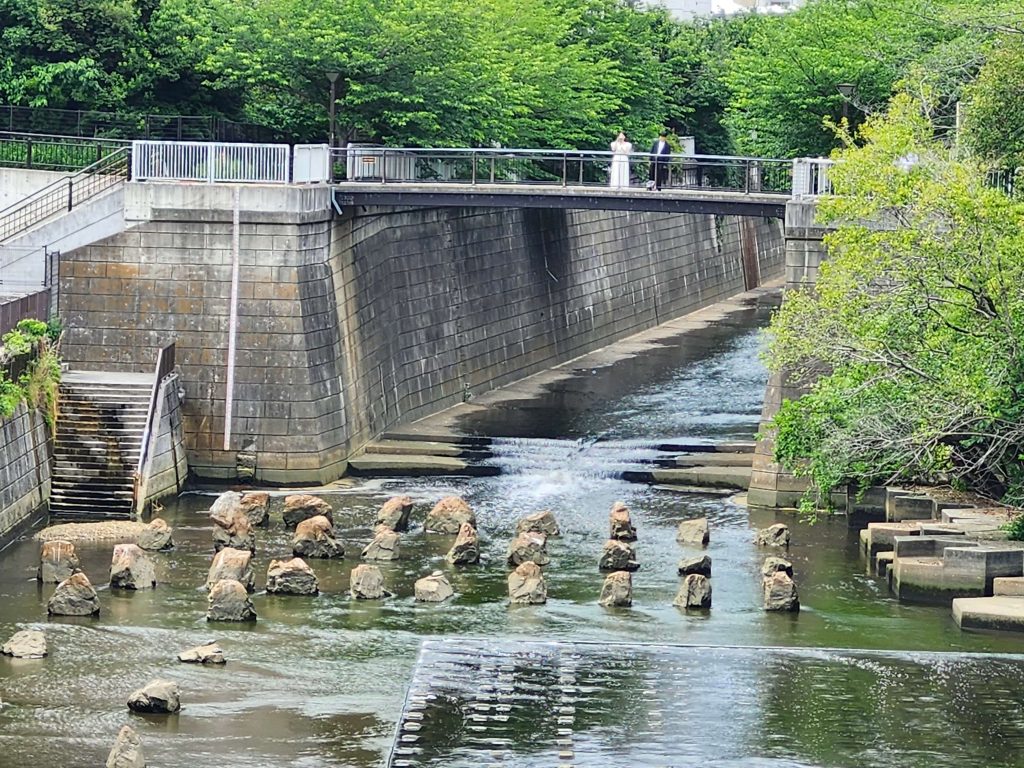
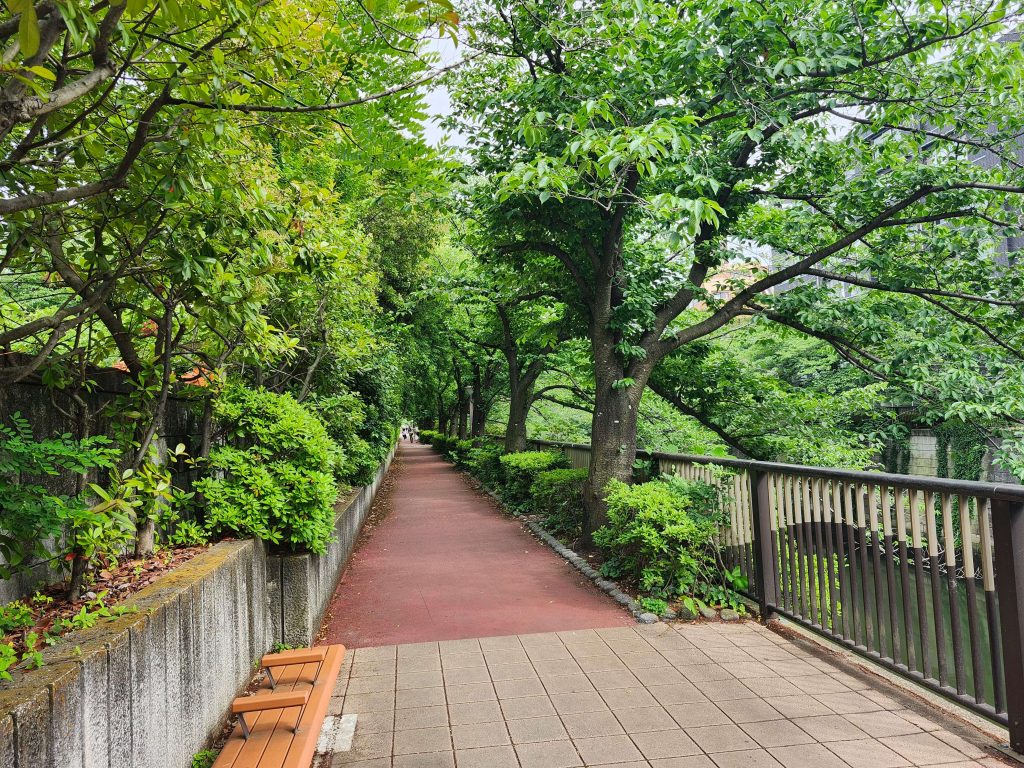
At one end of the Neguro River is the small Sato Sakura Museum. It has three floors showcasing local artists.
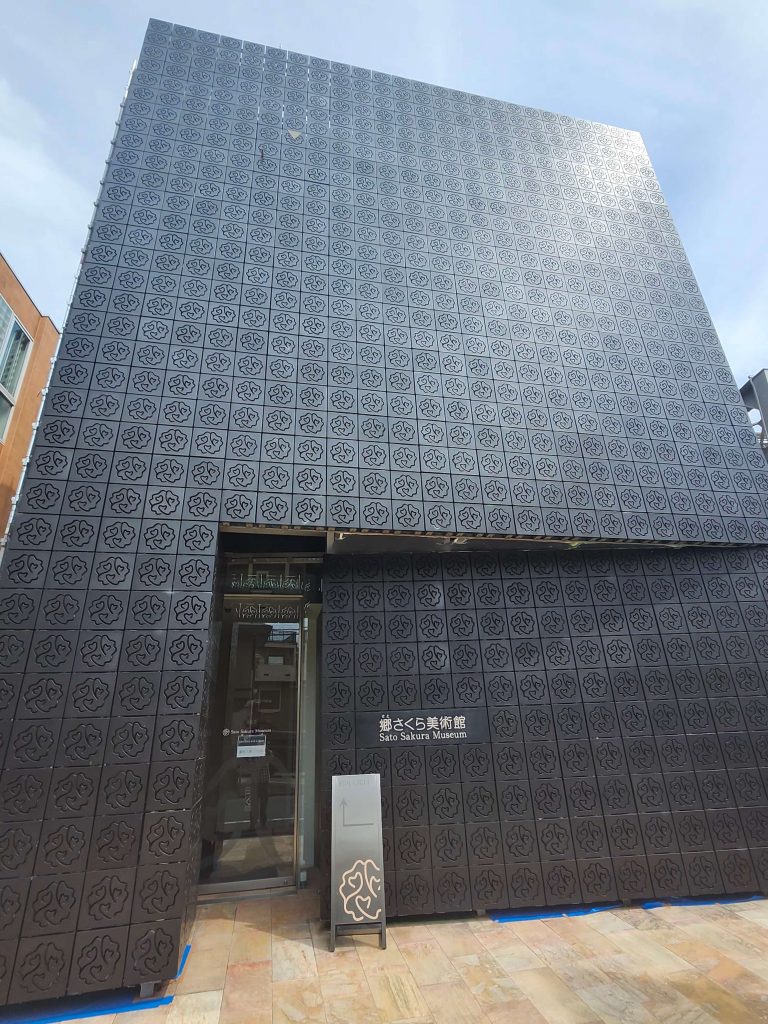
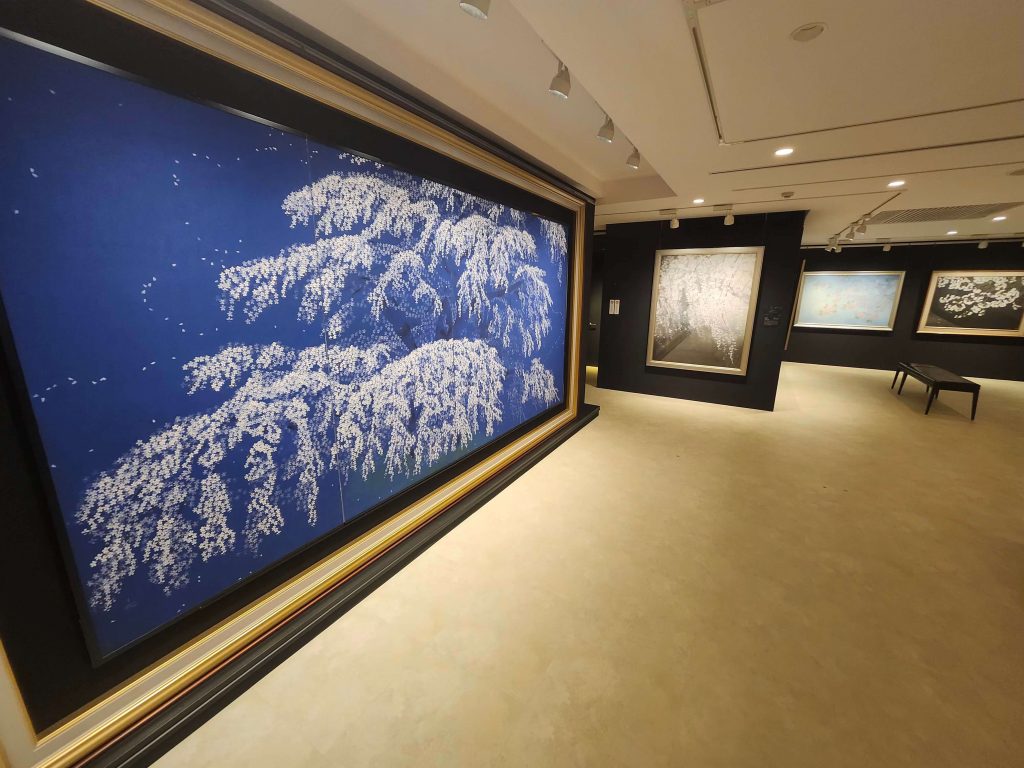
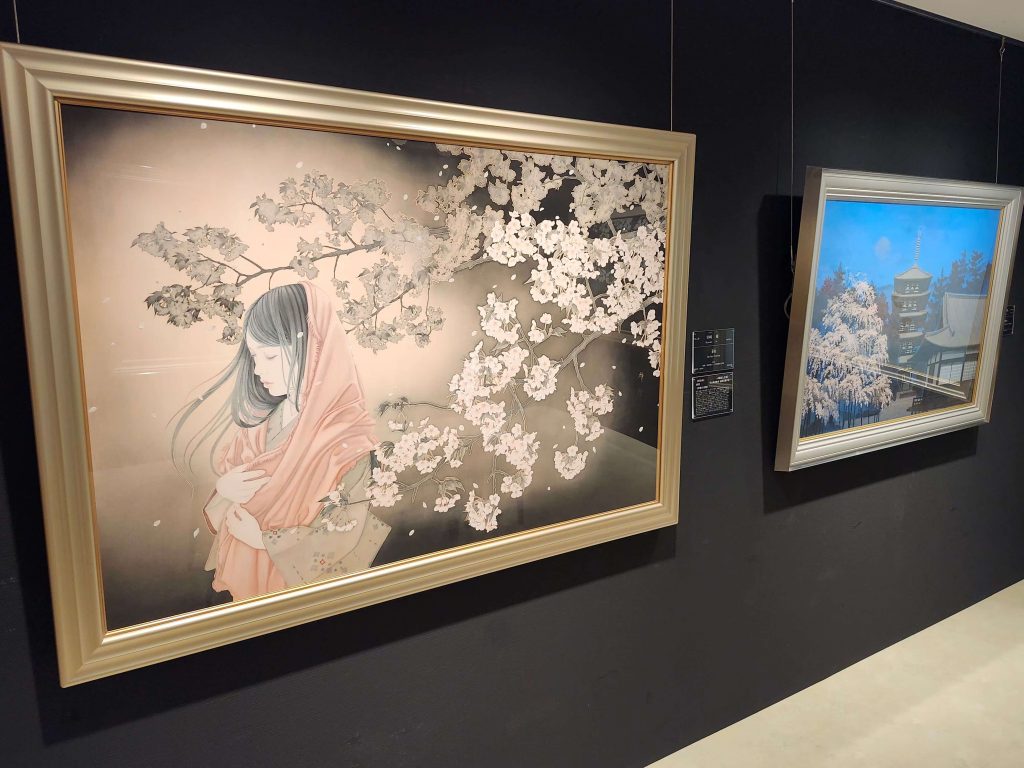
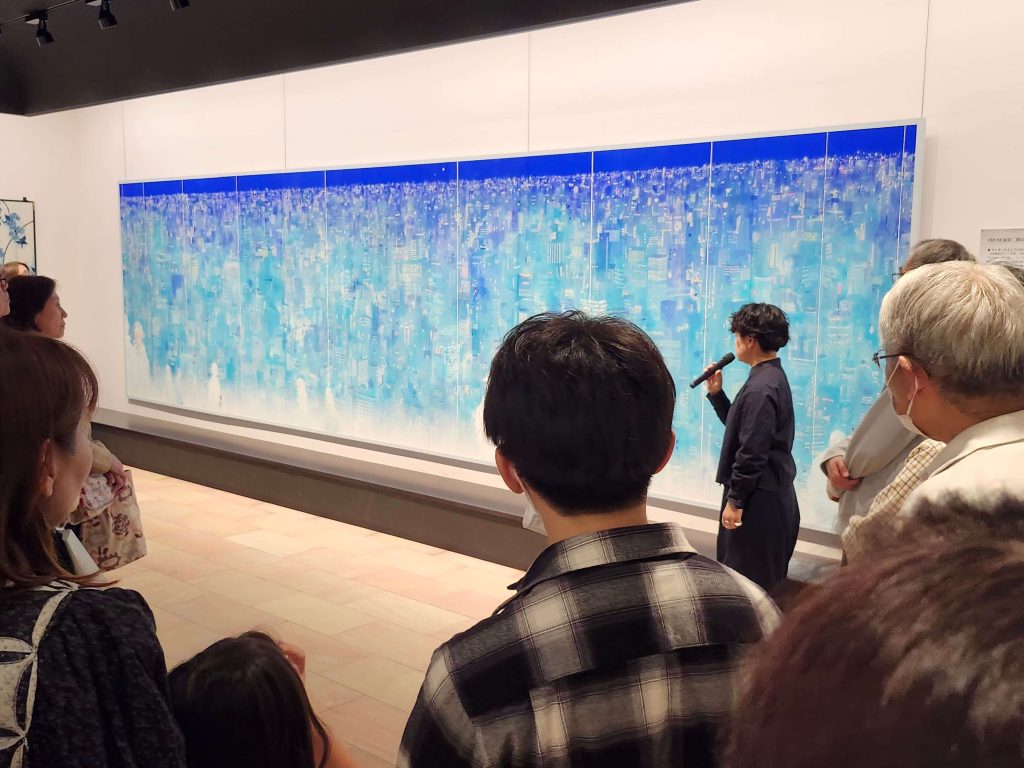
On the first floor some of the artists were discussing their work. Since I don’t speak Japanese, I just took this picture and snuck out 🙂
Tokyo City View
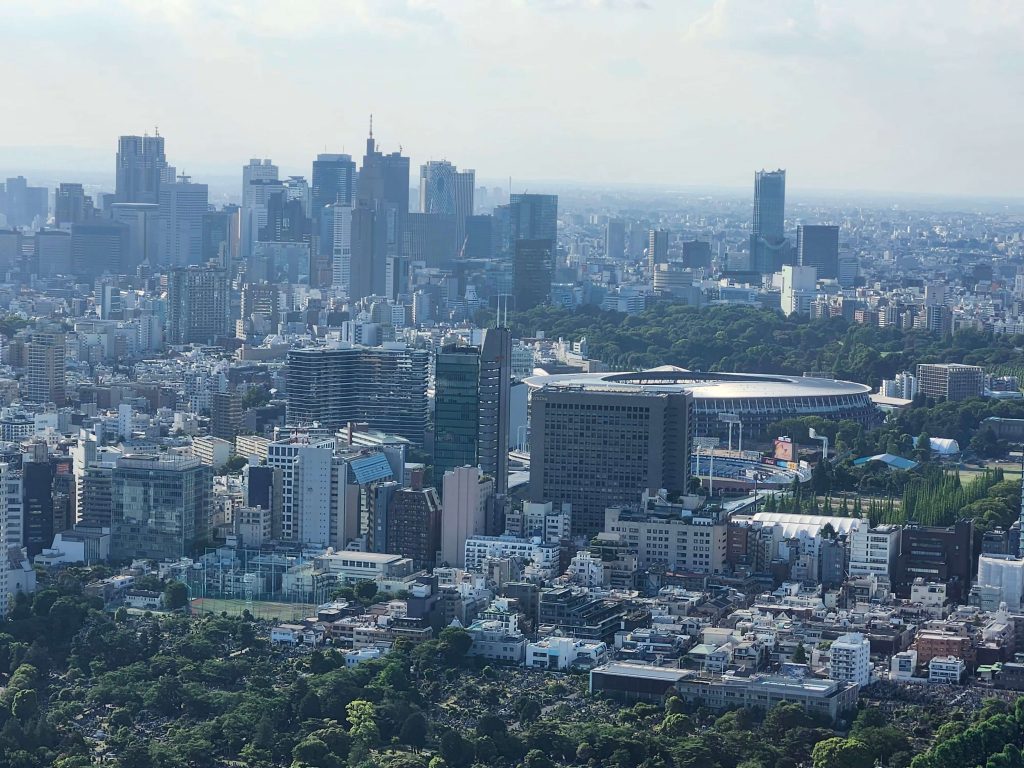
On the 52nd floor of the Mori Building is a wonderful 360 degree observation area.
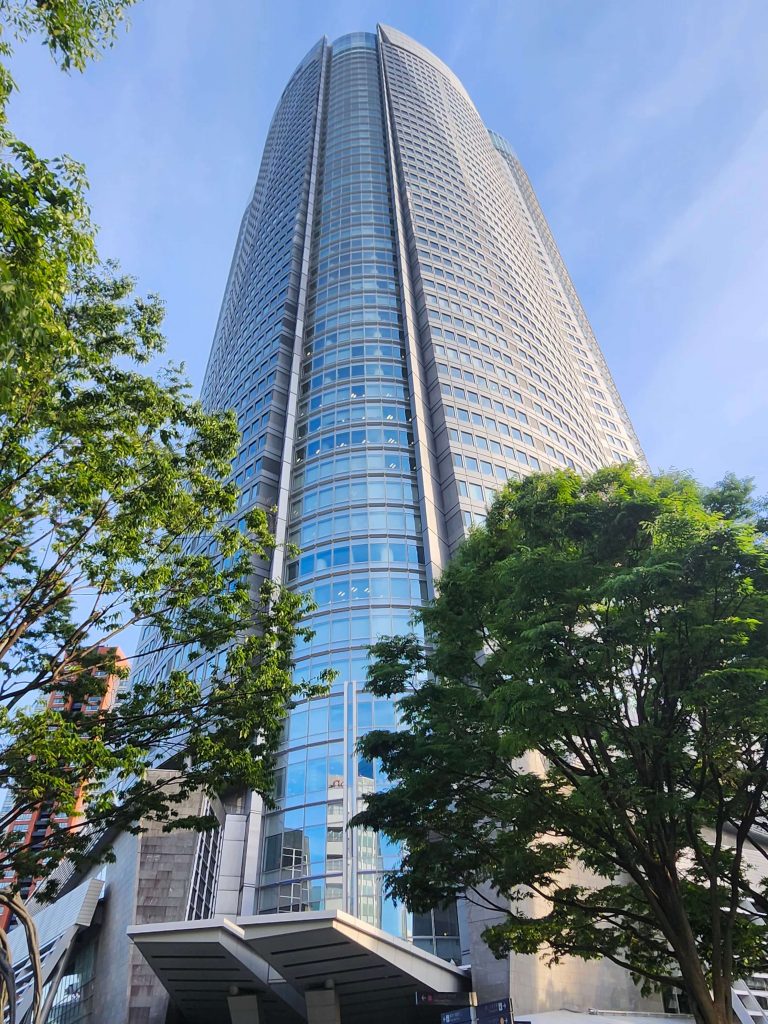
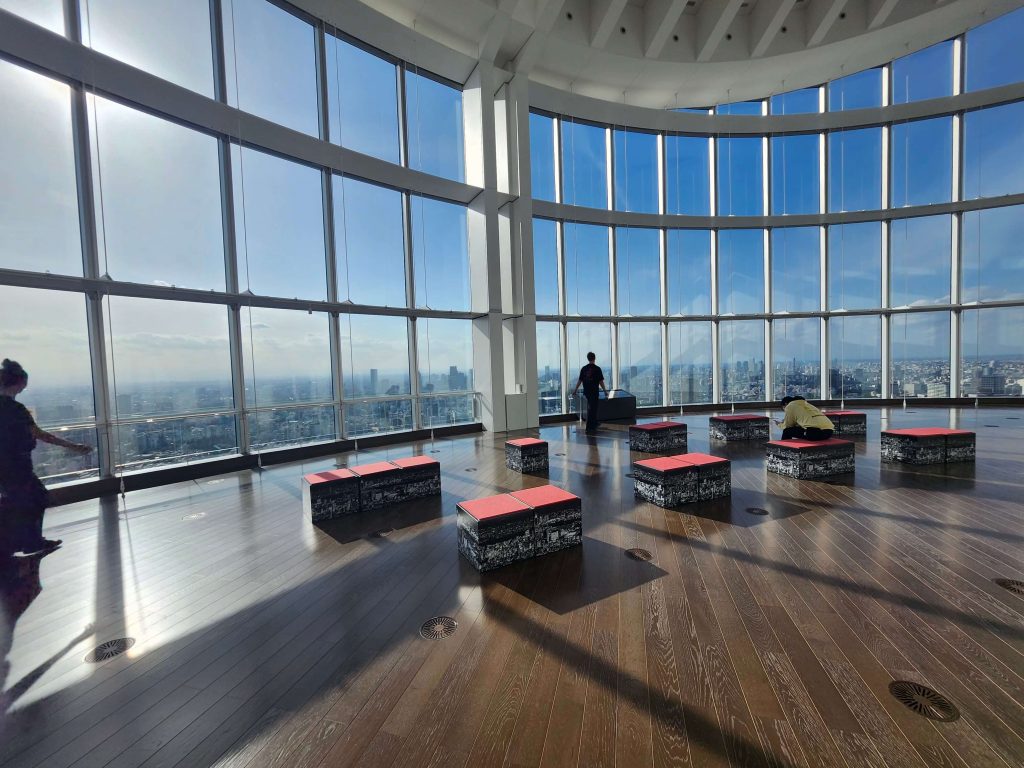
It provides a great view of the Tokyo urban sprawl.
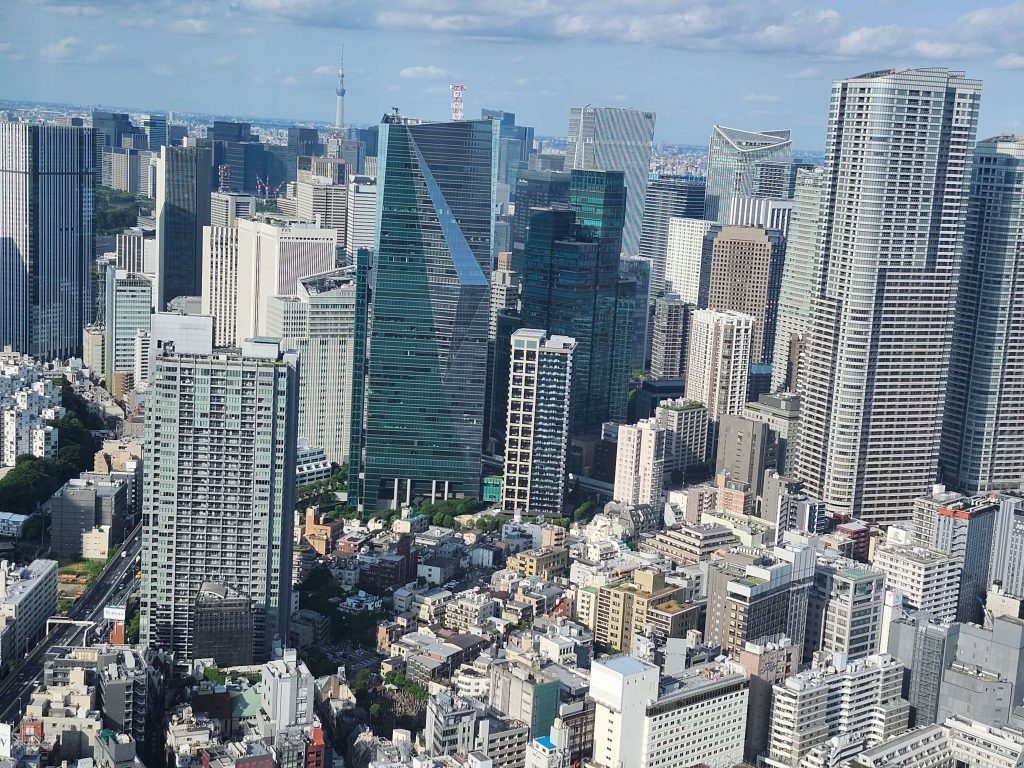
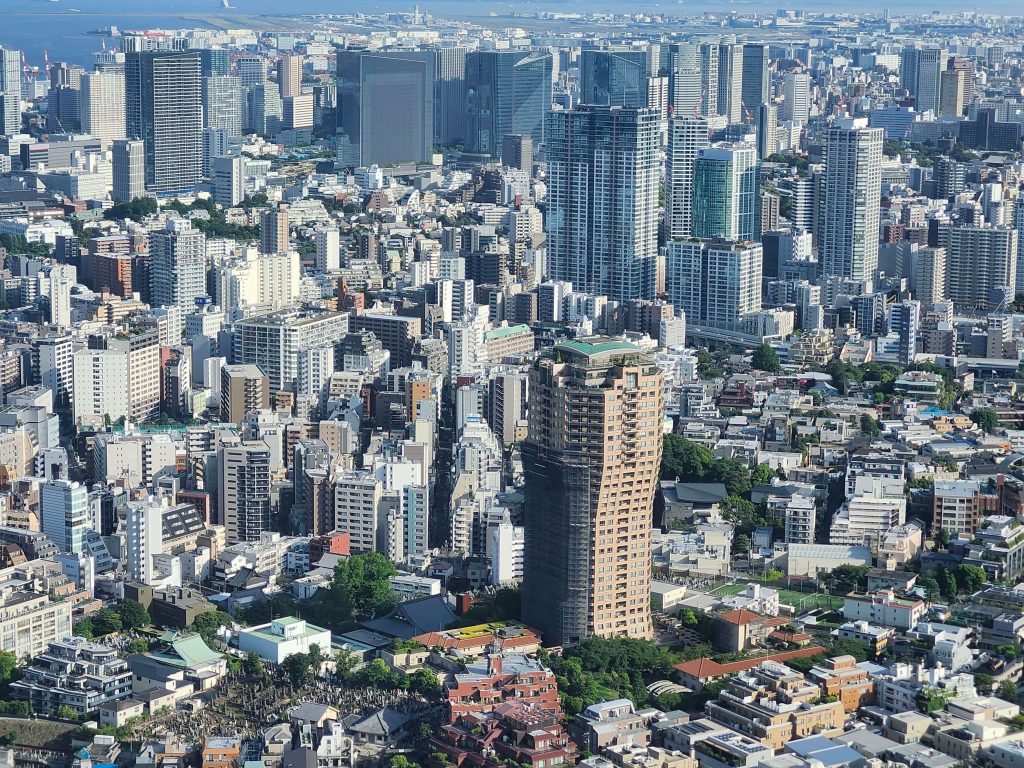
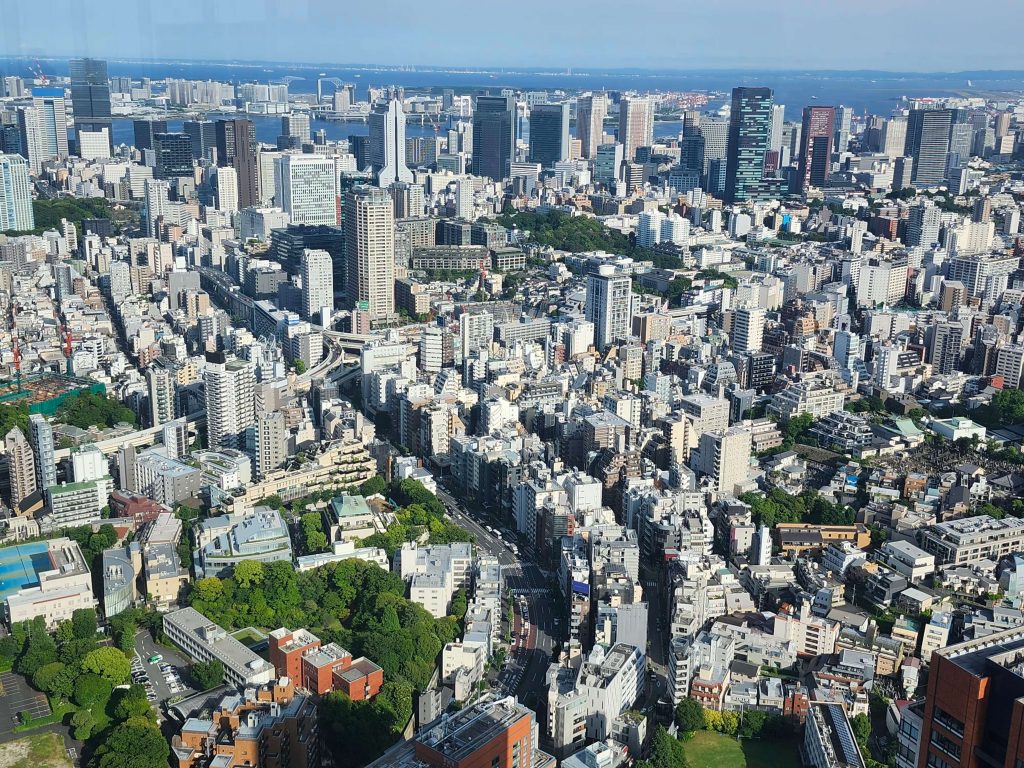
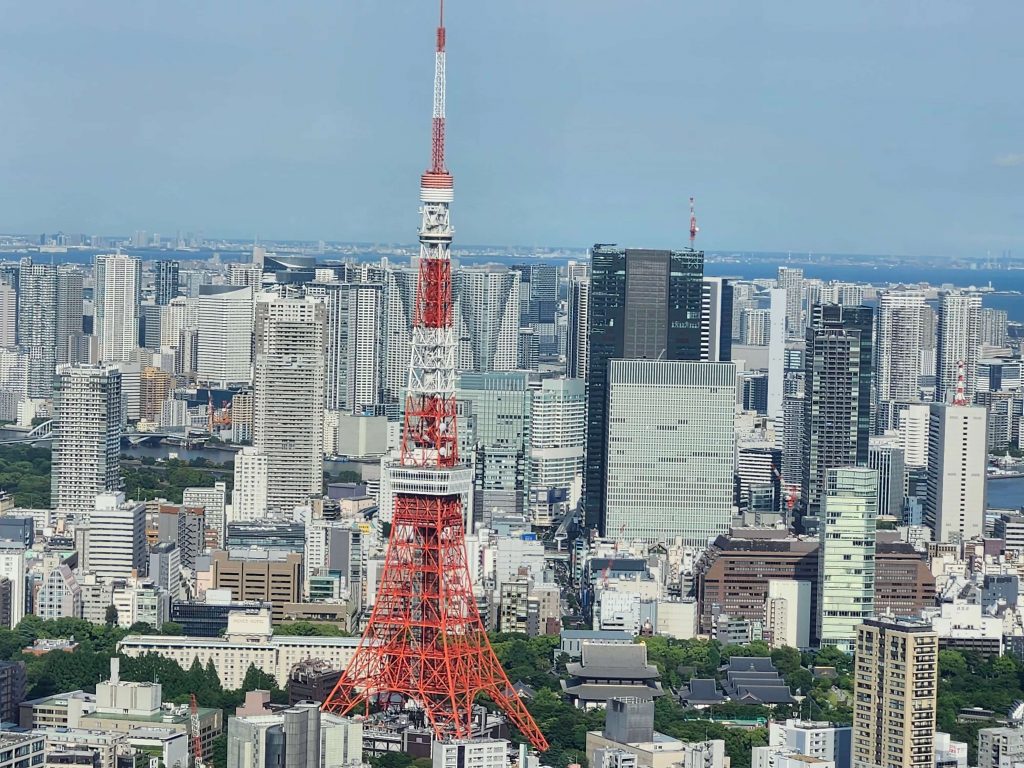
Including a nice shot of the Tokyo Tower next to the Zojoji Temple.
There is also the small Mori Art Museum next to the obversation area.
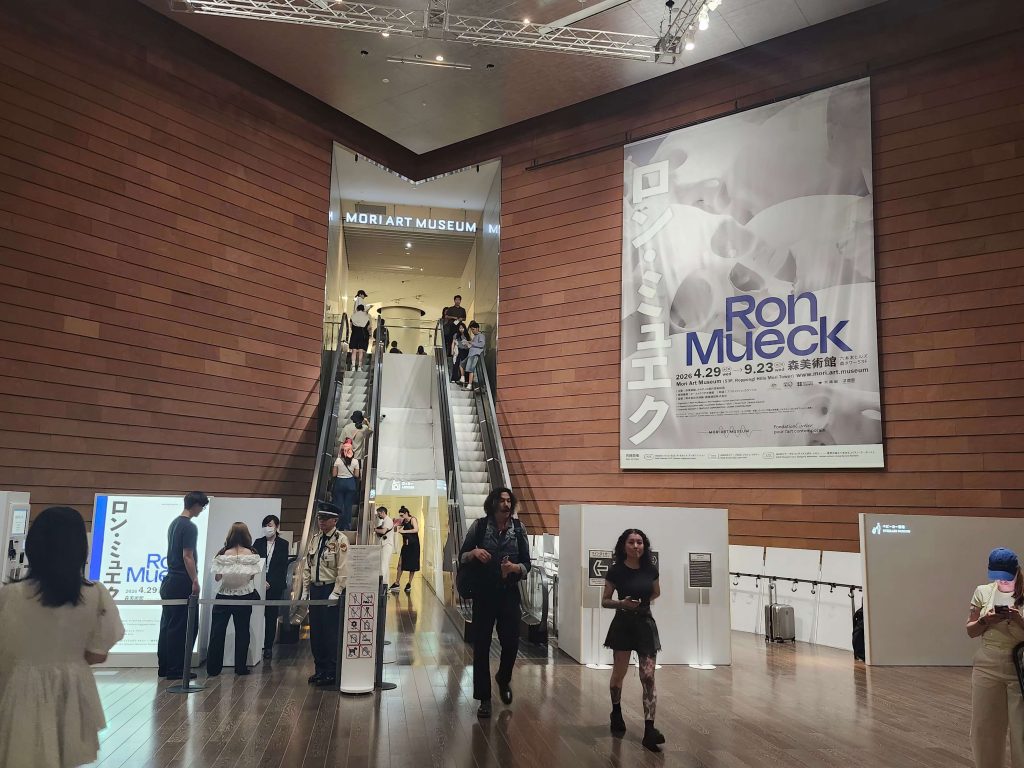
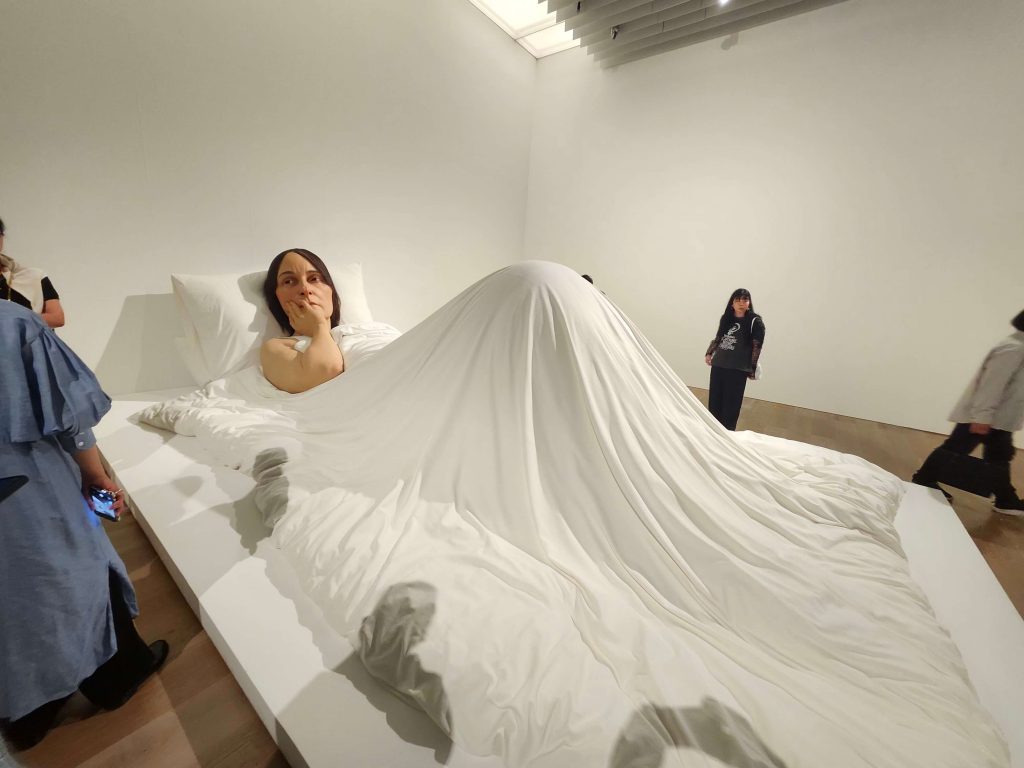
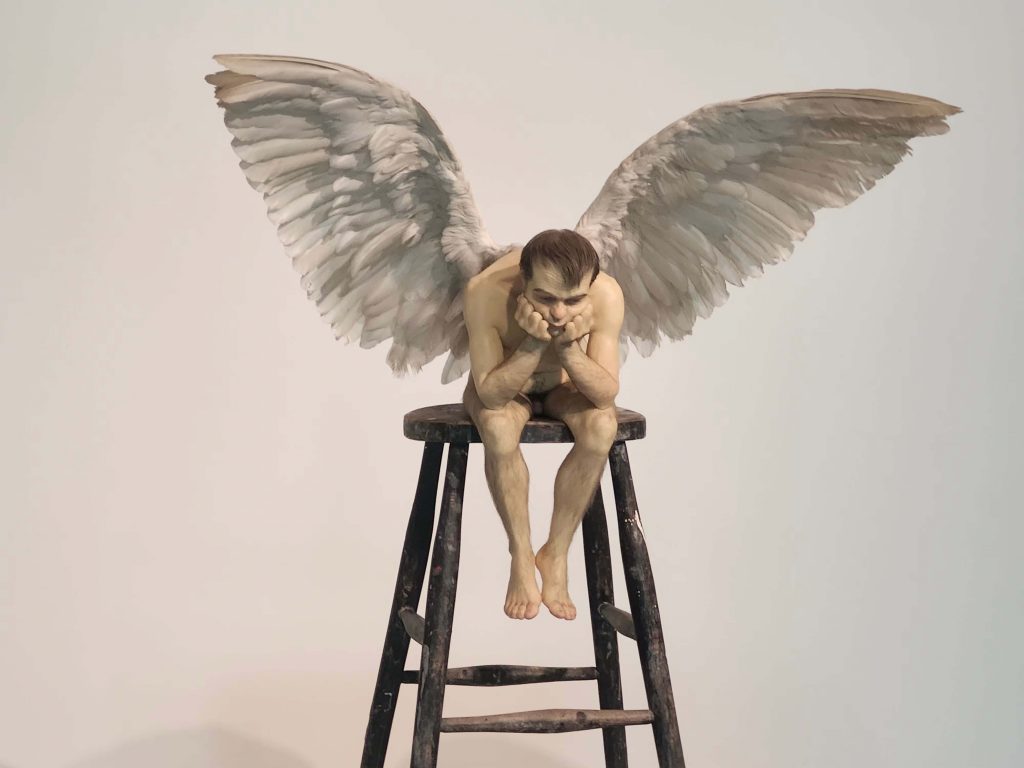
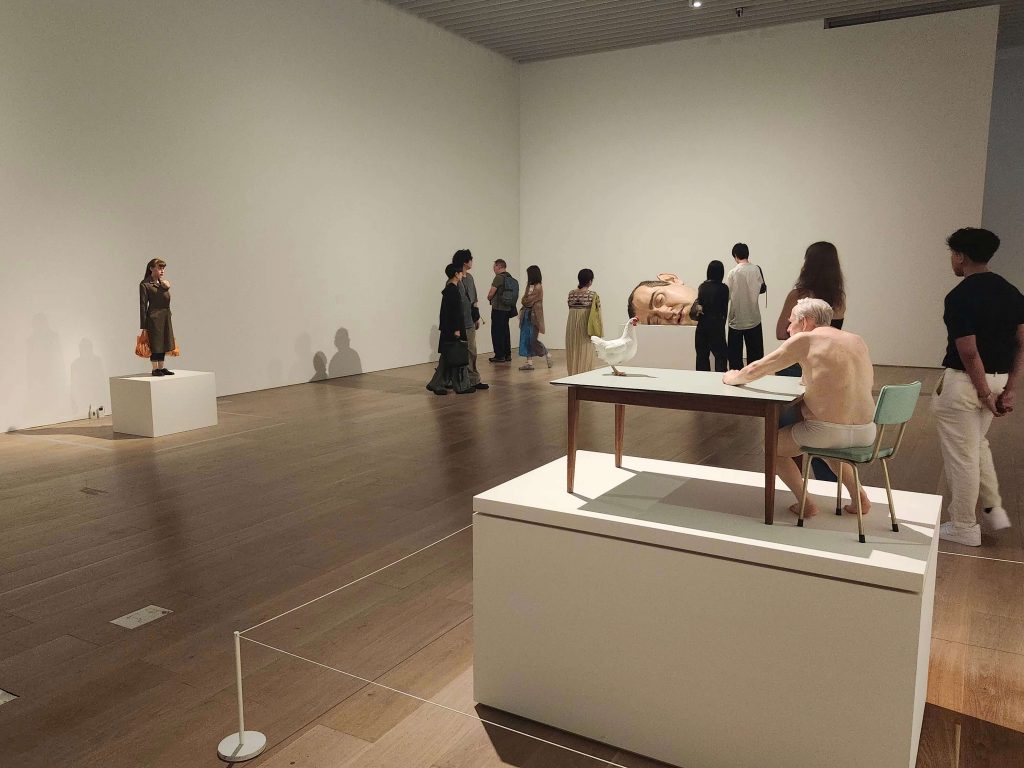
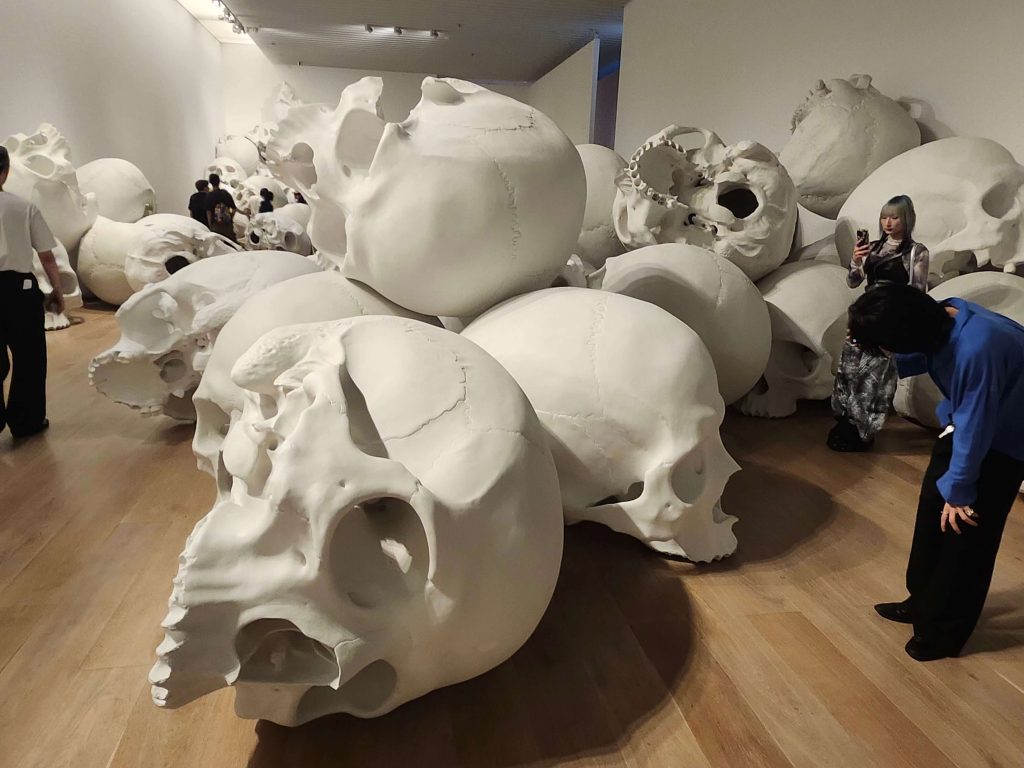
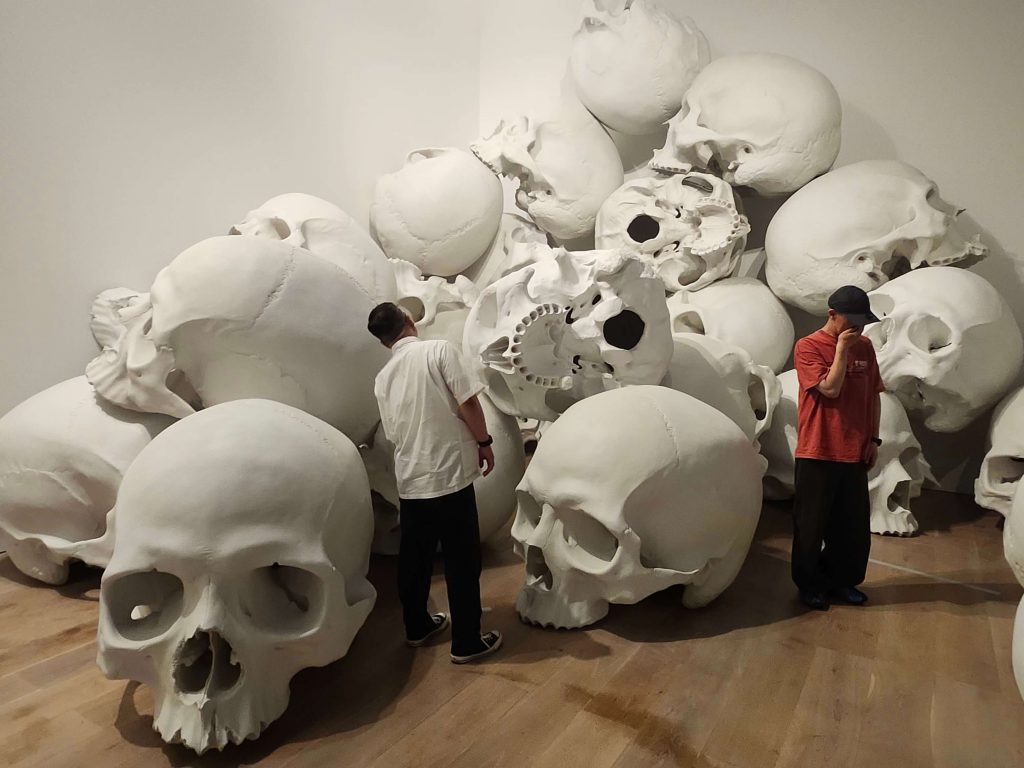
There was a show by Australian sculptor Ron Mueck that had some very unique pieces. Who wouldn’t want to wander around a large woman in a bed?
Or a man trying to figure why he has wings?
Or a diorama of an old man in his underwer staring at a chicken, a lady with a baby’s head coming out of her top, and a head all on its own?
And who could pass up walking through a room with a plethora of large skulls?
Meguro Sky Garden
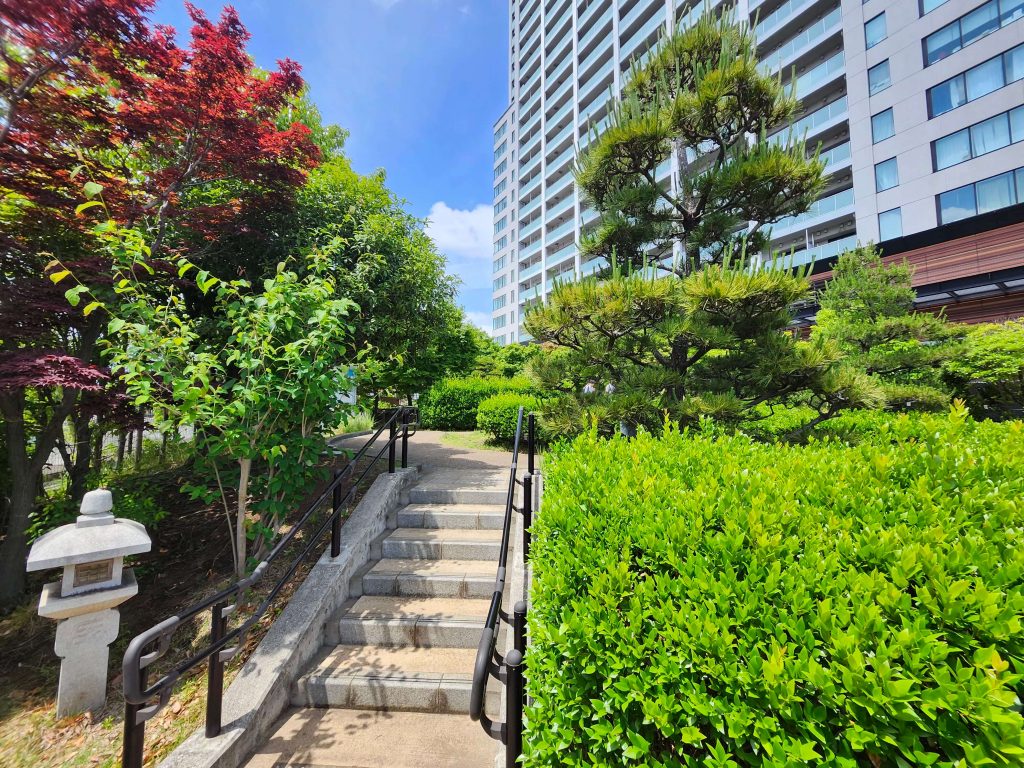
When you have a constant urban diet of this…
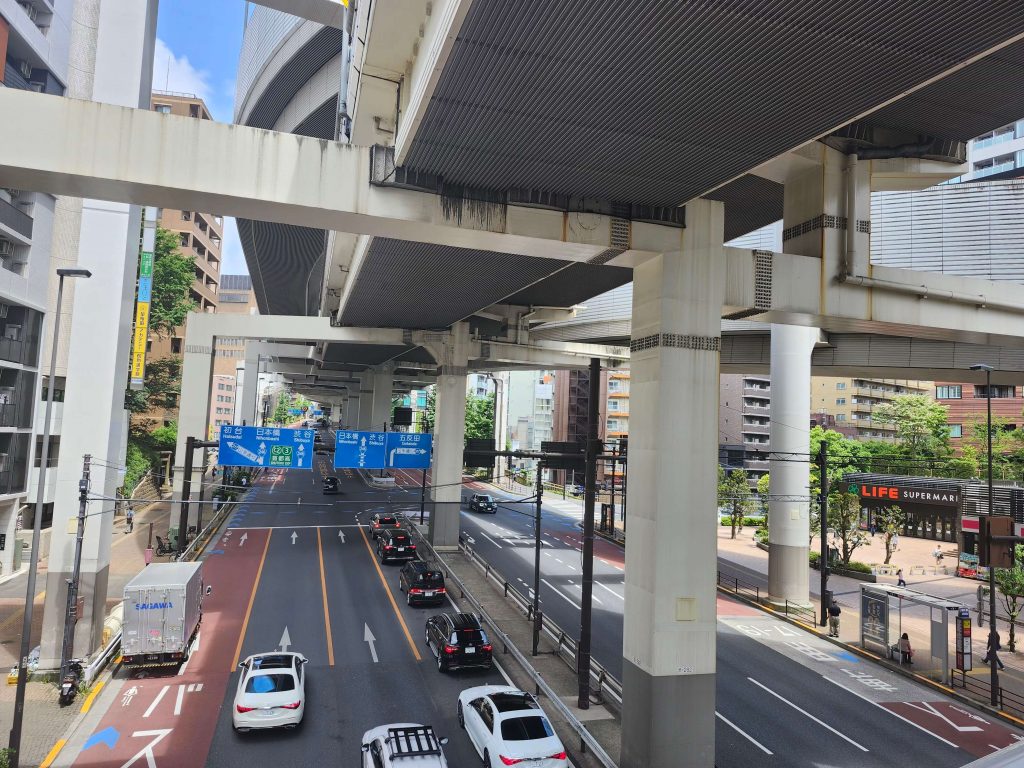
…you need something like the Meguro Sky Garden. It provides a nice respite at the top of a nine story office building.
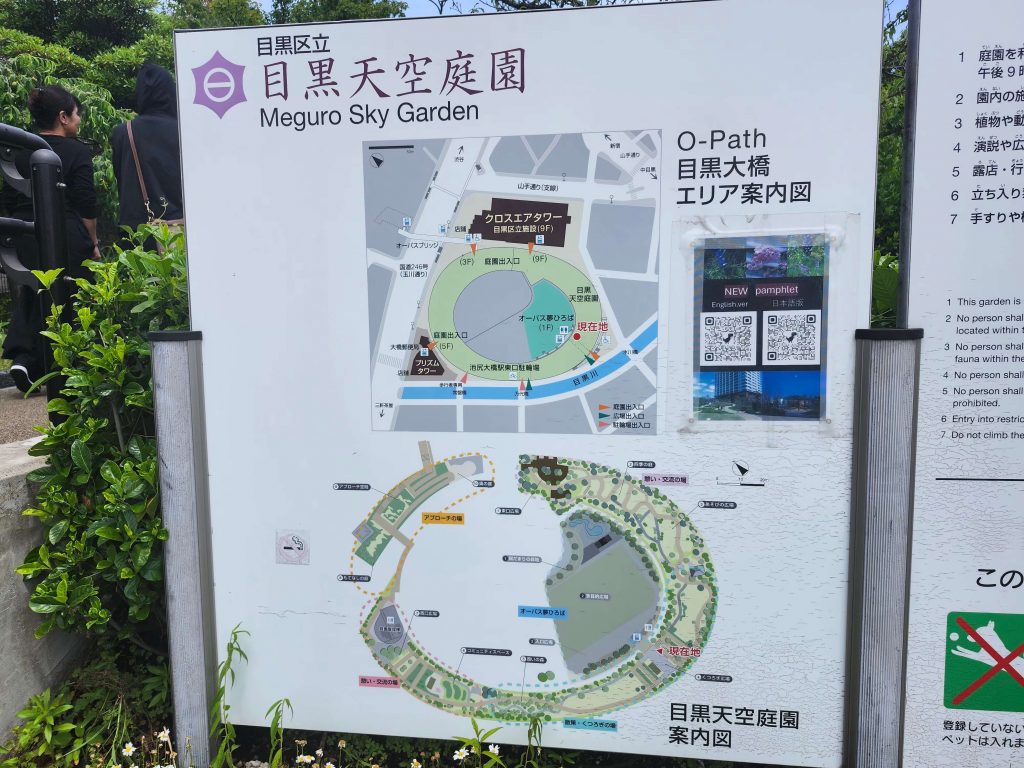
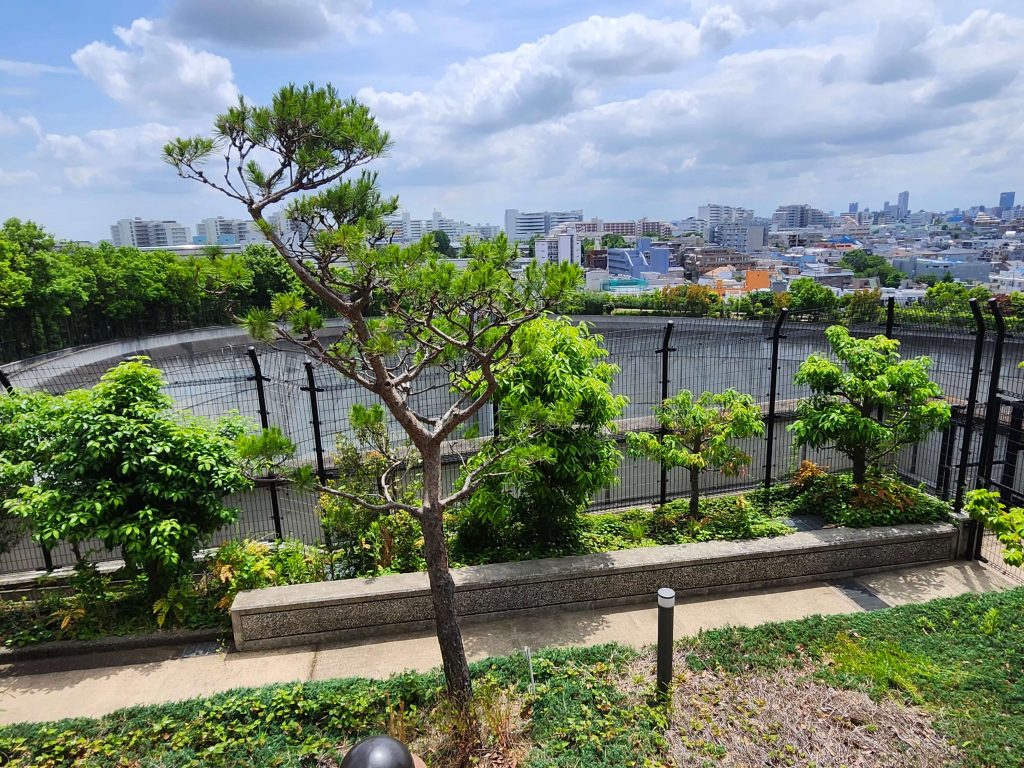
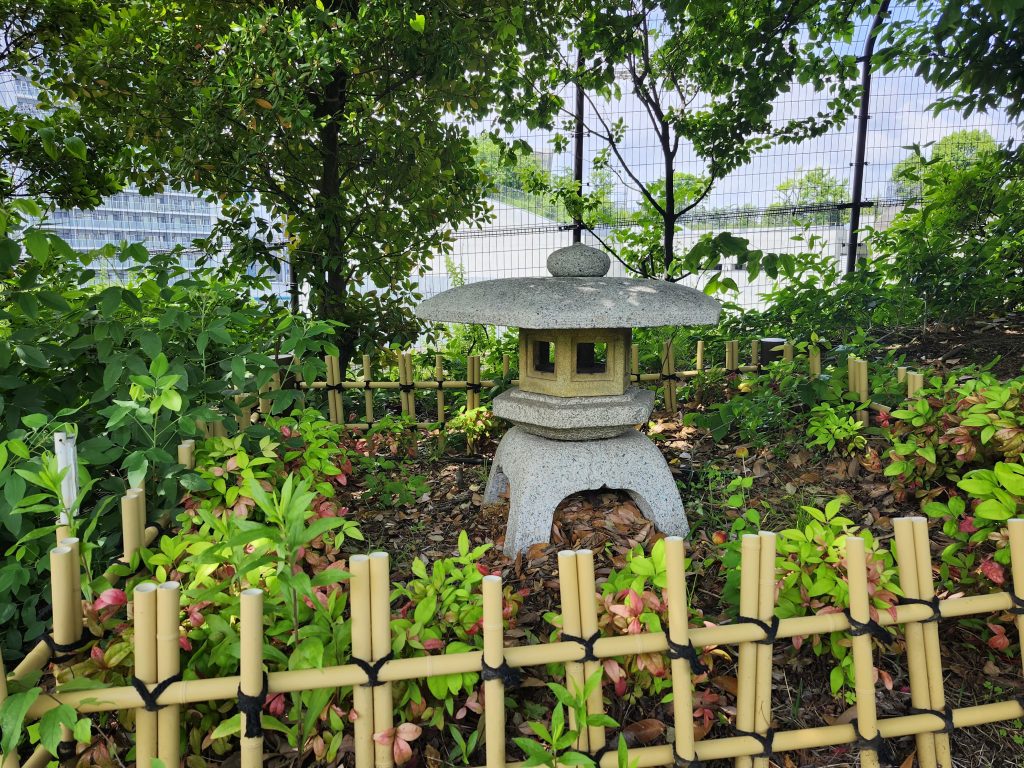
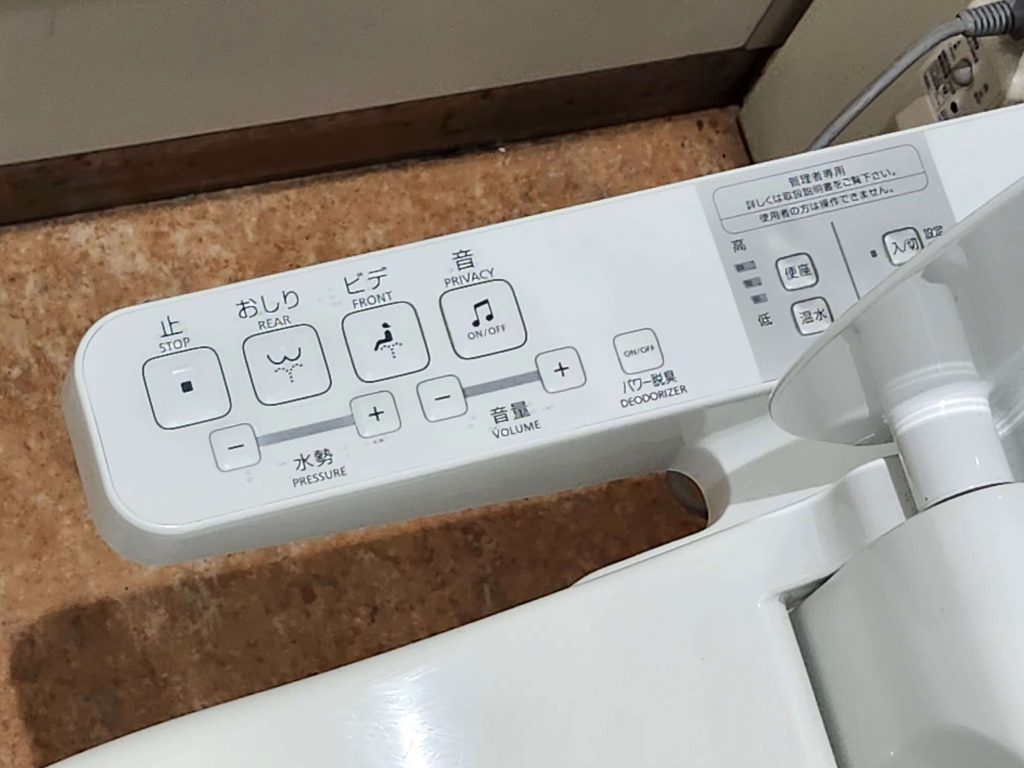
The wonderful thing about Tokyo is that even the public toilets have rockstar bidet functionality.
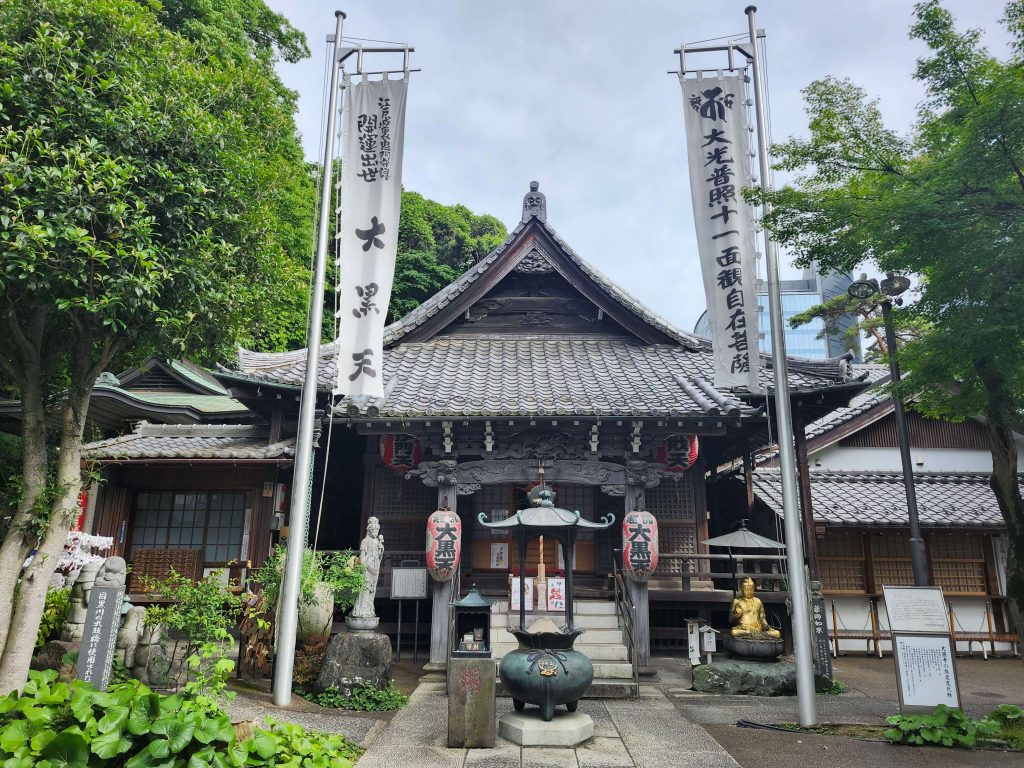
Daien Temple
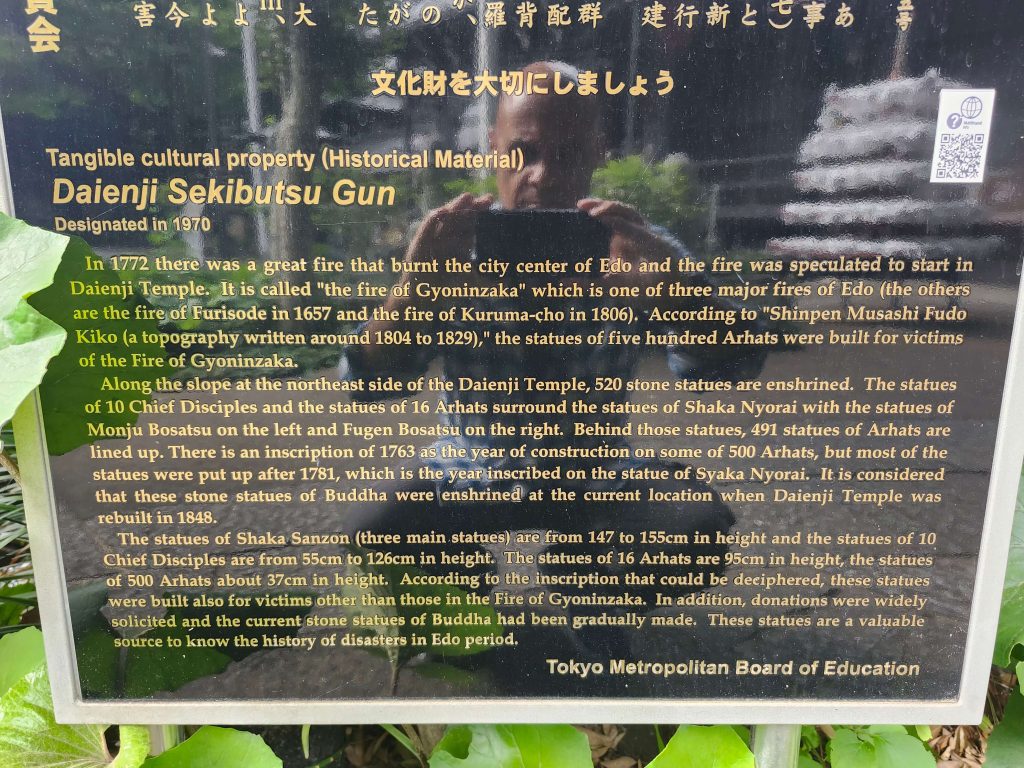
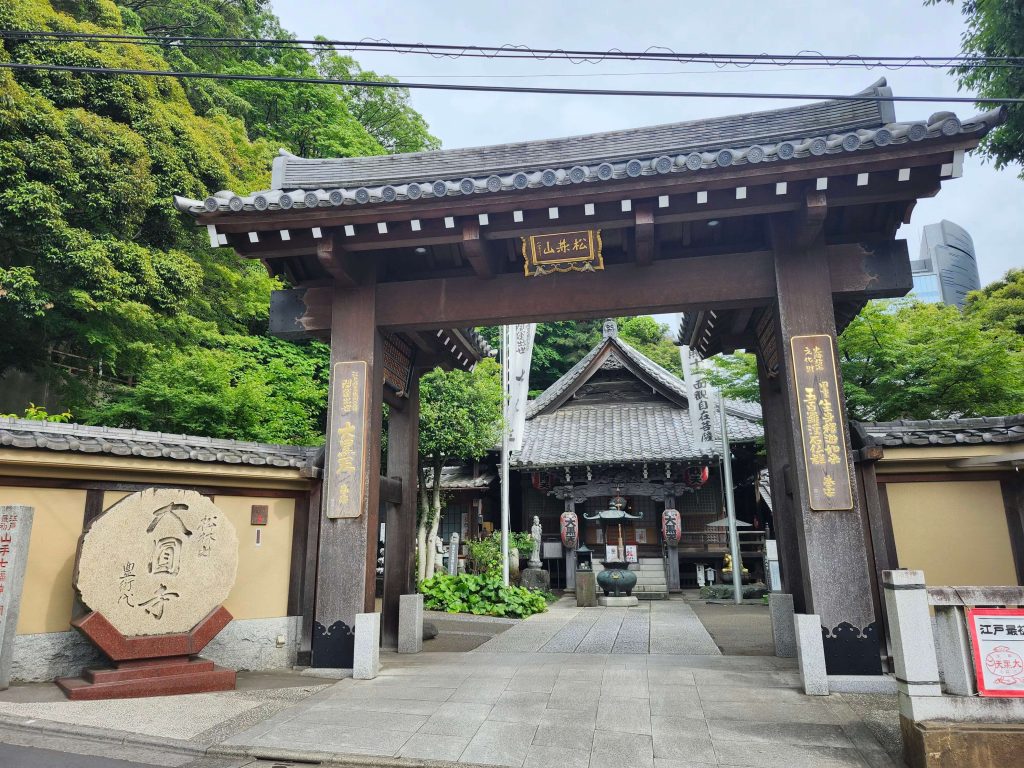
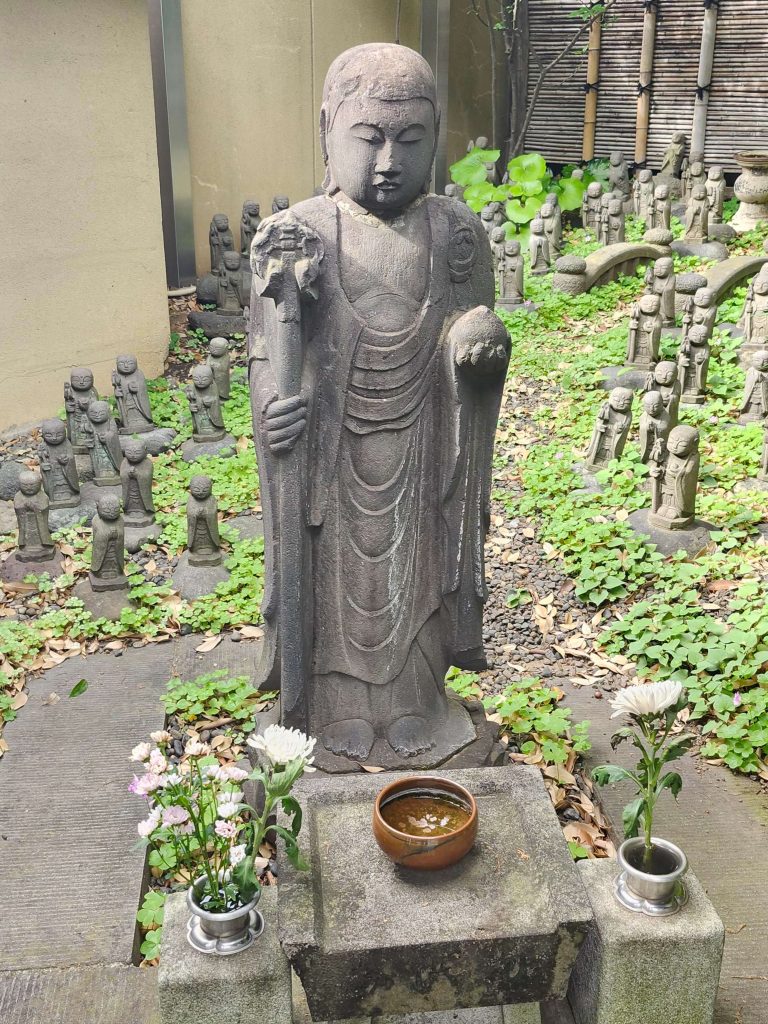
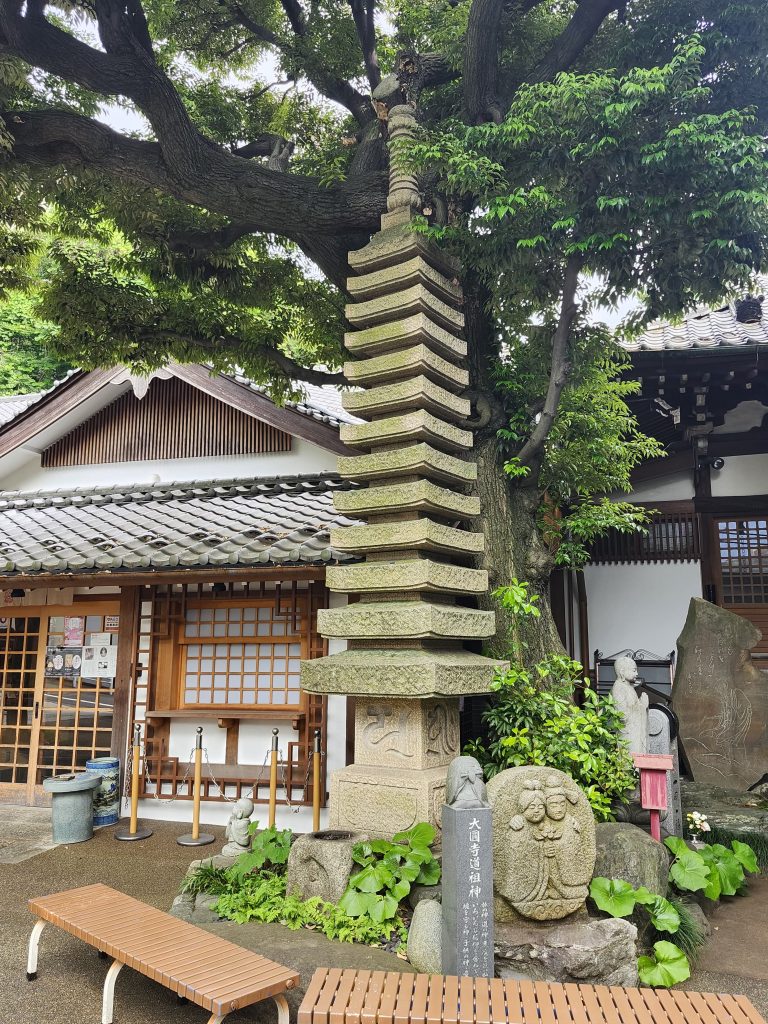
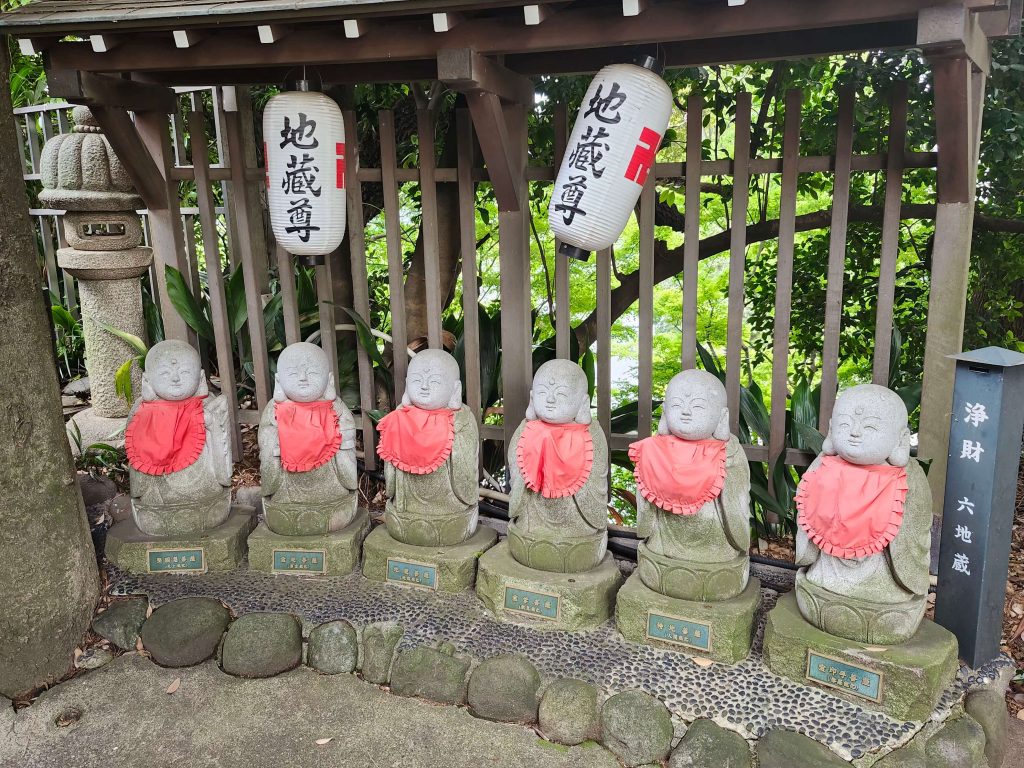
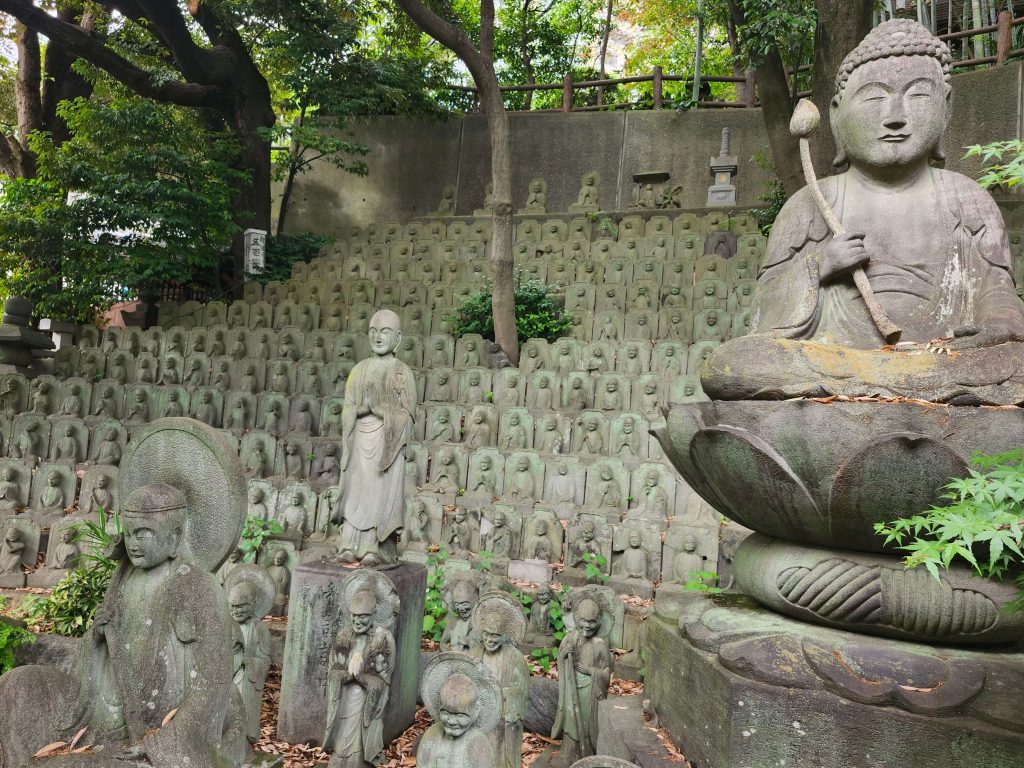
As I was finishing my long walk along the Meguro River I got a bit lost trying to get to the Meguro metro station and stumbled on this wonderful little temple compound. It turns out it has a very interesting history as detailed on the plaque below.
It was a wonderful, peaceful place.
Kiyosumi Gardens
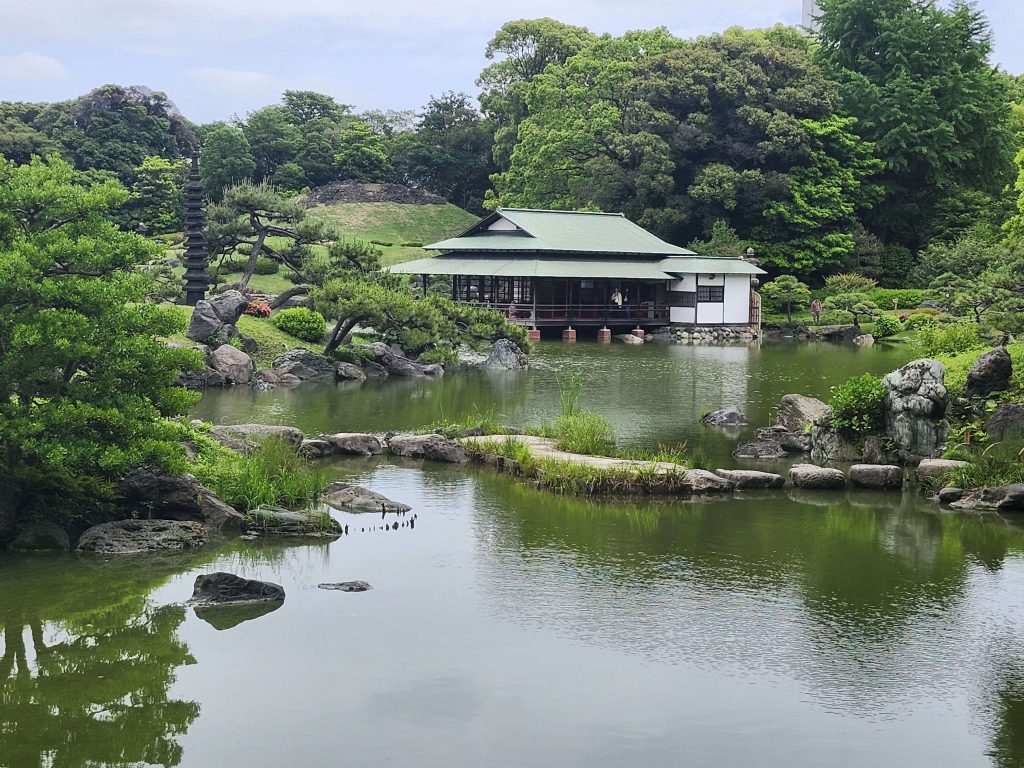
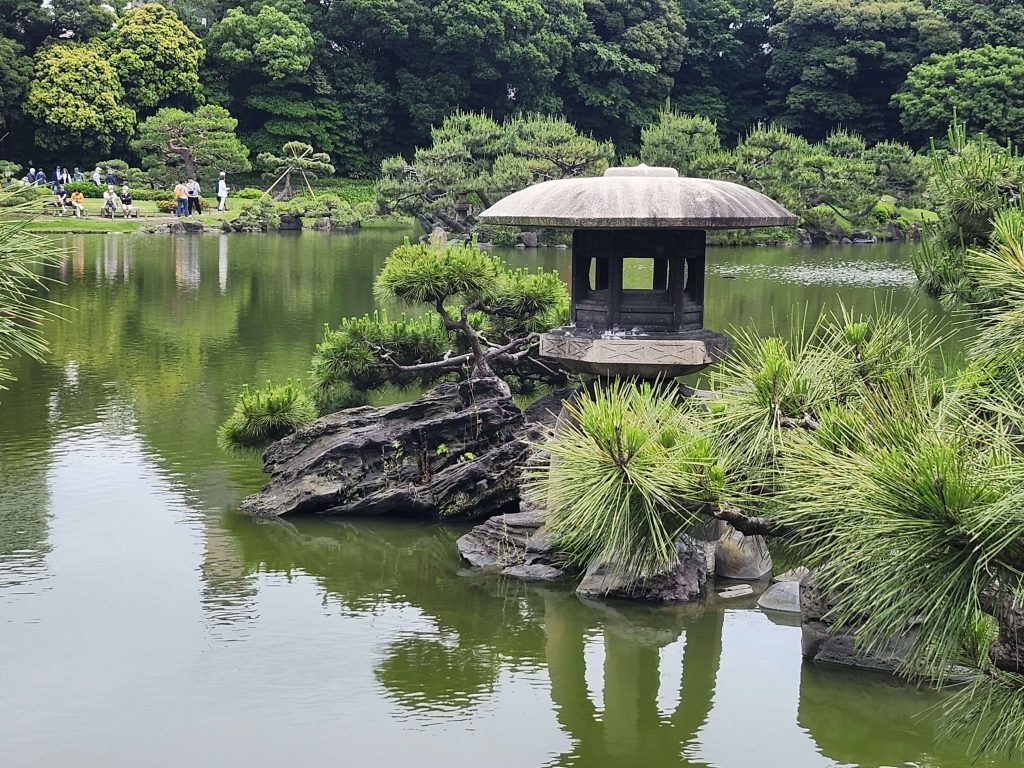
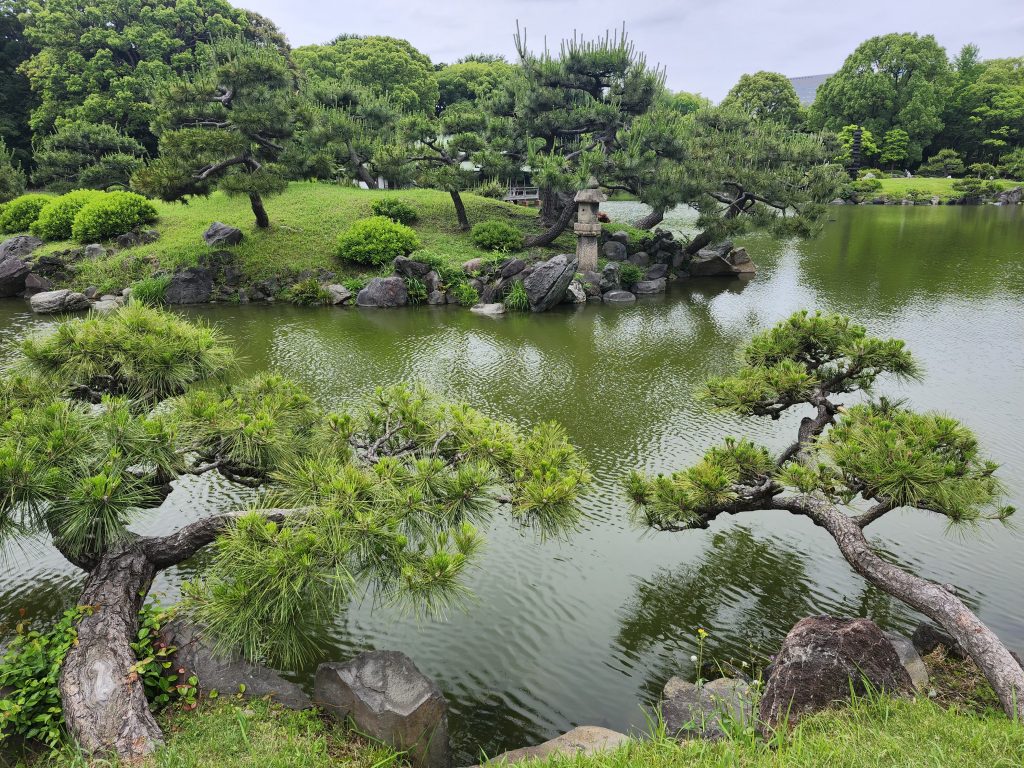
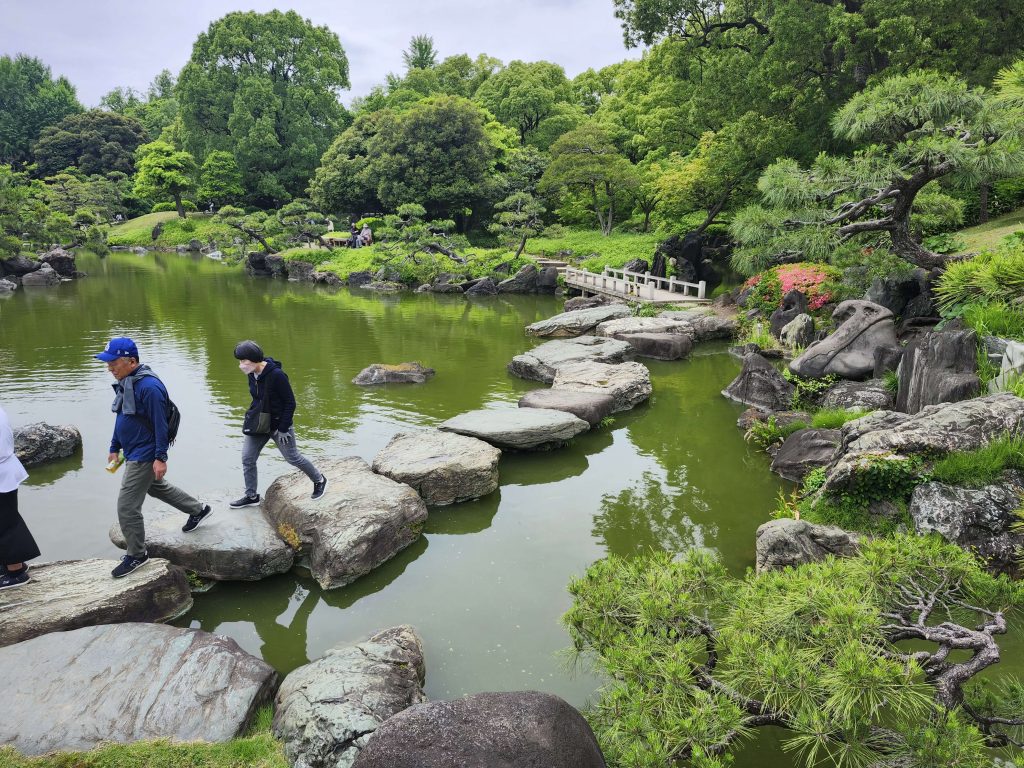
From Wikipedia: “Kiyosumi Garden is a perfect example of a Meiji-style strolling garden, and once belonged to the Iwasaki family, famous for founding Mitsubishi Corporation. The focal point is the pond, which is surrounded by carefully sculpted hills and graced with stones brought in from across Japan. Stepping-stone paths across the pond add to the feeling of being in an oversized rock garden.”
All these gardens are one of the things that provides a nice sense of perspective within the overall urban Tokyo megacity.
Fukagawa Edo Museum
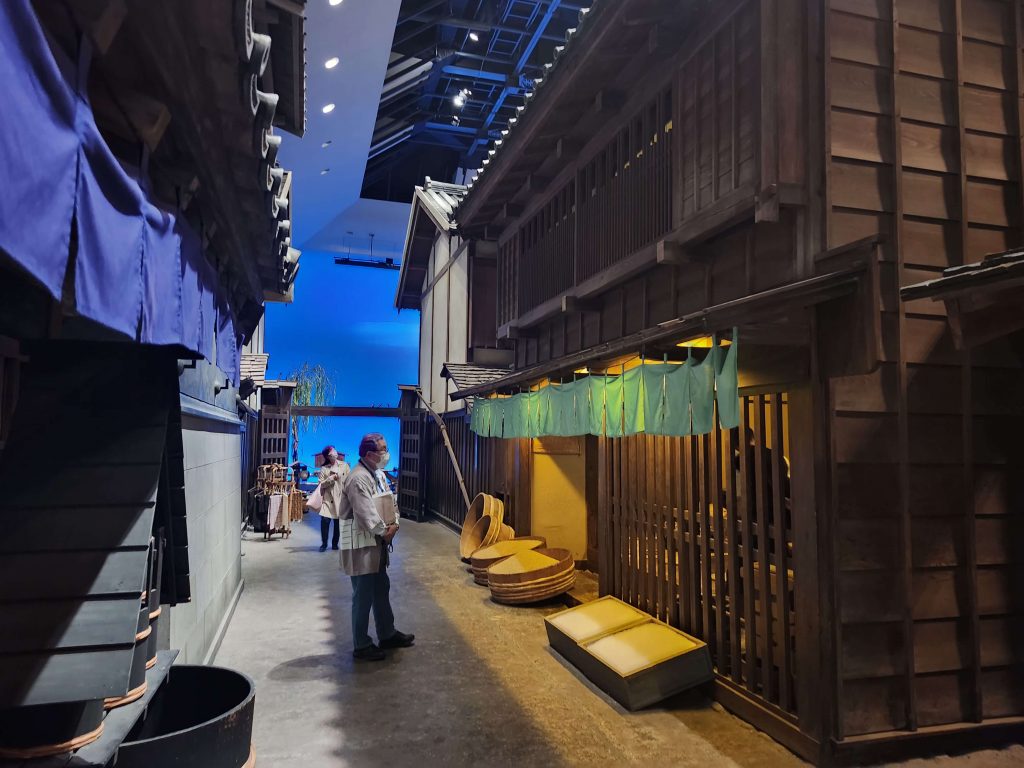
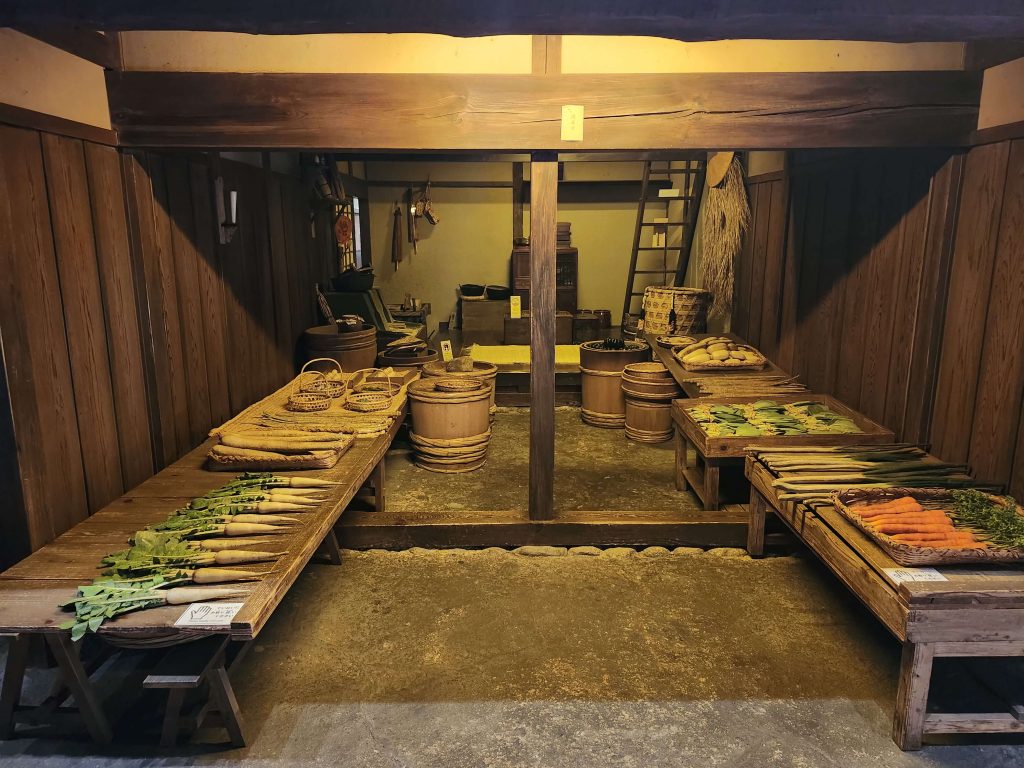
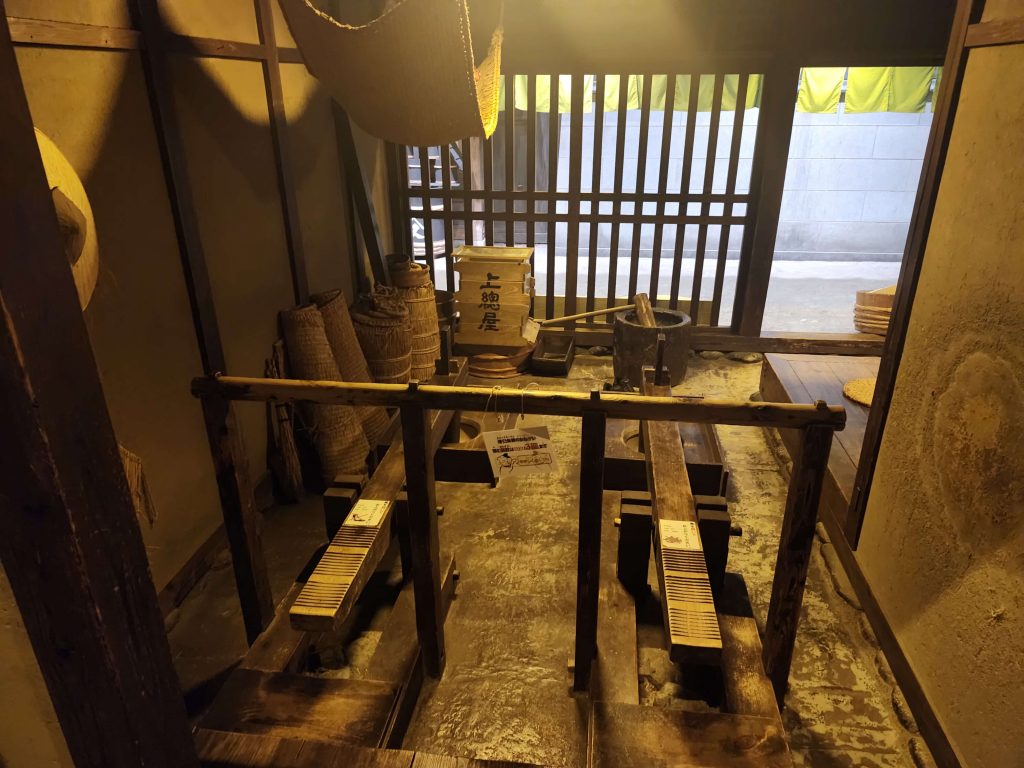
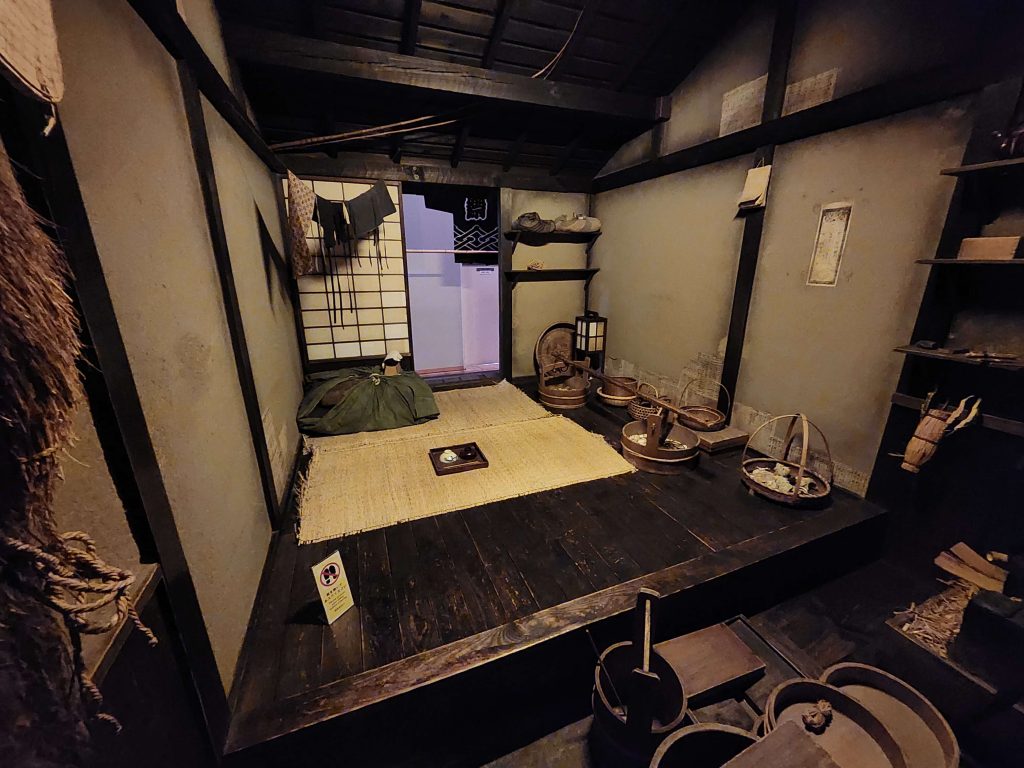
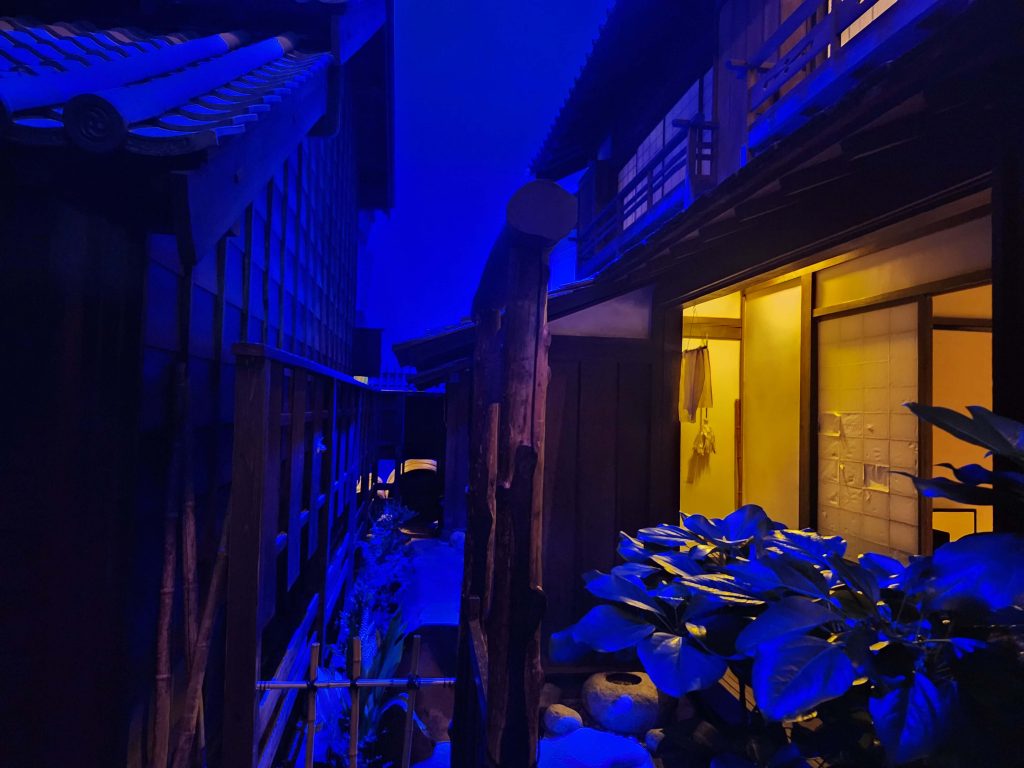
The general description of another nice place to visit in Tokyo: “The Fukagawa Edo Museum consists of a large, covered, life-size replica of a Tokyo shitamachi neighborhood from around 1840, near the end of the Tokugawa period. It includes 11 buildings: houses, shops, a theater, a boathouse, a tavern, and a fire tower, all built using traditional techniques. Visitors can walk down the streets and enter the shops and houses. The lighting varies over time, to reproduce different times of day.”
A Laundry All My Own
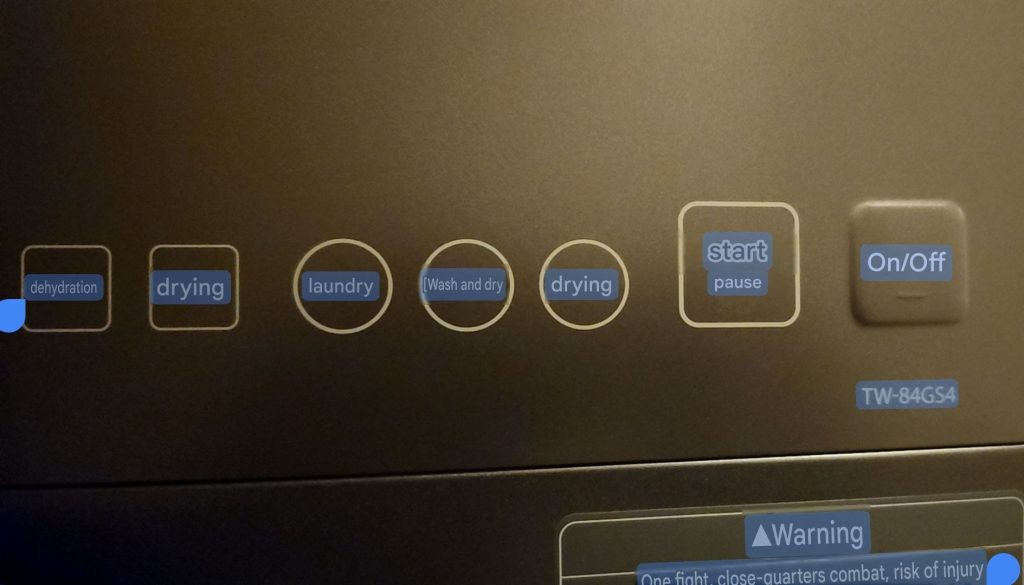
One of the nicest surprises of my trip was a full washer/dryer unit in my hotel room. Unfortunately, the dials were all in Japanese.
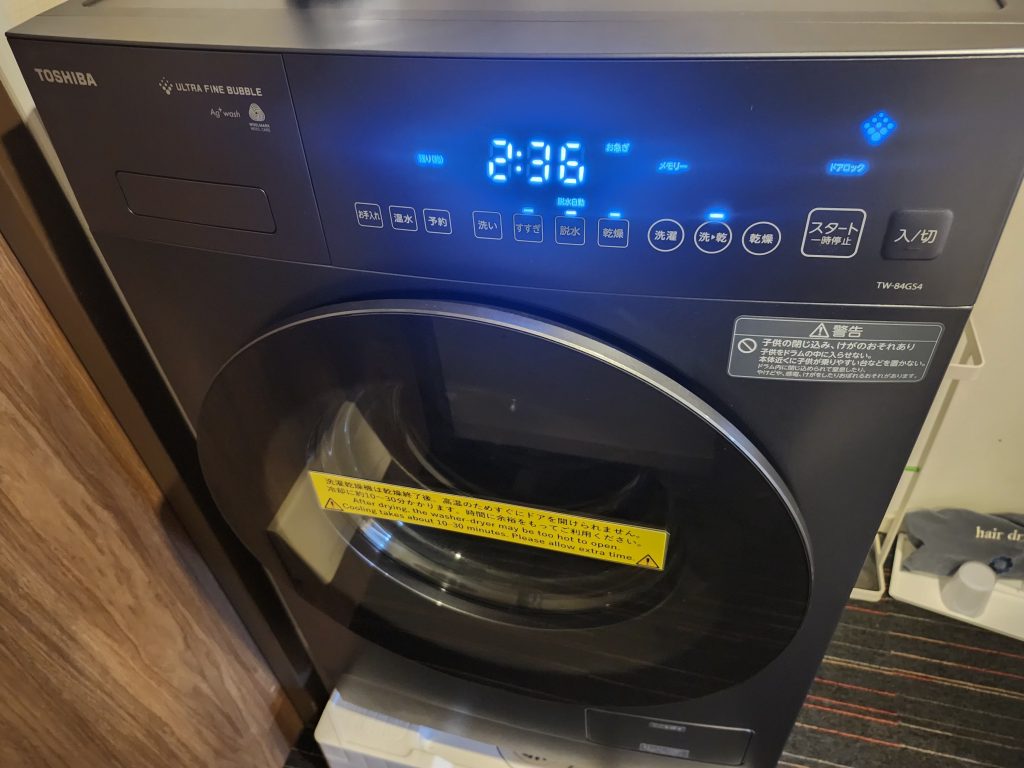
Fortunately, taking a picture through Google Translate made the process really easy. Three hours later I had a clean set of clothes.