
One of the most enjoyable aspects of diving in the Yucatan Peninsula is the ability to do cenote diving. The peninsula is primarily made of limestone which is interspersed with an underground water network. When these underground rivers get close to the surface they form cenotes, which are freshwater pond-type structures of various shapes and sizes. By diving into these cenotes you can get many of the aspects of cave diving without having to go through all the rigorous certification to become a formal cave diver.
Angelita Cenote
Angelita Cenote is one of the most popular cenotes in Mexico. It is a deep, open-shaft sinkhole famous for a surreal underwater hydrogen sulfide cloud at around 30 meters (100 feet) that creates the illusion of an underwater river or a mystical submerged forest complete with drowned trees. With it’s large opening, lush environment and relatively easy access from the main highway it’s popular with snorkelers, divers and free divers.
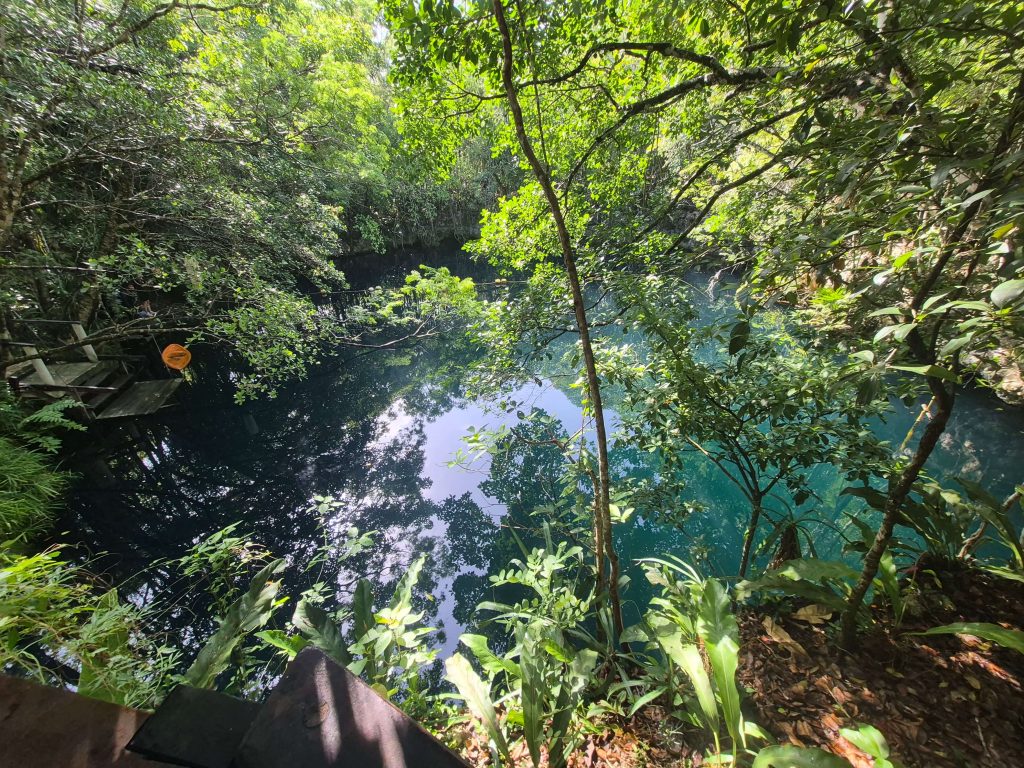
The easily accessed entrance ramp for diving.
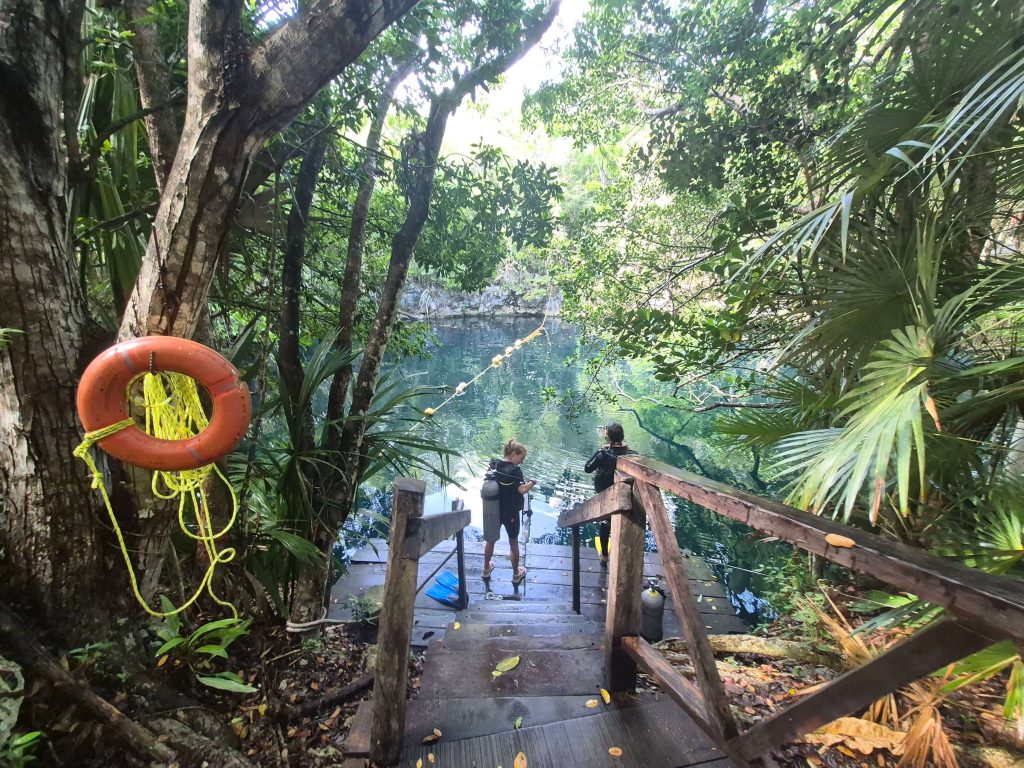
It has a wonderfully eerie feeling as you float over the hydrogen sulfide cloud around a mound of dirt, leaves and tree branches. At first the sun came directly in.
Then the weather quickly became cloudy and things felt a bit more haunted.
To descend into the cloud you need to grab your dive buddy and slowly enter as even your flashlights don’t have much impact in the darkness.
There are a few things to see as you ascend back to the surface, but the continually cloudy weather above the water made everything pretty dim in the water.
Taak Baluum Cenote
Taak Baluum is one of the newer cenotes available for diving. In ancient Mayan it means either “hidden path” or “hidden world”. It does seem like a place to be hidden under ground, away from people. The entrance is a relatively small opening in the jungle that now has a relatively easy series of wooden steps to descend into the cenote area.
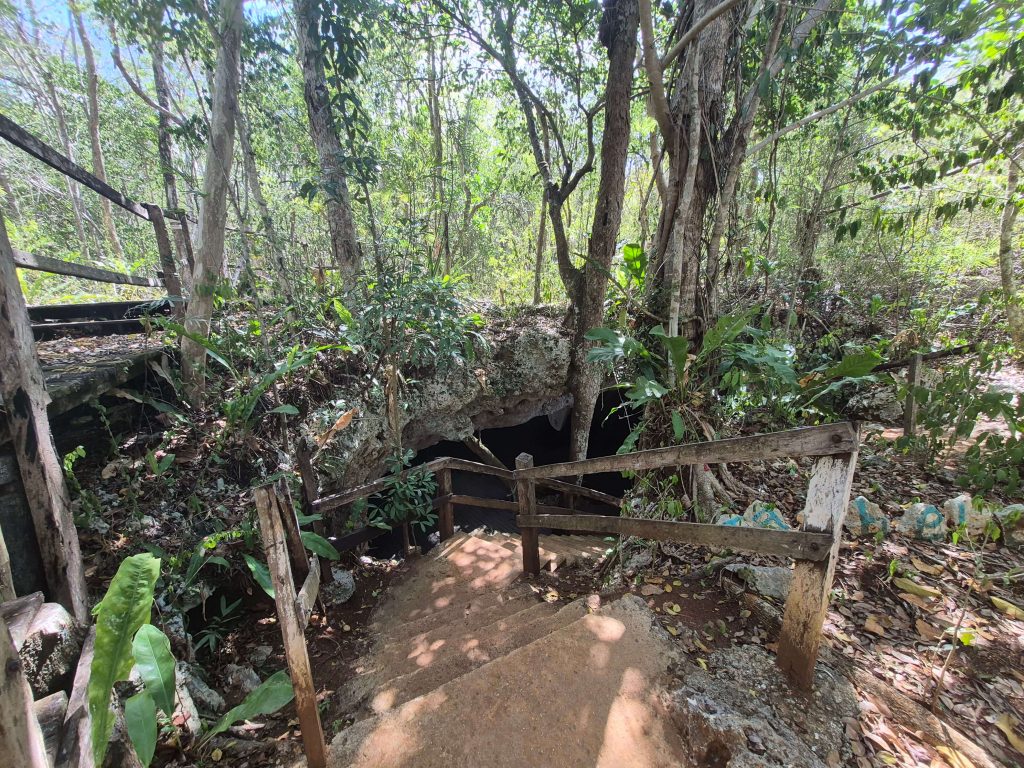
But the inner area is really unique with trees running through and scattered bats flying above.
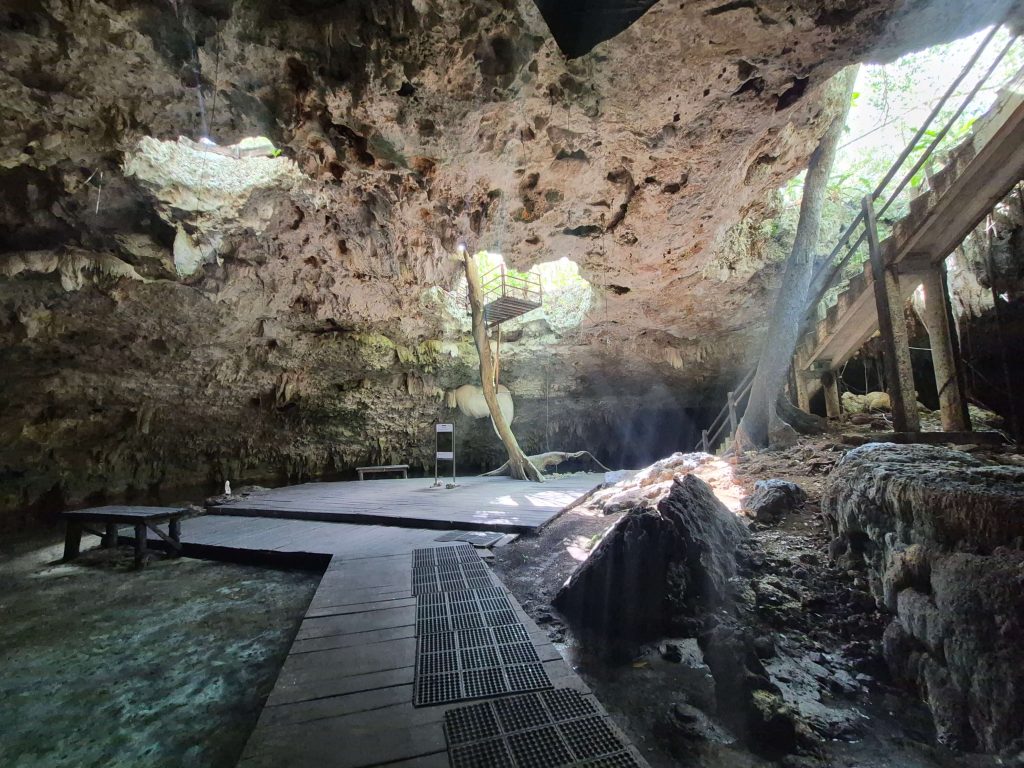
Under the water this cenote is famous for its unique formations. Bubble-shaped and cartoon like, no one is quite sure how these structures grew this way.
It is also a very dark cenote which magnifies the craziness of these formations as they pop out into the beams of your light.
There is even a passageway called “The Gates of Hell” which has a much more dramatic name than the actual experience.
As you move towards the end of the dive and approach the opening, the blue light creates a nice contrast with the surrounding darkness.
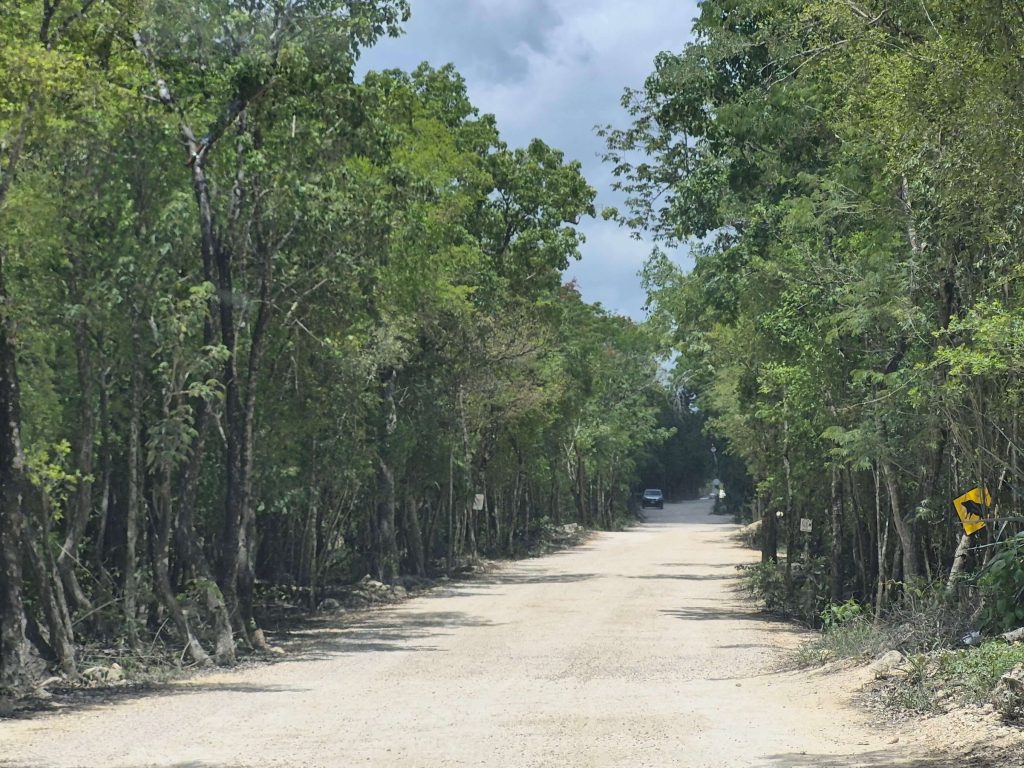
One of the nice things about many of the cenotes is driving the dirt roads through the jungle to get to them.
Taak Biha Cenote
Taak Biha, means “Hidden Route of Water” in Mayan. And hidden it is. The access is a small hole in the ground where you have to duck your head just to enter and then move very slowly and carefully down the steep stairs with your dive gear on.
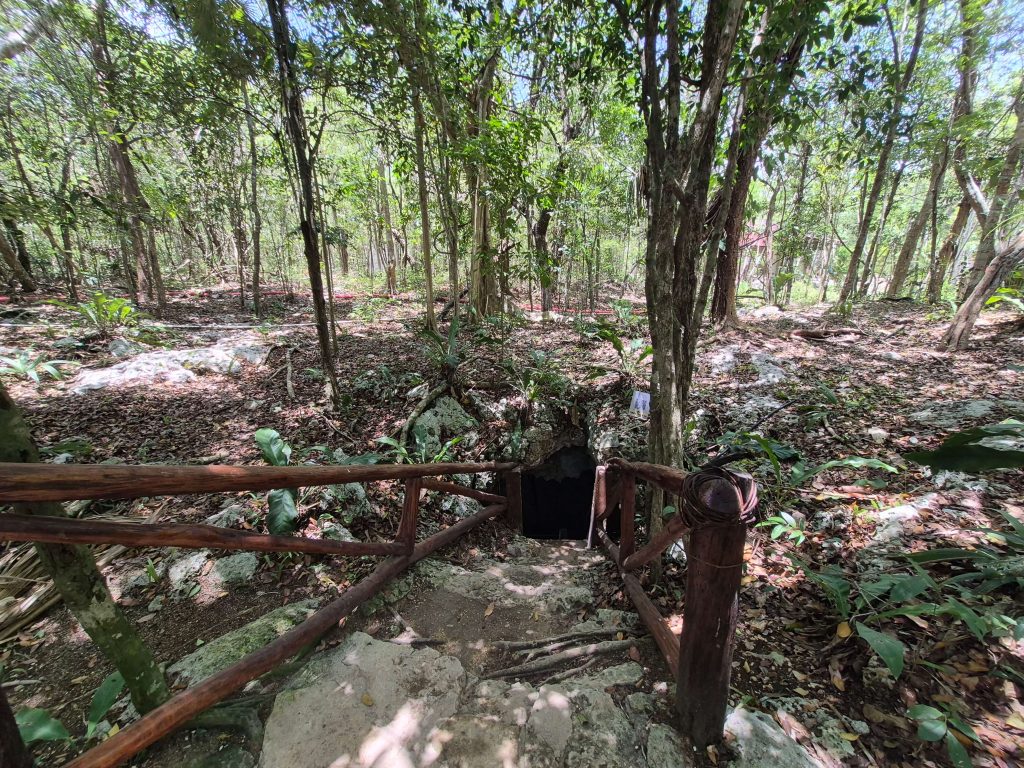
But once you descend you enter a subterranean wonderland with abundant stalactites and crystal clear water. As can been seen in these pictures, it’s popular with swimmers and snorkelers.
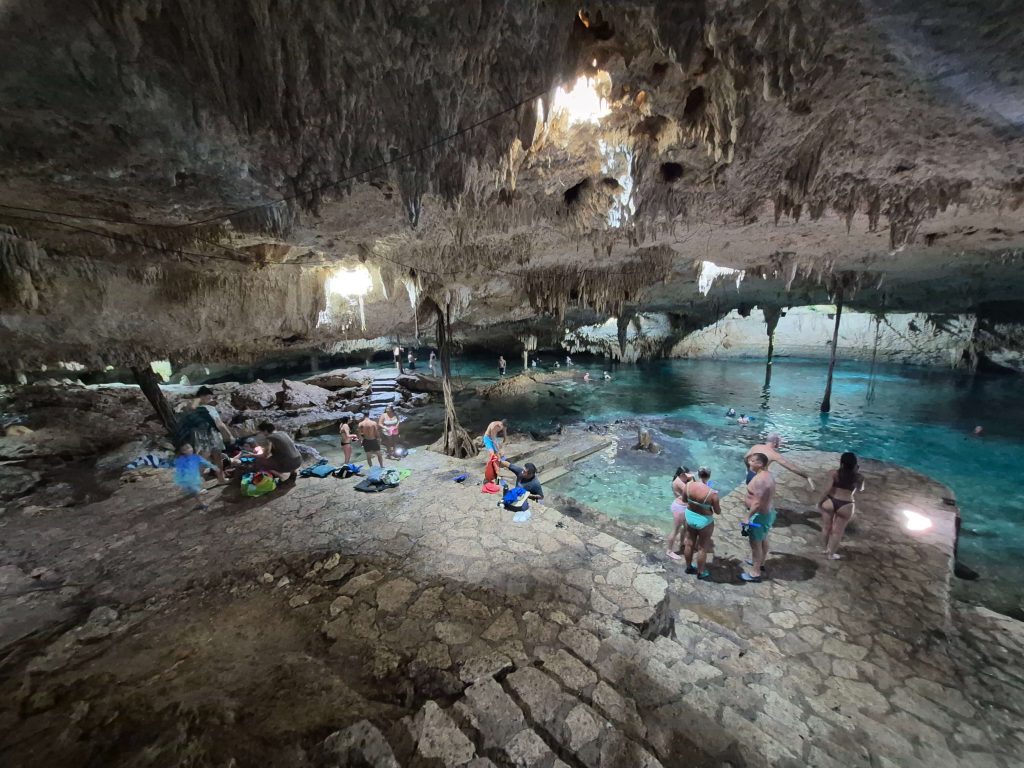
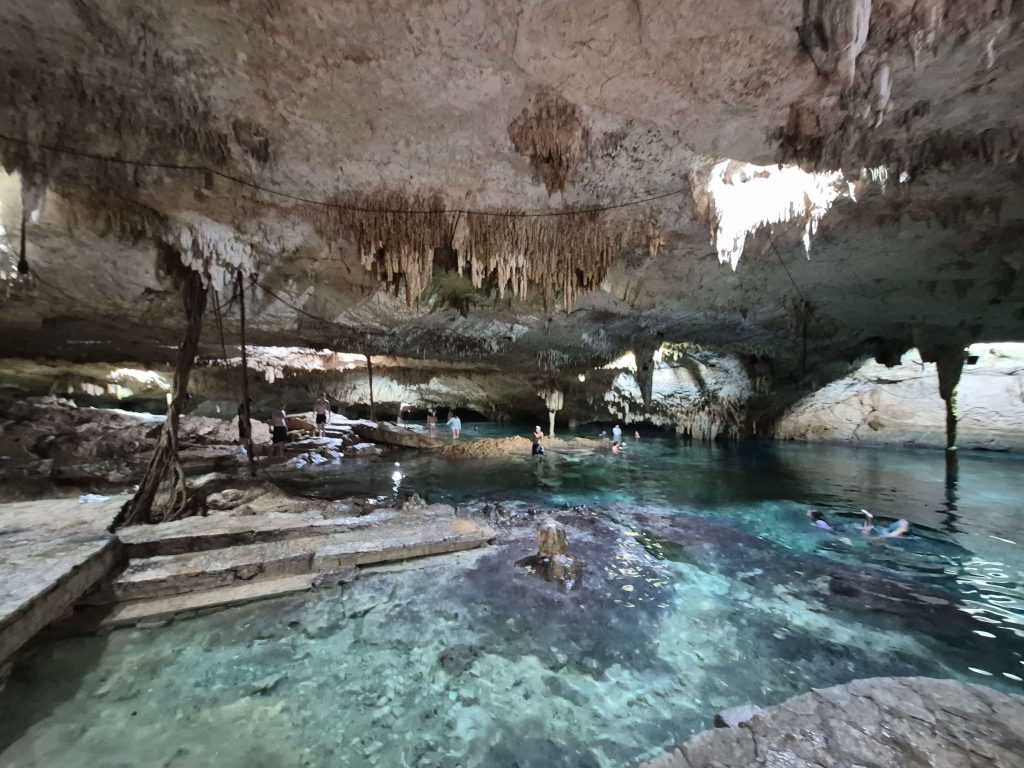
In the beginning the dive winds around the large opening and the light creates wonderful patterns on and through the water.
The cenote is known for an abundance of fragile stalactites, stalagmites, and many spectacular columns. The route is also very narrow at many places and is a great way to test your underwater buoyancy.
As the sign warns, there is an entrance to a much larger cave system. We turned right, not left, and kept going within the cenote route.
More of these fascinating formations in the next two videos.
Some of the formations are very white and can make you feel like you’re floating through an icy winter landscape.
Cozumel C-53 Wreck
While Cozumel is primarily known for the beautiful diving around its huge reef infrastructure, there is also a nice wreck dive there. The C-53 Felipe Xicoténcatl is Cozumel’s most iconic shipwreck dive. Resting upright in 80 feet (24 meters) of water off Chankanaab Marine Park, this 184-foot former World War II minesweeper was intentionally sunk in the year 2000 to create an artificial reef. While it’s not nearly as fulfilling as the intricate diving through dark cenotes, it’s still has a nice number of pass-throughs and sea life, especially for less experienced divers.