
I had a chance to spend two days in Vancouver and a day in Victoria and so was able to get a nice quick taste of both cities.
Vancouver
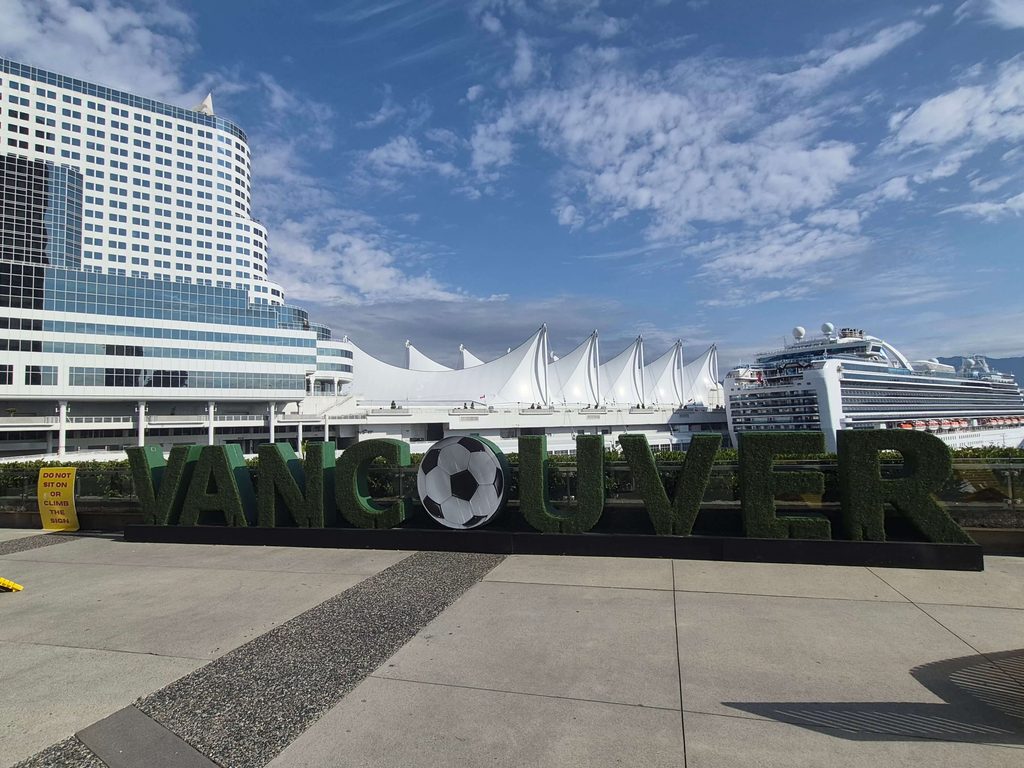
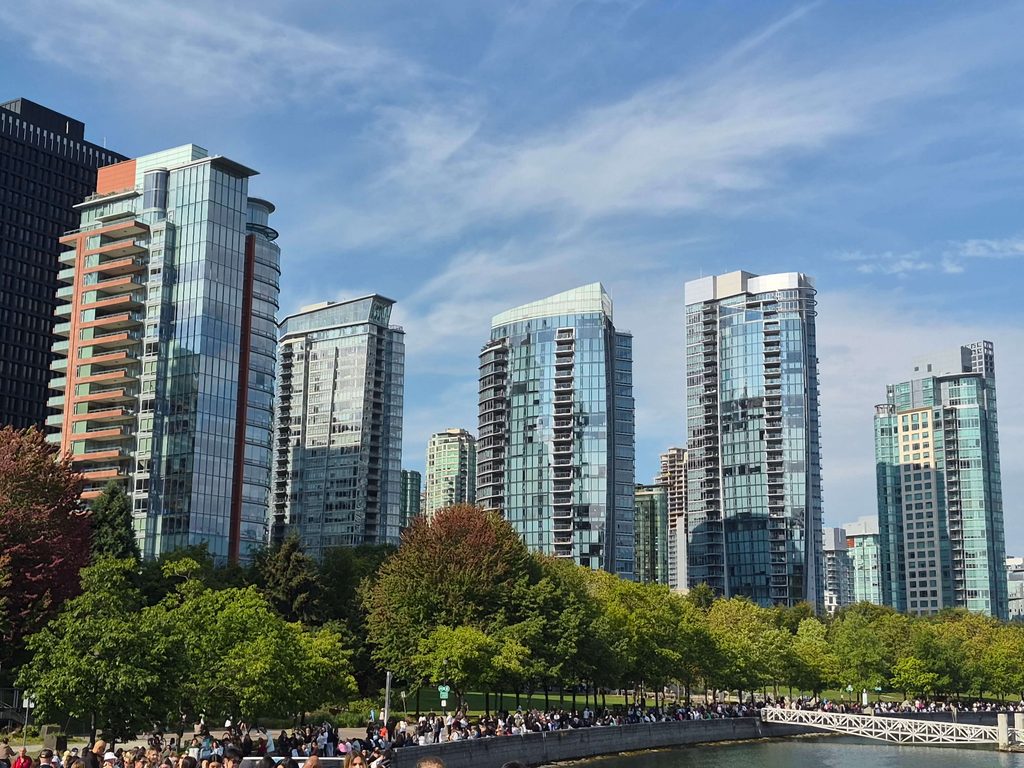
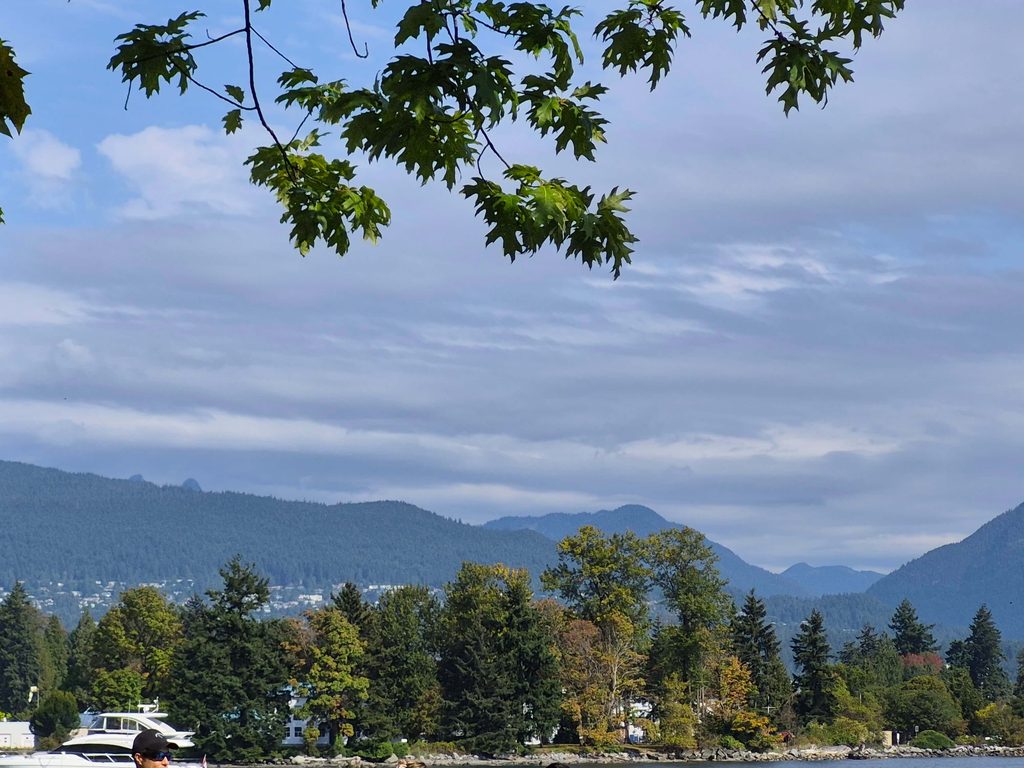
Vancouver is undoubtable one of the most beautiful large cities in the world. It’s nestled among a series of mountains and bodies of water and has wonderful greenery throughout it.
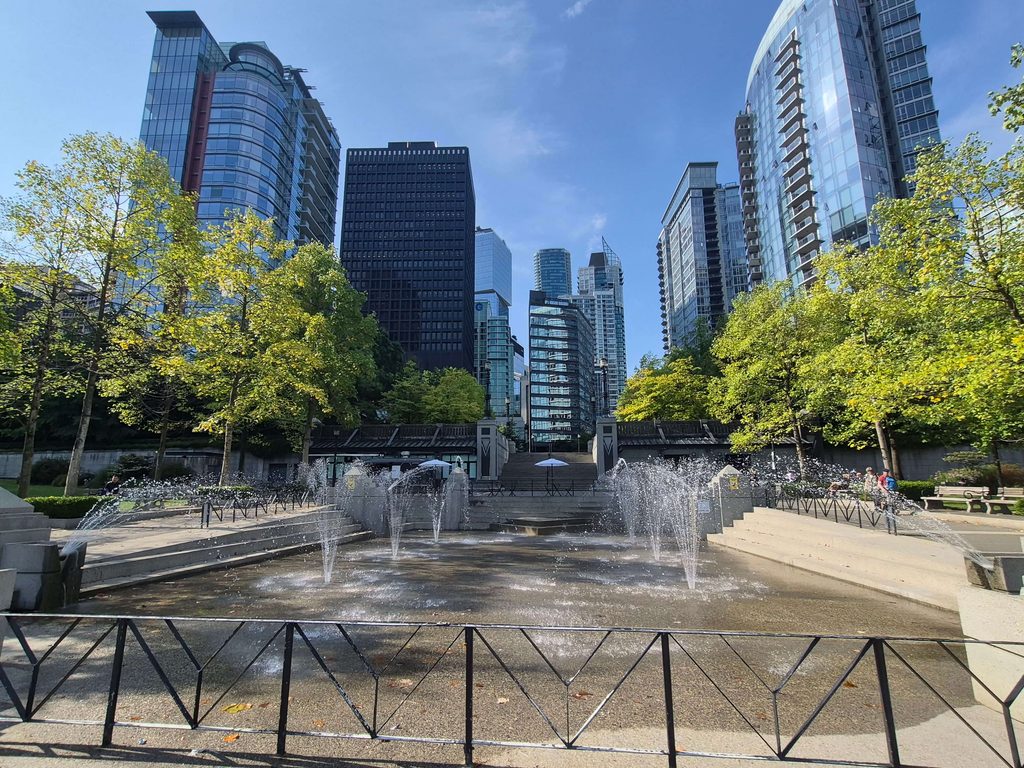
Gastown
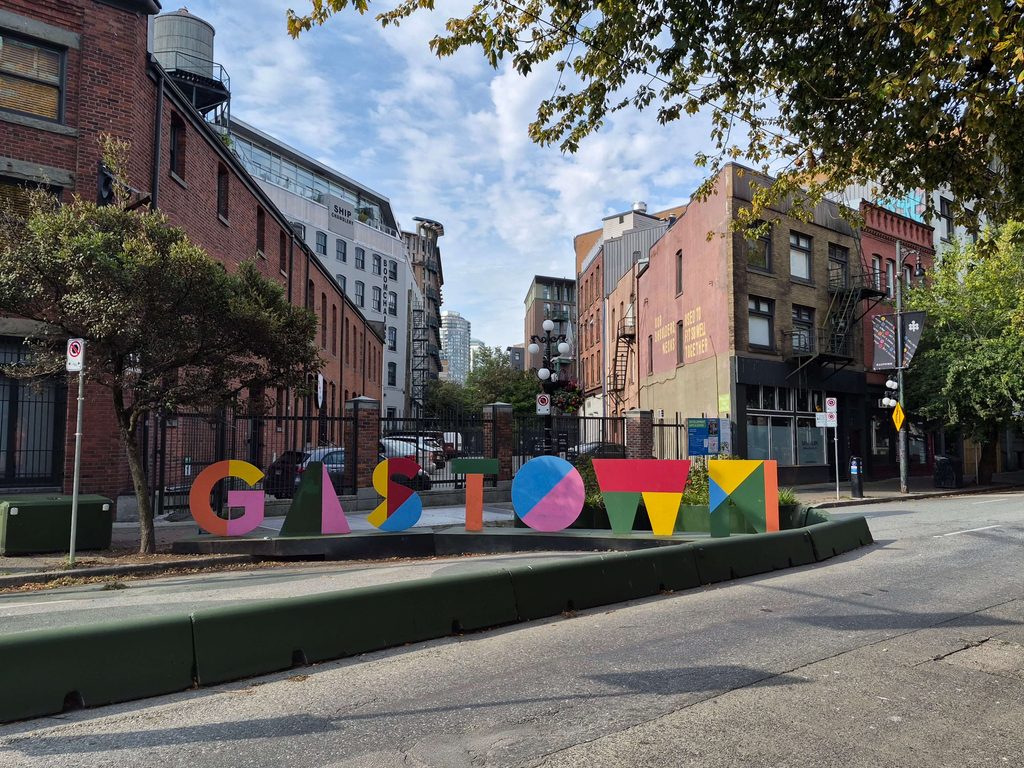
Per Wikipedia: Gastown was Vancouver’s first neighborhood and was named for “Gassy” Jack Deighton, a Yorkshire seaman, steamboat captain and barkeep who arrived in 1867 to open the area’s first saloon. He was famous for his habit of talking at length (or “gassing”) and the area around his saloon came to be known as “Gassy’s town,” a nickname that evolved to “Gastown.” It still ably holds its historical charm.
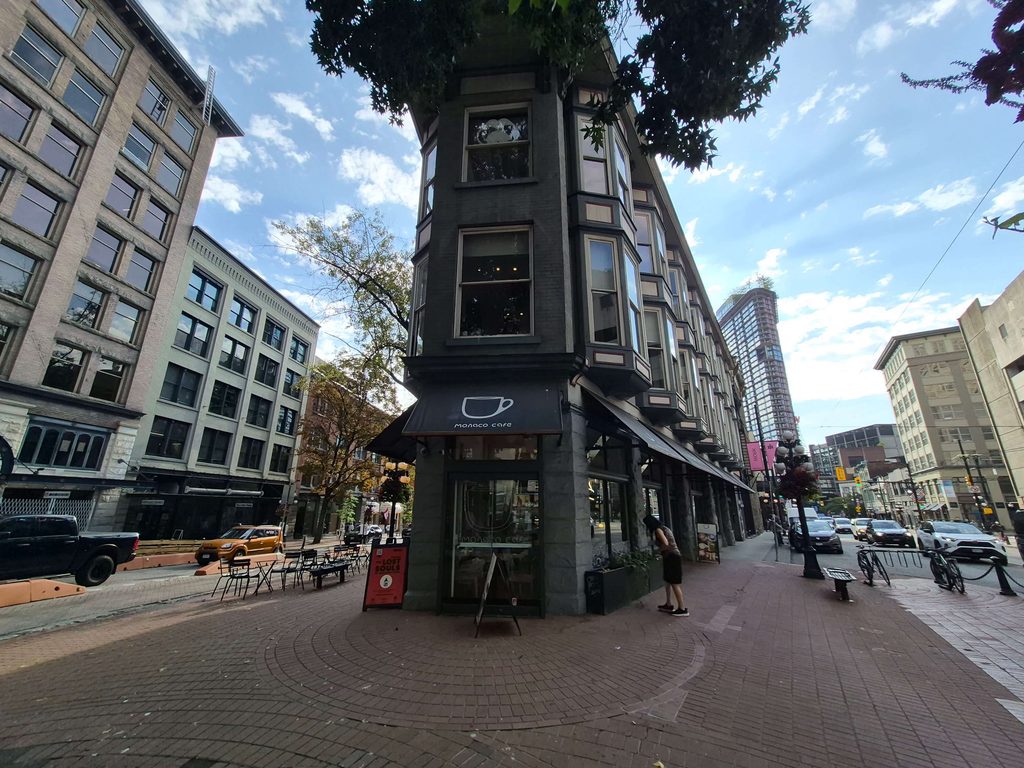
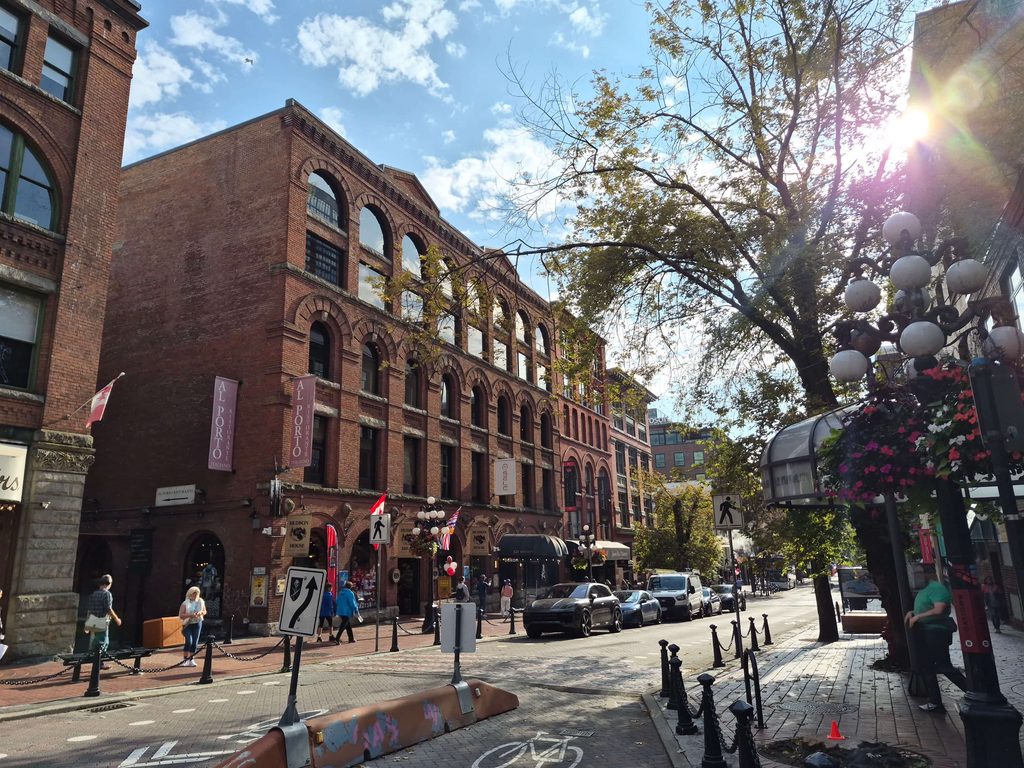
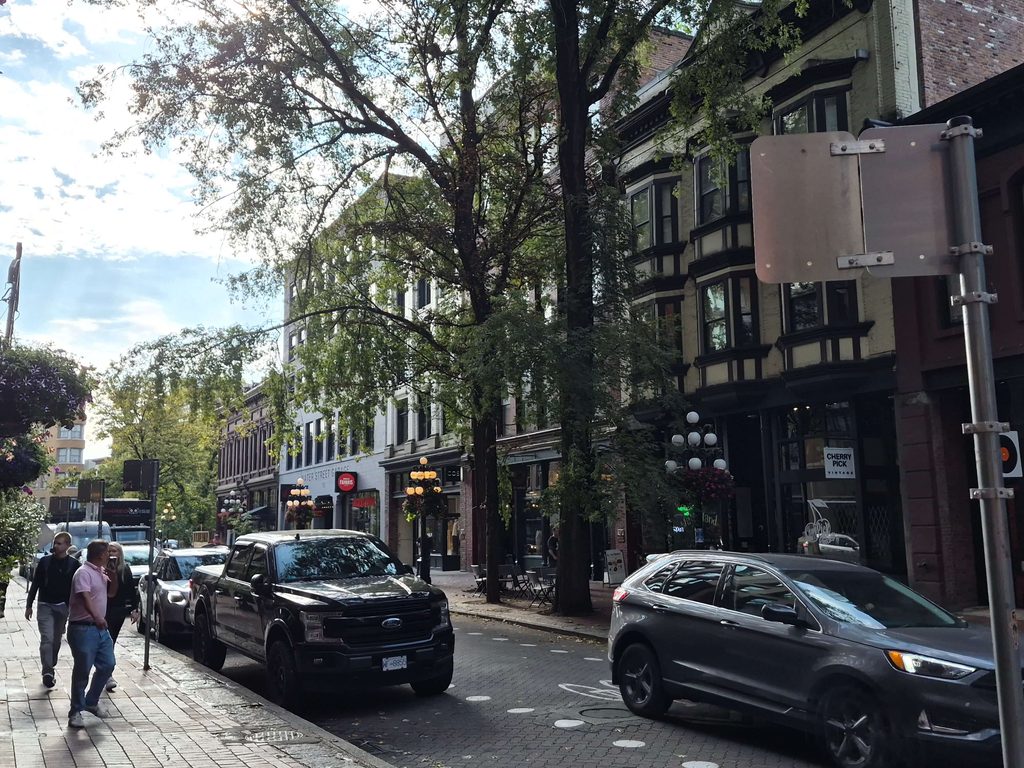
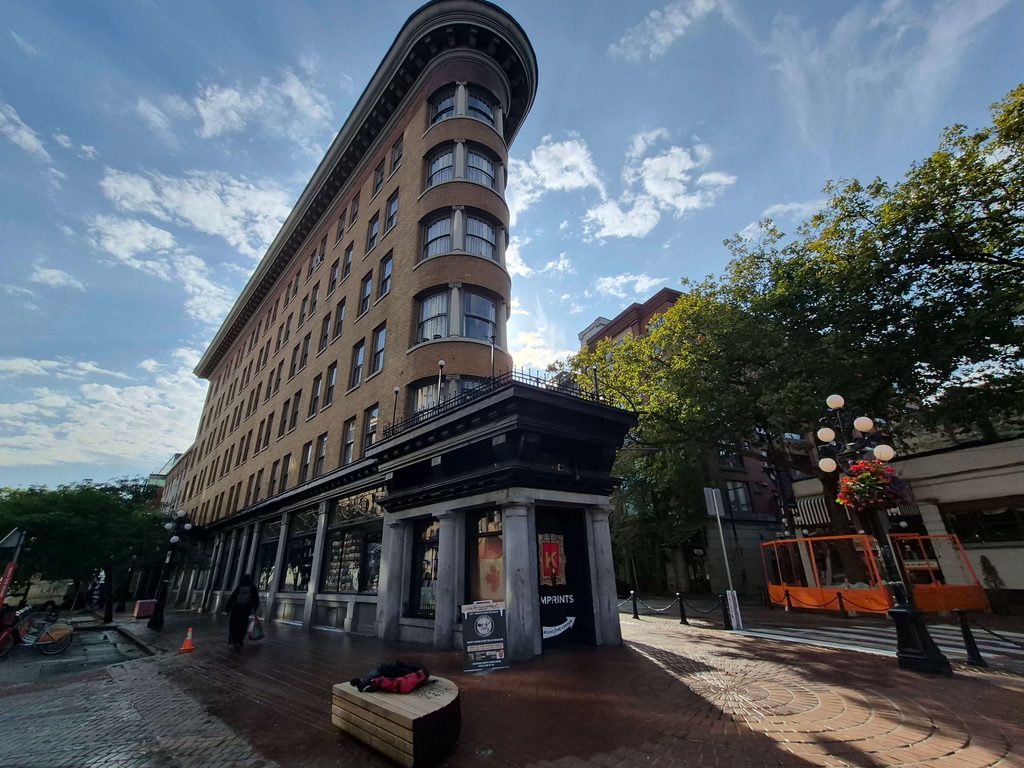
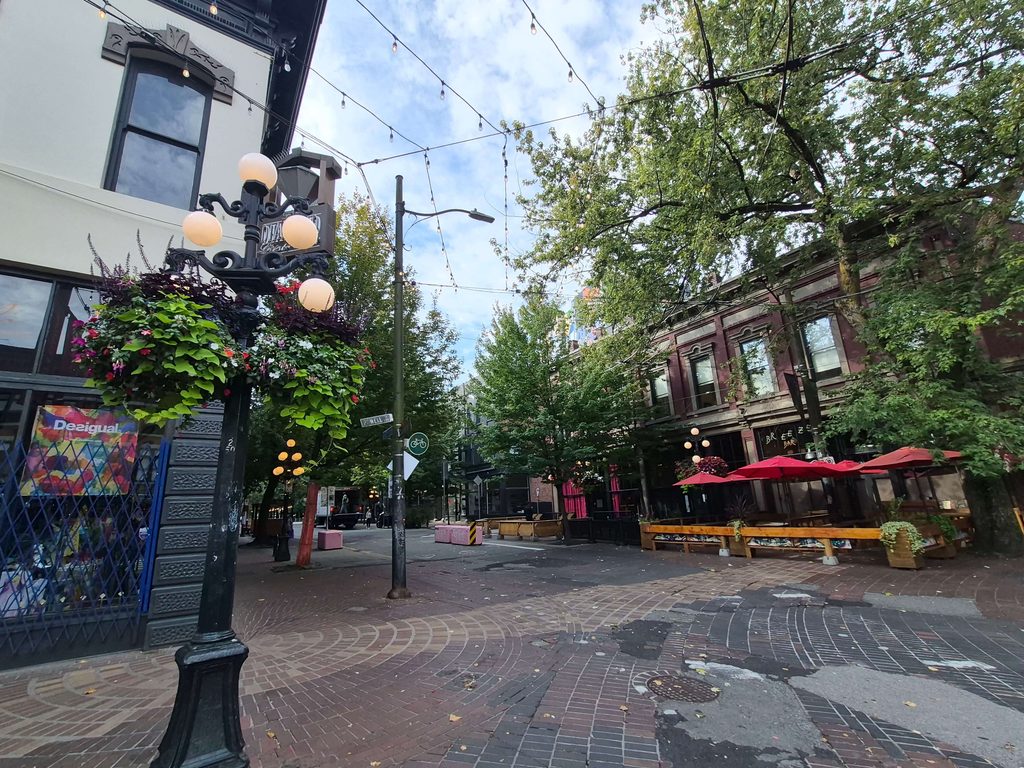
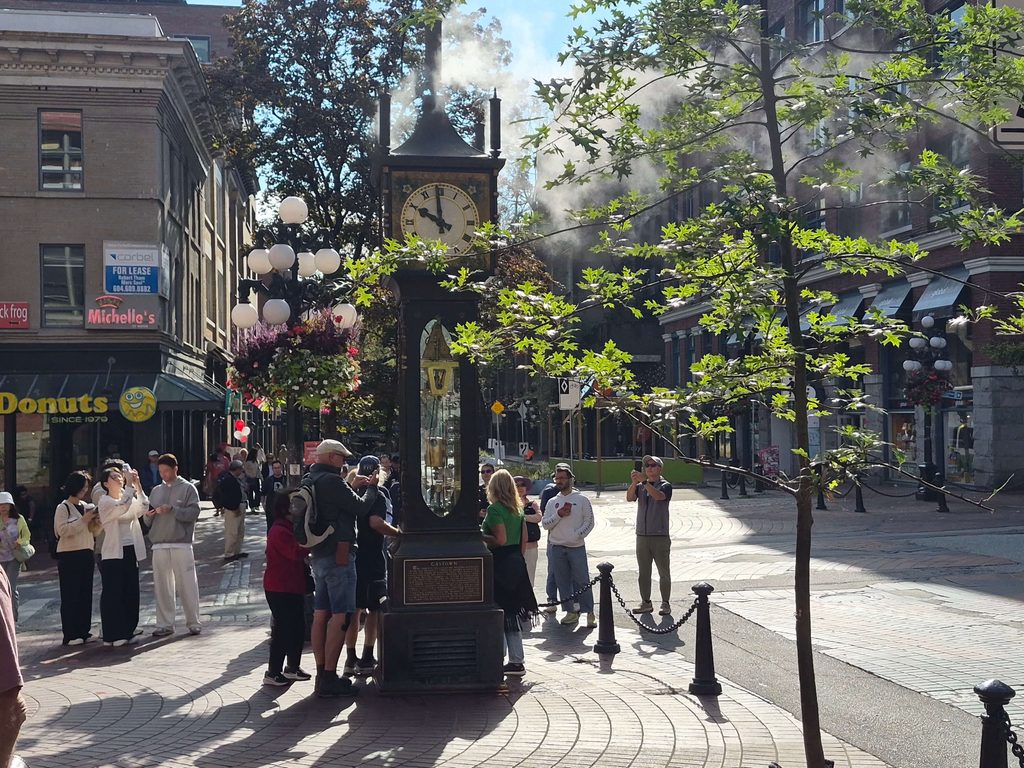
Gastown’s most famous landmark is its steam powered clock. Every hour the clock’s eight brass whistles play a rendition of the 1917 Tin Pan Alley song “Back Home Again In Indiana”.
Lee’s Donuts is a Vancouver institution. So, of course I had to try it.
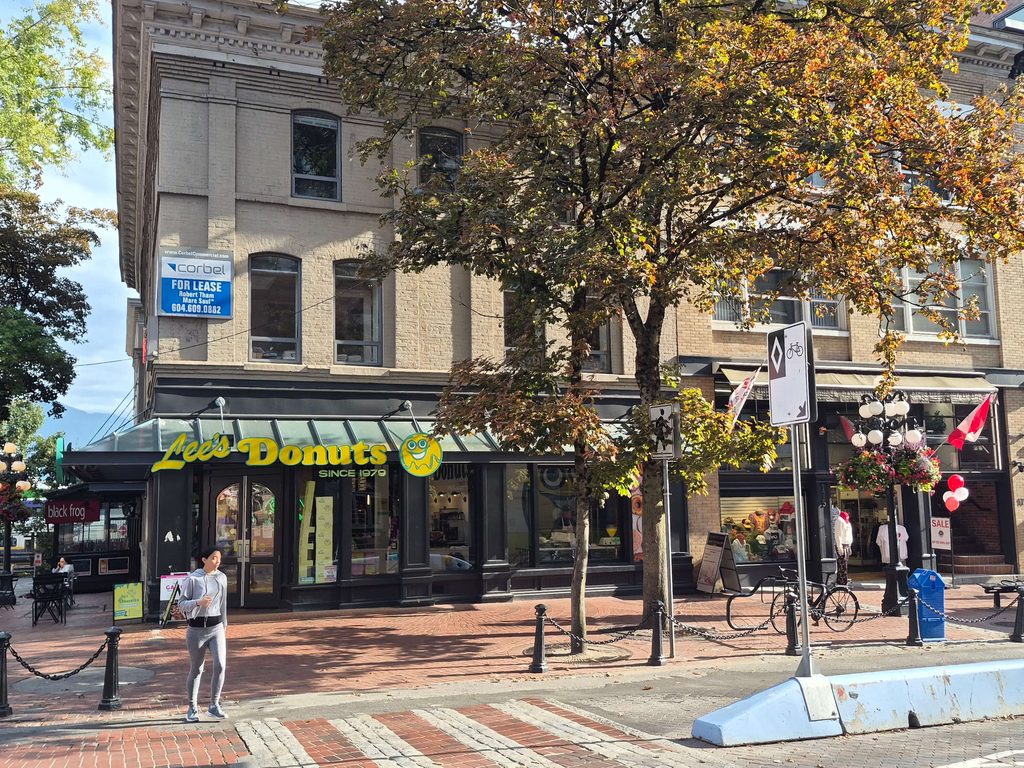
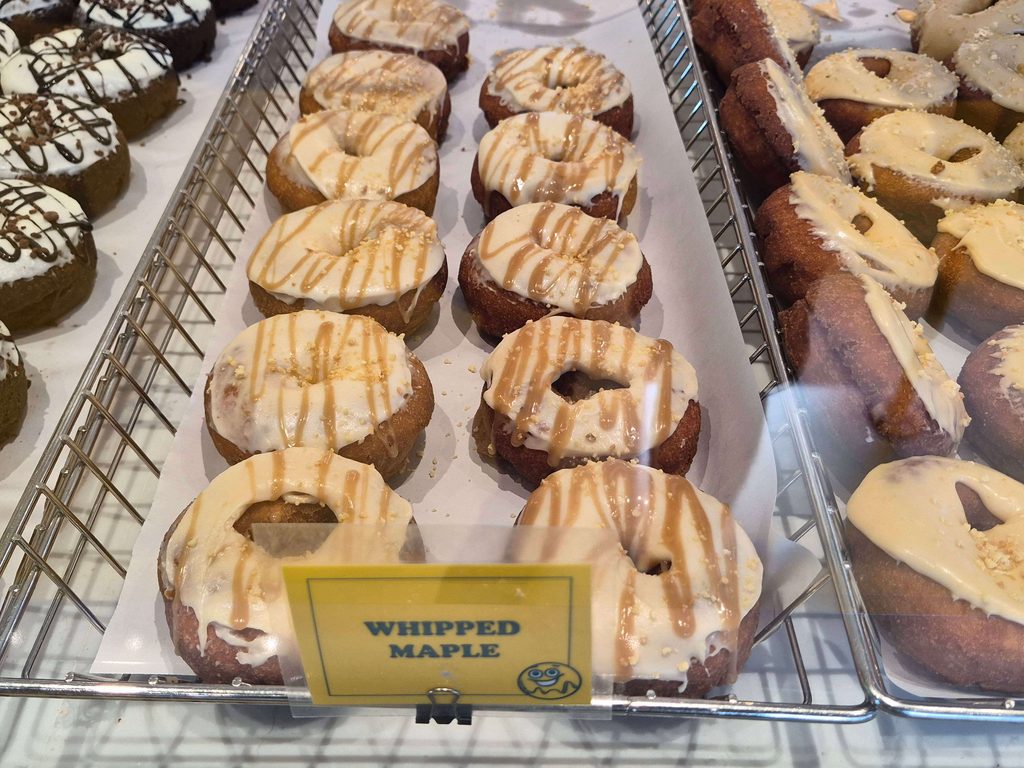
The woman at the counter recommended the Whipped Maple donut and, being in Canada, that felt appropriate. It melted in my mouth.
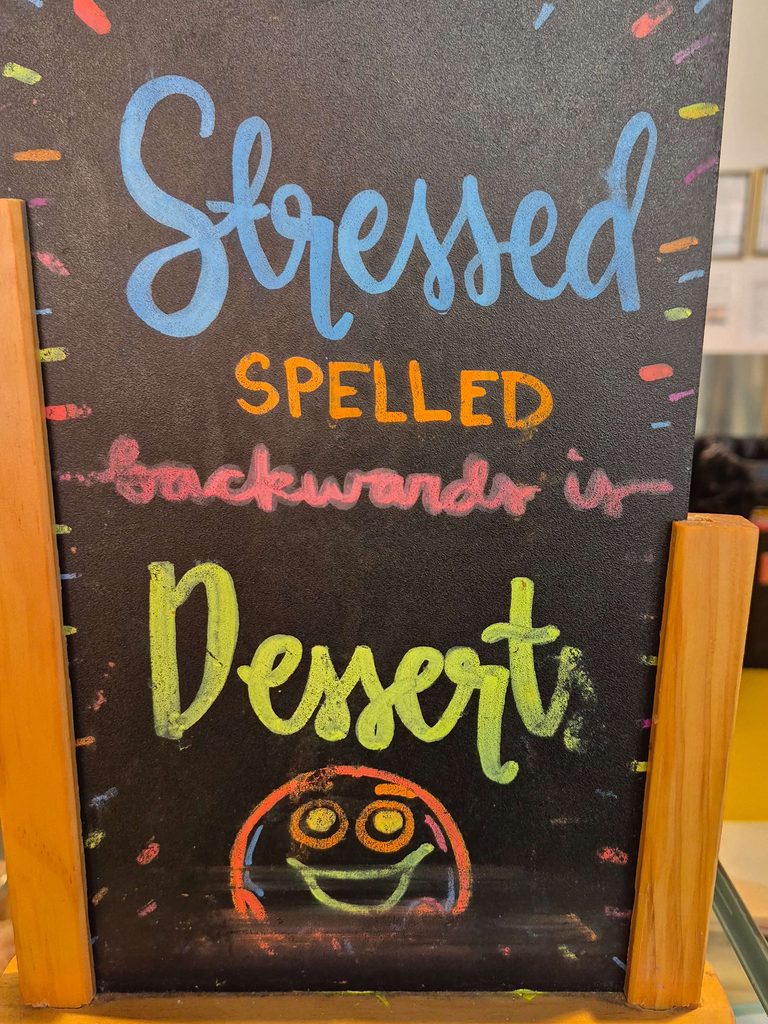
The store also had a great attitude.
Stanley Park
Stanley Park makes up the northwestern half of Vancouver’s Downtown peninsula. At 405 hectares it’s about one-fifth larger than New York’s Central Park. Much of the park remains as densely forested as it was in the late 1800s, with about a half million trees, some of which stand as tall as 76 meters (250 ft) and are hundreds of years old.
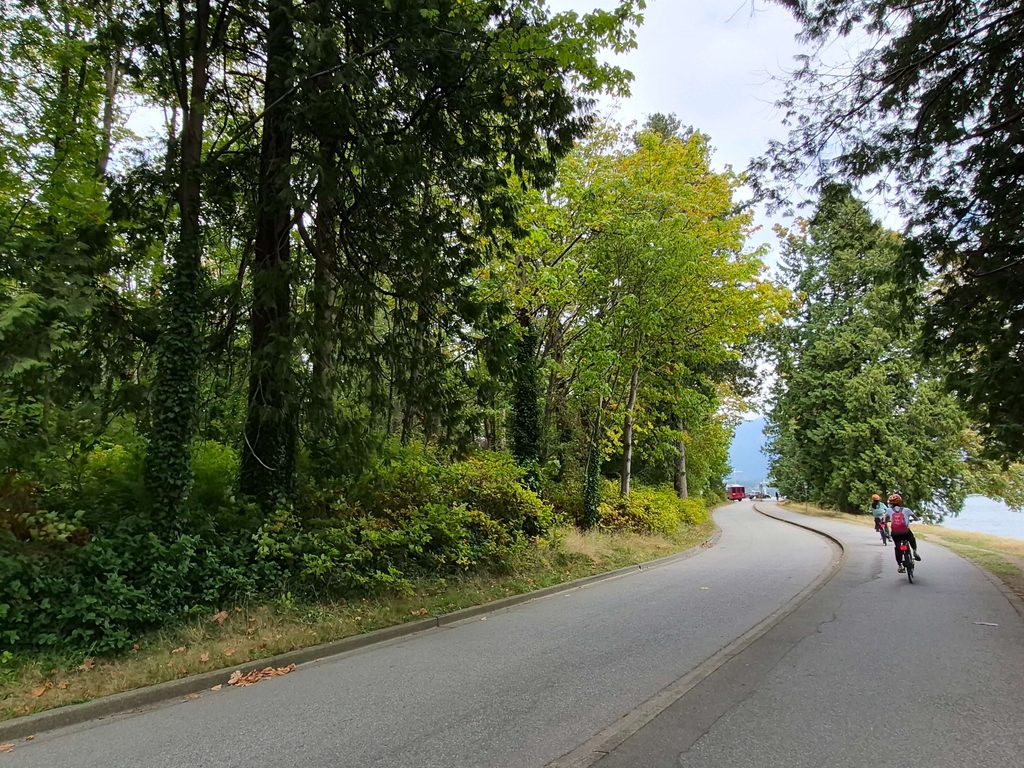
There is a wonderful trail that winds around the park. I rented a semi-electric bike and spent part of an afternoon exploring it.
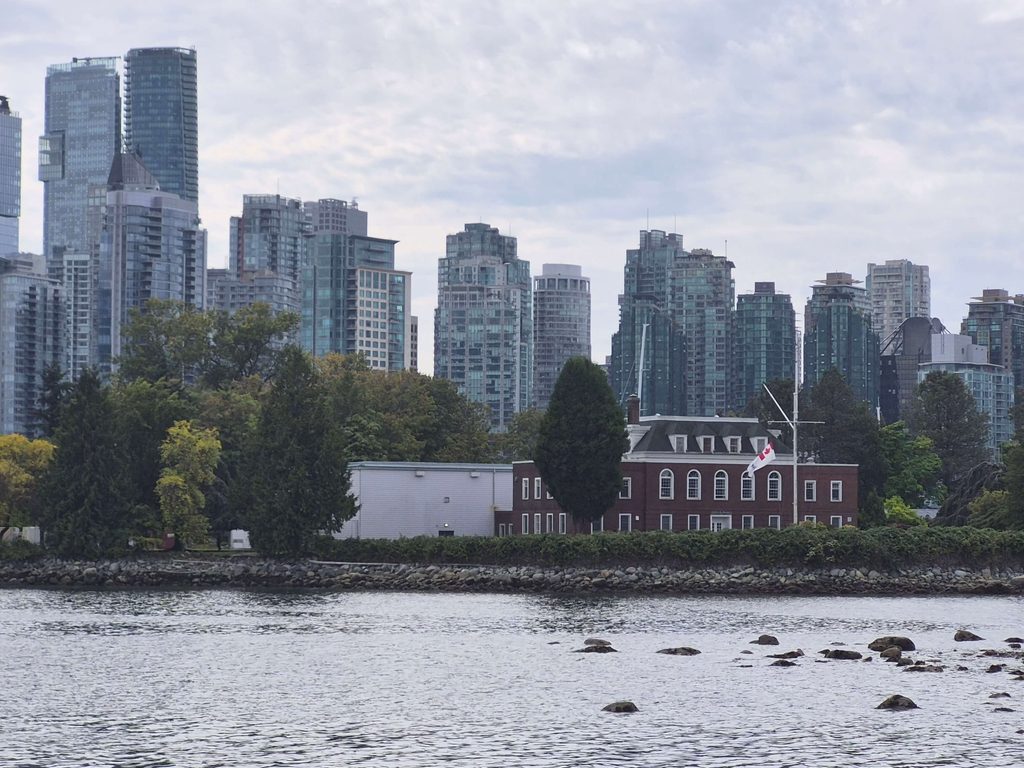
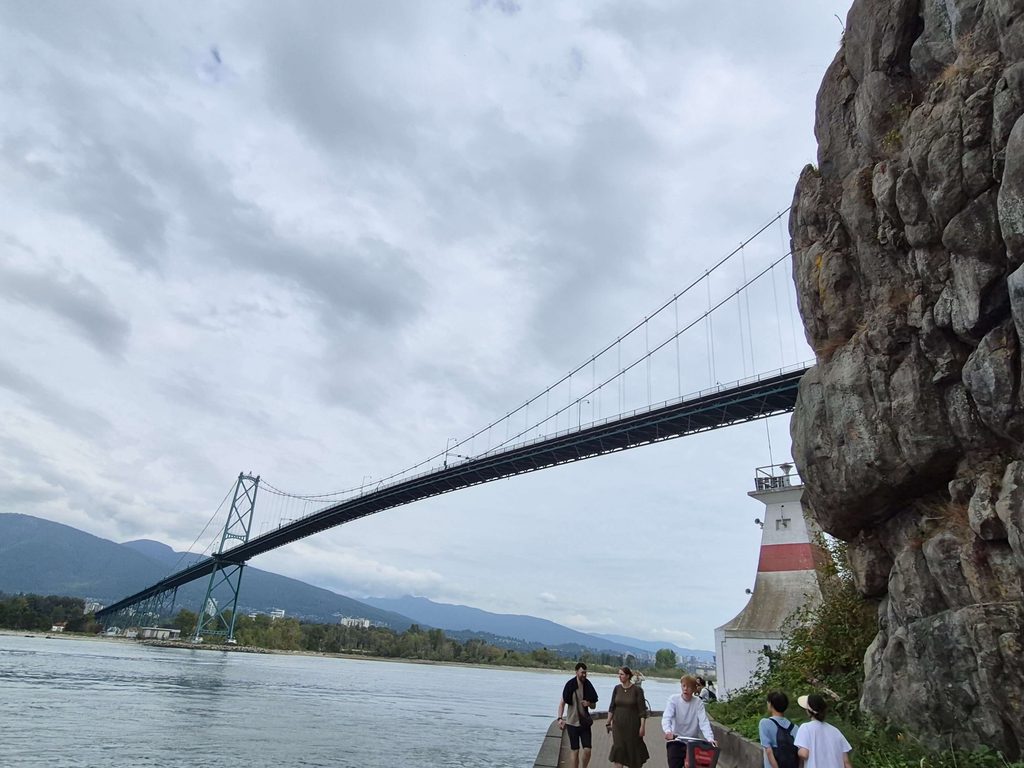
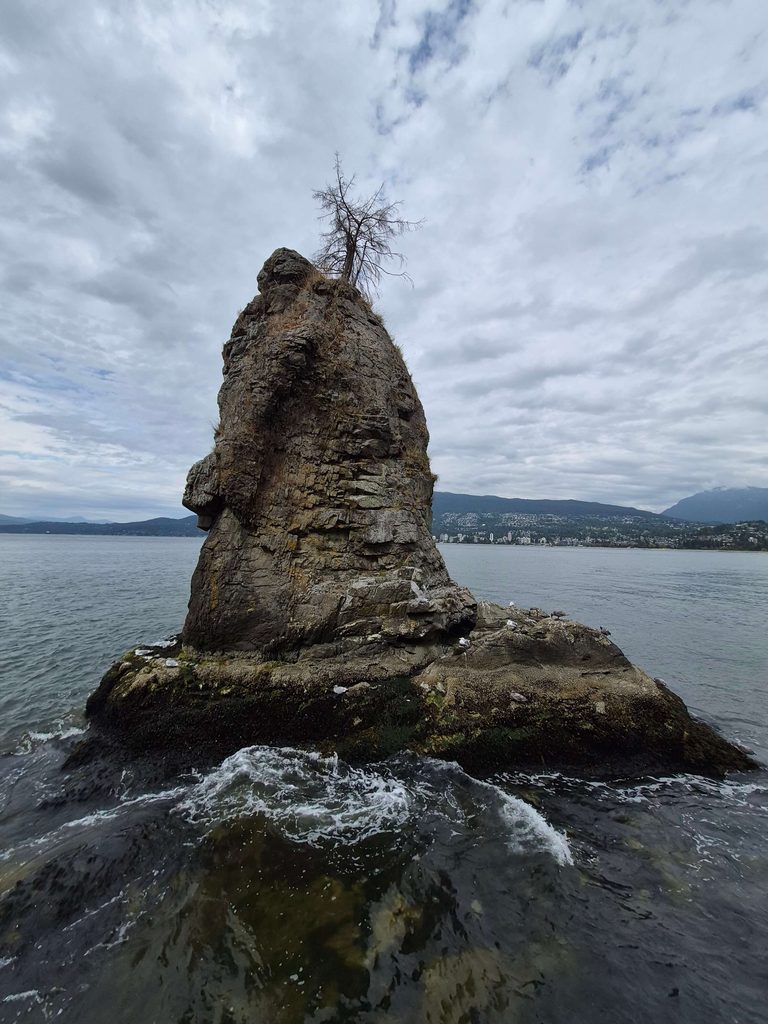
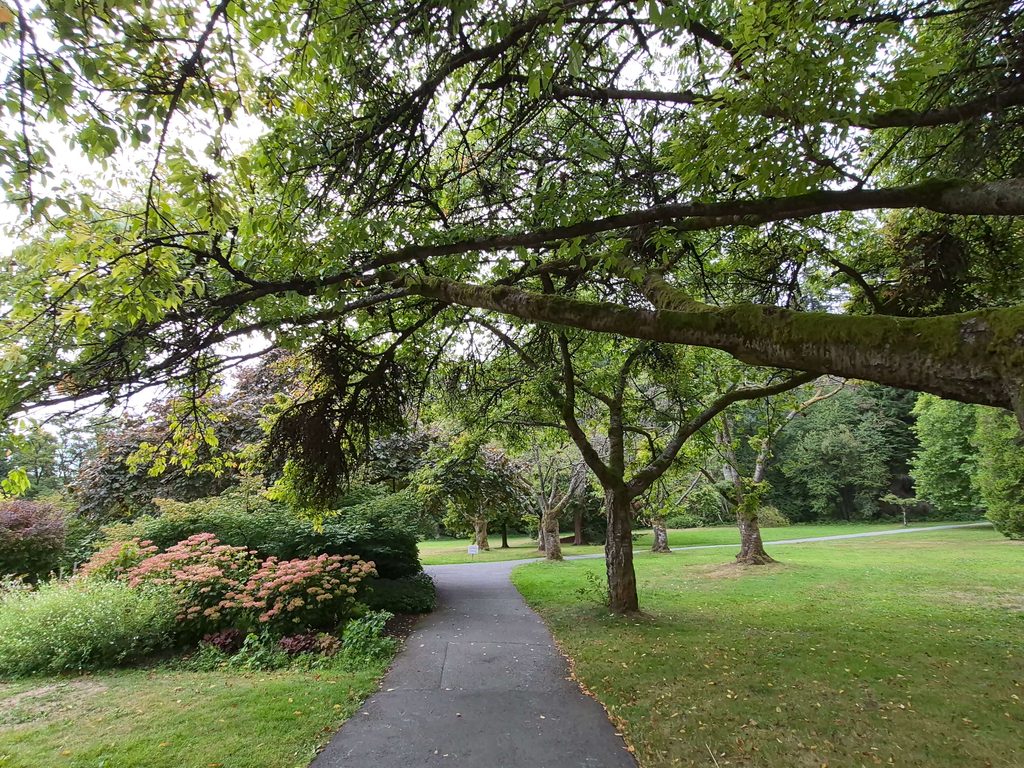
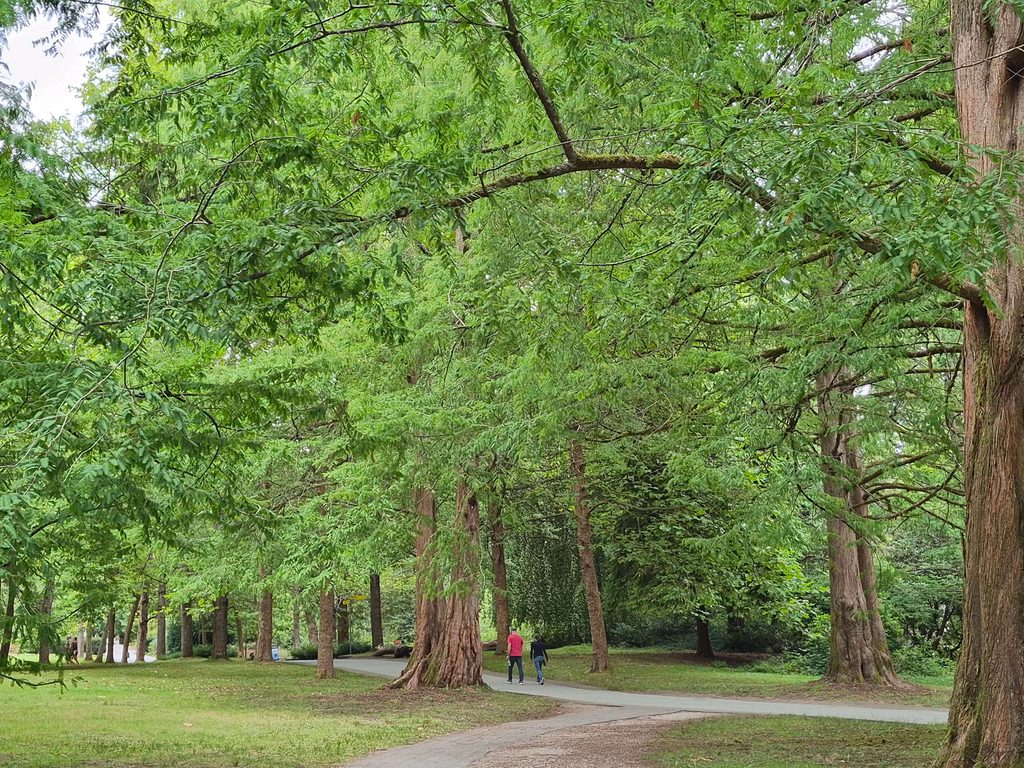
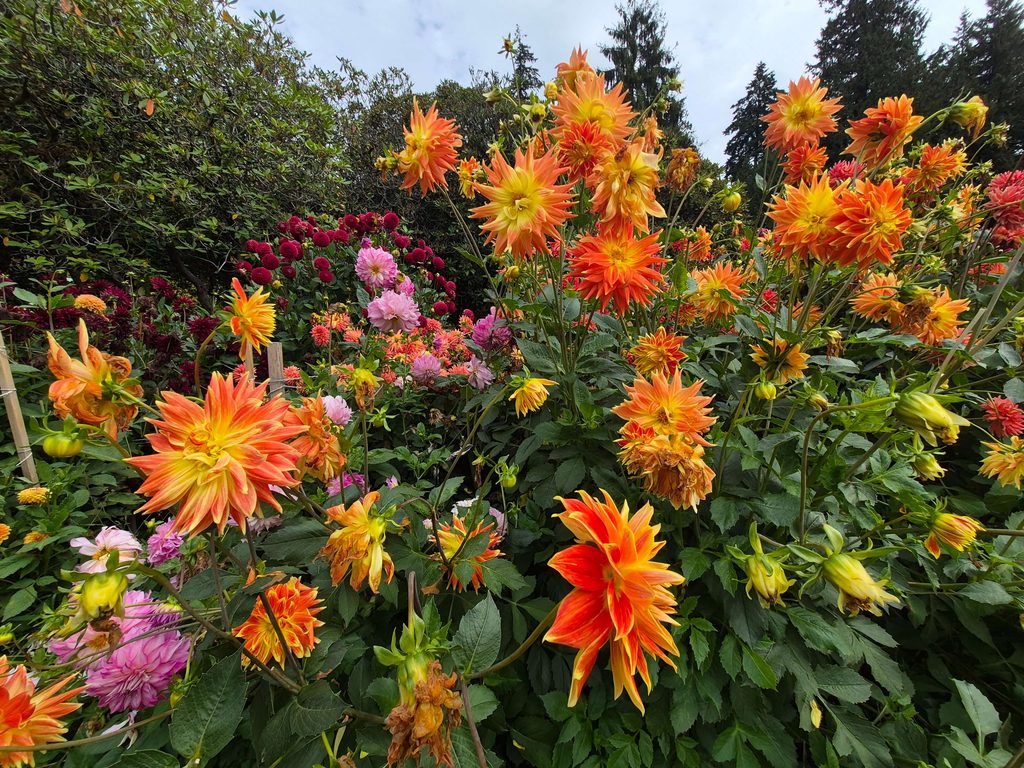
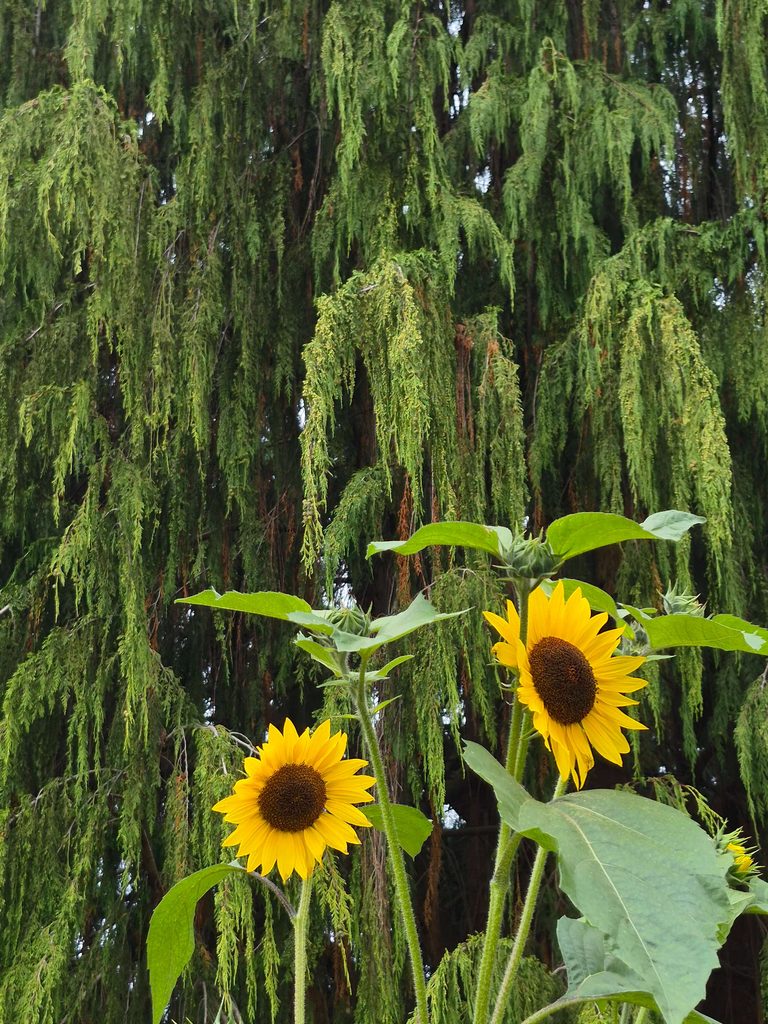
Stanley Park is also home to the Vancouver Aquarium.
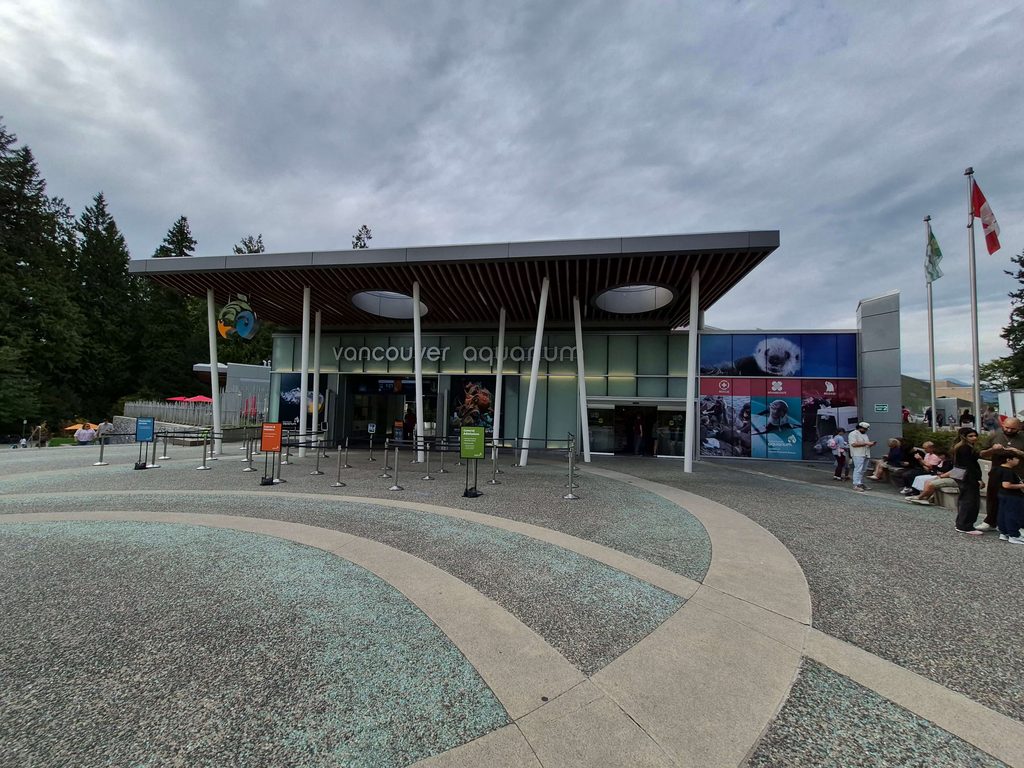
It has an incredible collection of sea life from British Columbia, Southeast Asia and The Amazon. It also has a large outdoors area that host local otters, seals and sea lions.
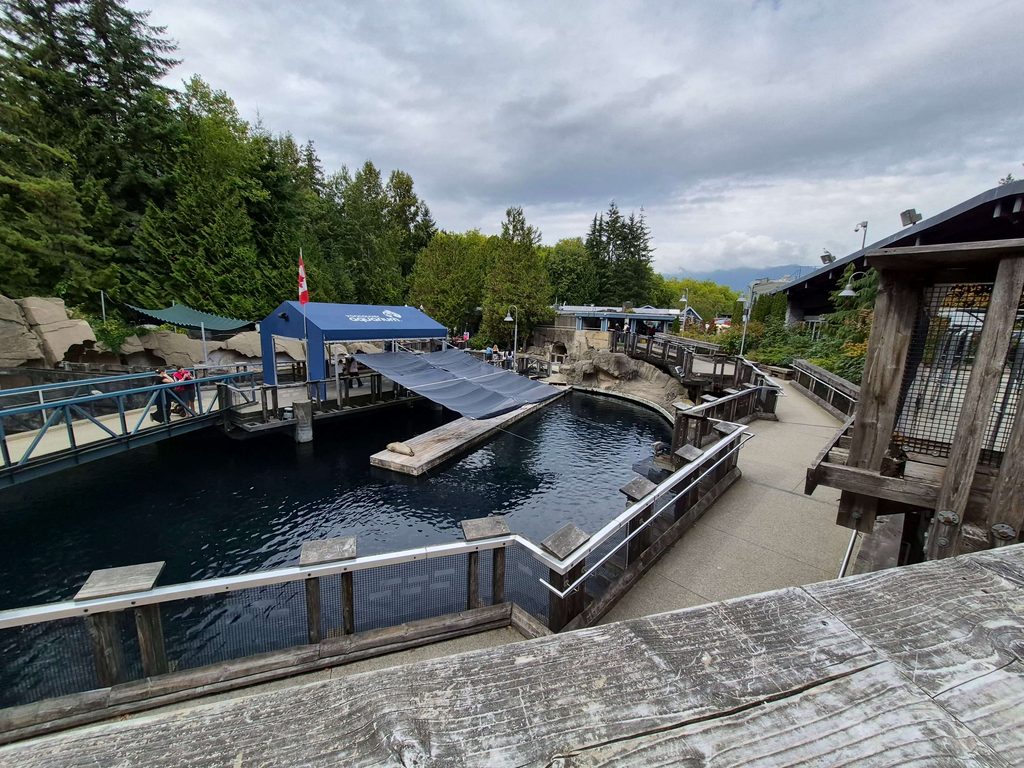
Of all the sealife on display the coolest were a series of jellyfish exhibits. You can see why.
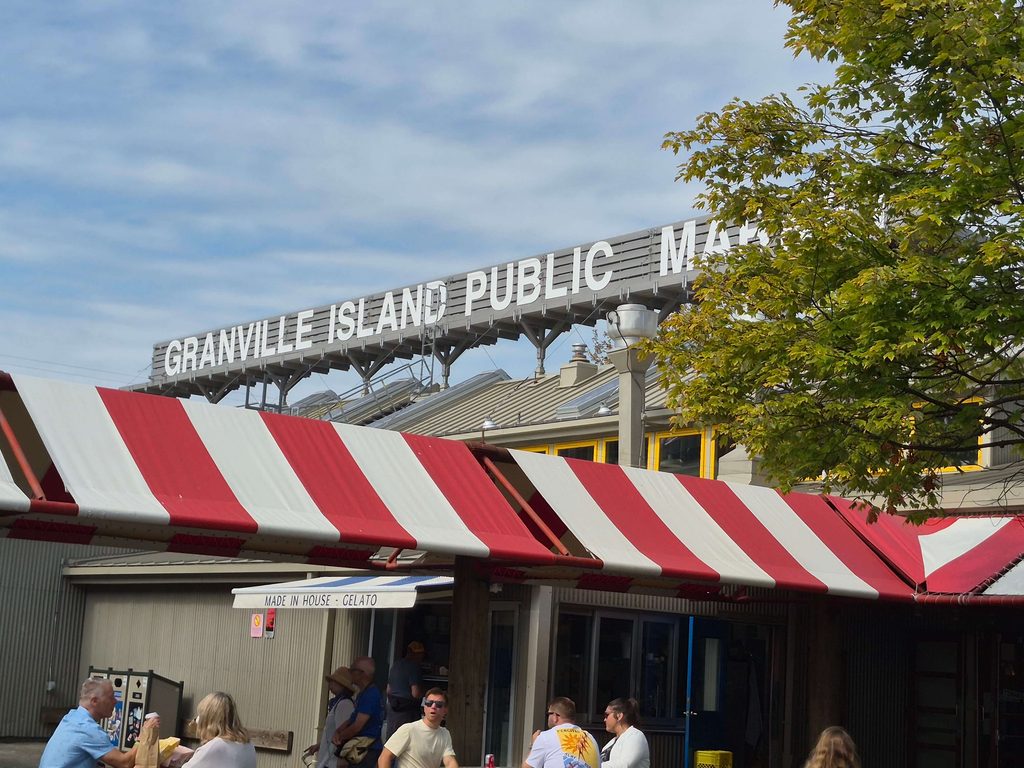
Granville Island
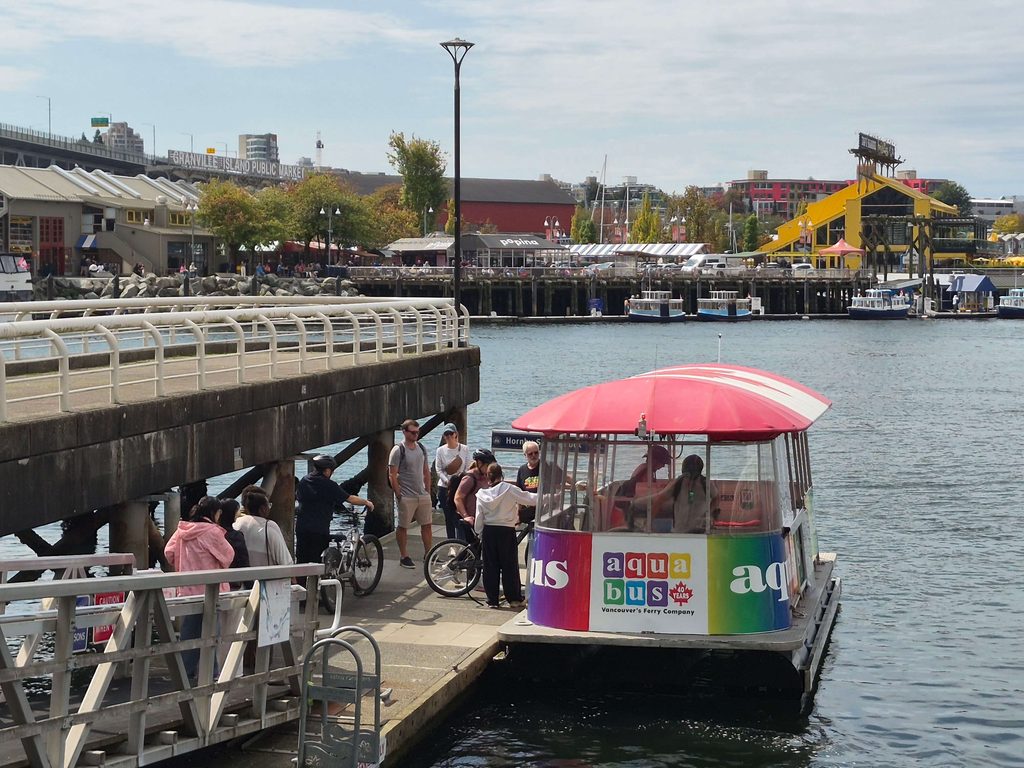
Granville Island is a peninsula and shopping district that was formally an industrial area. It can be reached from downtown by roads over a couple of high bridges or by a small ferry. The ferry was by far the most fun option.
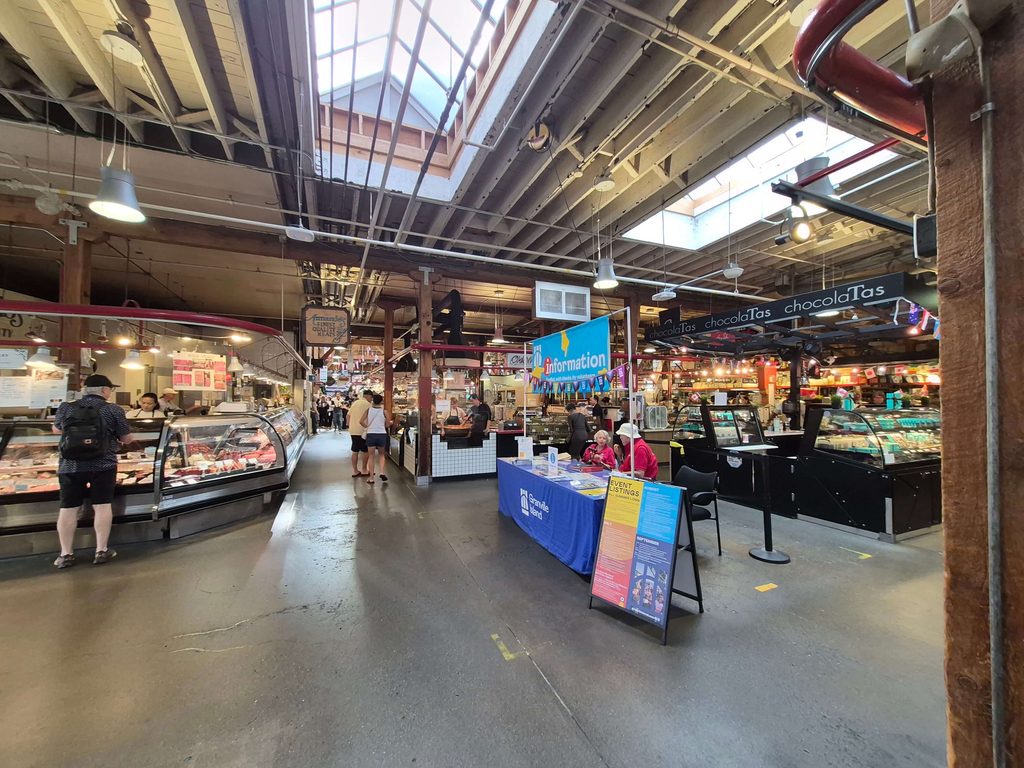
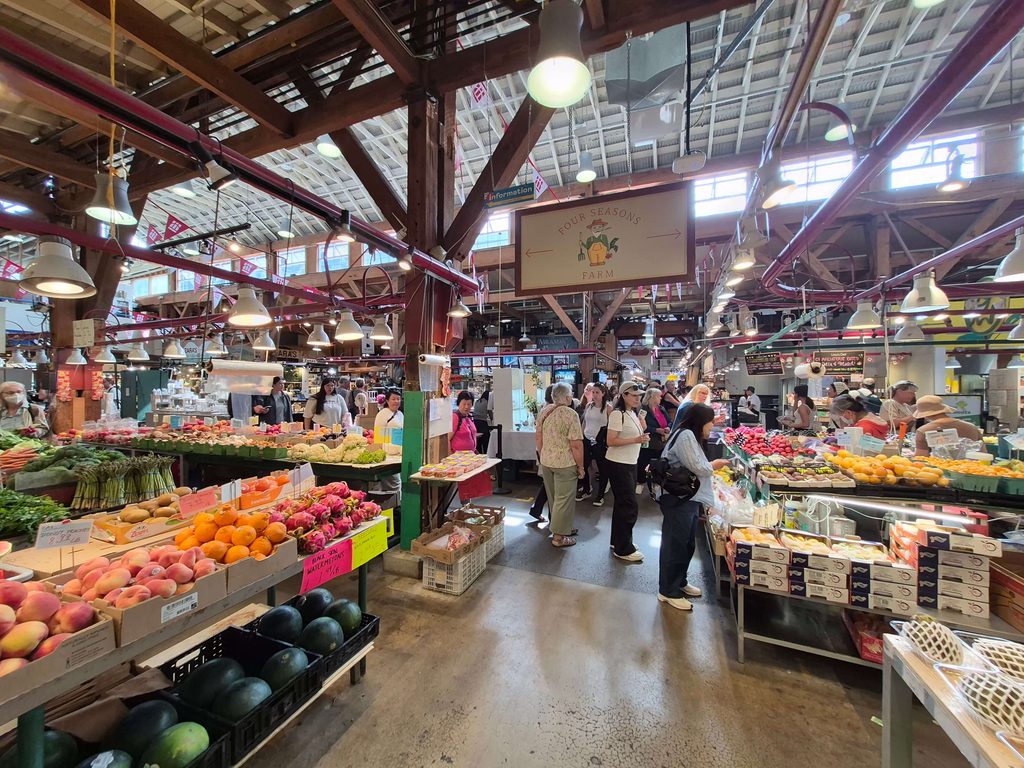
The core of this area is a large and wonderful indoor market. It has all kinds of meats, cheese, fruits, vegetables, ready made meals and desserts.
Vancouver Art Gallery
The Vancouver Art Gallery is housed in a stately former courthouse built in 1911. The Gallery moved there in 1983.
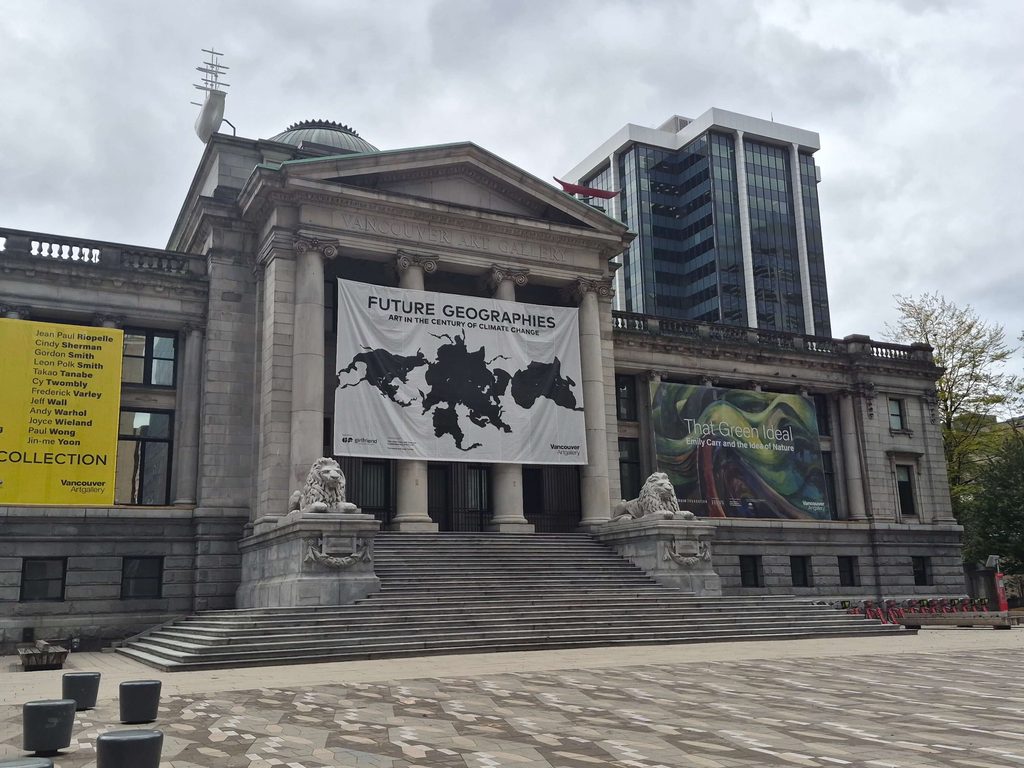
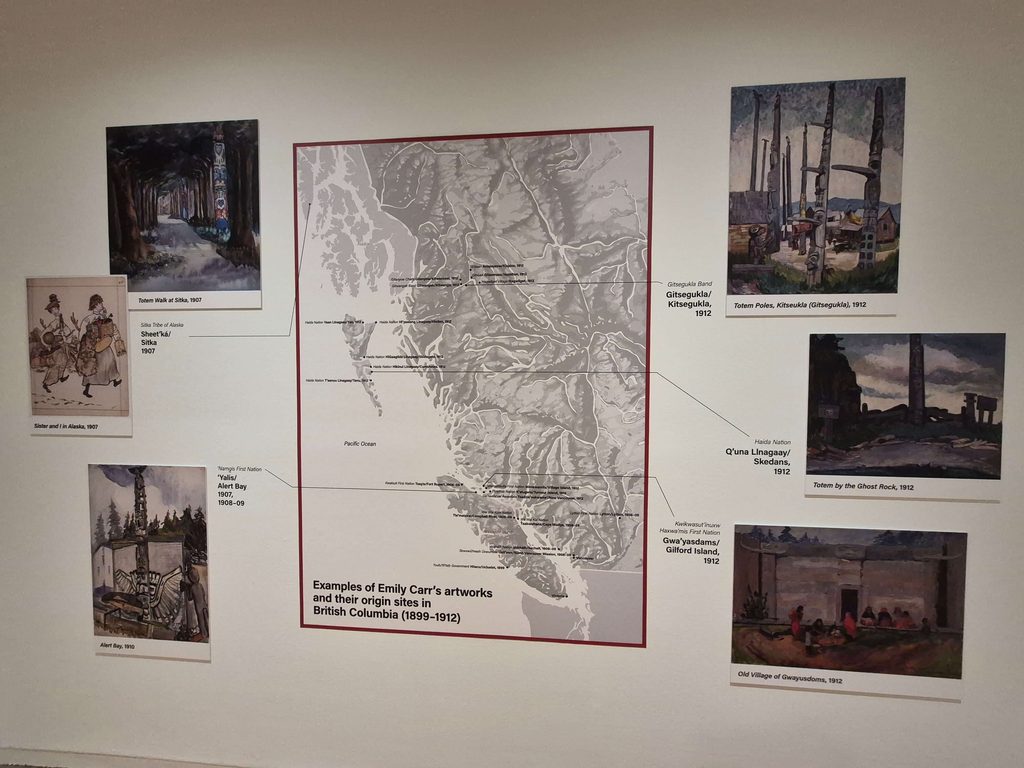
Most of the first floor is dedicated to renowned local artist Emily Carr whose works dated from 1913 to 1942. Her work was inspired by the monumental art and villages of the First Nations and the landscapes of British Columbia.

She spent many summers traveling British Columbia in a caravan she named the “Elephant”. Below are a number of locations she visited and the art that resulted.
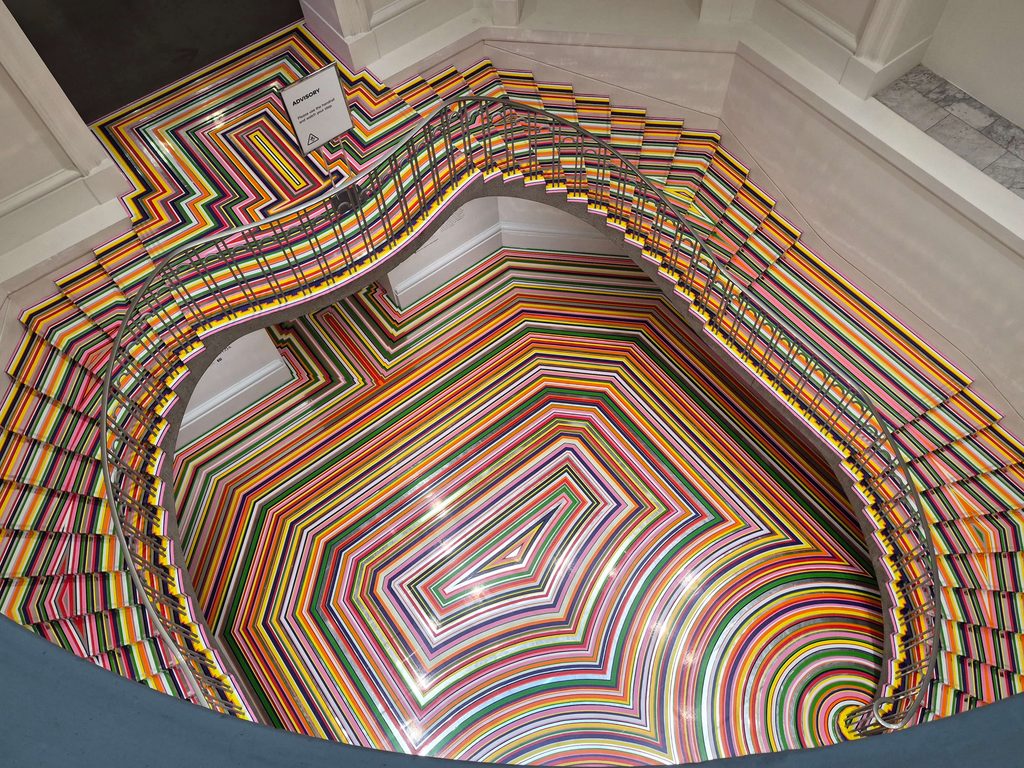
The most interesting exhibit is by Scottish artist Jim Lambie. His Zobop work uses industrial tape to create fascinating reconfigurations of architectural spaces. Here he covers part of the first floor and the stairs to the second floor. An attendant has to consistently remind visitors to hold handrails while descending the stairs because these patterns can mess up your depth perception.
The third floor has a selection of modern art…
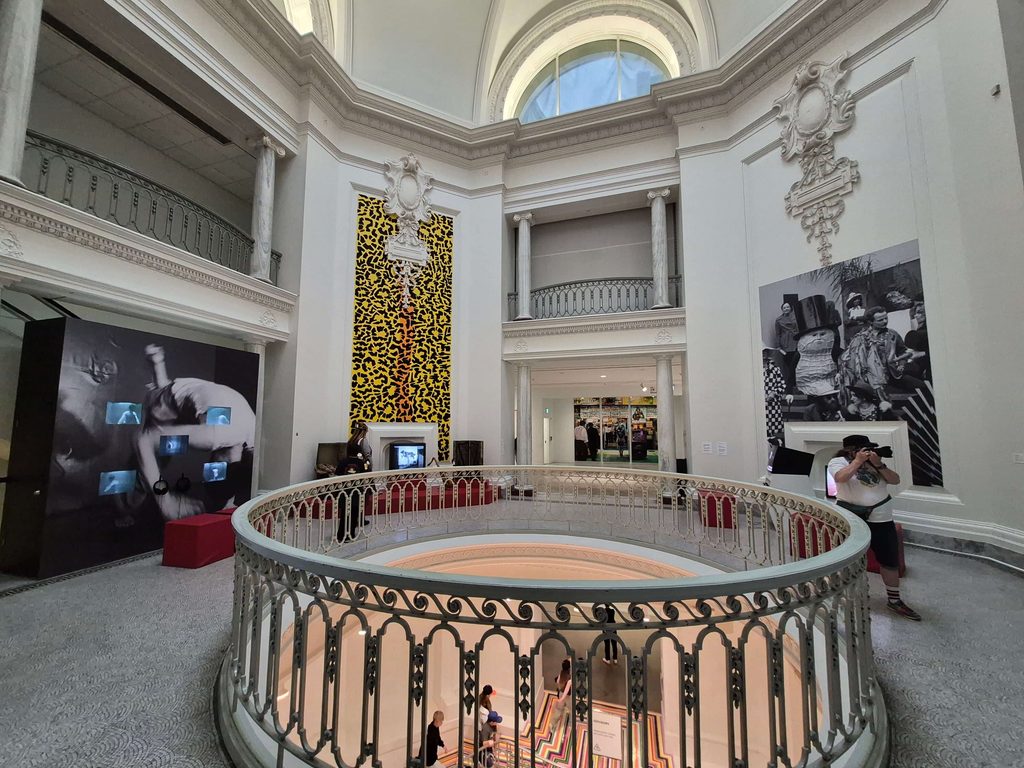
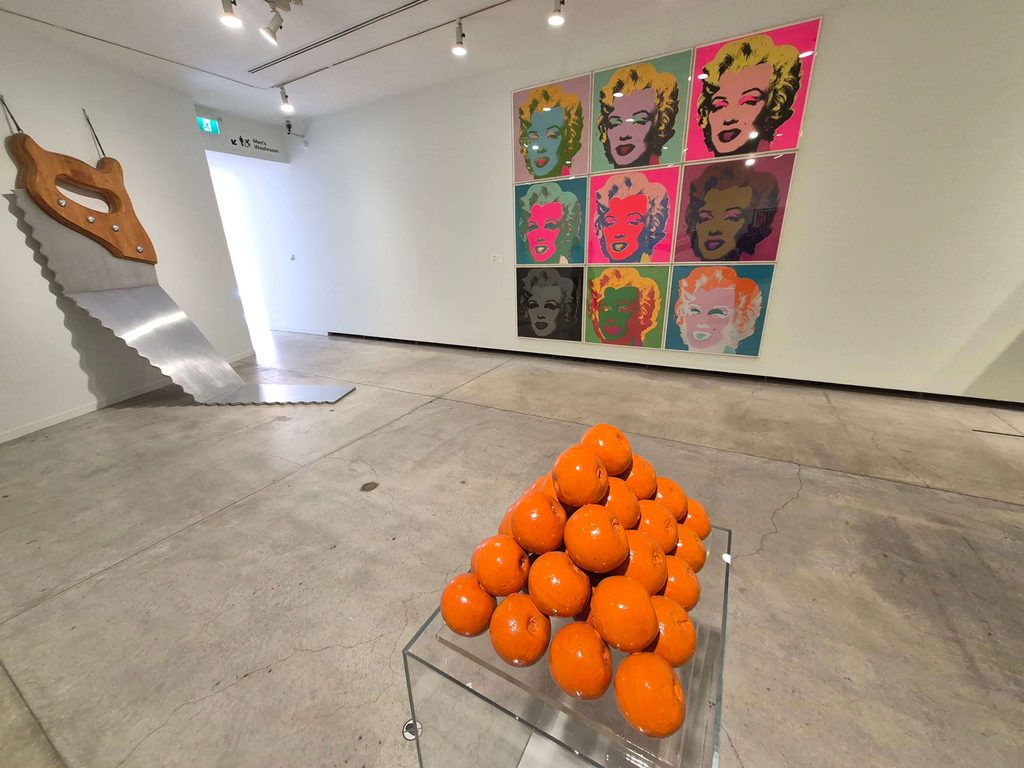
…including an Andy Warhol piece framed by some orange balls and a huge warped saw. I’m not sure why these were grouped together, but that may be the point.
Capilano Suspension Bridge Park
In North Vancouver there is the beautiful Capilano Suspension Bridge Park.
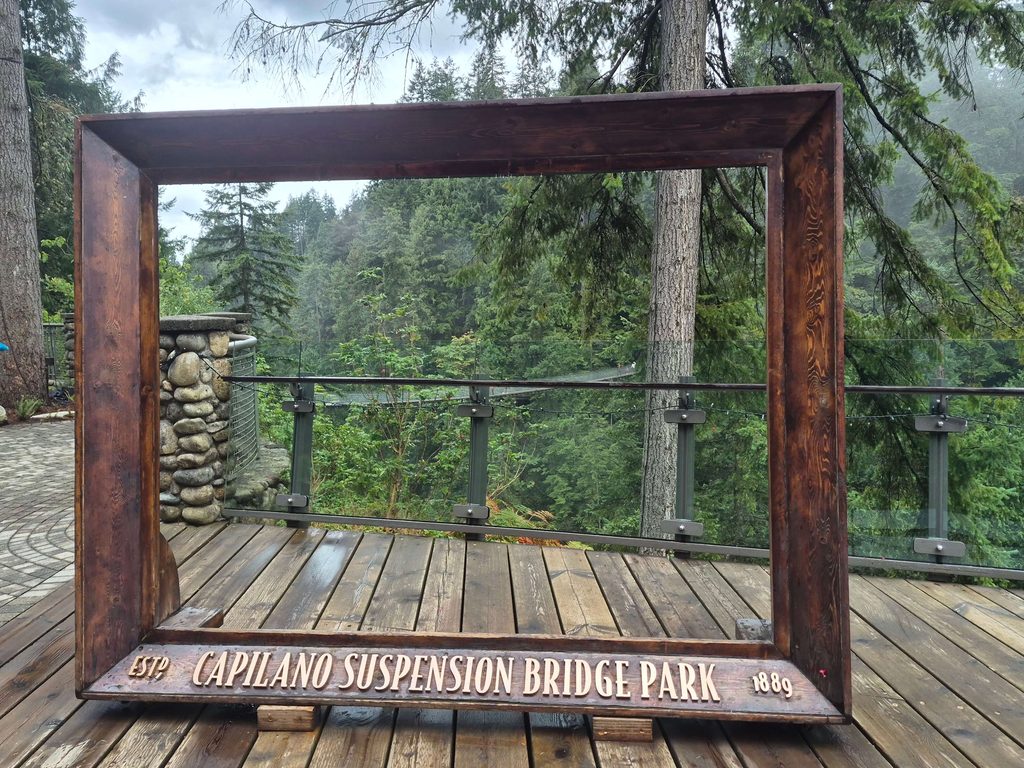
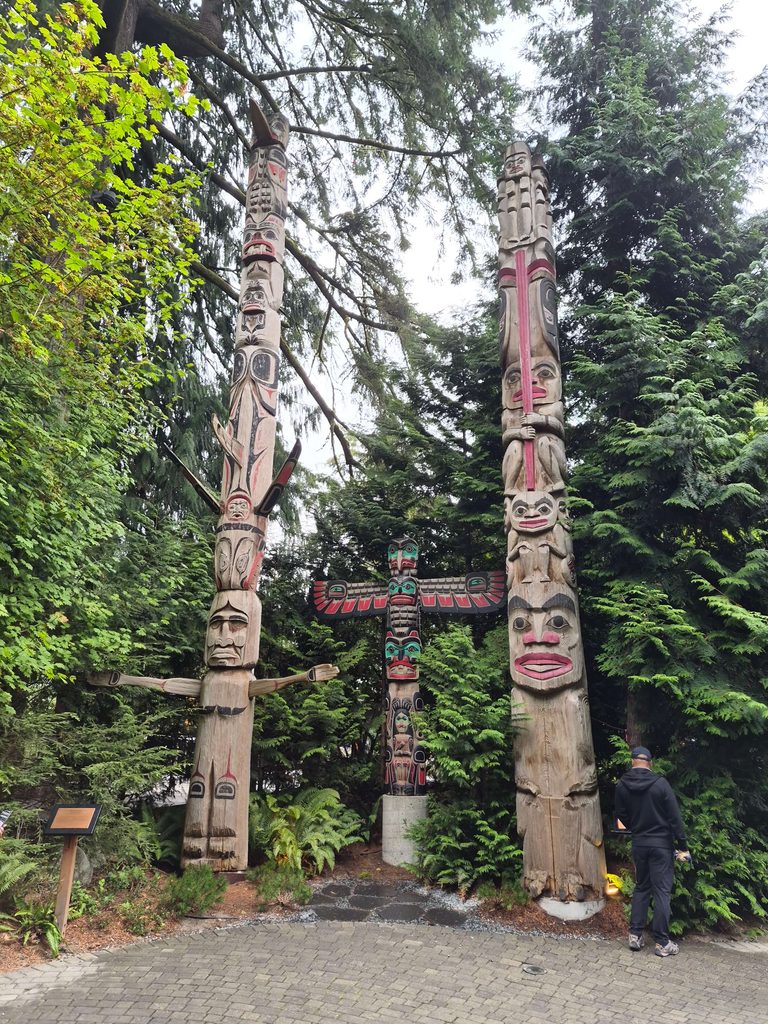
The star of the Park is the actual bridge, which spans 140 meters (460 ft) and is 70 meters (230 ft) above a small river. It sways as you walk across it and can create some fun challenges to try to steady your phone while you take pictures.
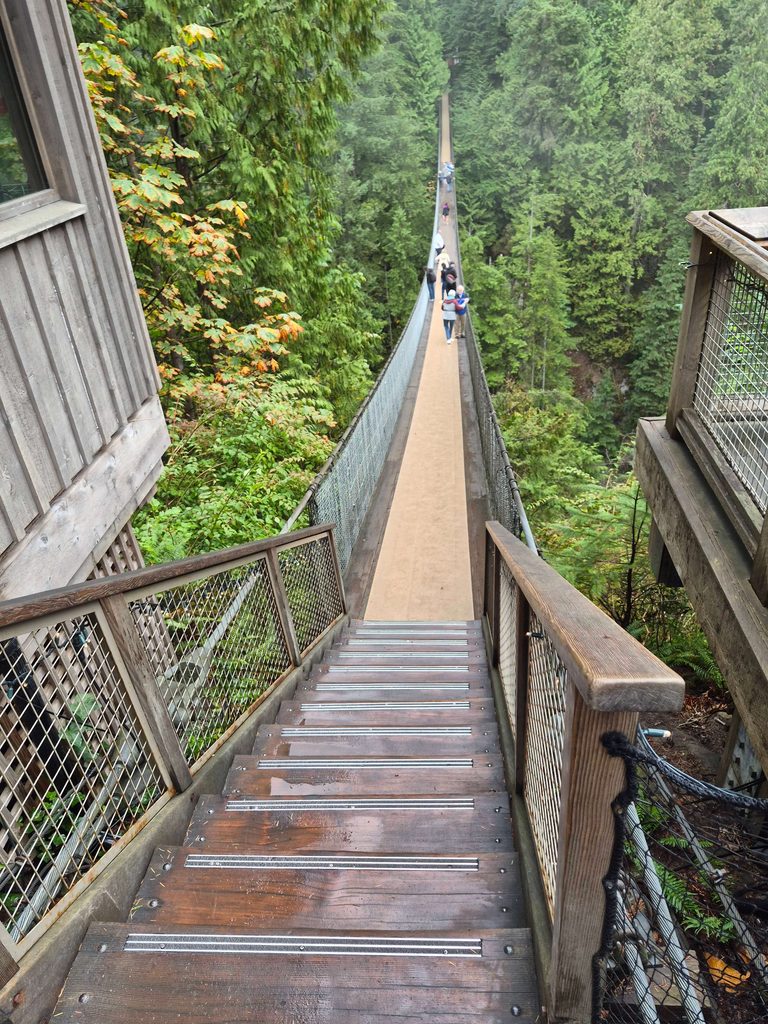
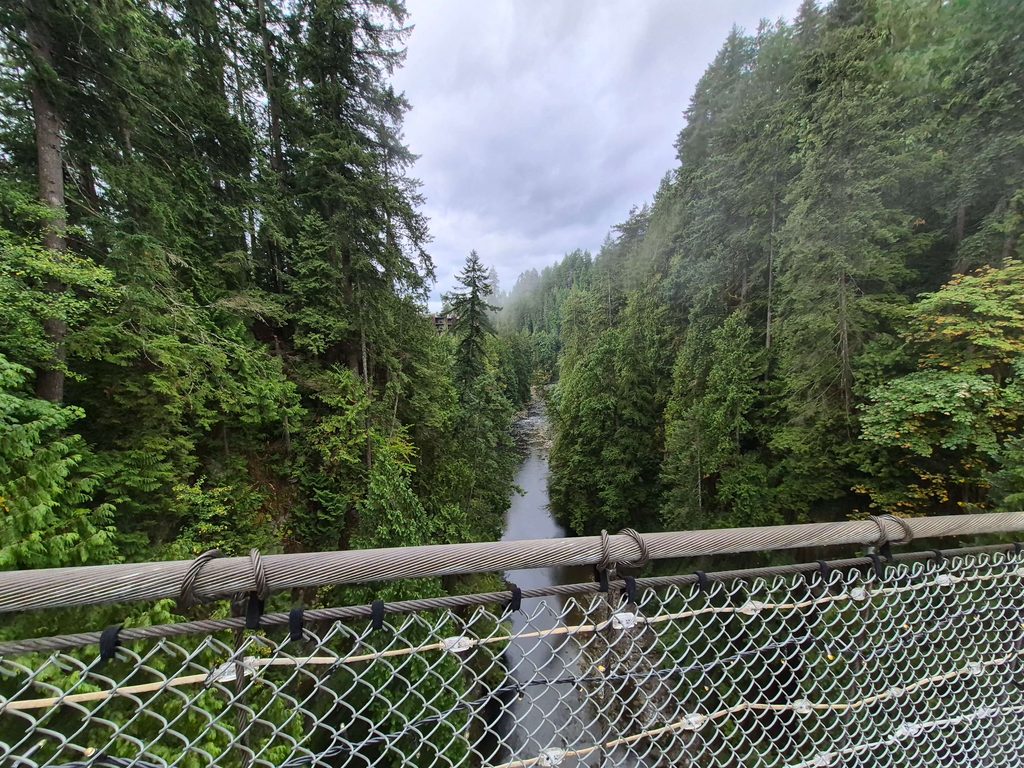
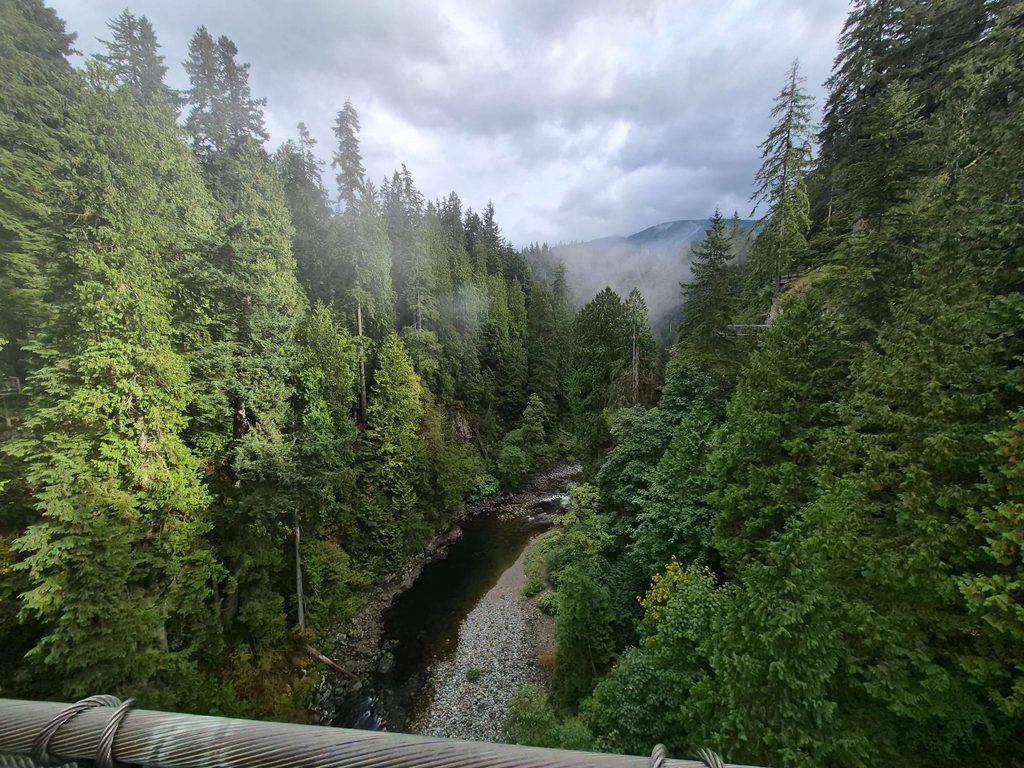

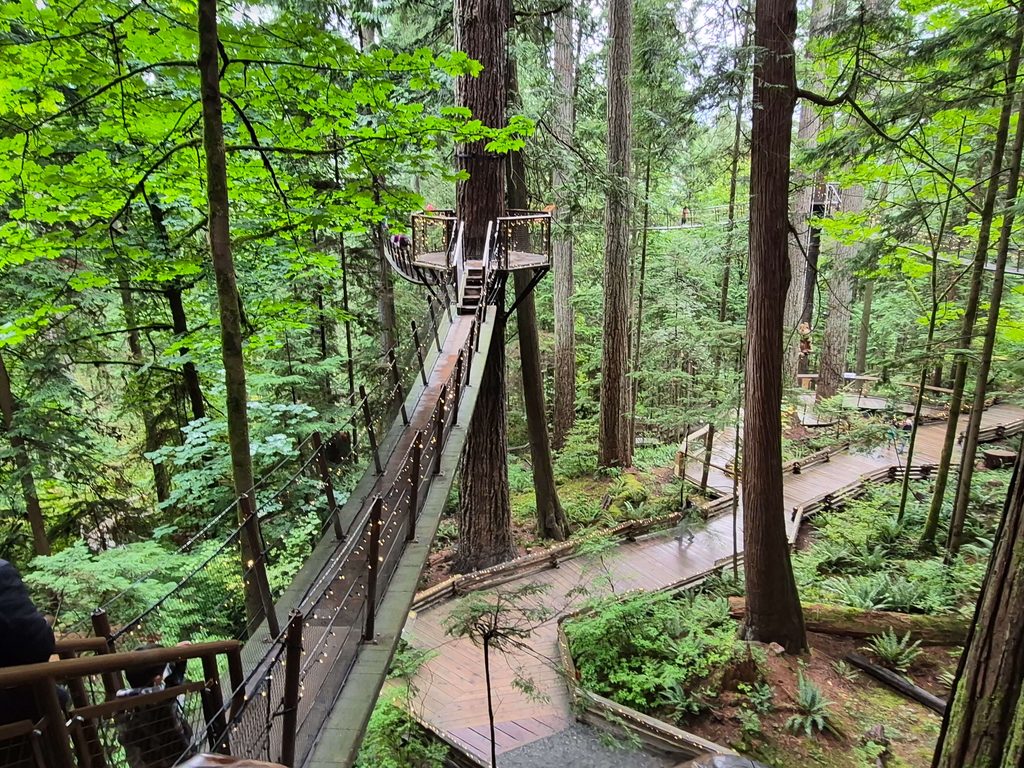
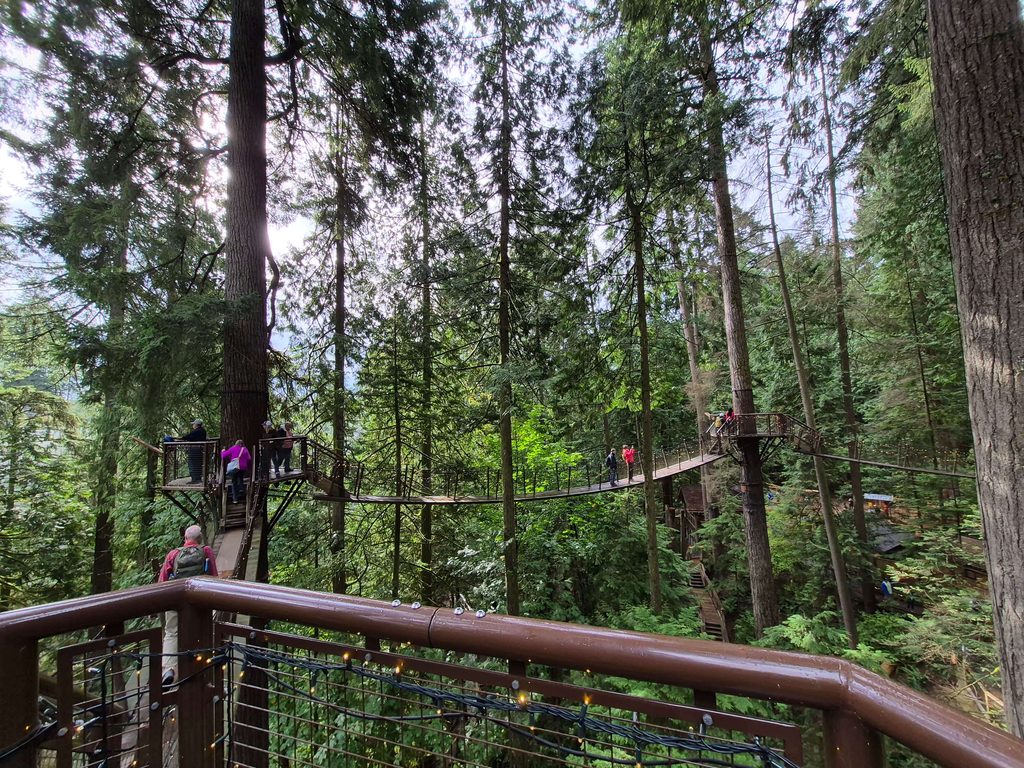
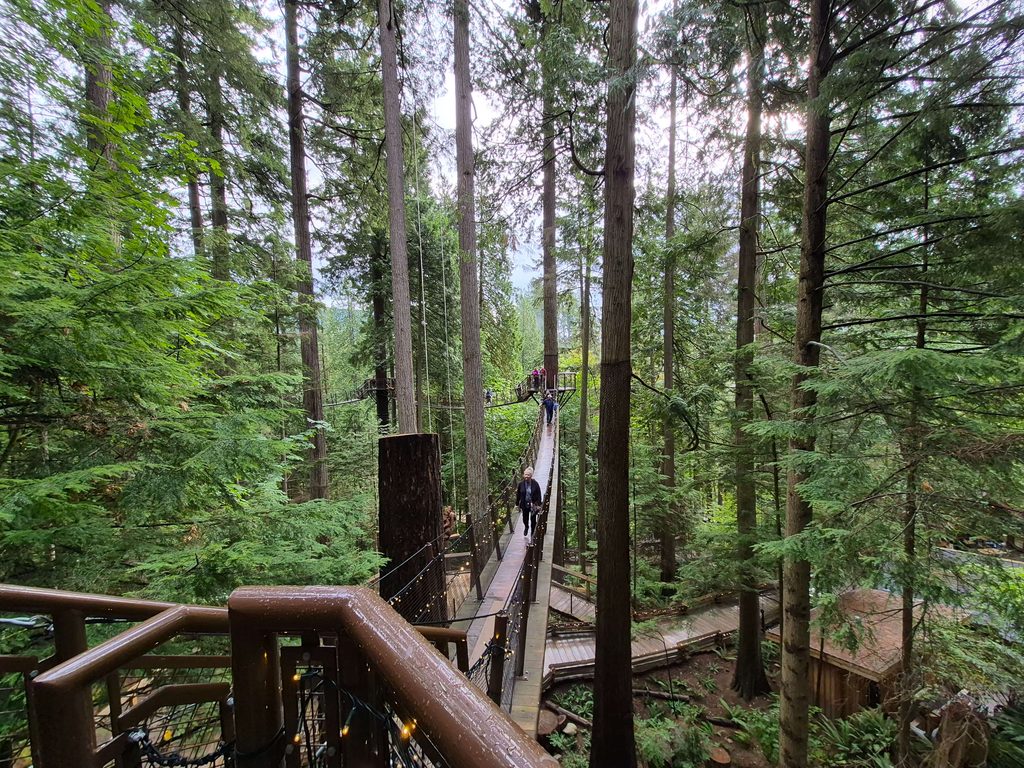
There are also some wonderful wooden trails through and above the lush, green forest.
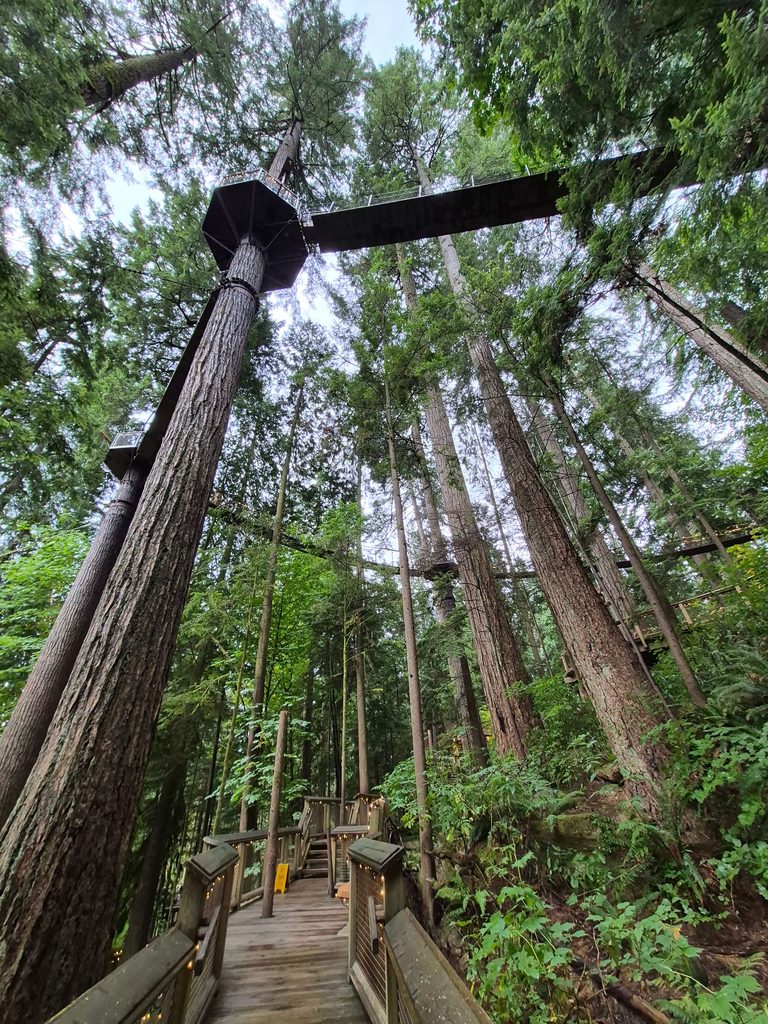
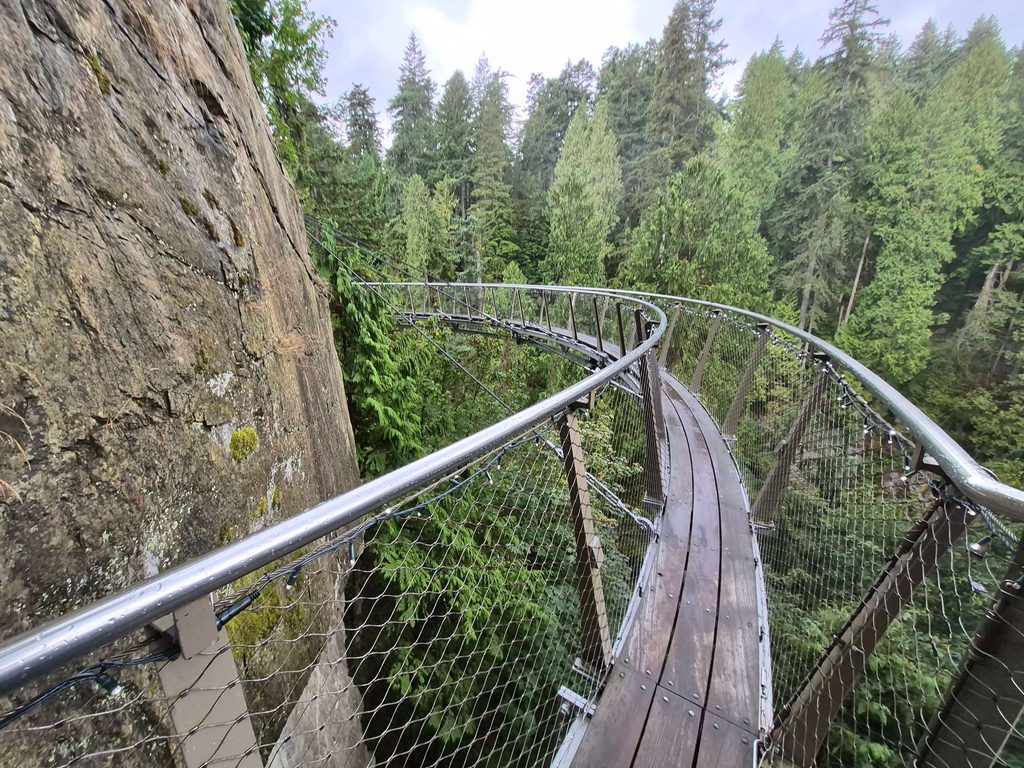
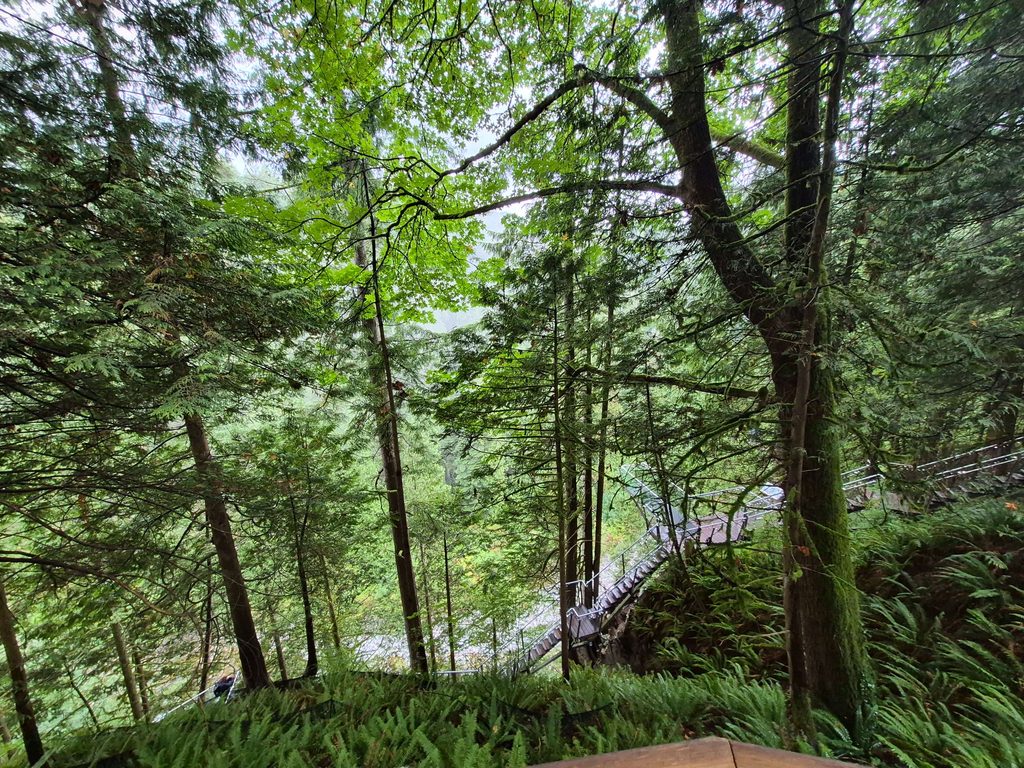
At one point you can walk across a small trail built around the side of a sheer cliff.
Victoria
I spent a full day in Victoria. In the morning I walked around the primary tourist area and in the afternoon I went out to the very lovely Butchart Gardens.
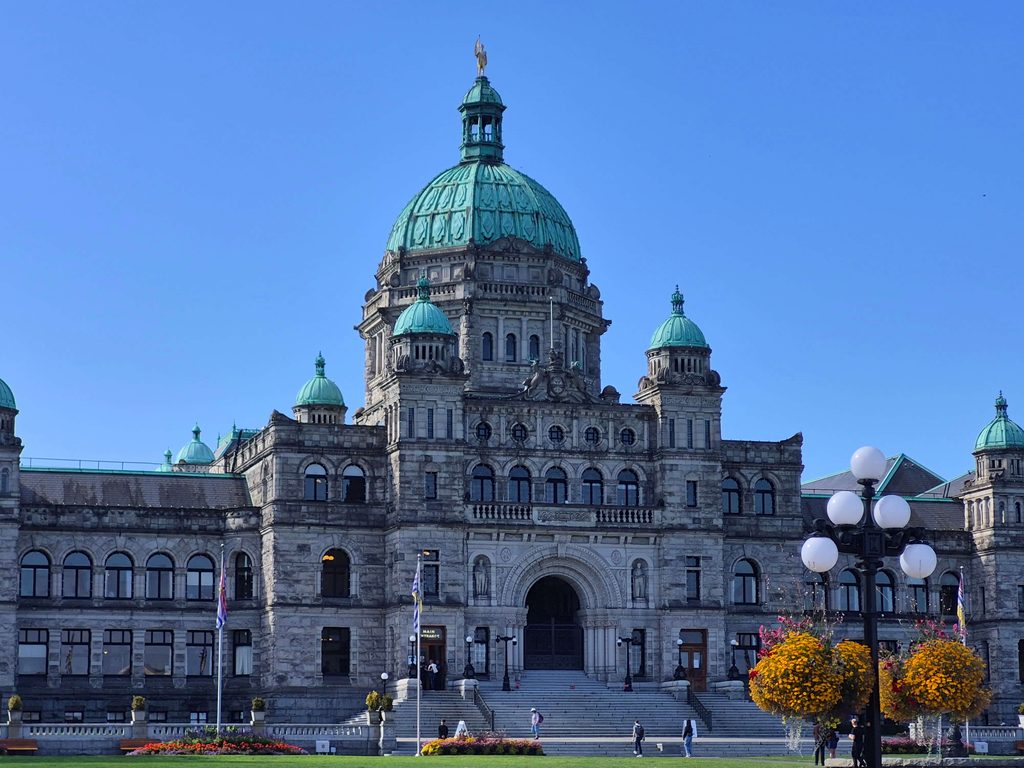
Built in 1898, the British Columbia Parliament Building is one of the iconic views of Vancouver. Here it is fronted by a Welcome to Victoria flower arrangement.
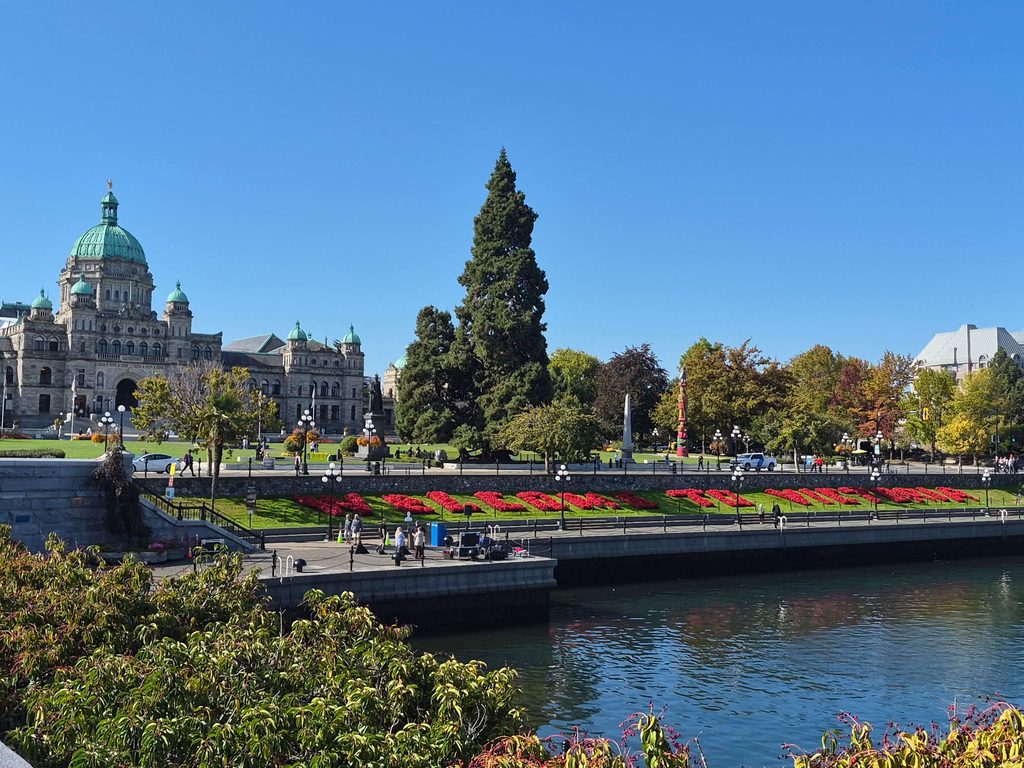
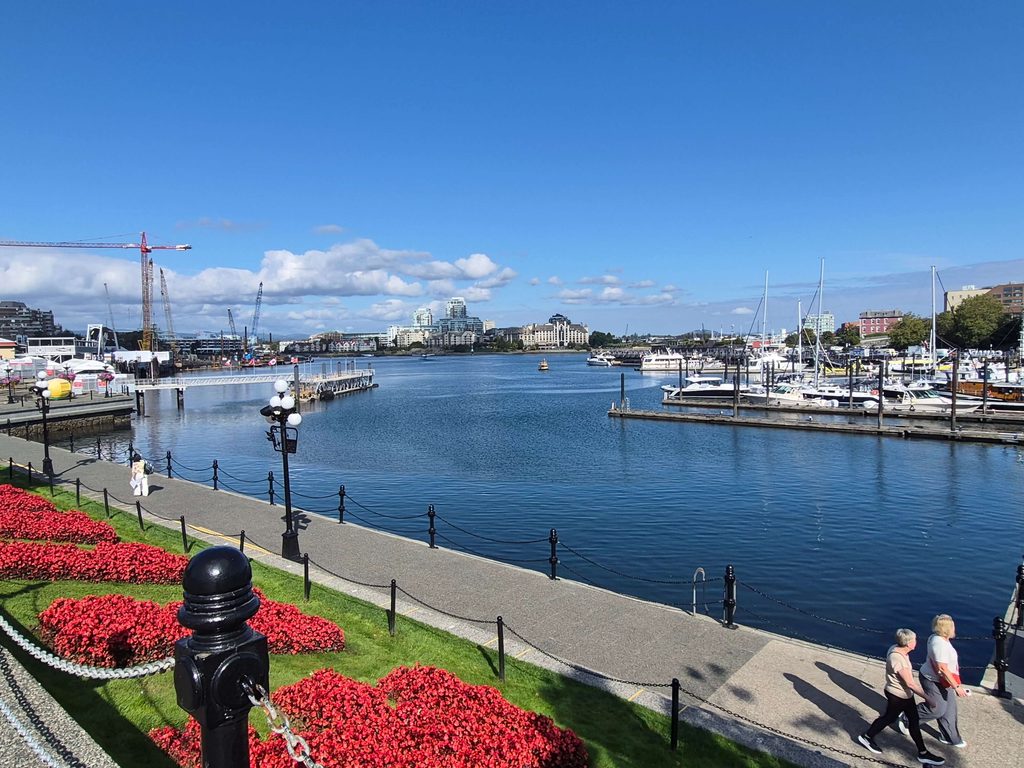
Victoria Harbour provides a wonderful backdrop to downtown Victoria.
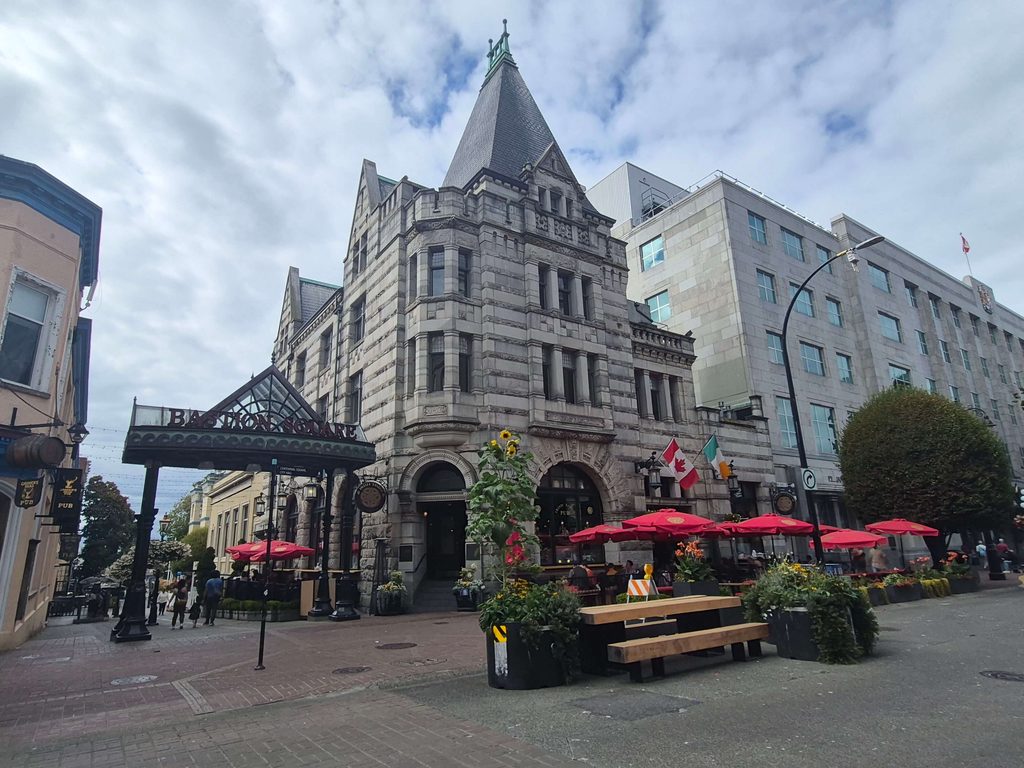
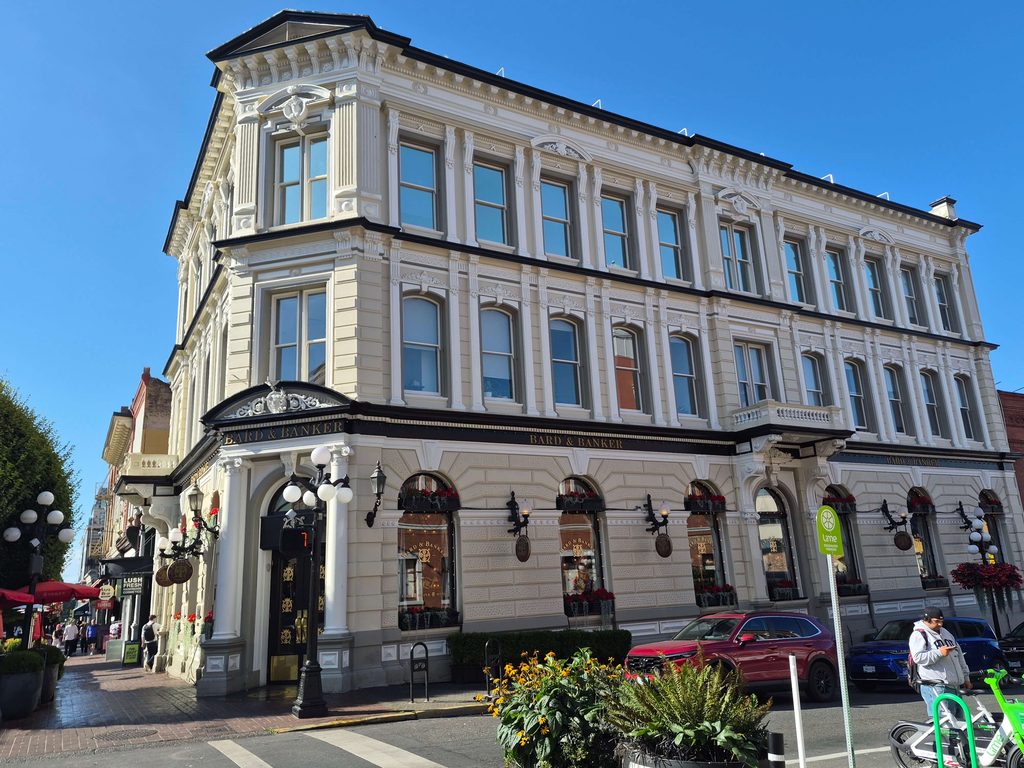
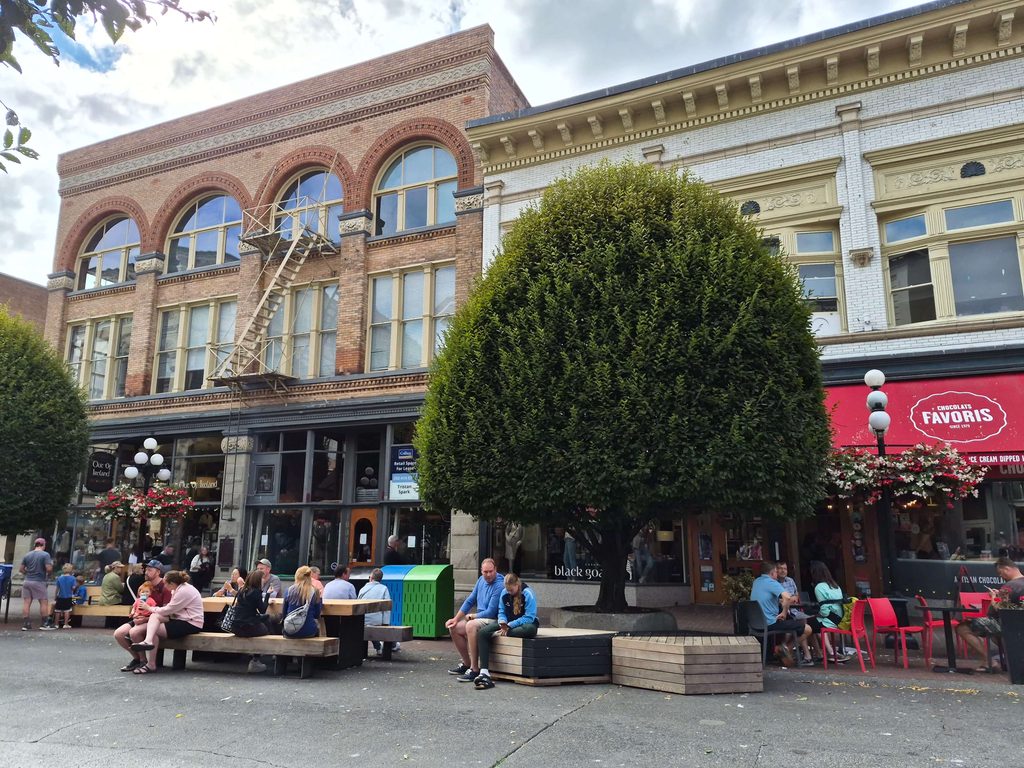
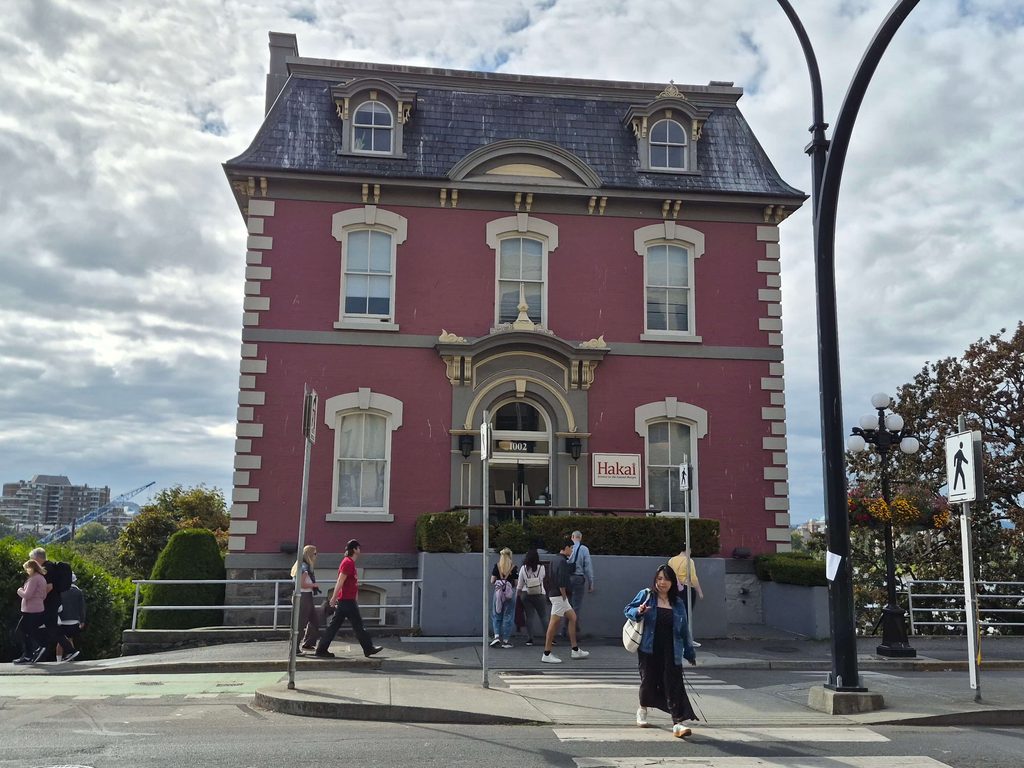
There are numerous 19th century buildings along the primary Government Street tourist area.
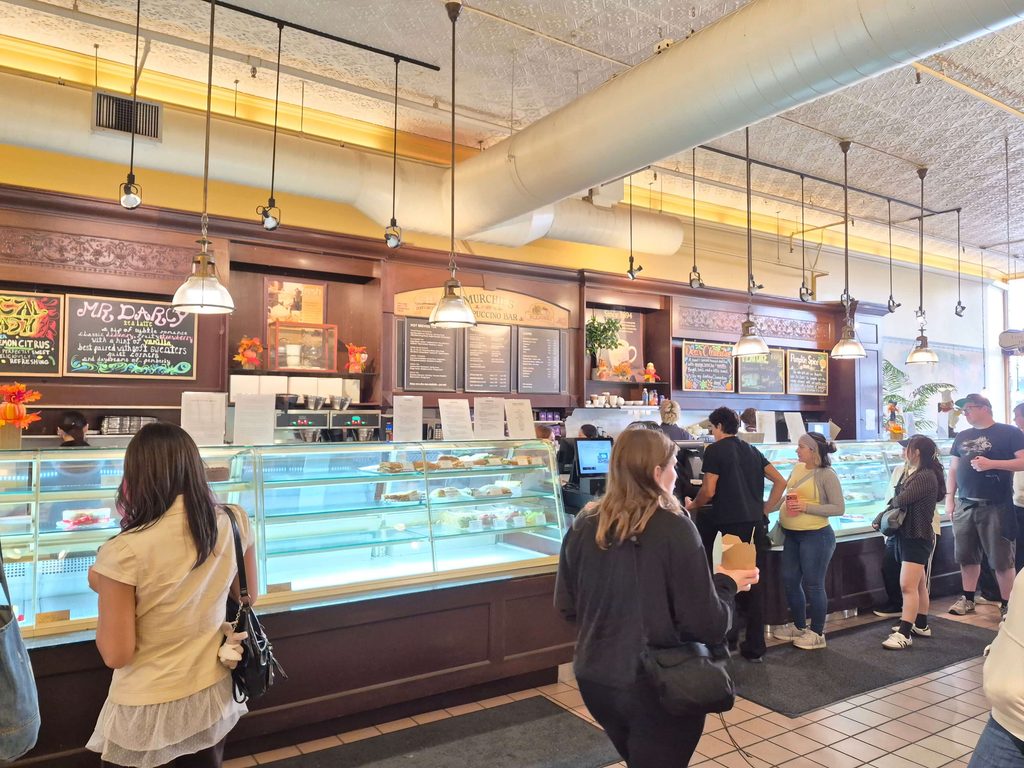
Since 1894, Murchies has been a Victoria institution. They take their tea blending seriously with a wide variety of custom designed teas.
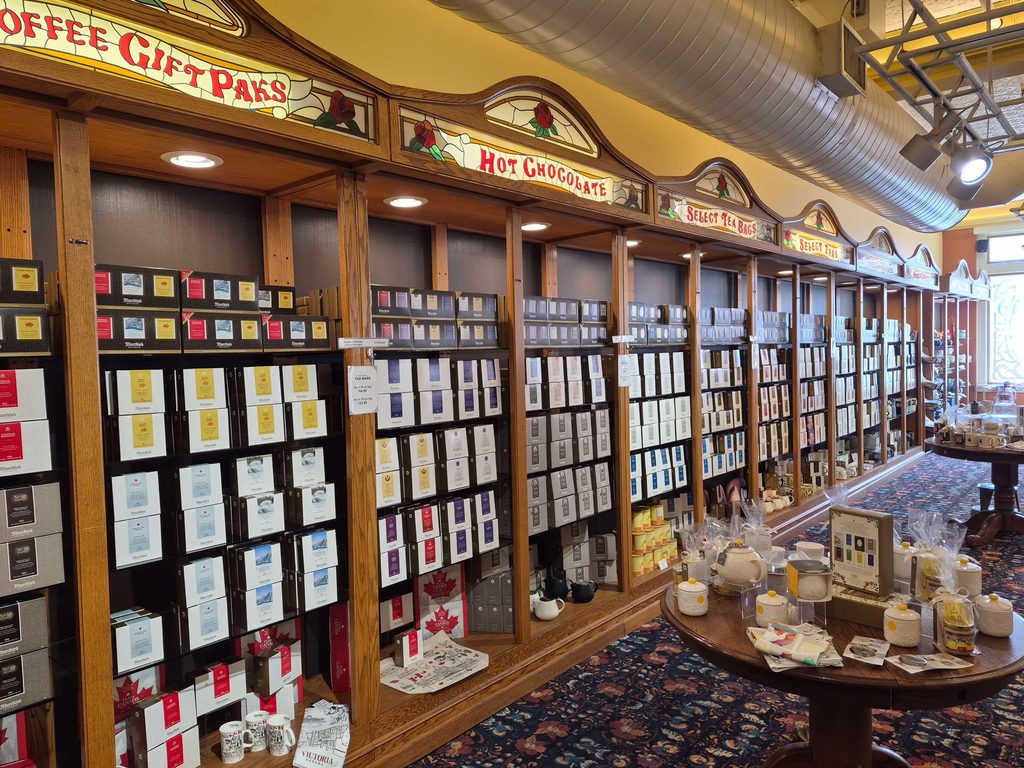
There is also a restaurant area. By early afternoon all the pastries were already cleaned out.
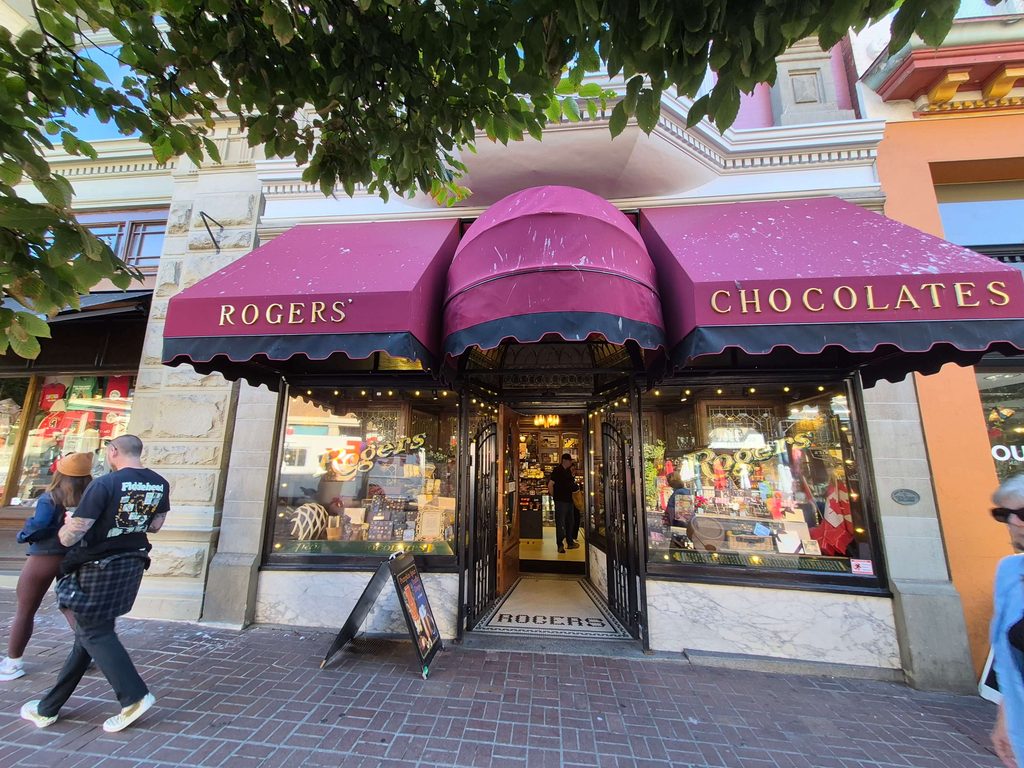
And then there’s Rogers Chocolates. Established in 1885 and in the same location since 1903, it provides some wonderful fresh crafted chocolates.
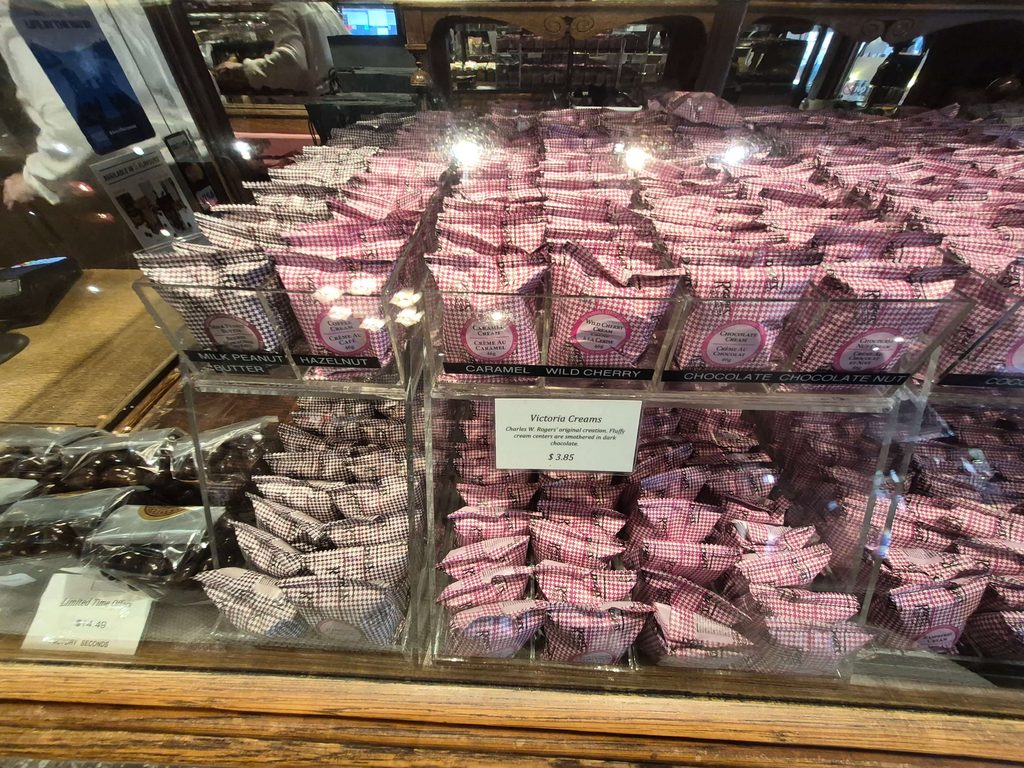
They are best known for their traditional creams. I had the maple (of course), peanut butter, dark cherry and coconut. They were all soft, rich and incredibly satisfying.
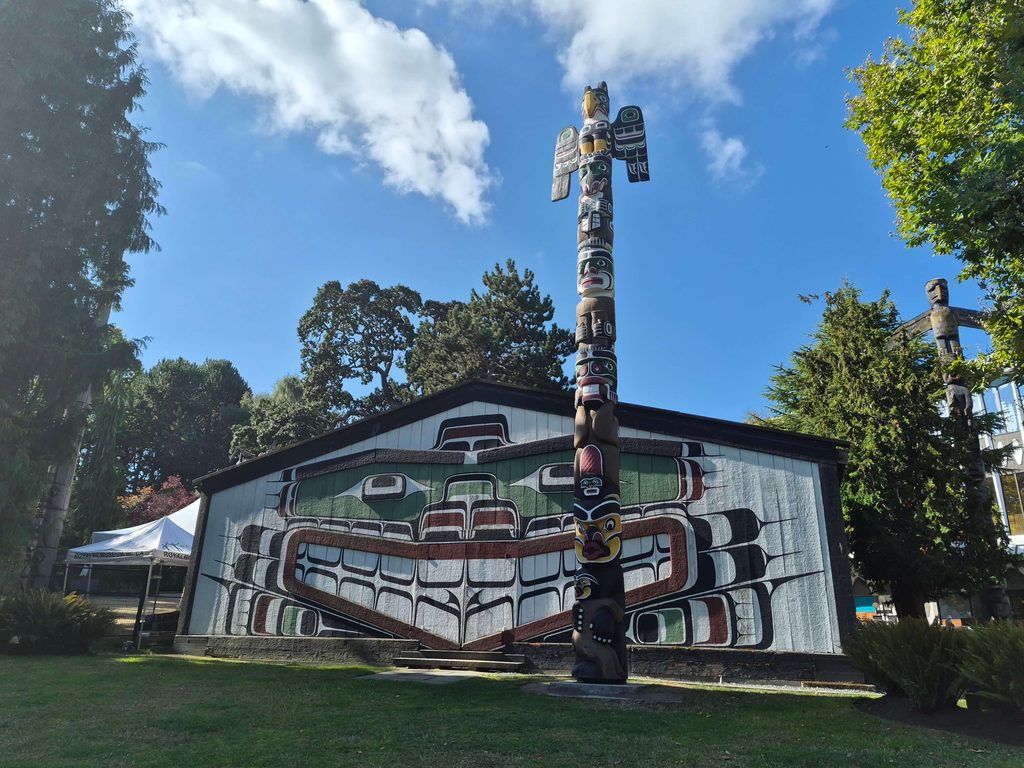
Thunderbird Park has a number of intricate totem poles.
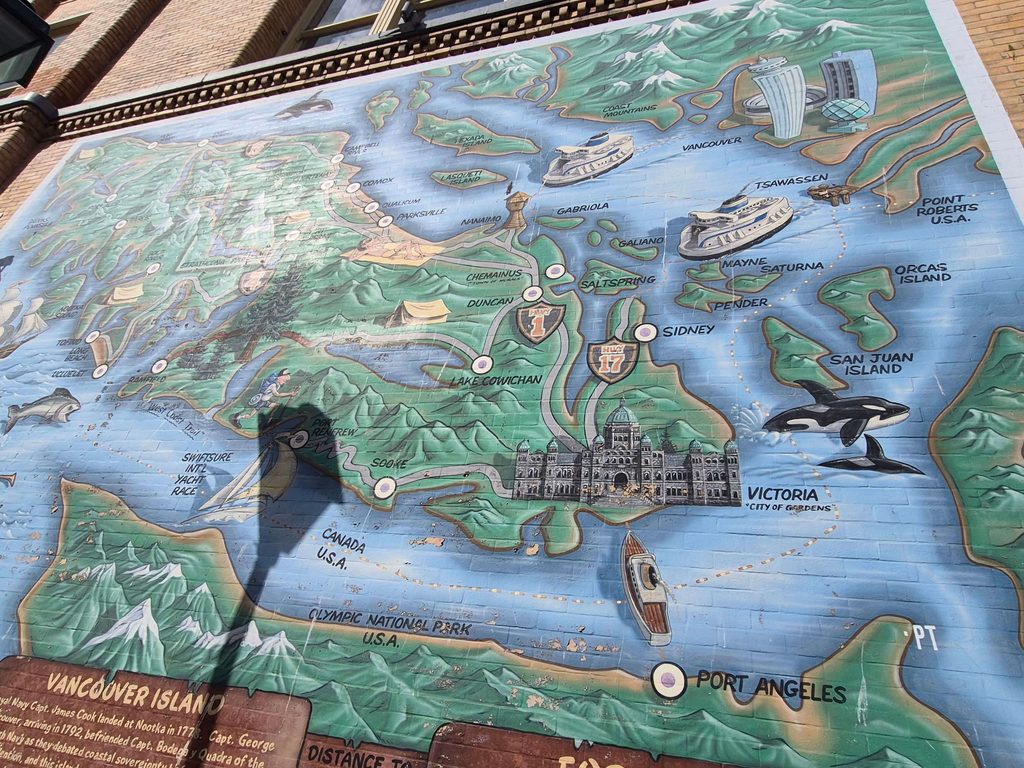
There is a map on the side of the building that shows my itinerary of Vancouver, Salt Spring Island and then Victoria.
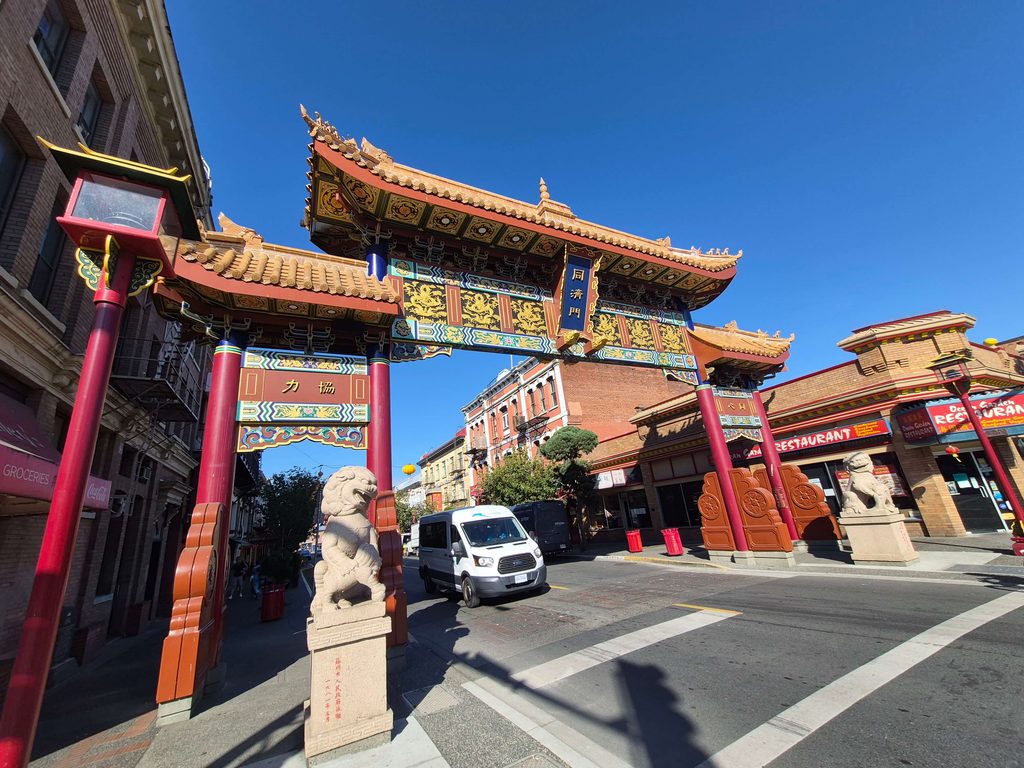
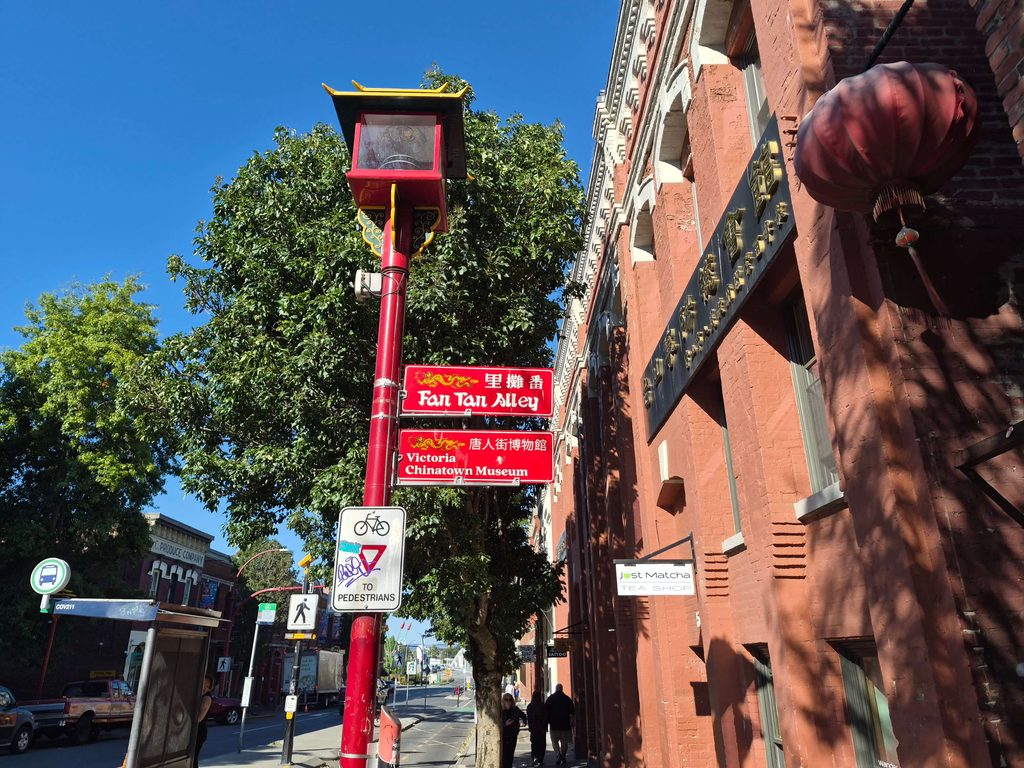
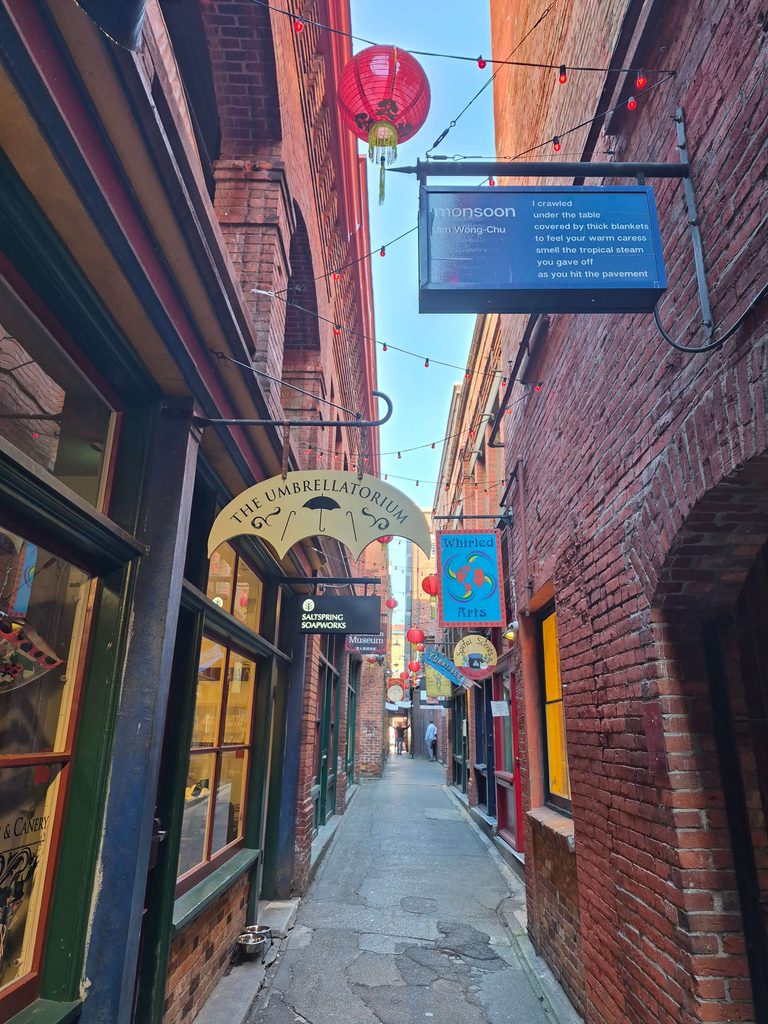
There is a small, but robust Chinatown in Victoria.
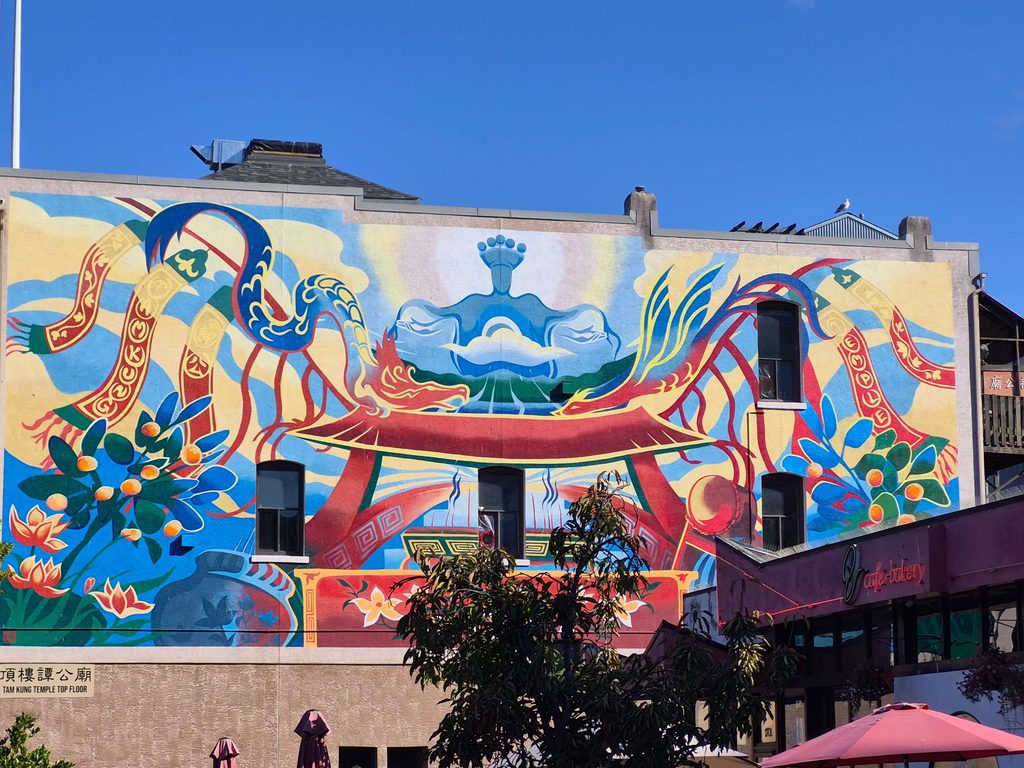
The highlight is tiny Fan Pan Alley where a number of touristy shops are tightly snuggled together in the small space of the alley.
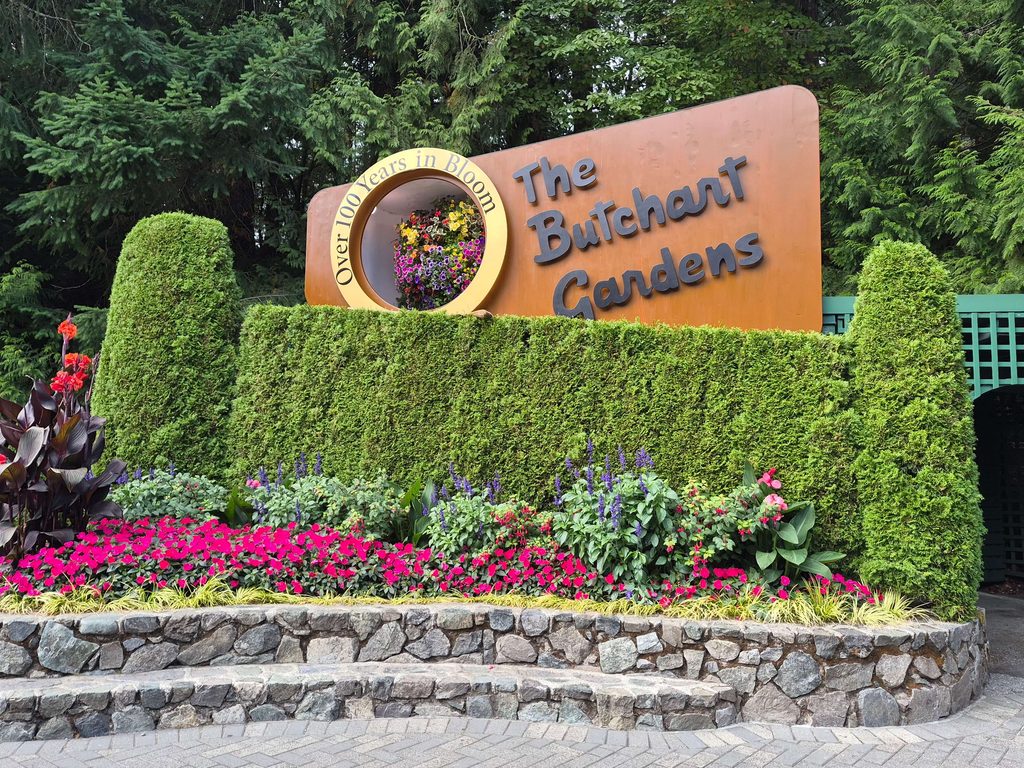
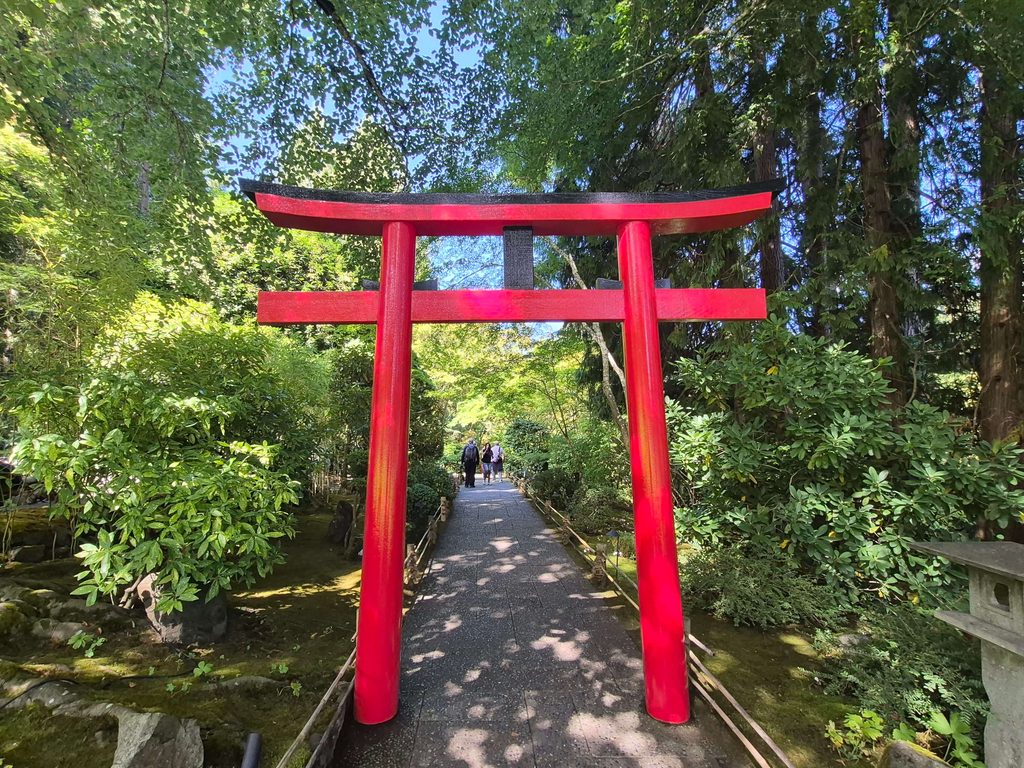
The highlight of my trip to Victoria was The Butchart Gardens. It’s about a 50 minute, $3 bus ride up from downtown that hosts over 1 million visitors per year. It was originally a small home built in 1904 next to Robert Butchart’s cement quarry. Over the years it morphed into a series of gardens as the quarry became exhausted. The Japanese Gardens were created in 1912, the Sunken Gardens in 1921, and the Rose Garden in 1929.
The Butchart Gardens now employs 50 full-time gardeners to tend to the property and its 26 greenhouses. The Rose Garden alone contains 2,500 plants from 280 rose varieties.
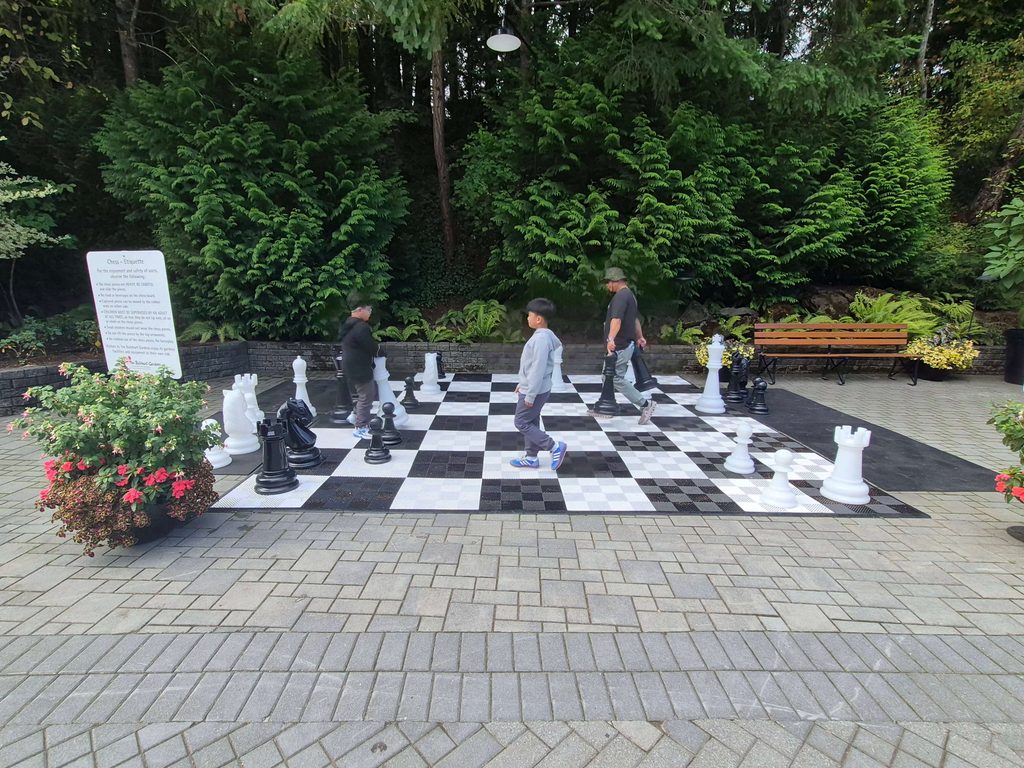
A fun, life sized chess board near the entrance.
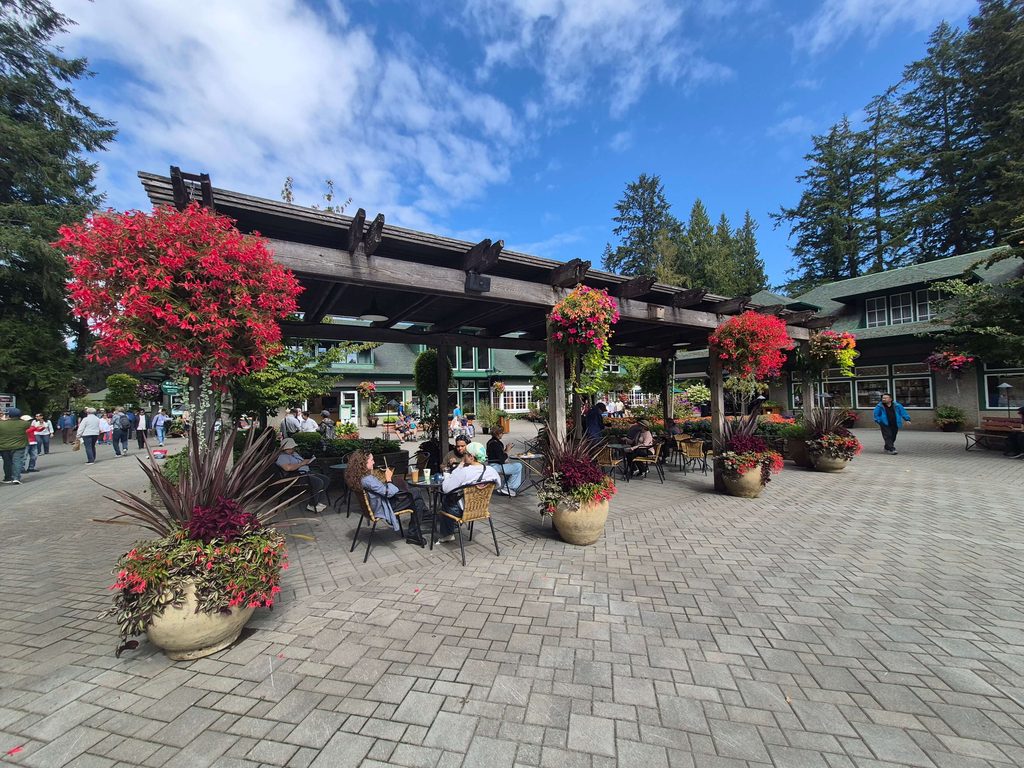
There’s a restaurant with a formal afternoon tea service that is booked weeks in advance. There’s also a coffee shop, gift shop and a gelato stand that had a line of about 50 people deep when I walked by it.
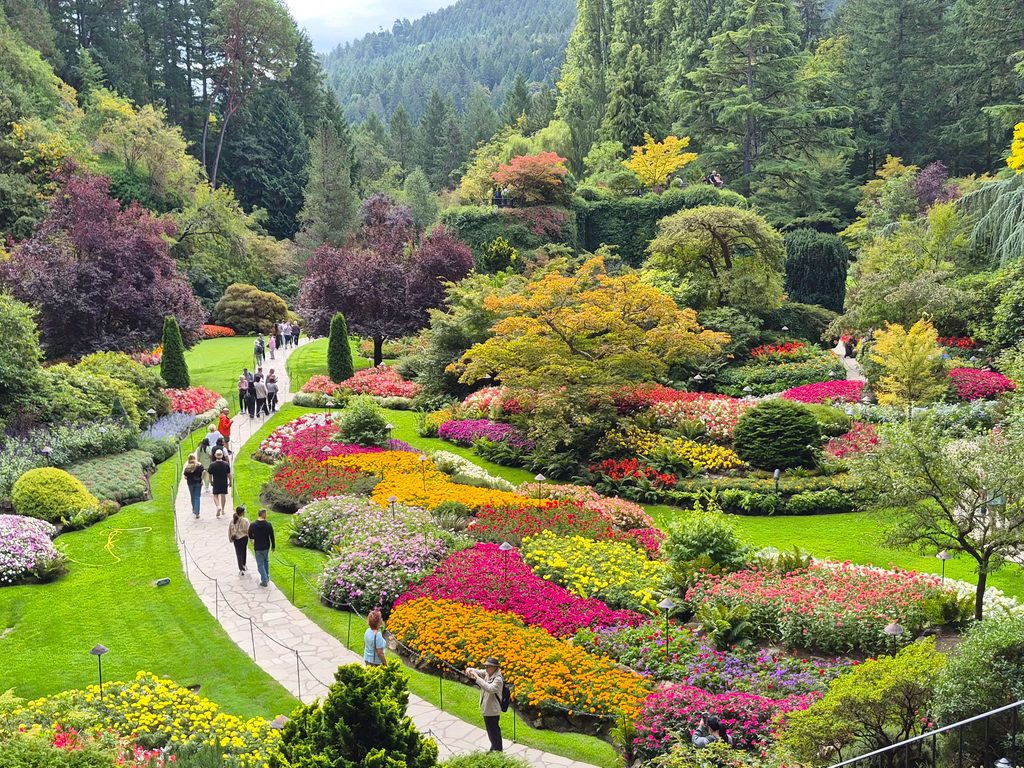
The transcendent beauty of the Sunken Gardens.
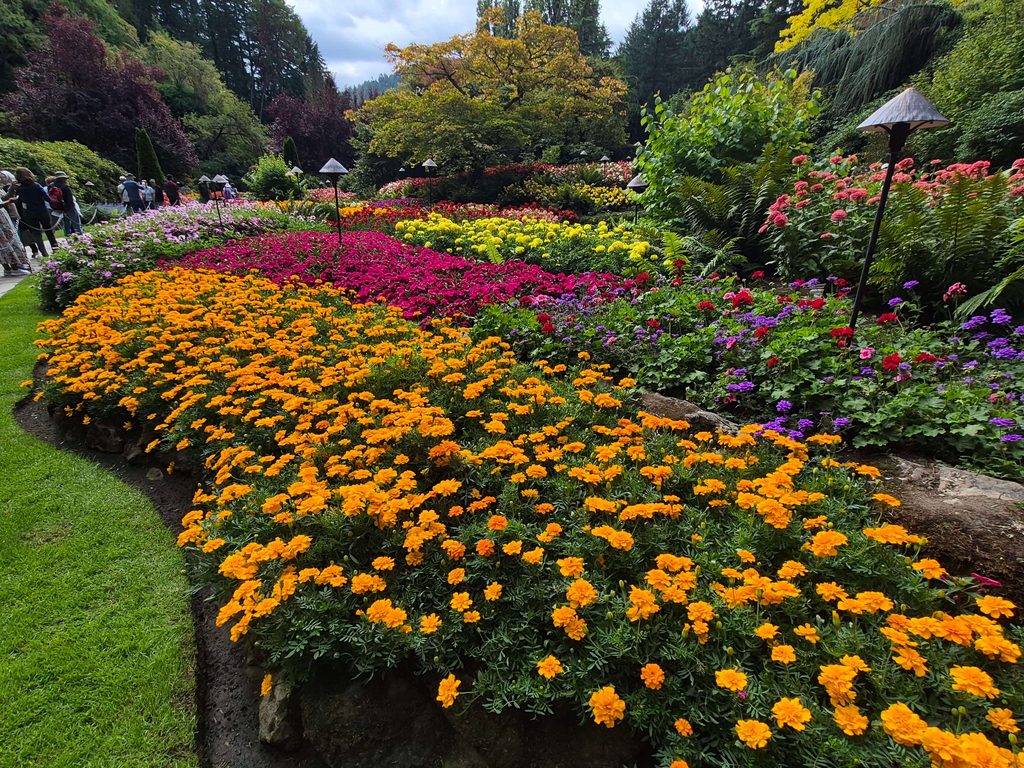
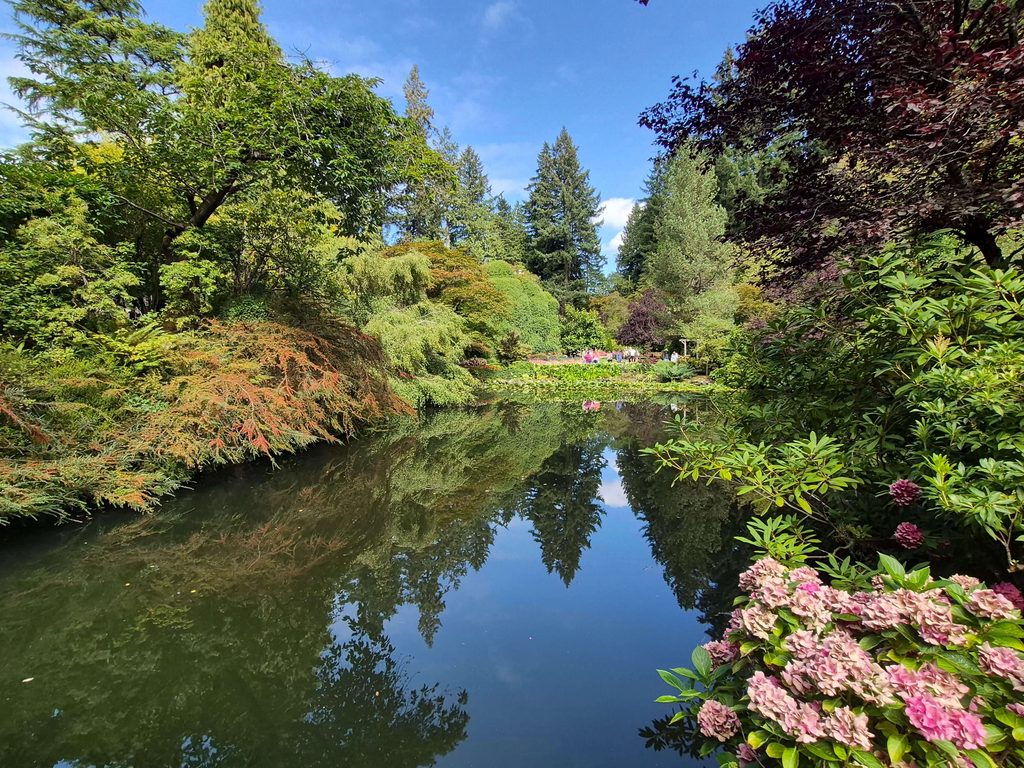
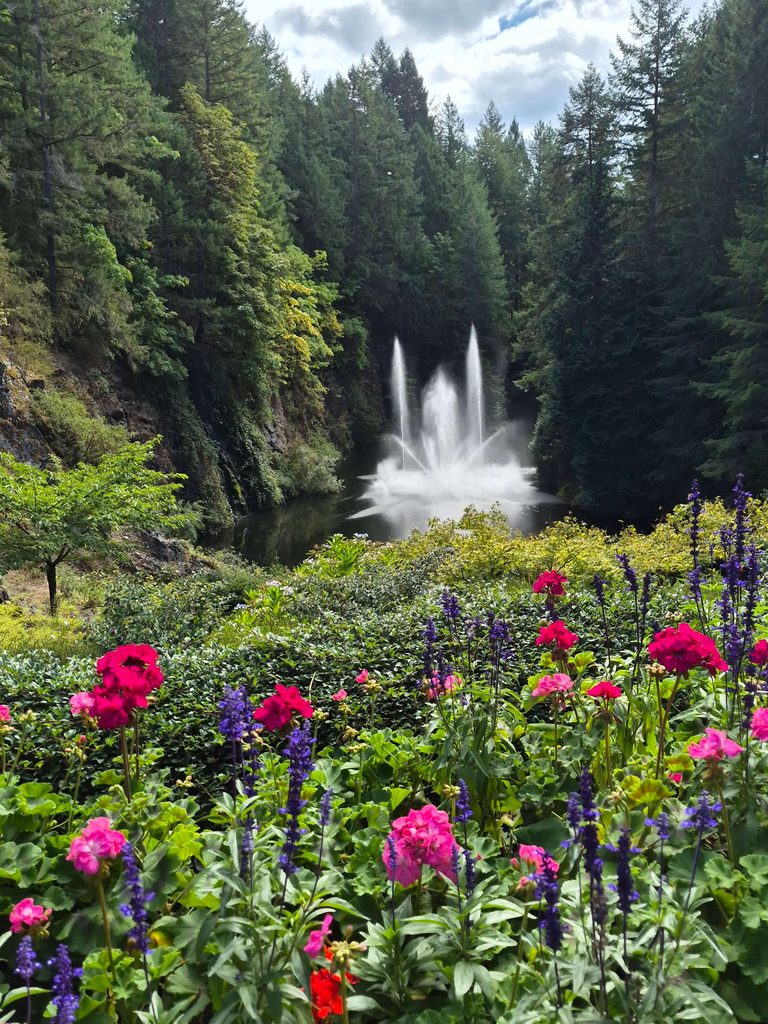
The area around the Rose Garden.

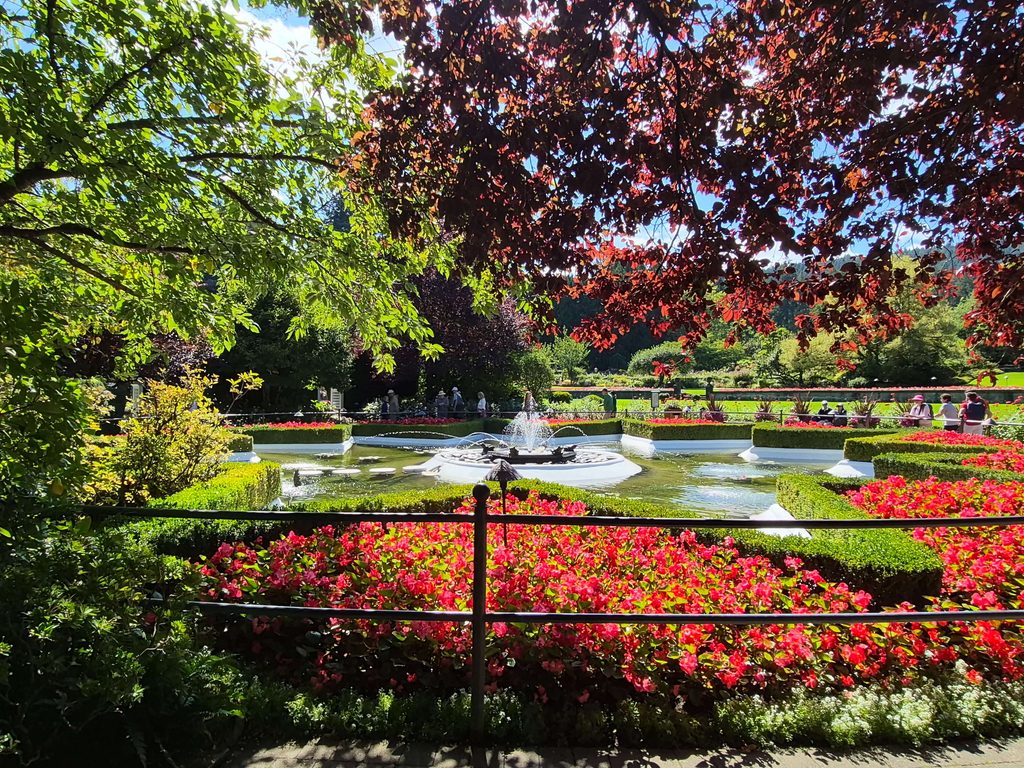
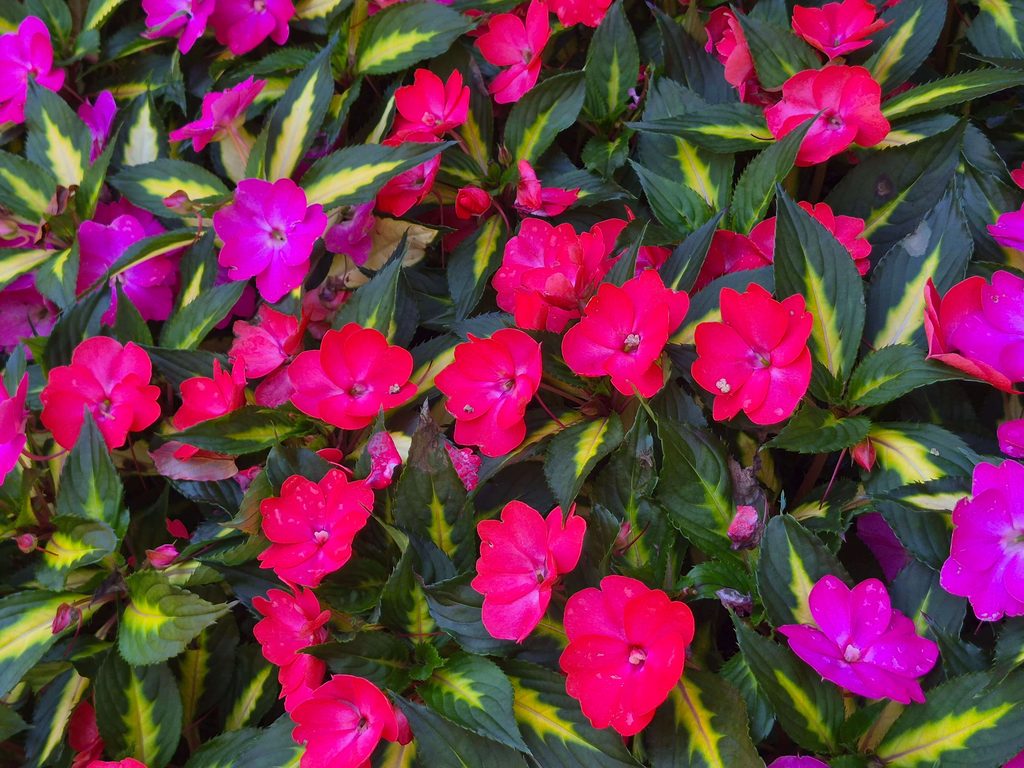
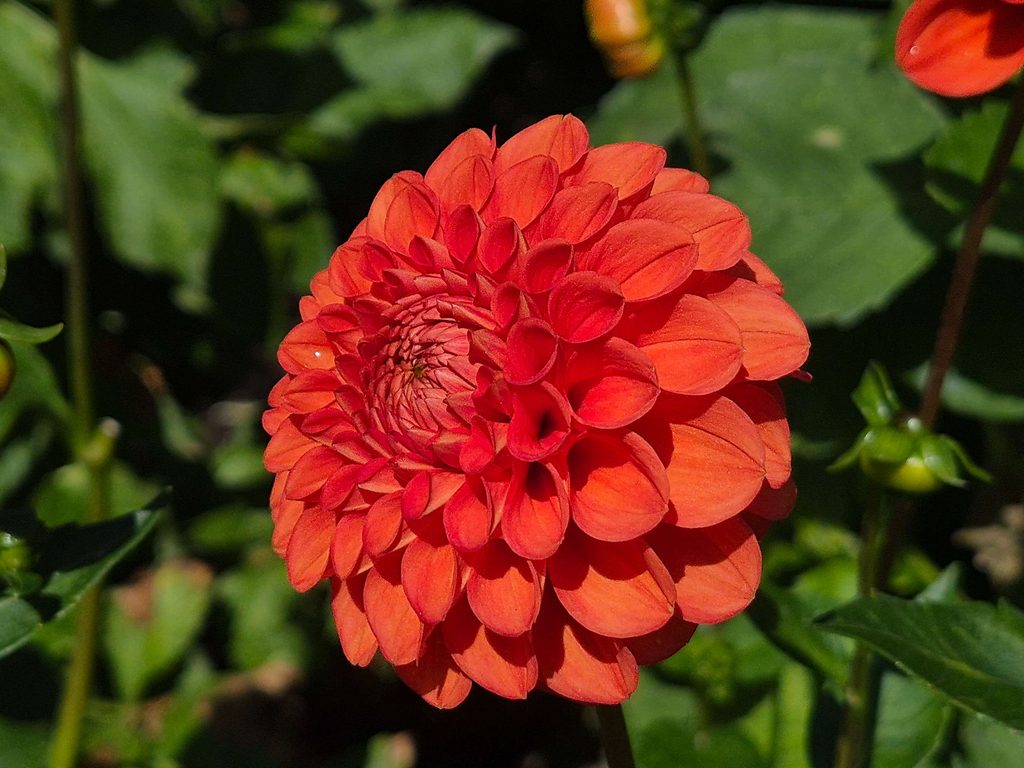
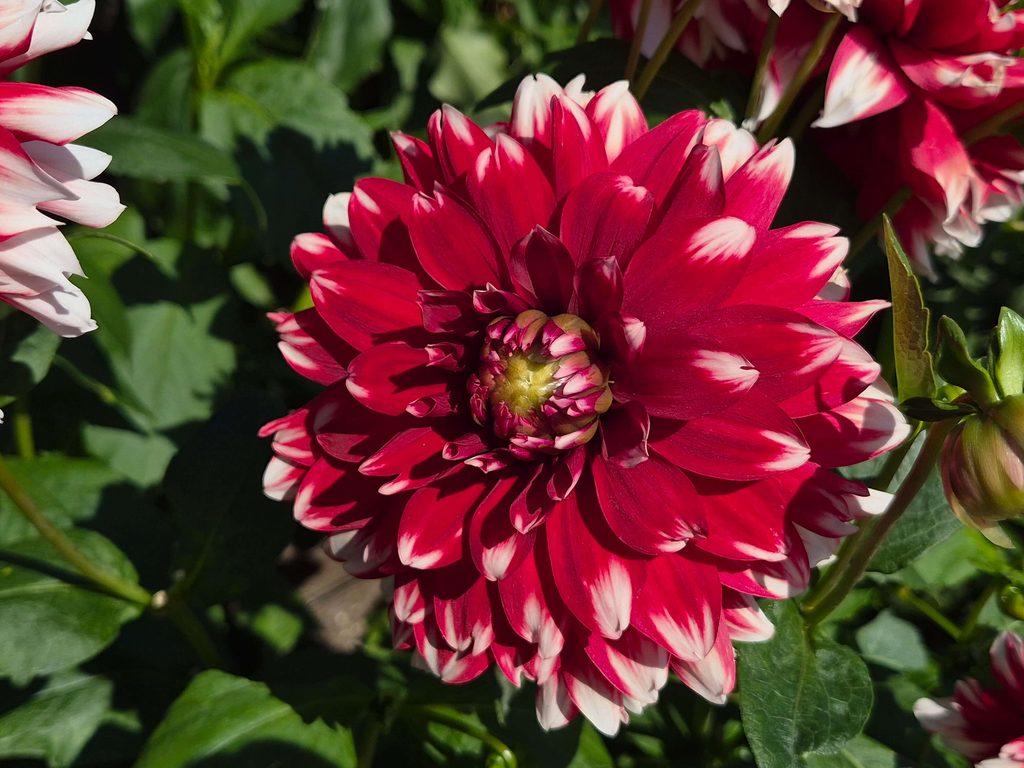
The entrance to the Japanese Gardens.
Salt Spring Island
I spent a few days at Salt Spring Island, which is the largest and most populous of the Southern Gulf Islands in British Columbia. It’s a beautiful place and is known as a vibrant artists’ colony, organic farming hub, and wellness sanctuary.
You can take a seaplane to Salt Spring from Vancouver. I’ve been on a number of small propeller planes, but this was my first seaplane. We boarded the plane from a dock just south of the Vancouver Airport.
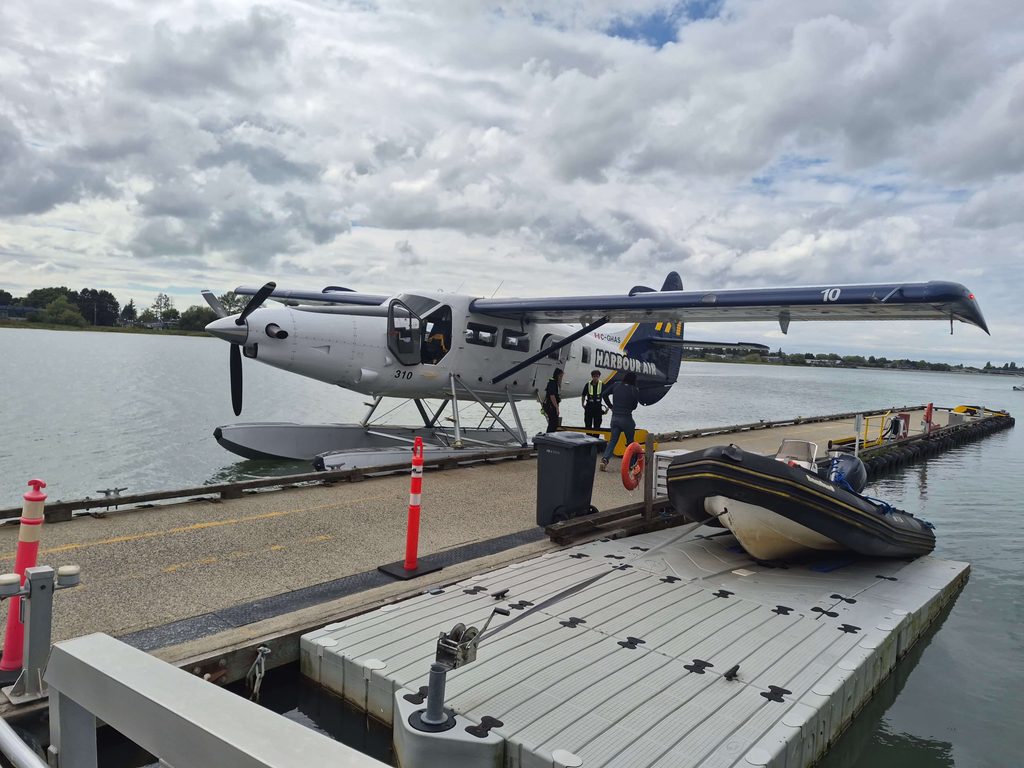
Of course, I had to film the takeoff.
The view over some of the other Gulf Islands during the short flight was beautiful.
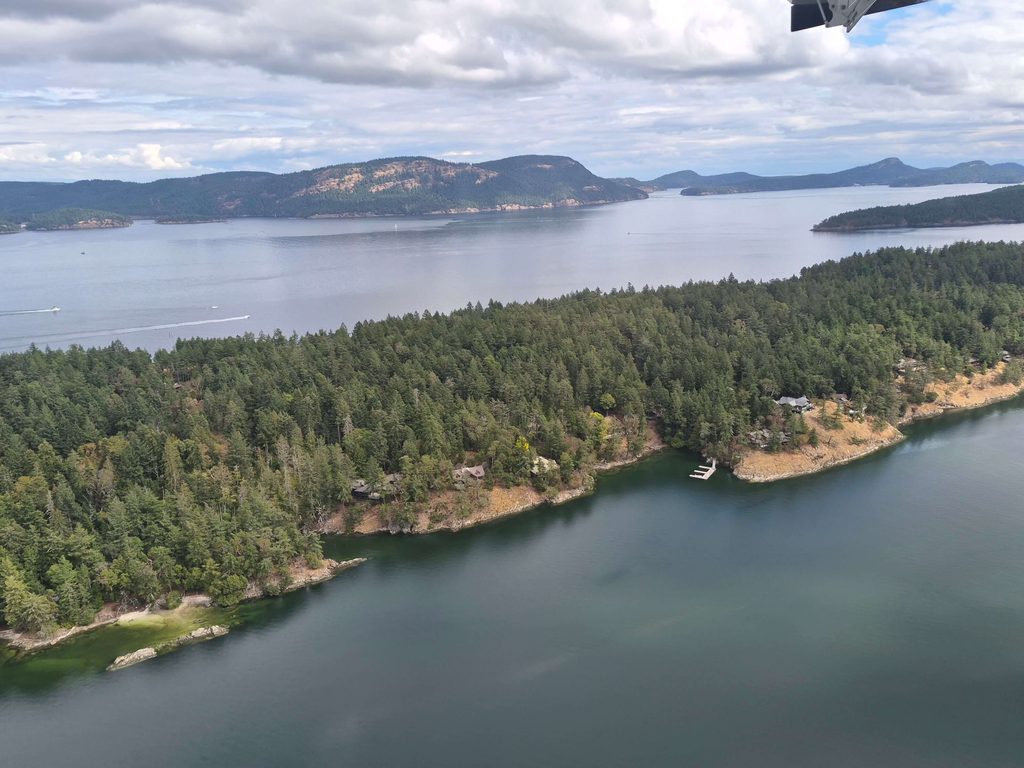
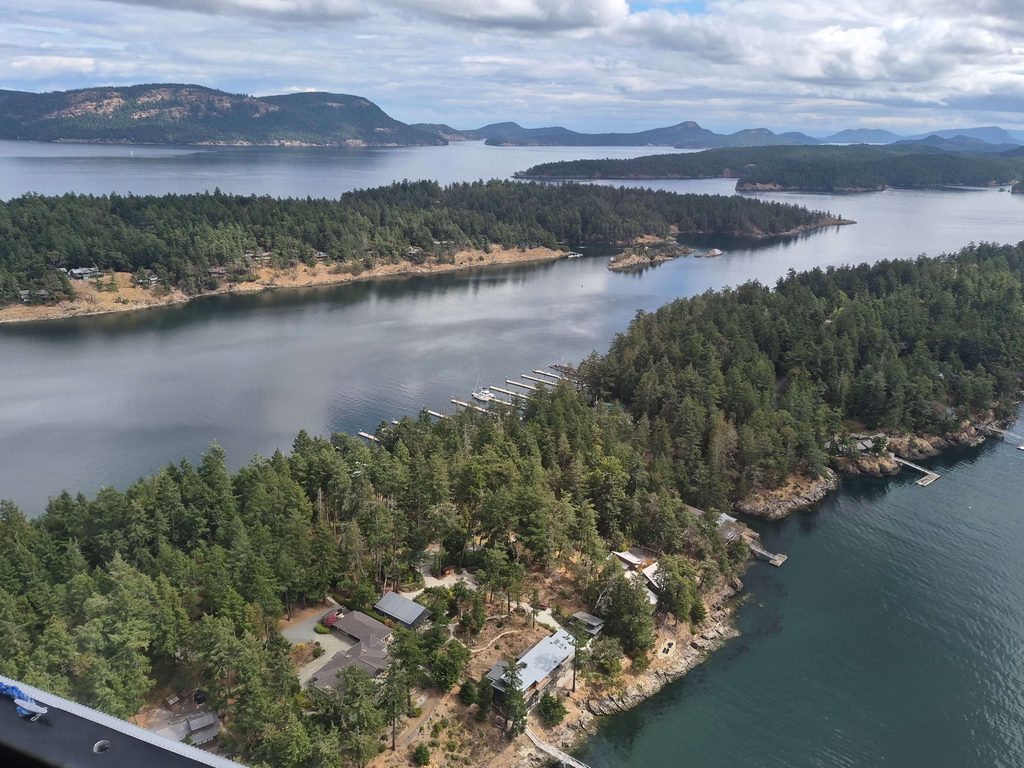
The landing was nice and smooth.
Exiting the plane at the dock on Salt Spring Island.
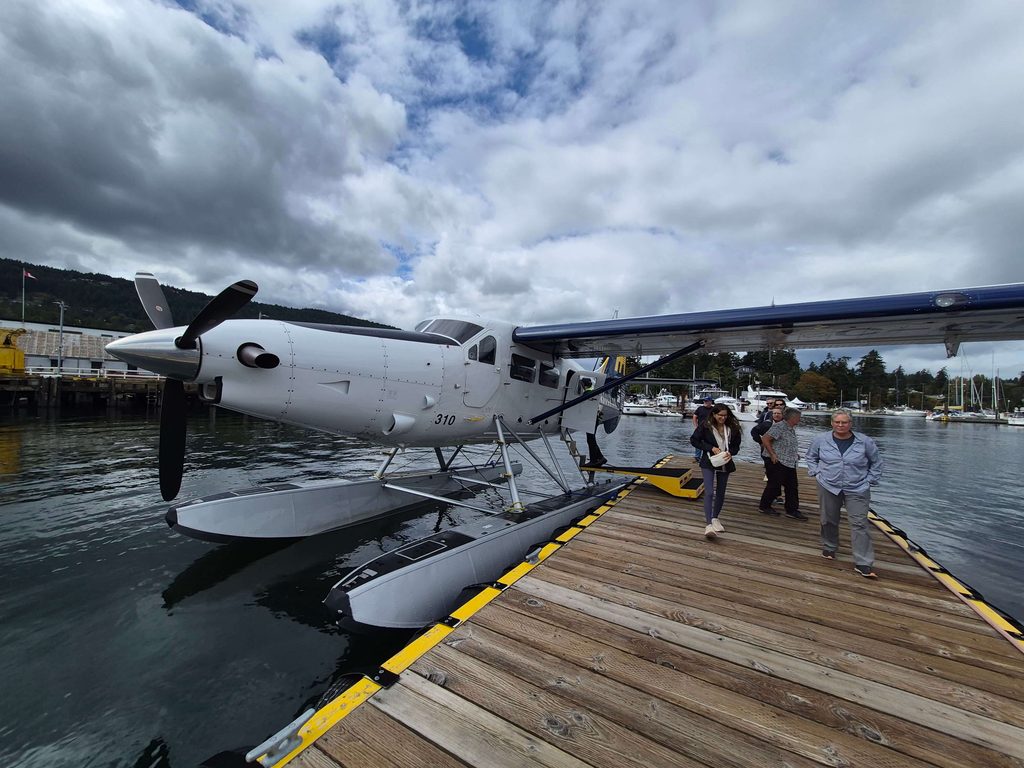
The main town in Salt Spring was Ganges which is a very quaint harbor town.
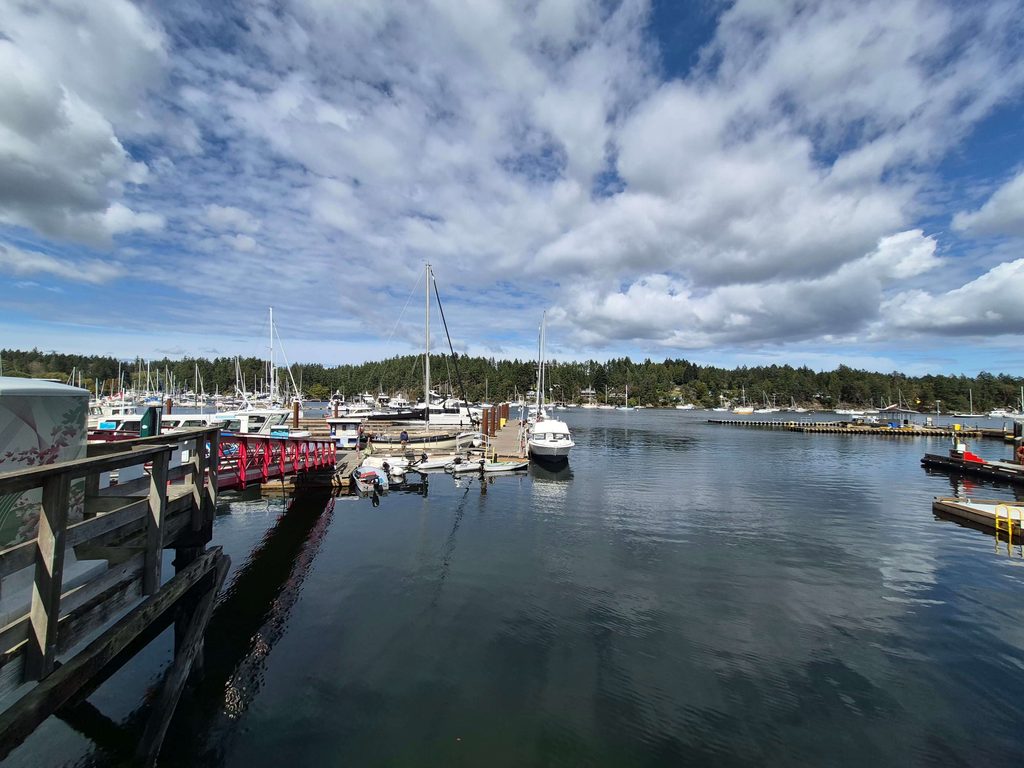
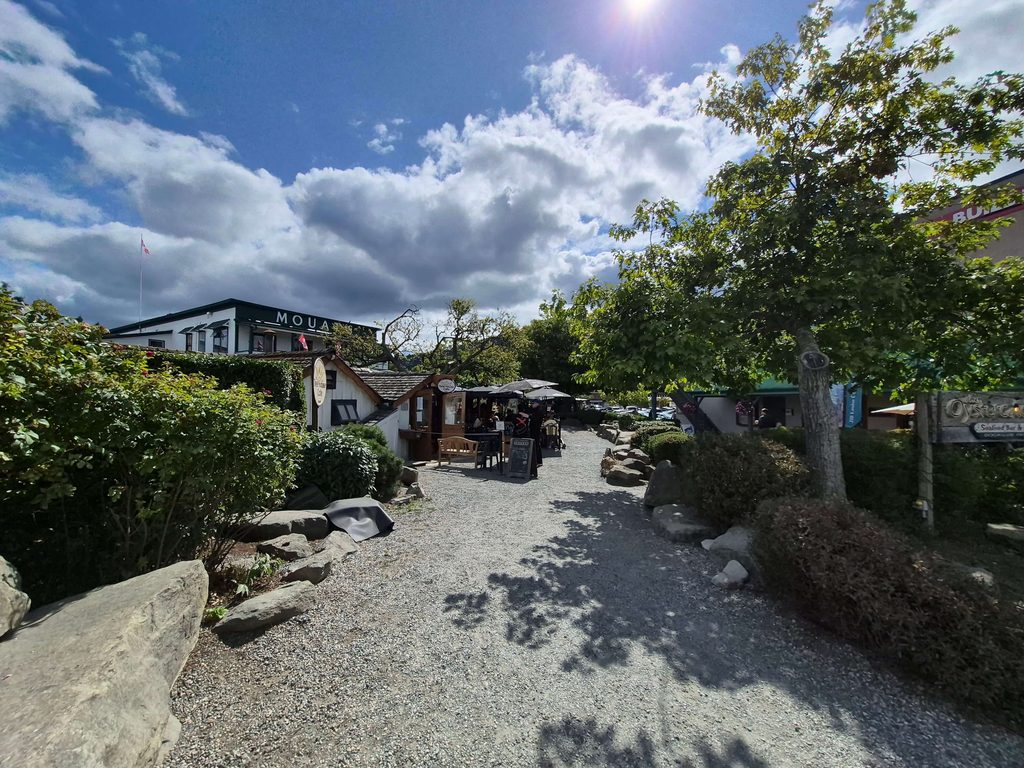
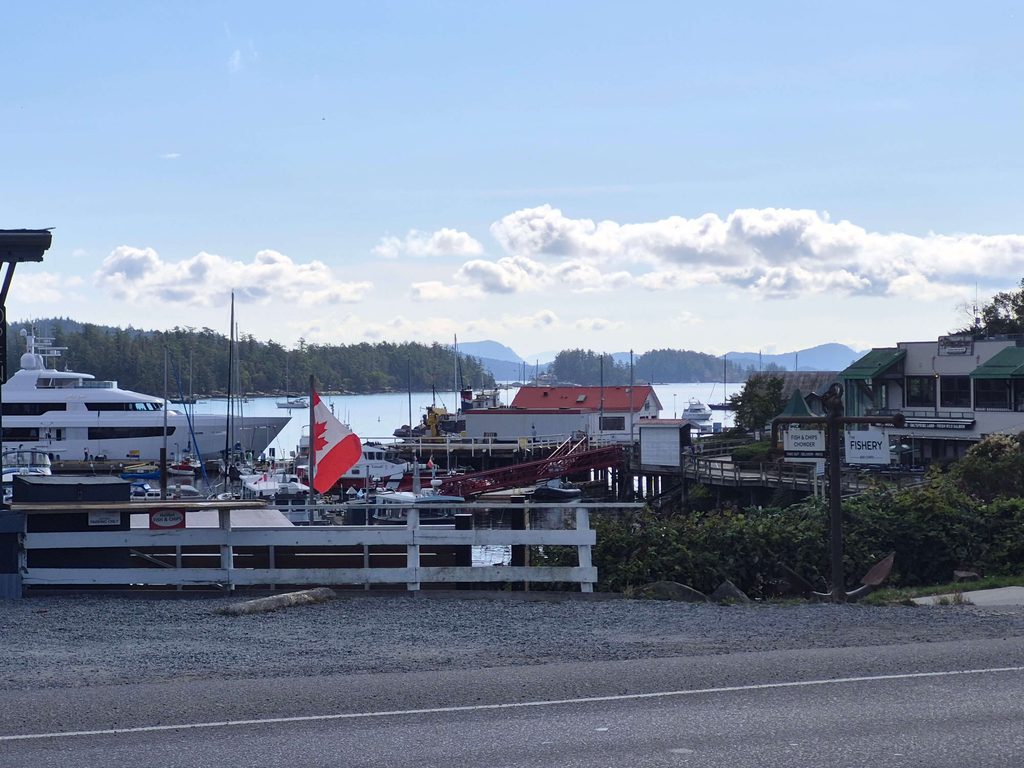
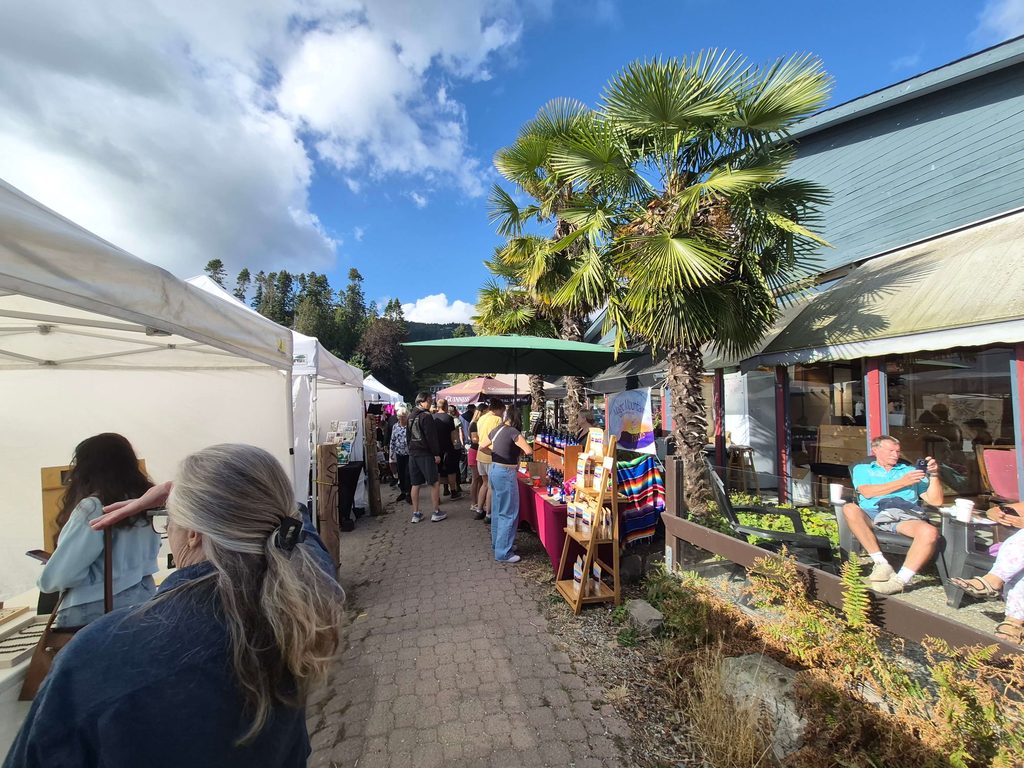
It has a very robust and popular market every Saturday. People come on ferries from Victoria and Vancouver to shop and socialize.

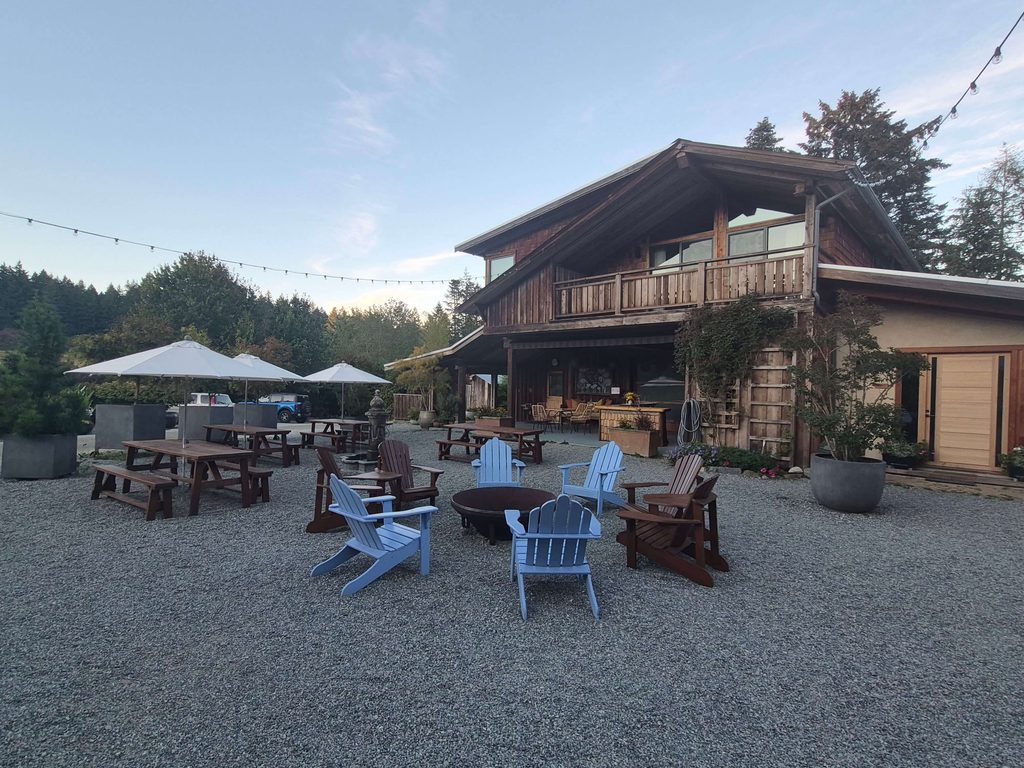
I stayed at Stowel Lake Farm. It’s a 10 acre property with 2 acres of market gardens and a really nice retreat center.
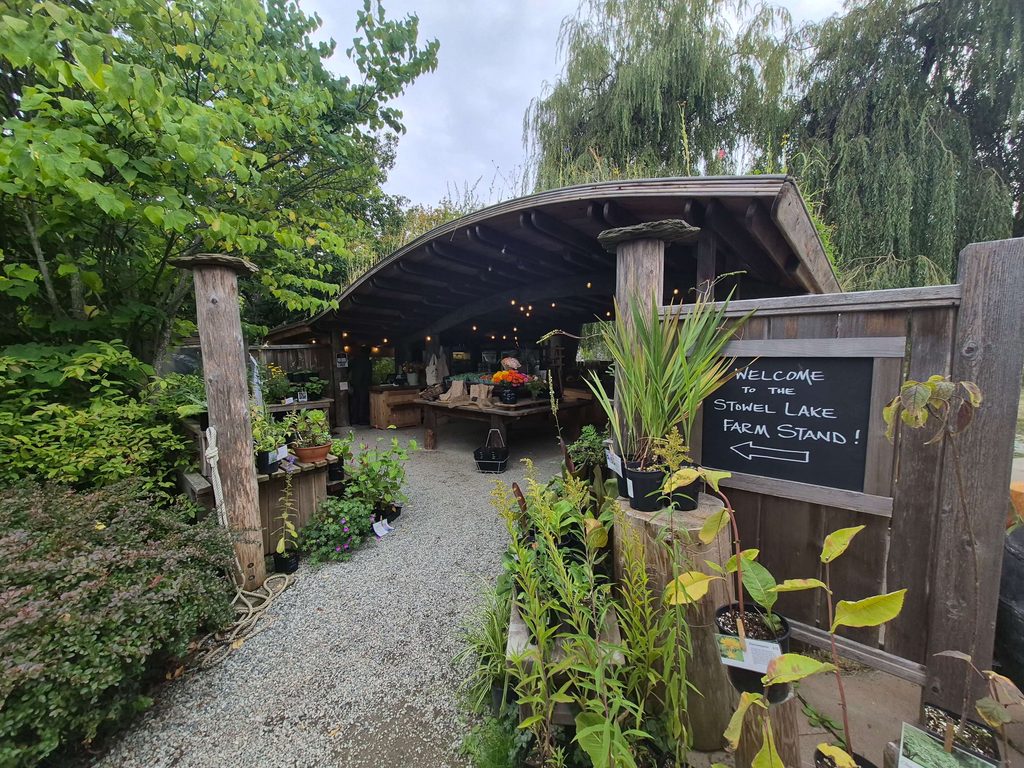
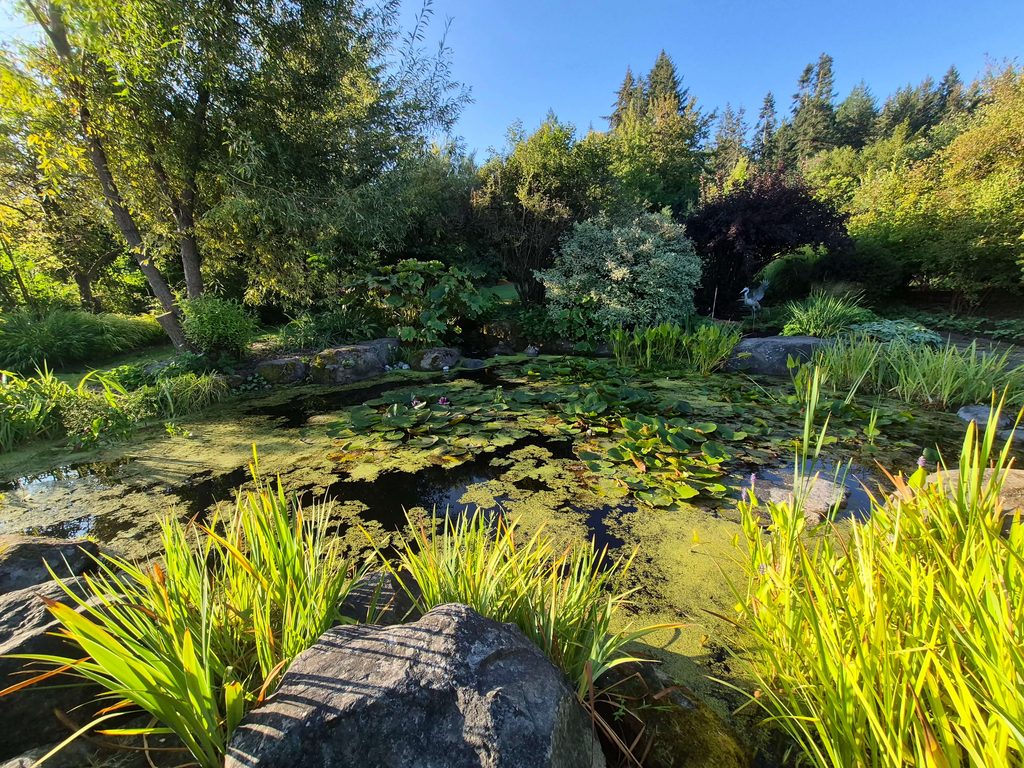
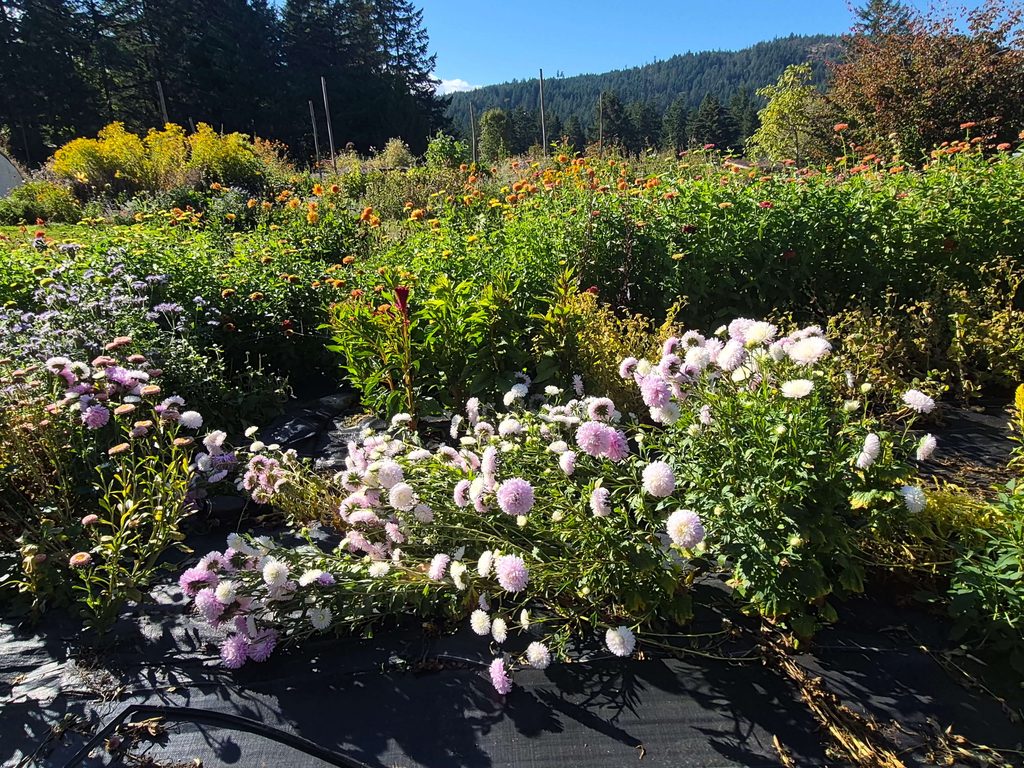
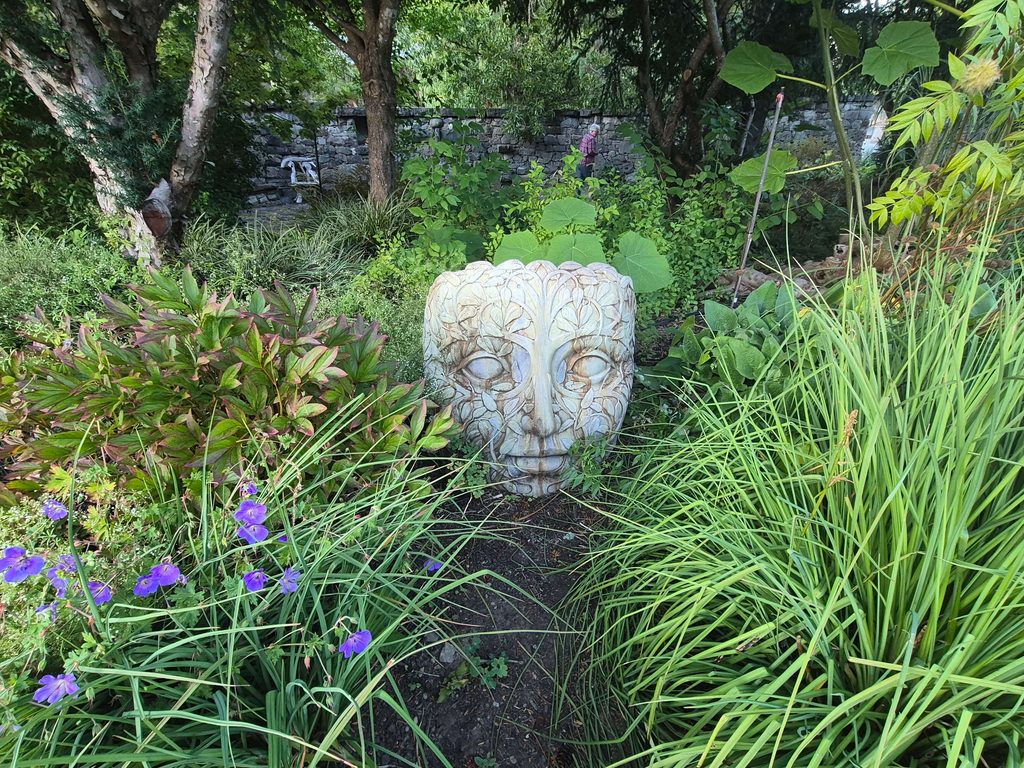
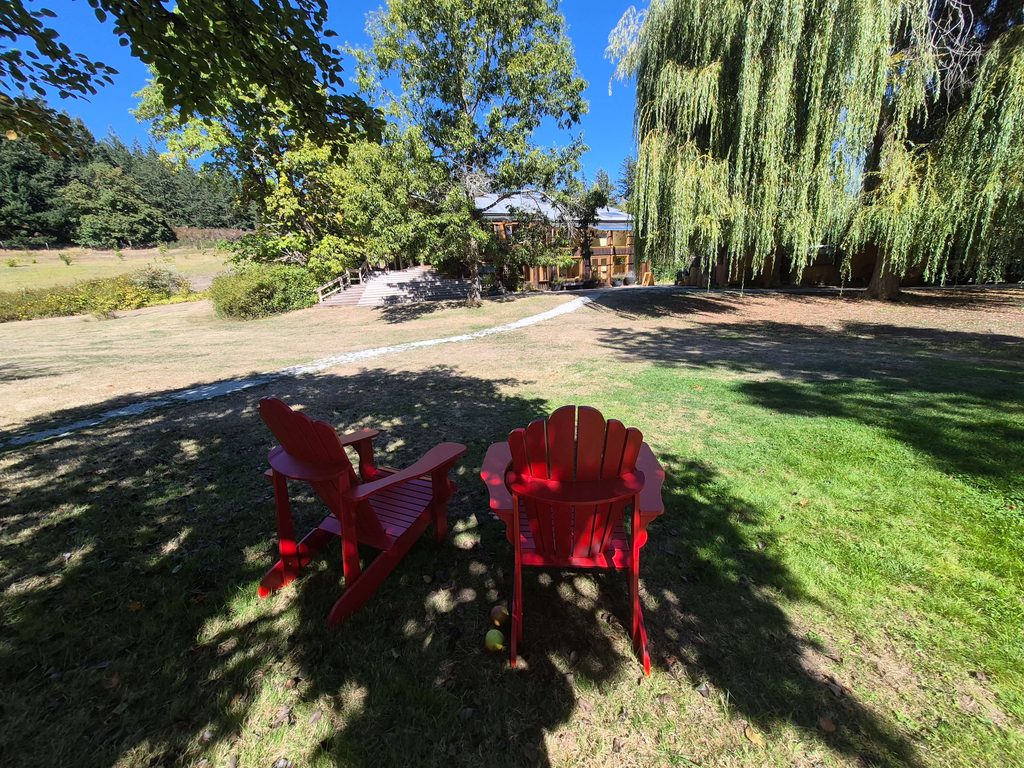
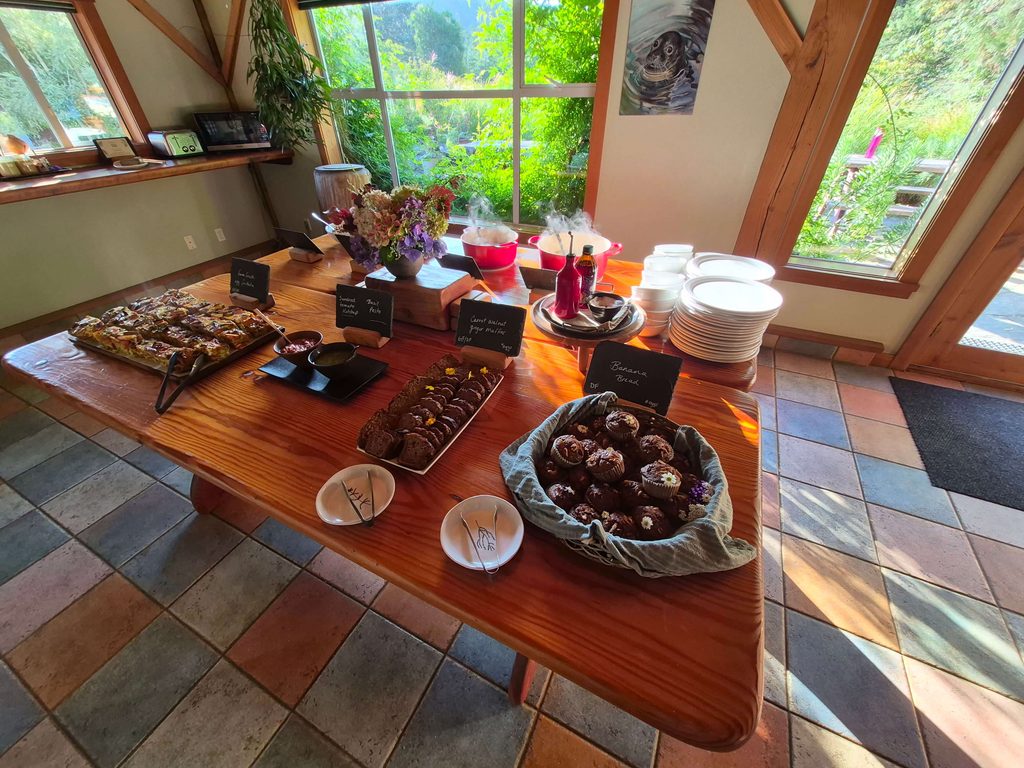
All the meals are produced by the farm.
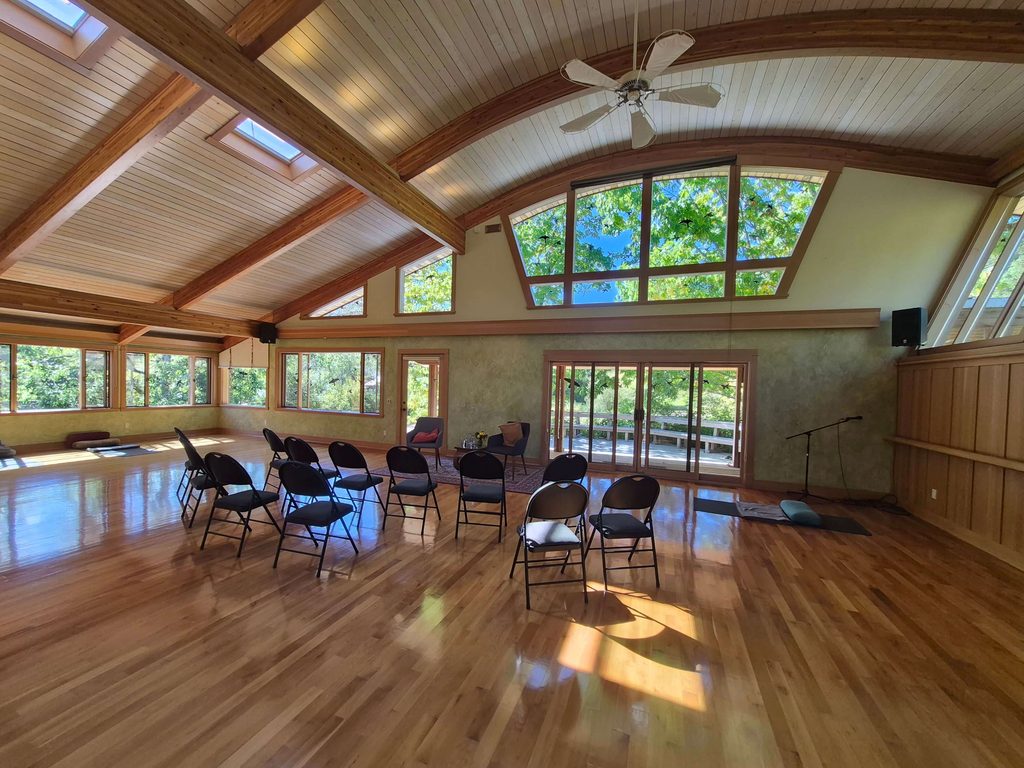
There is a large meeting and yoga center with beautifully crafted curved ceiling beams.
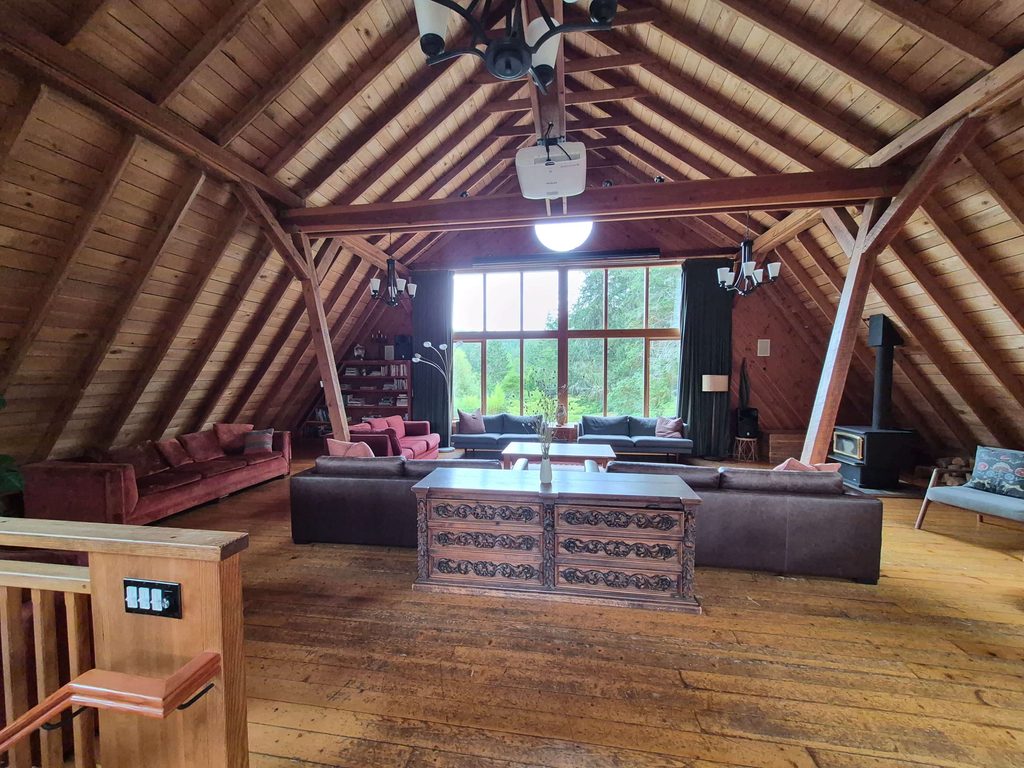
The barn has a relaxed meeting area.
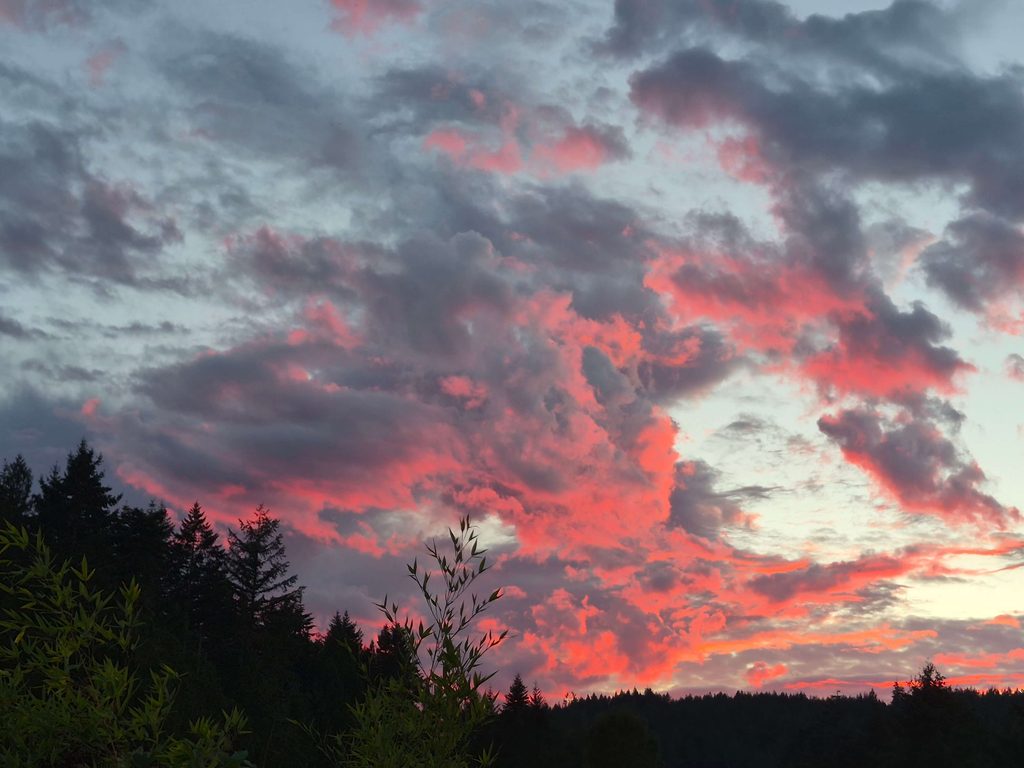
The sunset on my last night there.
I left Salt Creek Island and took the ferry to Victoria. It was much more pedestrian than the seaplane from Vancouver.
