
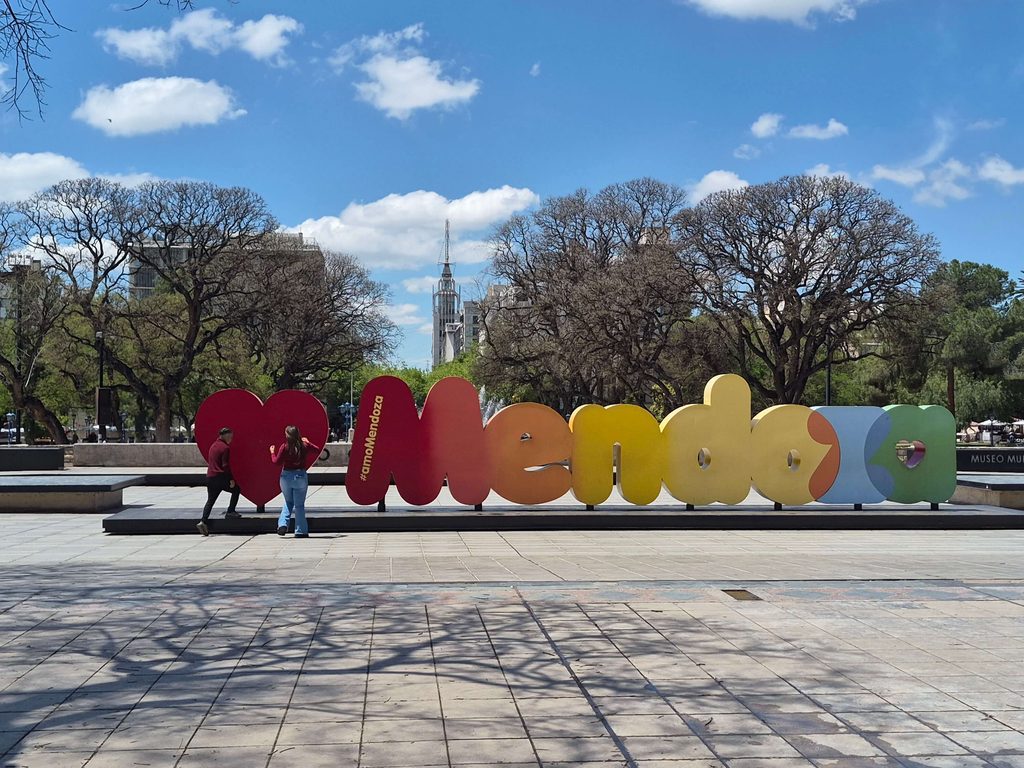
Mendoza is an arid desert region and receives less than 200–250 mm (8-10 inches) of rain per year. Yet it is a lush, green city and the epicenter of Argentina’s world renowned wine region. How is that possible? It’s because of open, gravity-fed irrigation channels called acequias that carry Andean mountain snow melt to the Mendoza region. This is a system originating with the indigenous Huarpe people long before Spanish colonization. And it’s one of the few aspects of Huarpe culture the conquistadores didn’t eliminate.
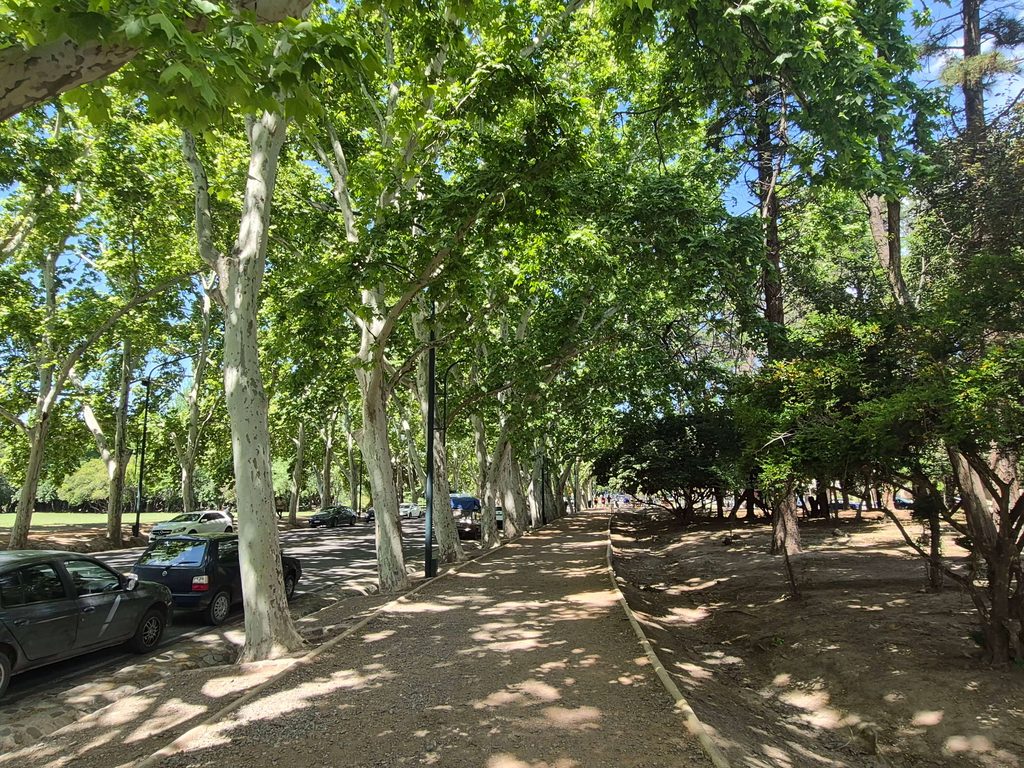
Water is distributed on scheduled rotations and governed by the Departamento General de Irrigación under water law dating to 1884, making Mendoza’s acequia system one of the most formalized in the world. The city features approximately 500 kilometers (310 miles) of active, stone-lined or cemented acequias running alongside almost every street and avenue. More than 50,000 to 100,000 mature trees—including plane trees, poplars, mulberries, sycamores, ashes, and elms—shade the sidewalks and public plazas. Water is periodically released down the curb-side acequias, feeding the tree roots through small cuts or openings built into the concrete structures. Hence, Mendoza’s nickname as The Forest City.
An example of an acequia running down the side of a street.
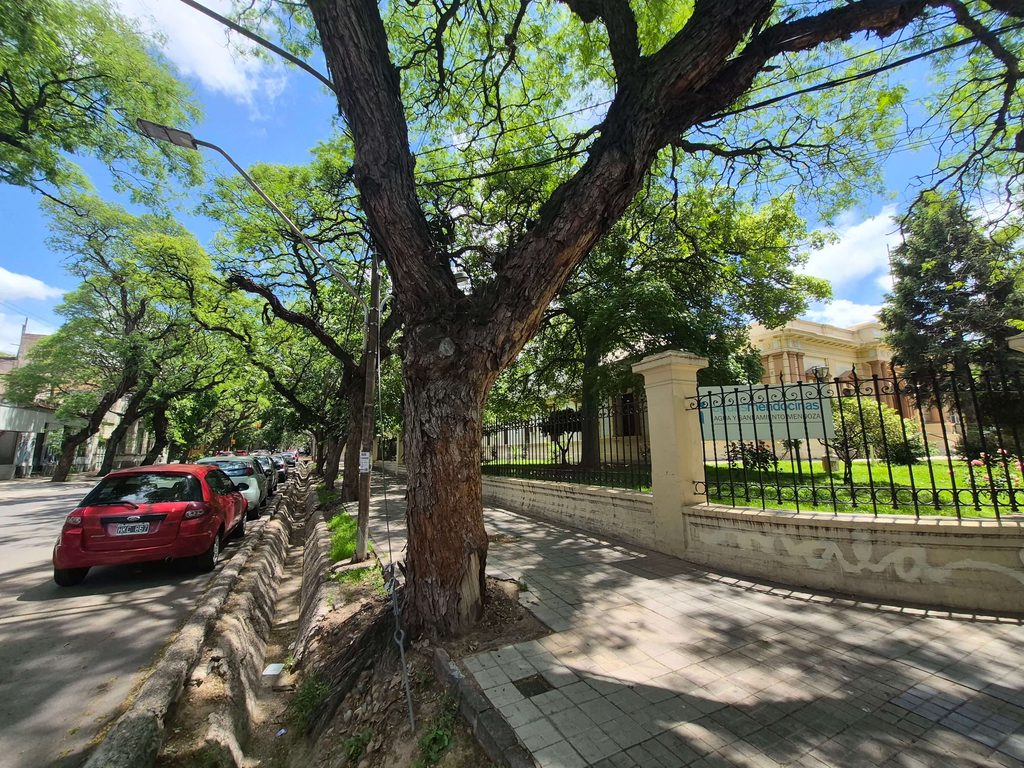
As a point of comparison Mendoza is at a similar elevation and has similar rainfall to Las Vegas, Barstow and Victorville in the US. You don’t see these types of lush, green streets throughout those three cities.
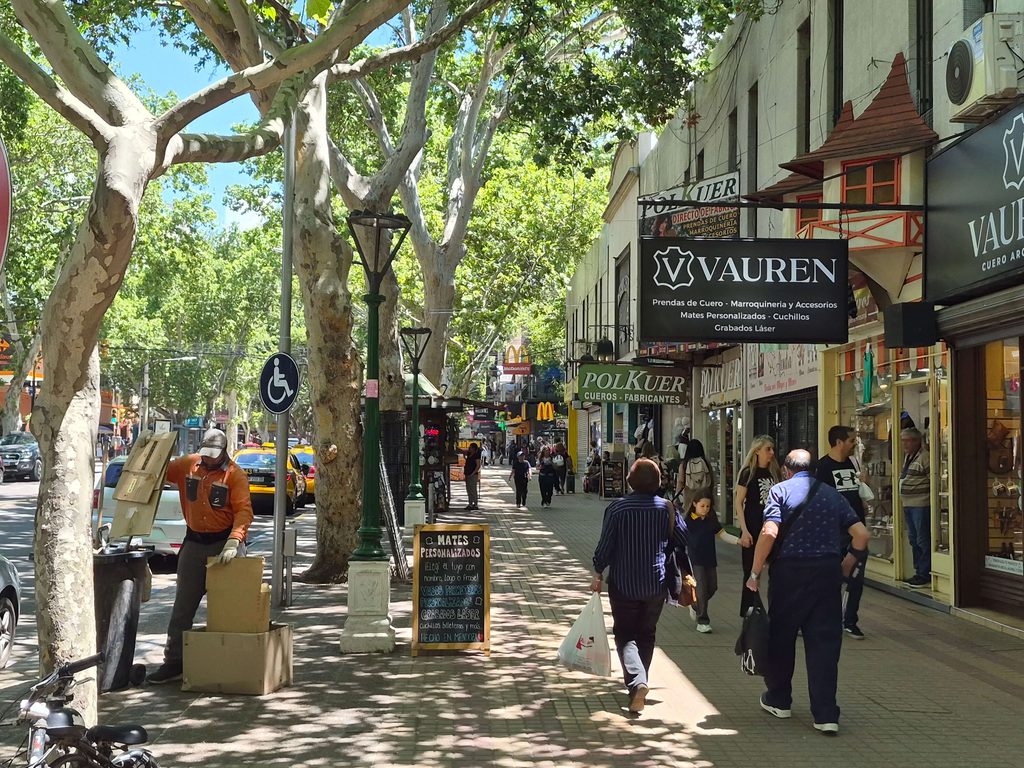
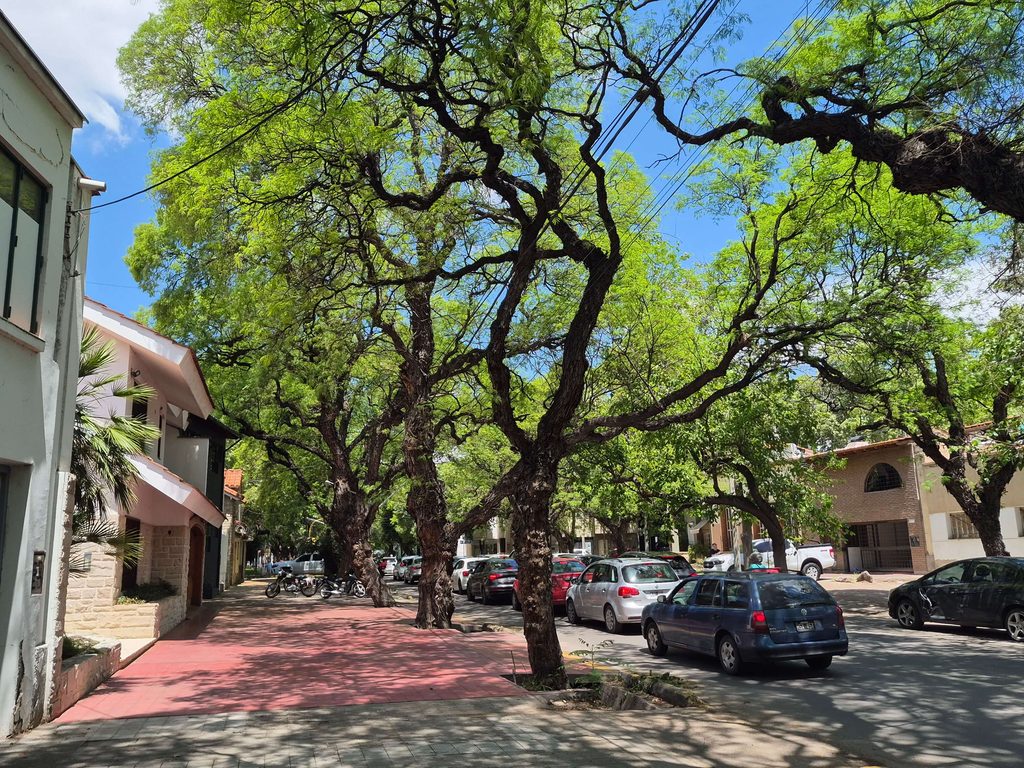
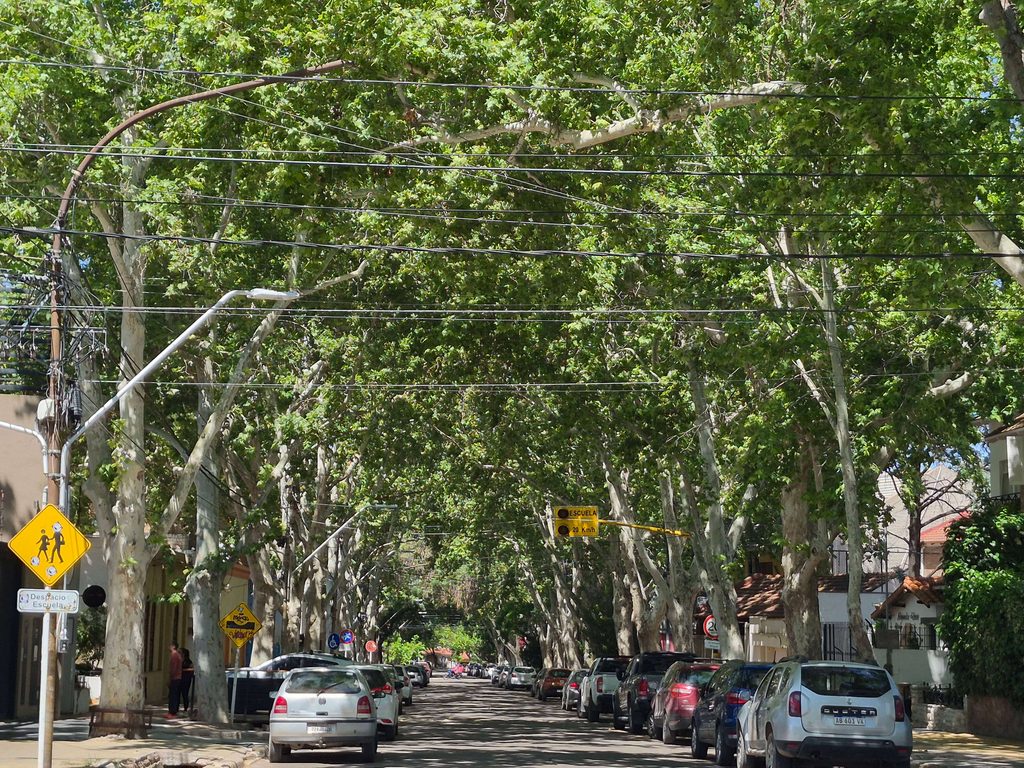
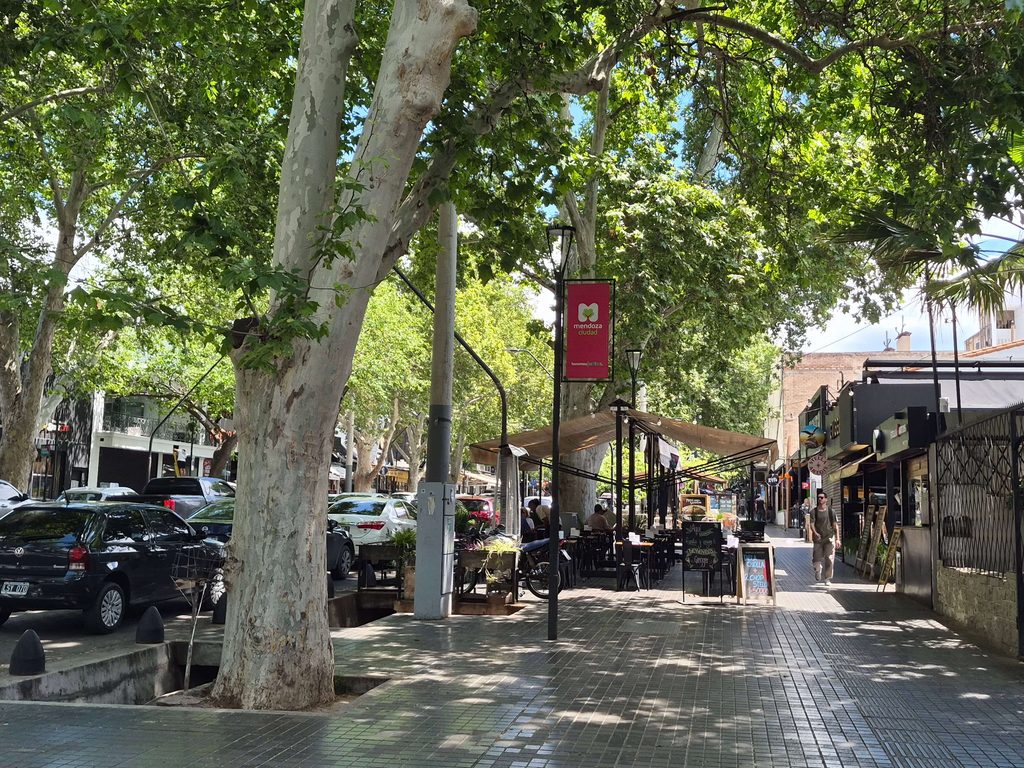
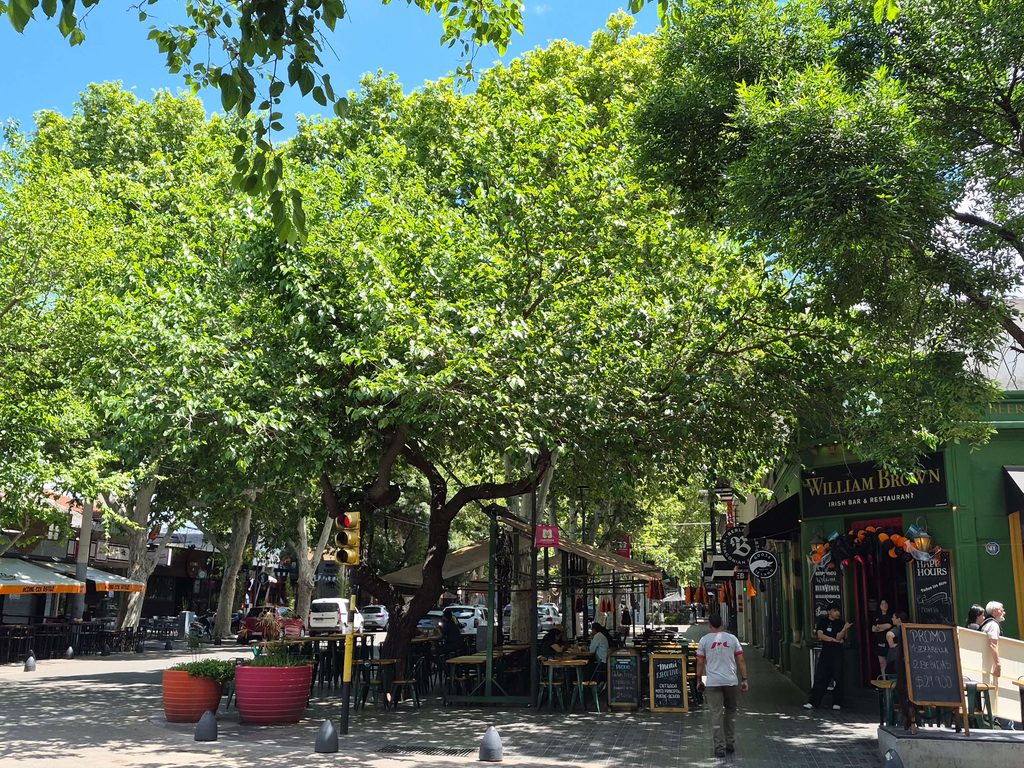
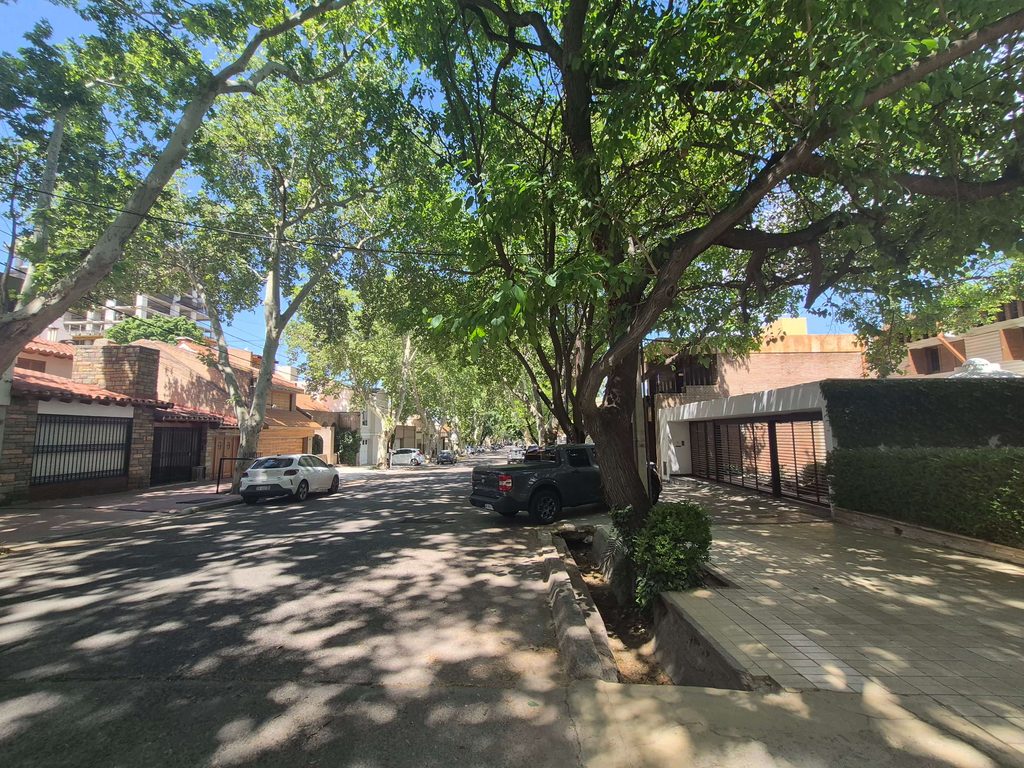
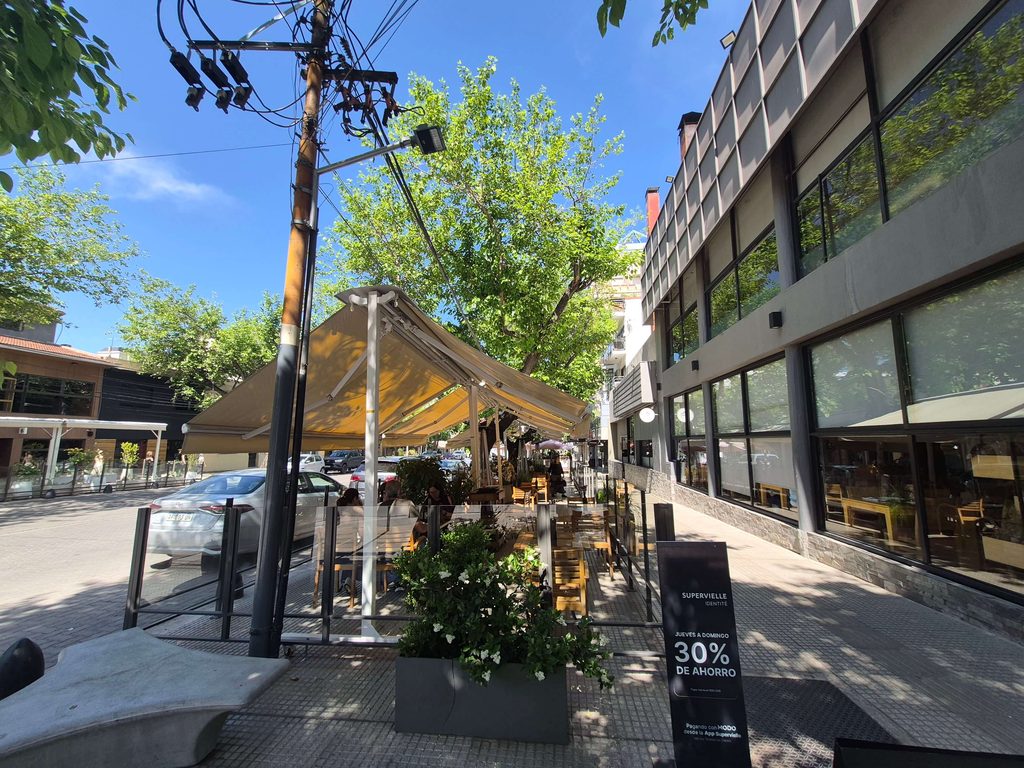
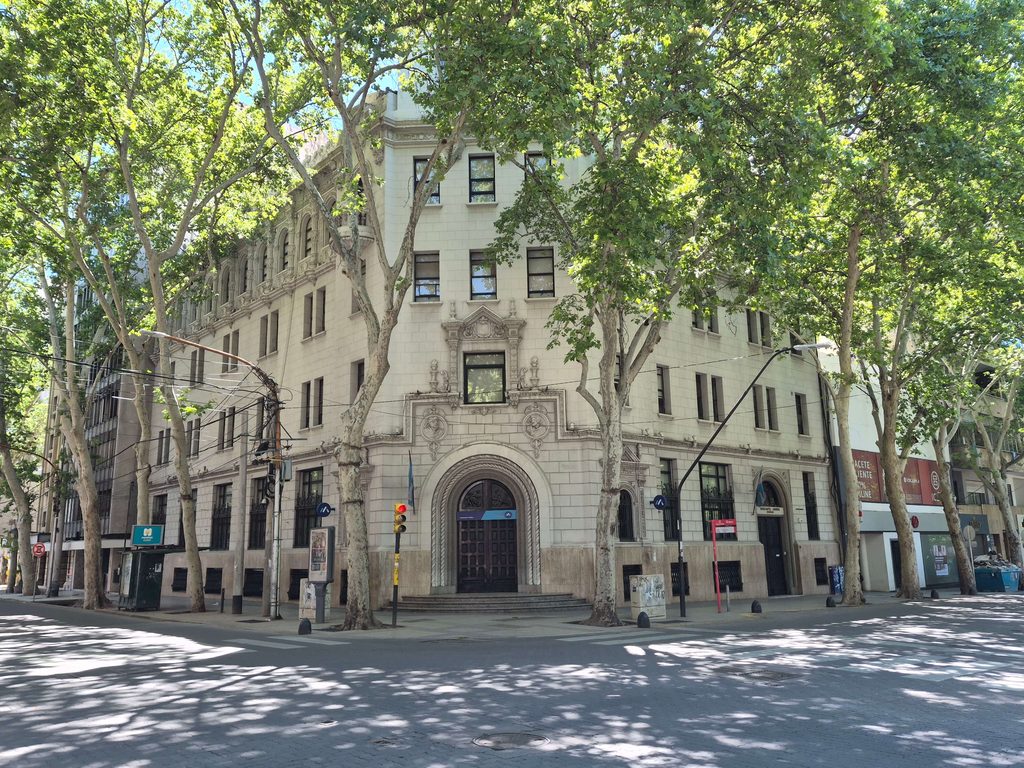
In general, the architecture in Mendoza is not that dramatic. But there are still some buildings reminiscent of Buenos Aires.
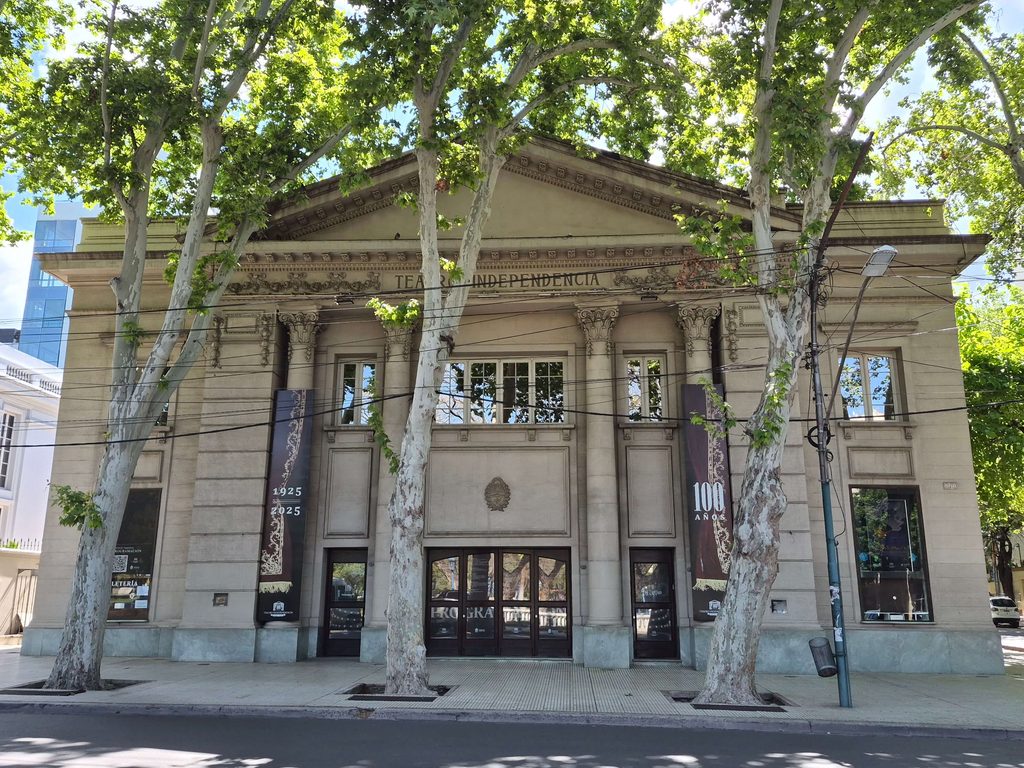
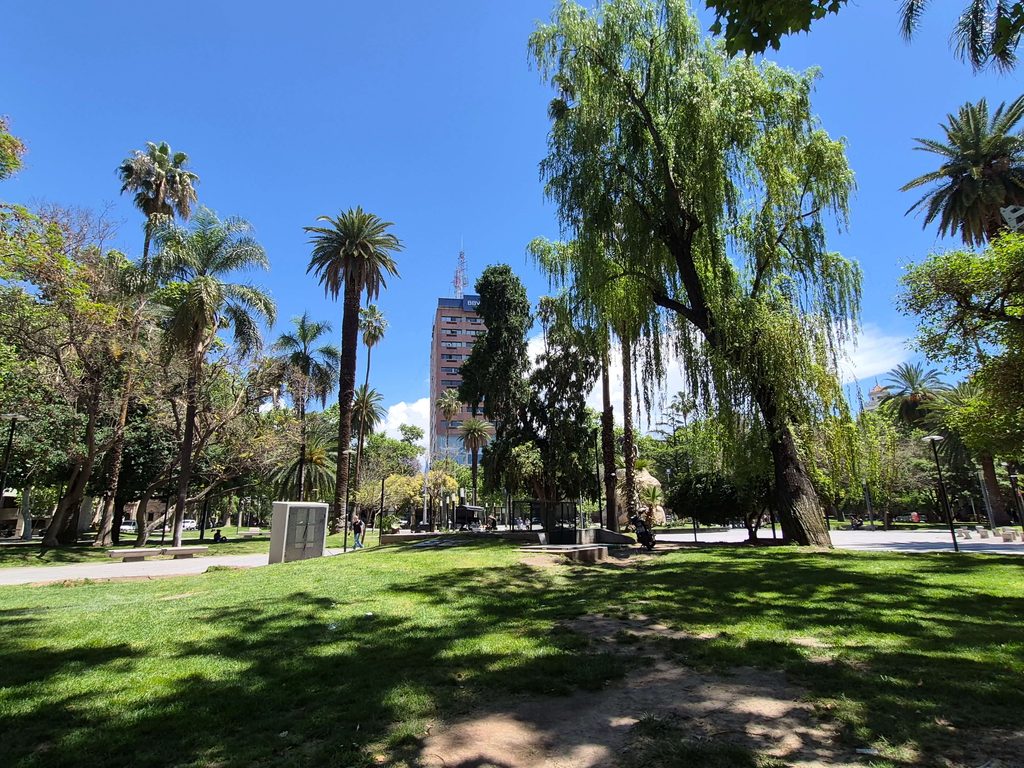
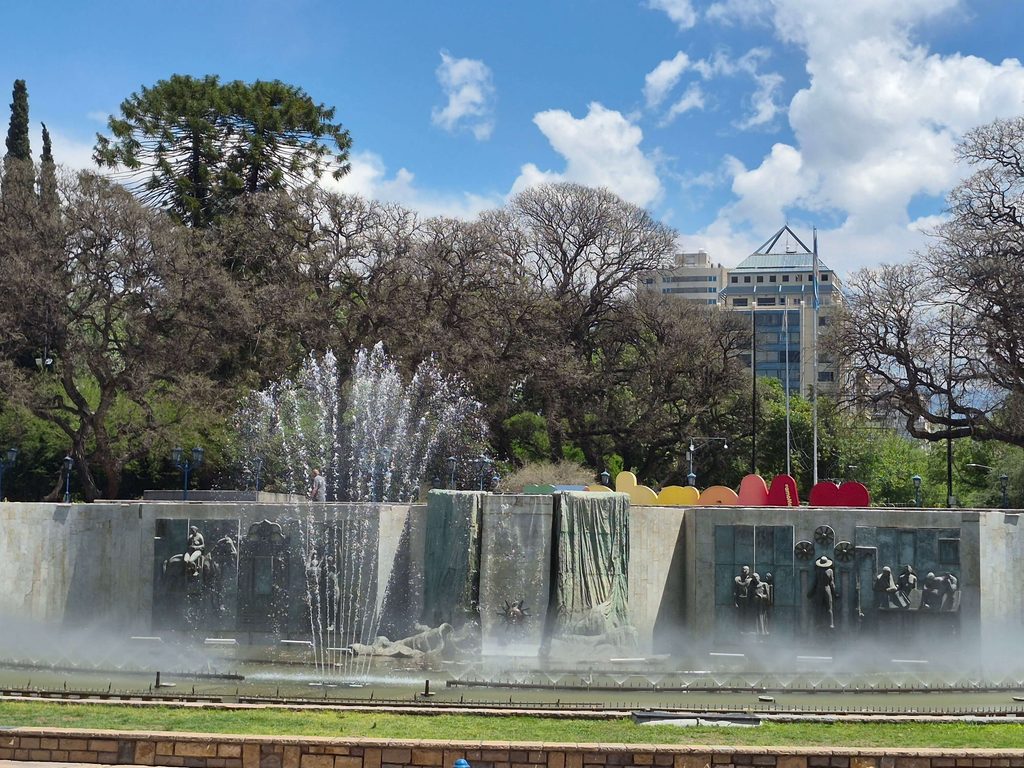
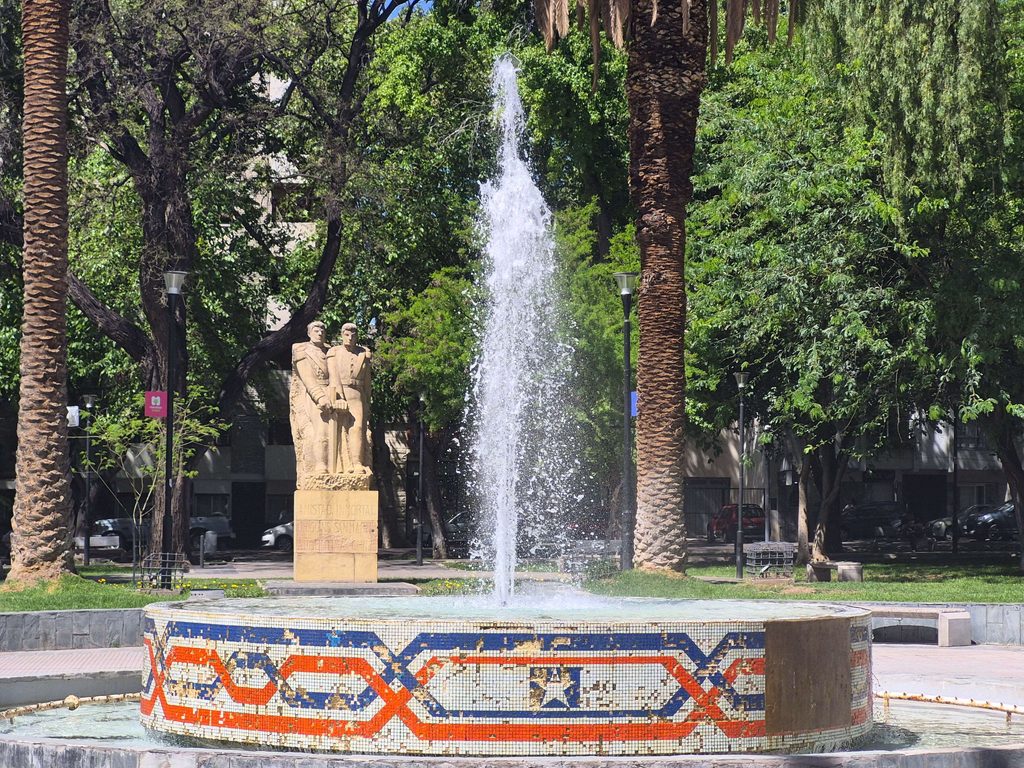
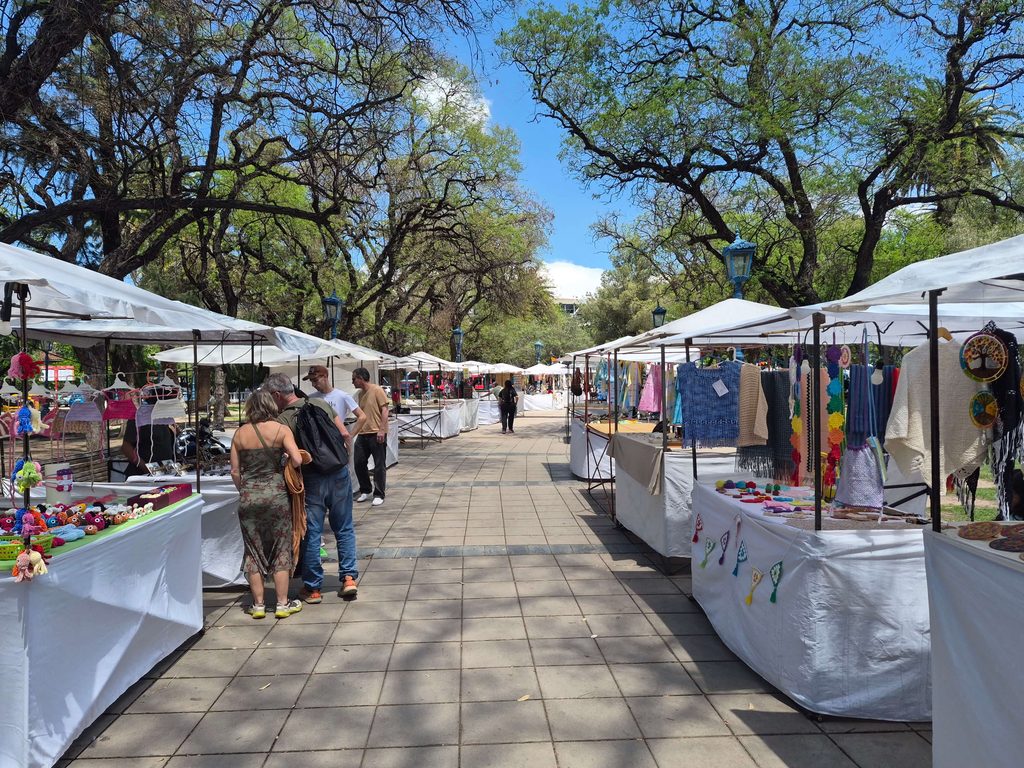
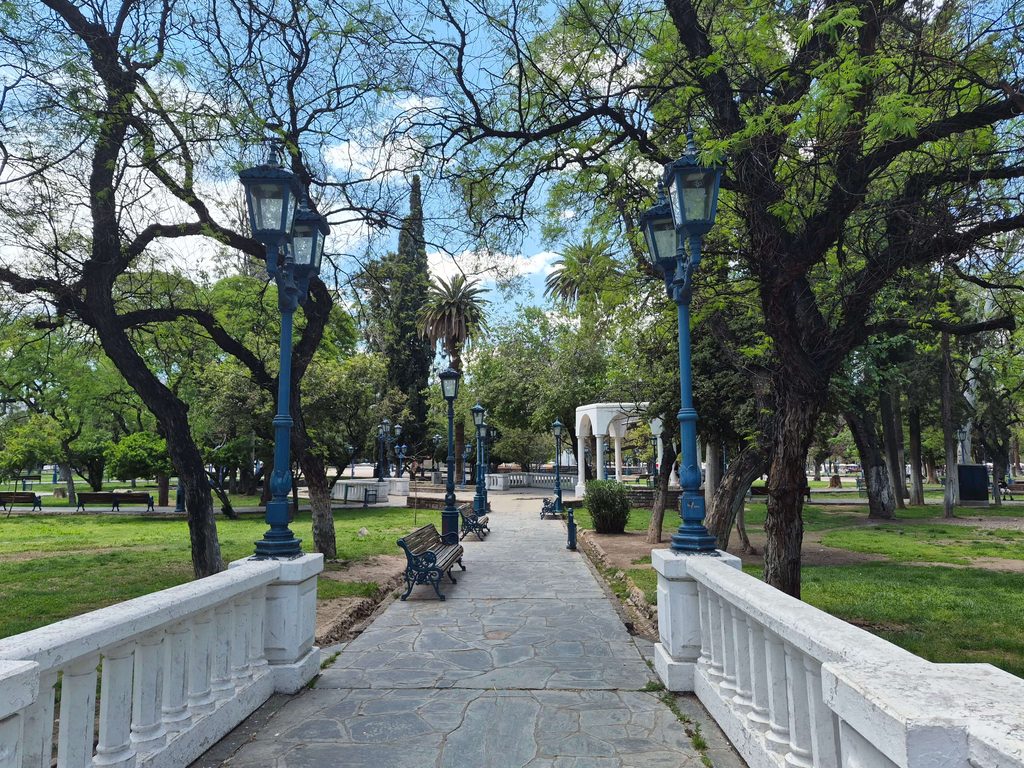
There are small parks throughout the city.
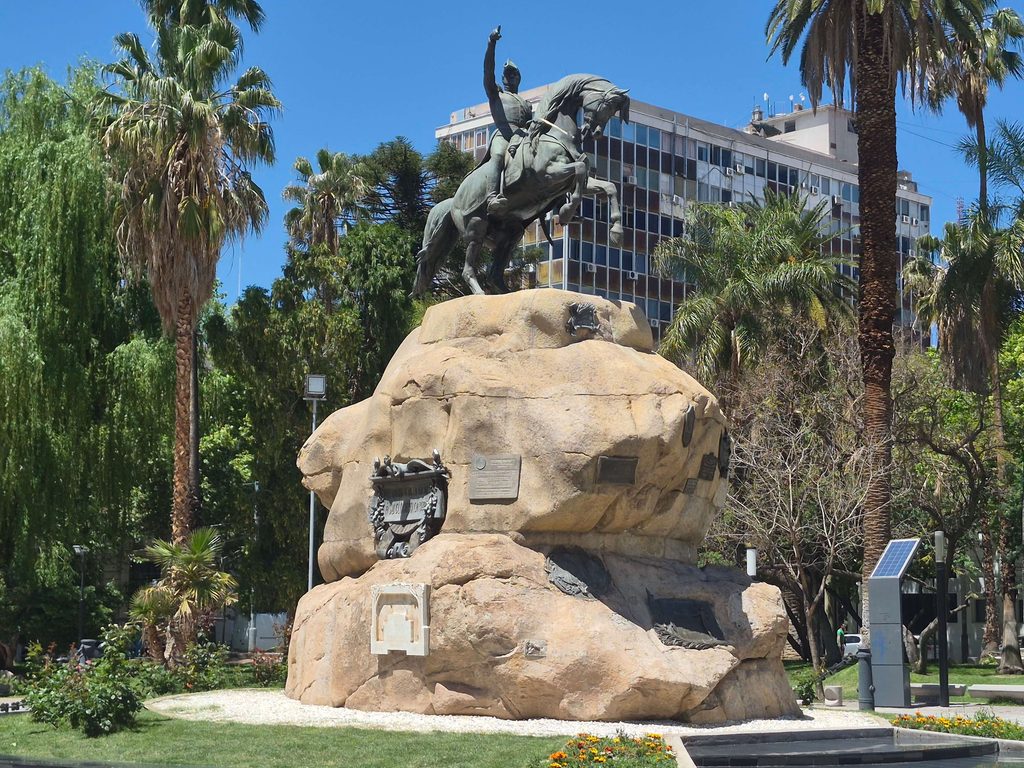
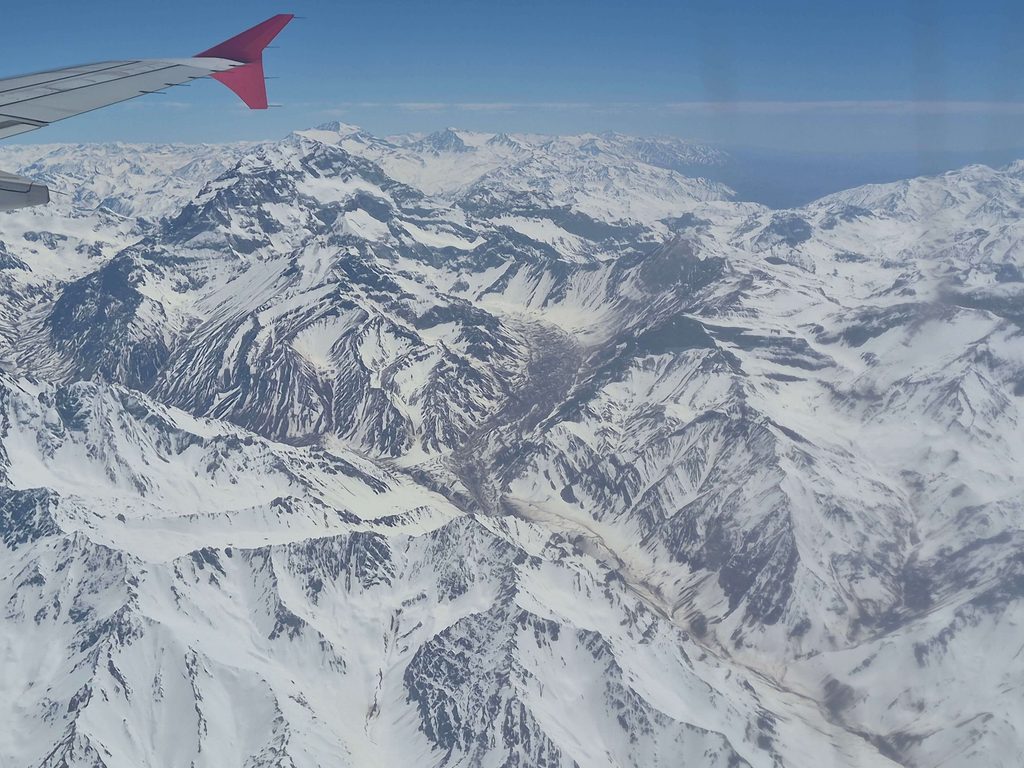
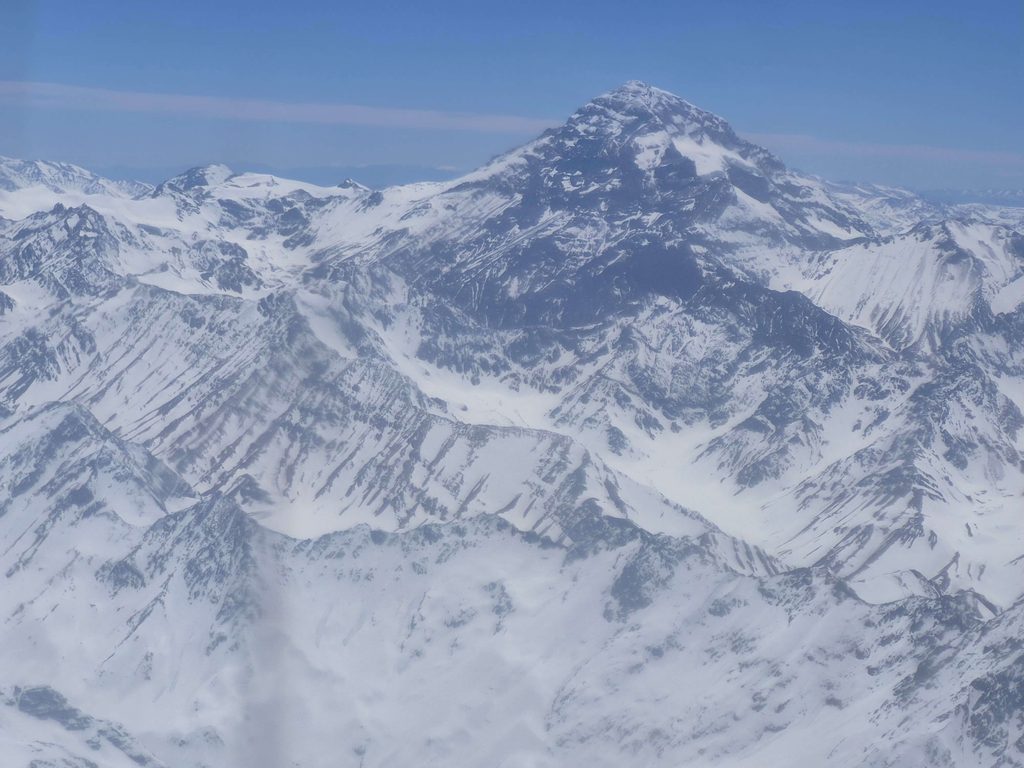
If you wondered where all this water is coming from, here’s a couple of pictures of the Andean snowpack from my one hour flight from Mendoza to Santiago, Chile.
Parque de General San Martin
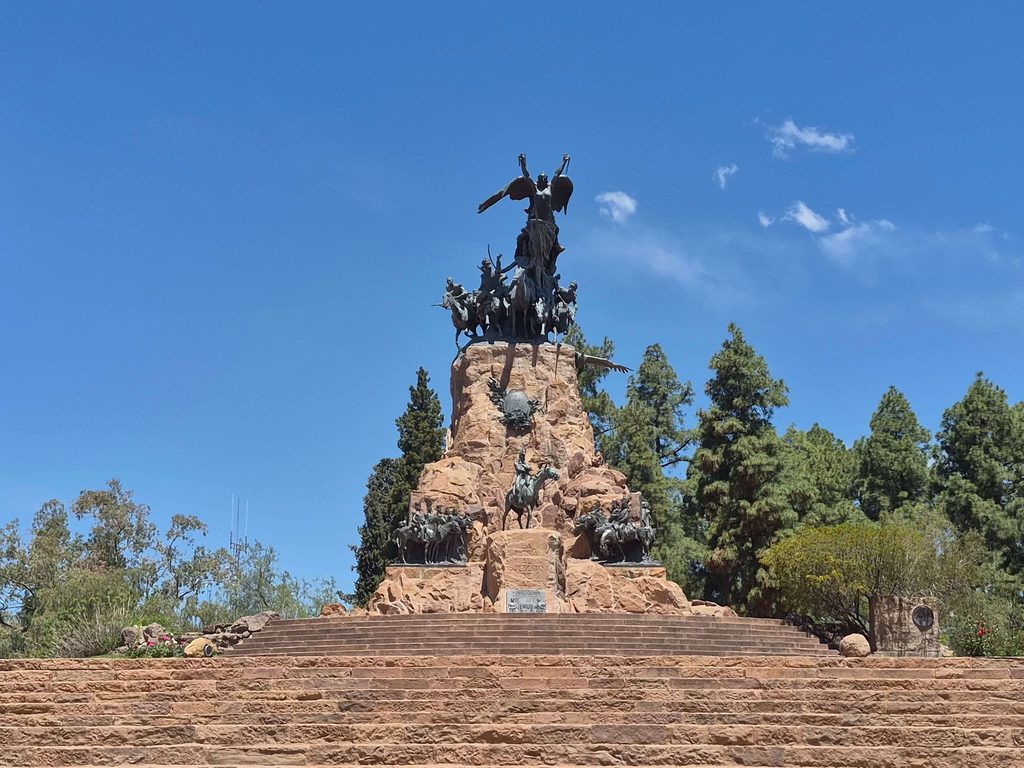
One of the stars of Mendoza is the lush Parque de General San Martin. It encompasses over 970 acres (larger than New York’s 843 acre Central Park) and has 34 sculptures decorating the paths and roads. I rented a bike and rode through the park and then to the top of the small hill topped by the Monument to The Army of the Andes.
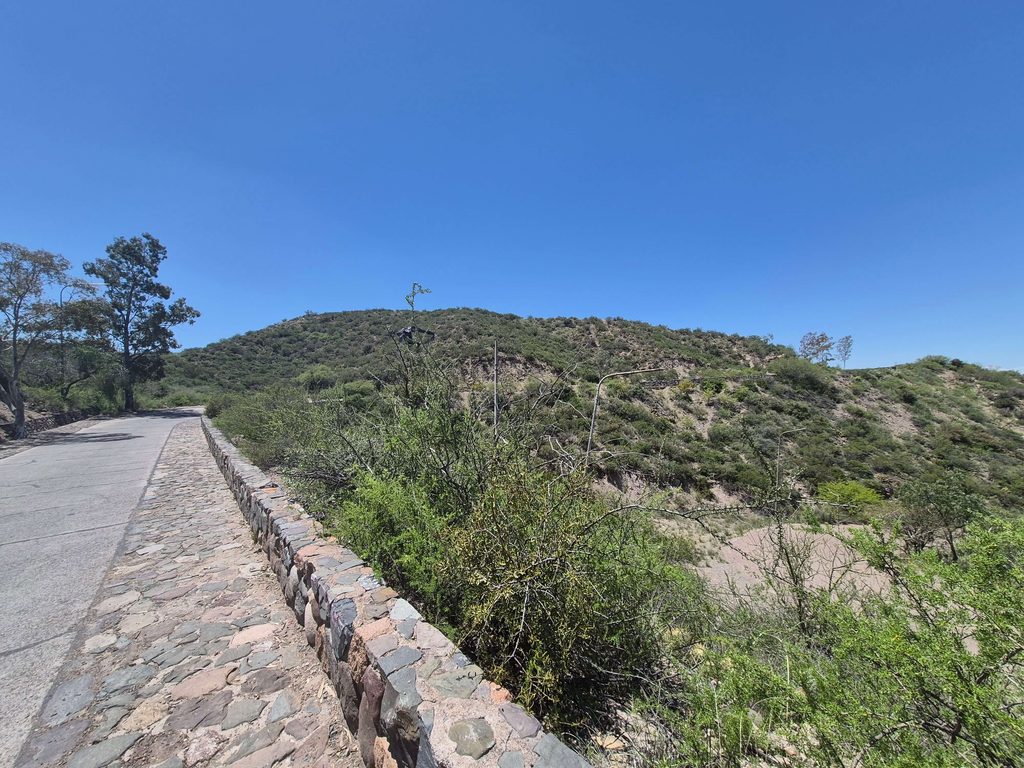
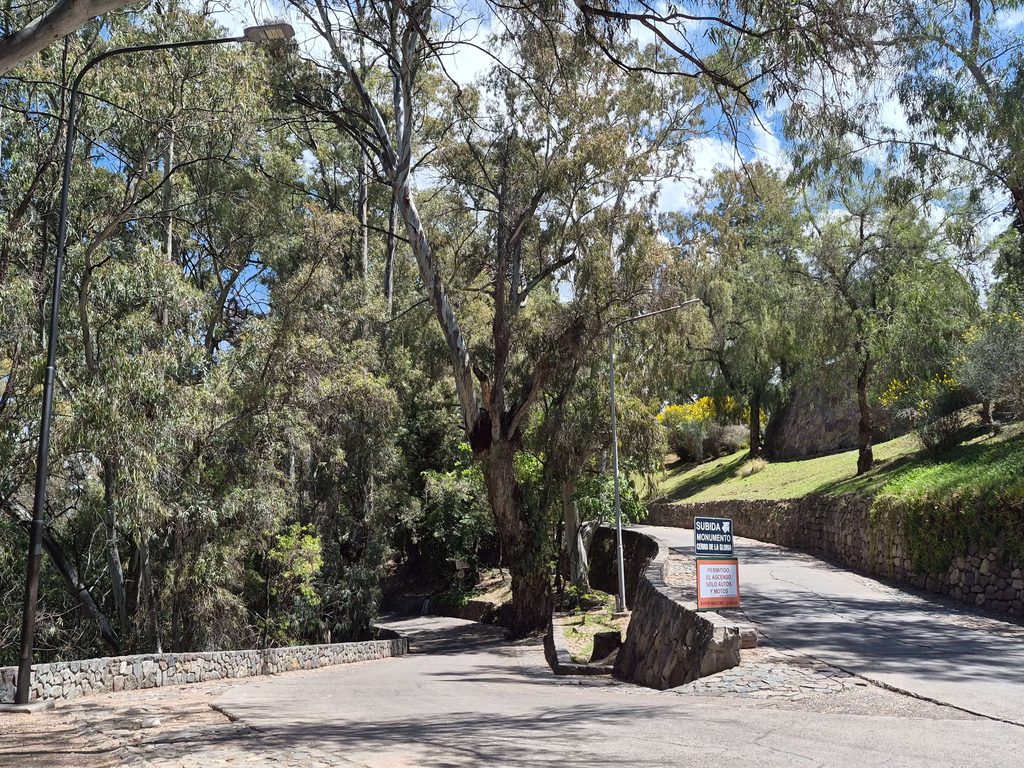
Here’s the road up the hill. While it wasn’t that long, I hadn’t ridden a bike in a long time, and the 15-20 minutes it took to reach the top wasn’t that easy.
My rental bike at one of the parking lots at the top.
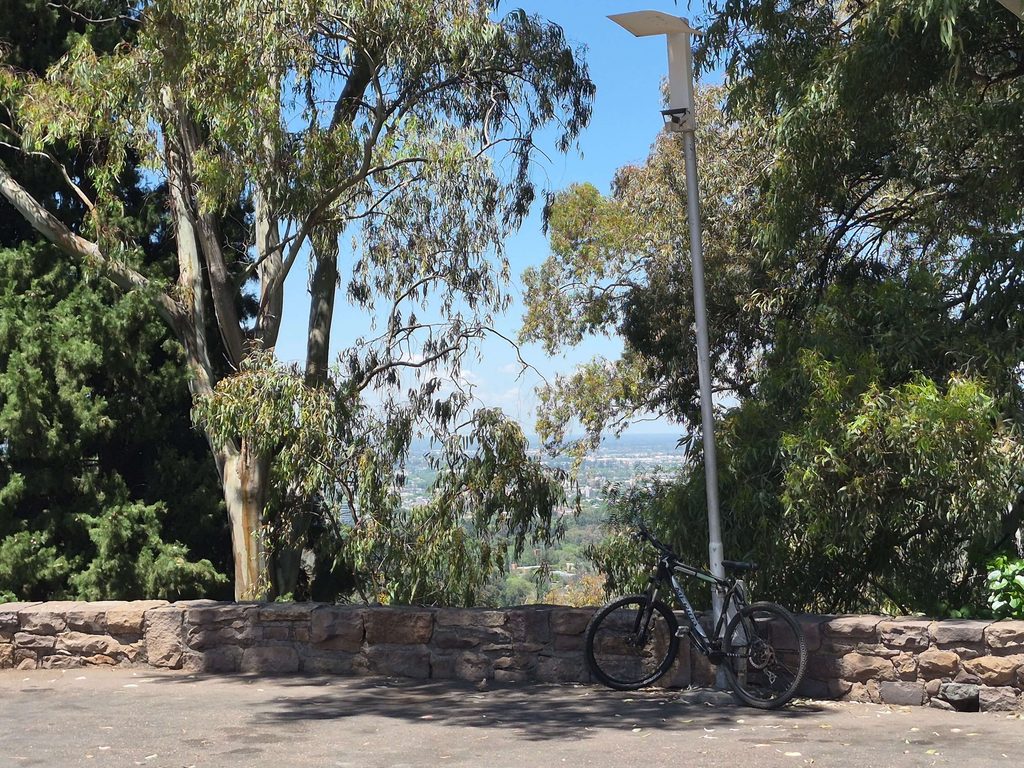
Looking down at the road up.

The Army of the Andes was a military force created by the United Provinces of the Río de la Plata (Argentina) and assembled by General José de San Martín as part of his campaign to liberate Chile from the Spanish Empire. In 1817, it crossed the Andes Mountains from the Mendoza area and succeeded in its objective by driving the Spanish out of Chile.
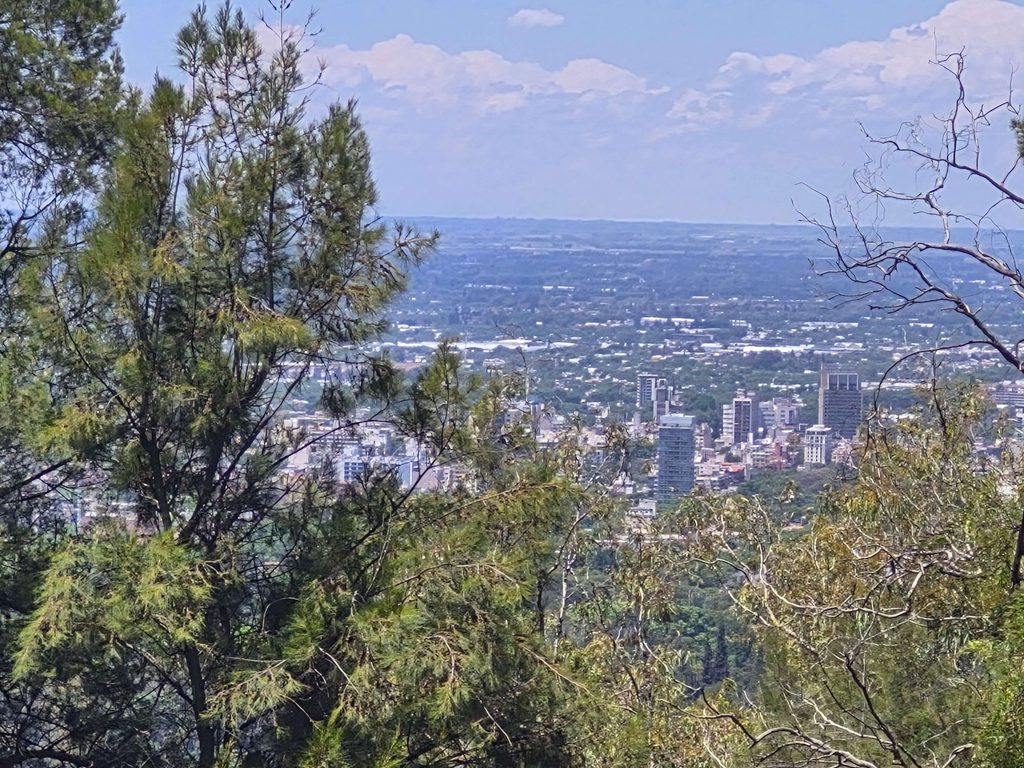
The view back down to Mendoza.
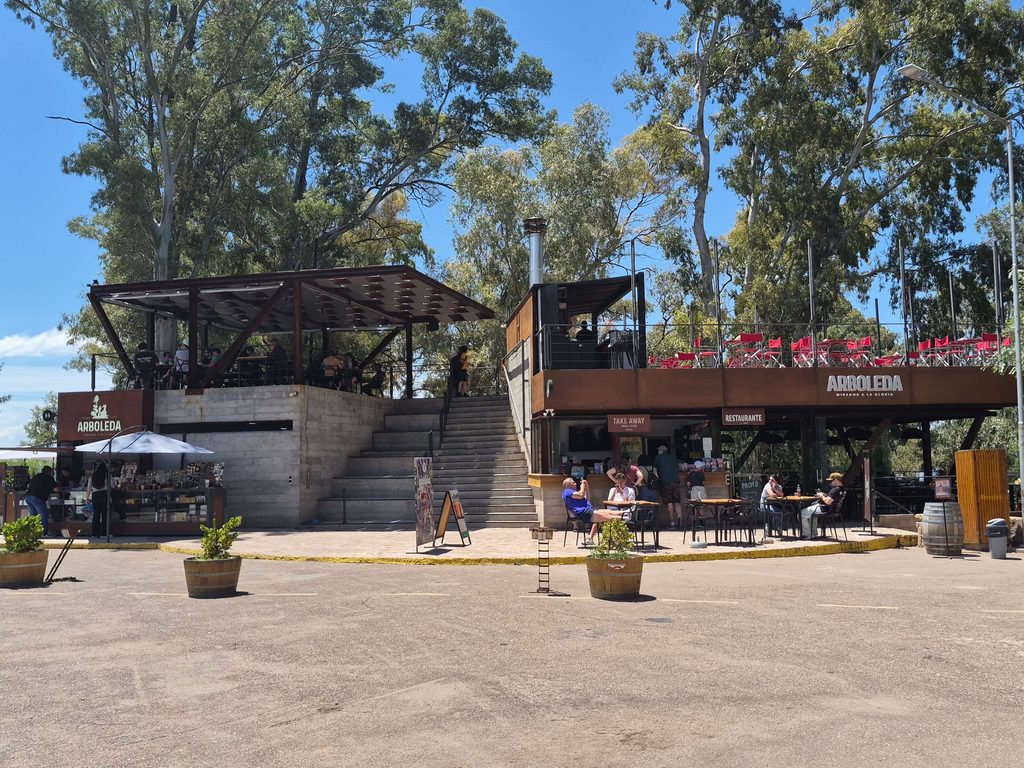
The very relaxing restaurant at the top.
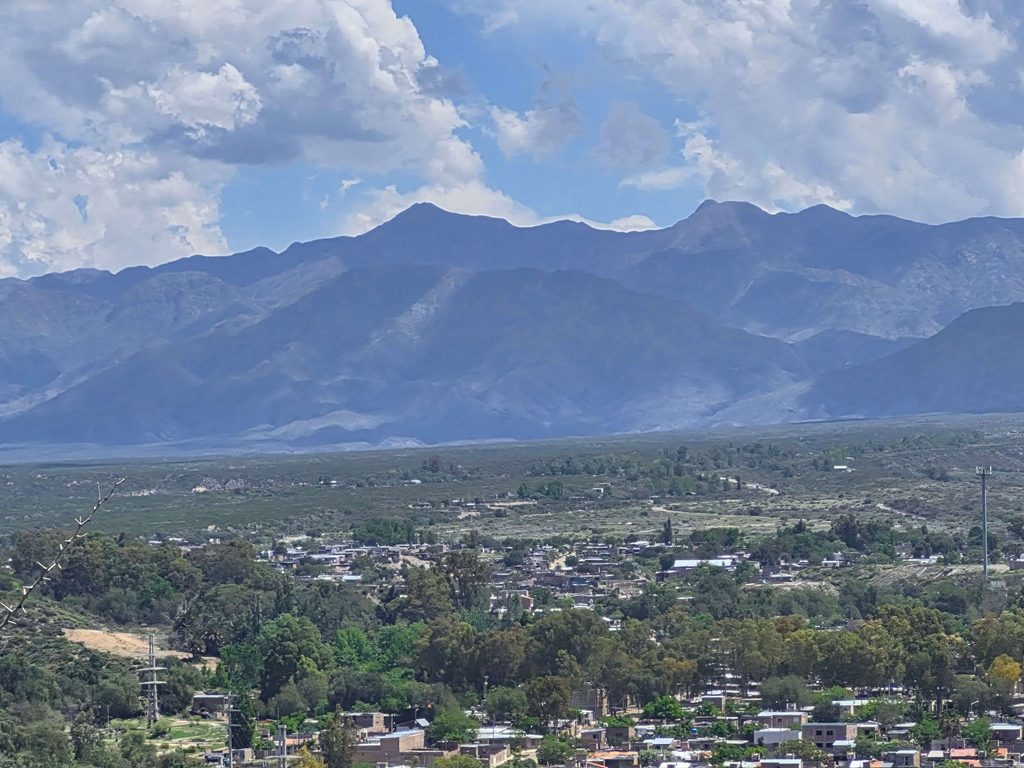
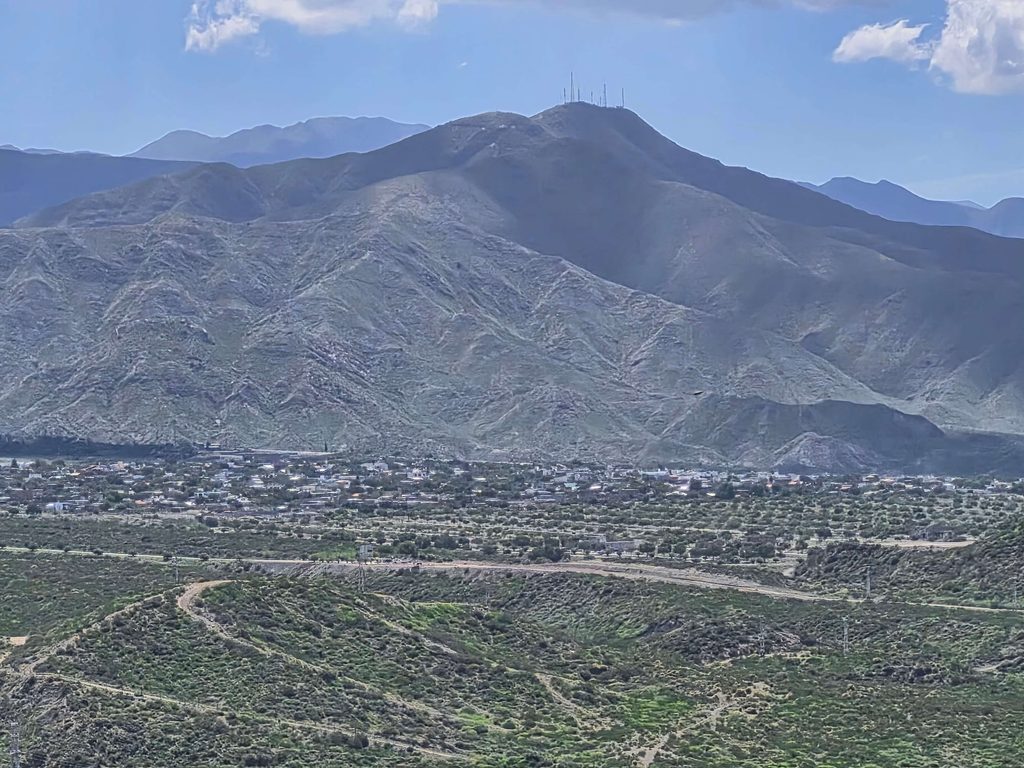
Two views out west to the Andes Mountains.
Starting the much easier ride back down.
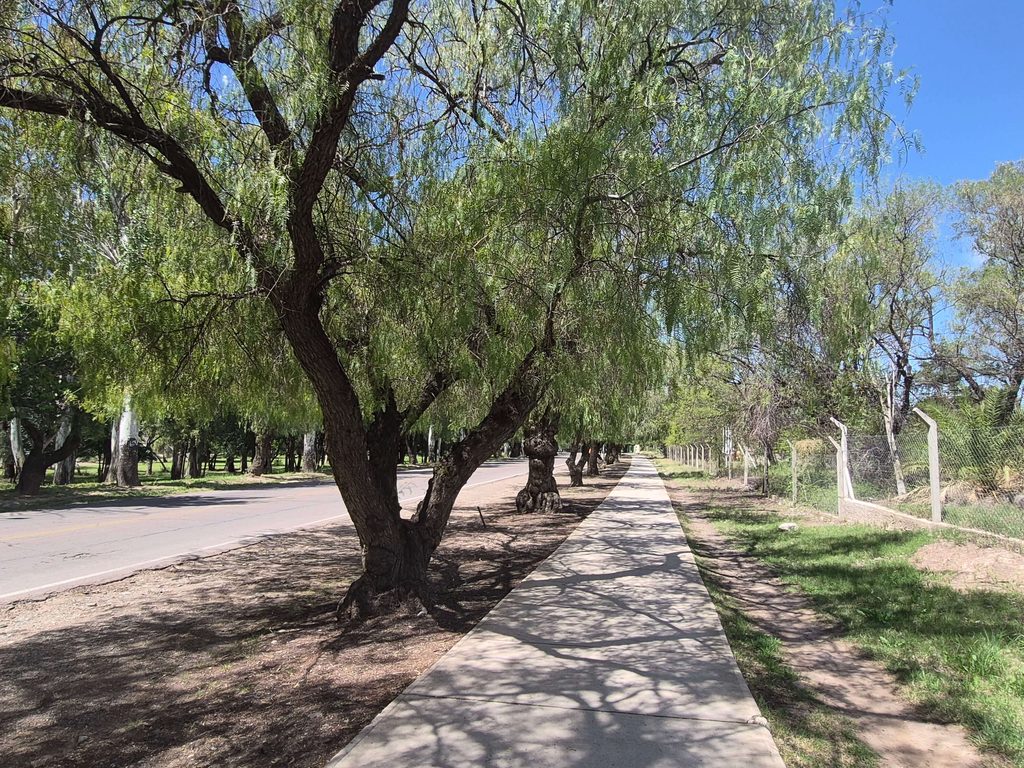
Some of the nice bike paths through the park.
A fountain near one of the entrances to the park.

Wine Tasting
People don’t really come to Mendoza to check out their trees. They come for the world class wine tasting, white water rafting, rock climbing, skiing and snowboarding. I don’t rock climb, ski or snowboard, and I haven’t been white water rafting this century. But I can taste wine.
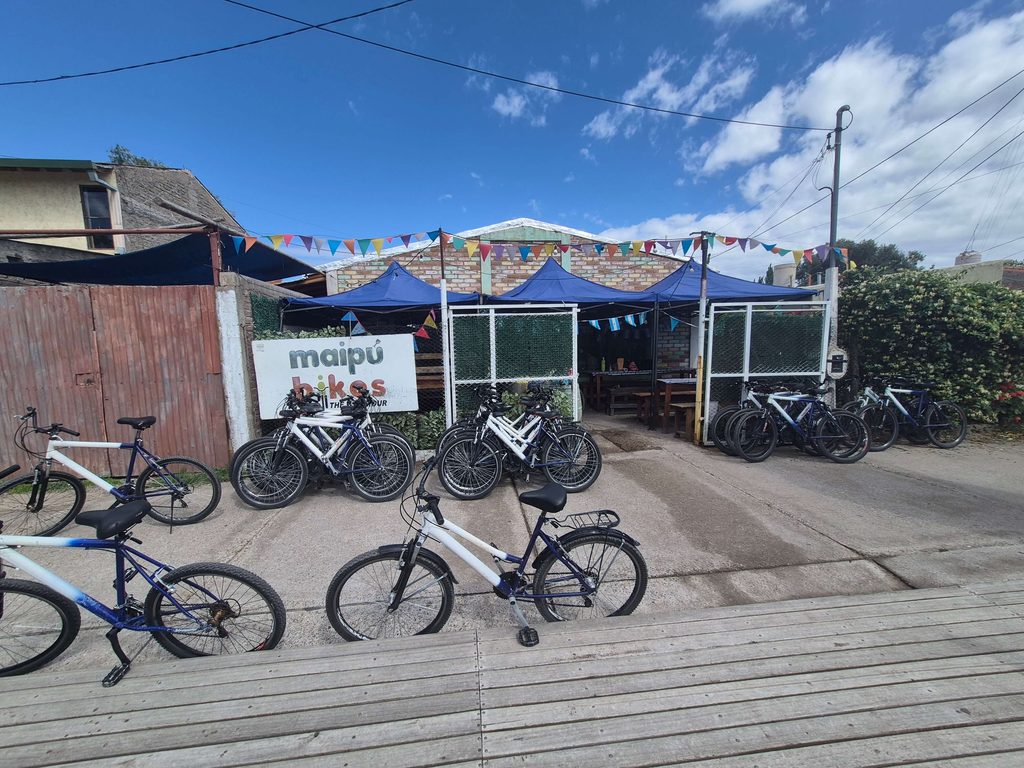
Instead of going on a formal wine tour I decided to head out to a Mendoza suburb called Maipu, rent a bicycle and tour a couple of wineries that way.
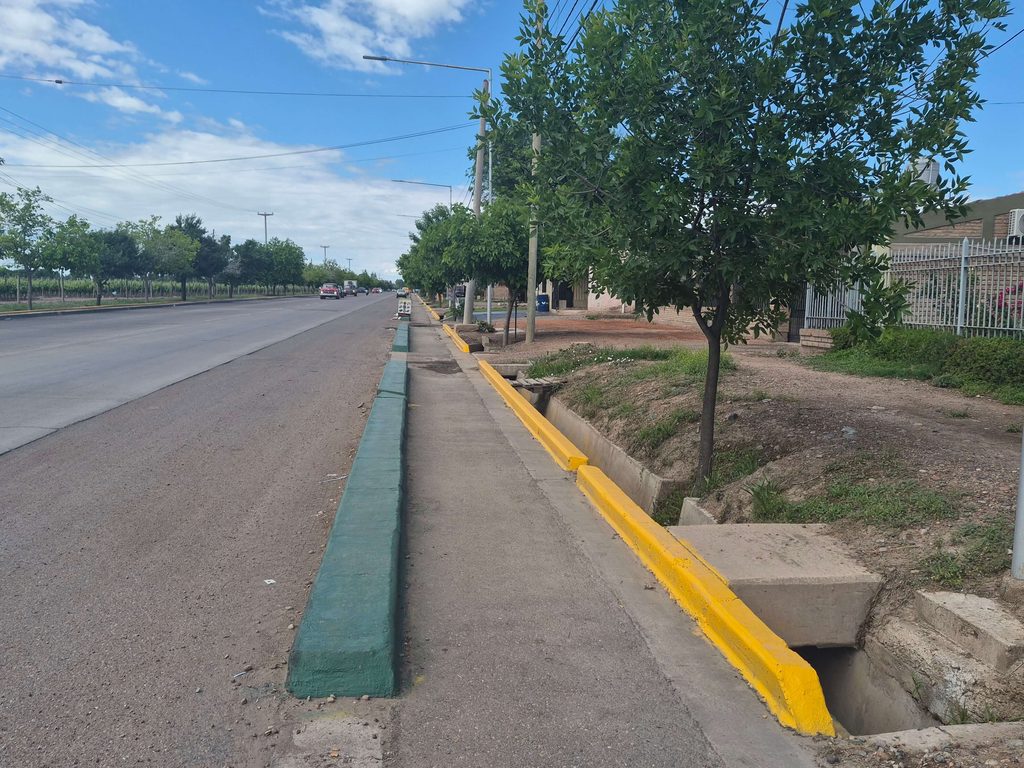
There are mostly decent bike lines on the routes to the wineries.
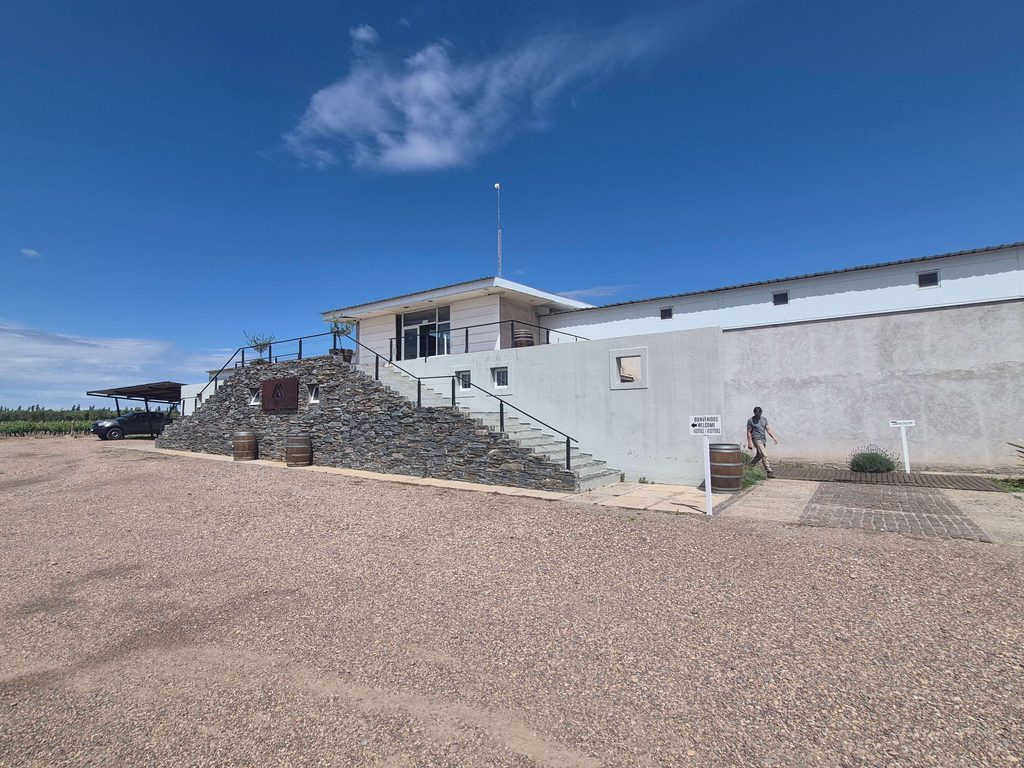
The first winery I visited was a boutique winery called Mevi with 12 hectares of vineyards.
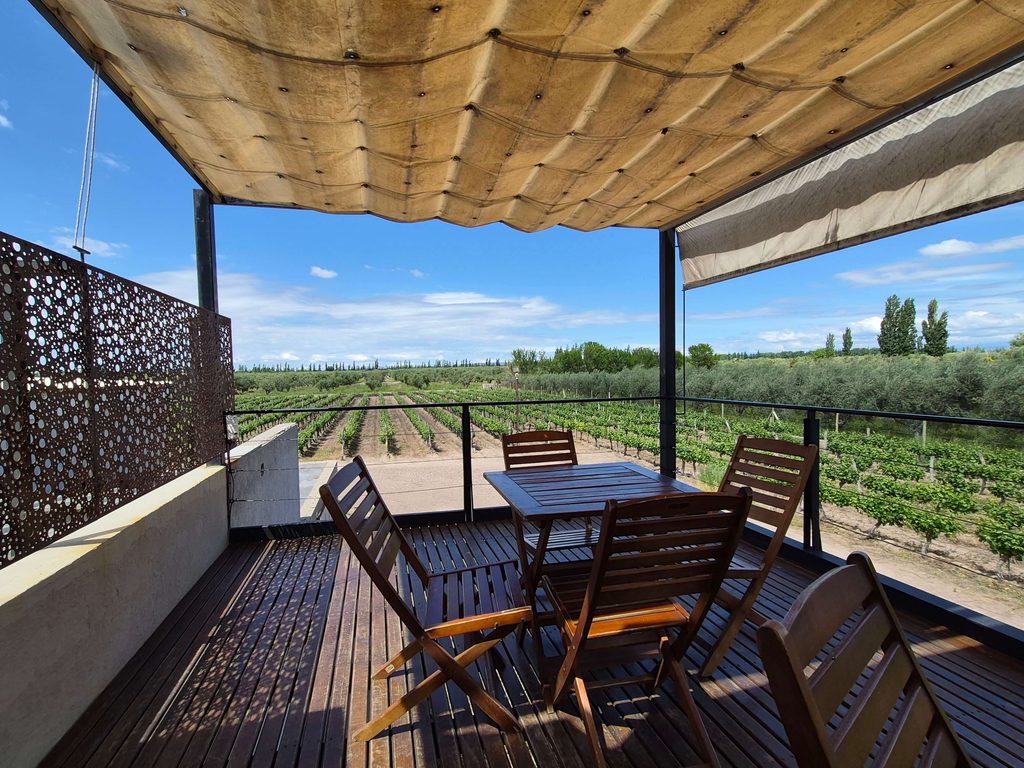
Their deck has nice views of some of their vineyards.
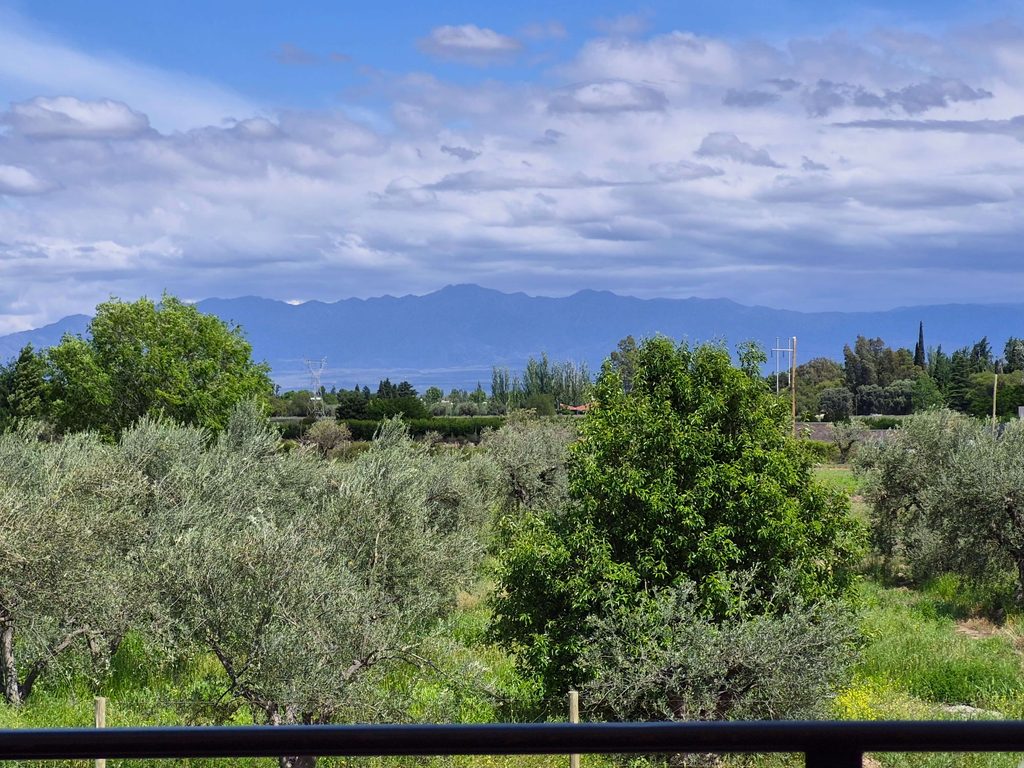
As well as wonderful views of the Andes.
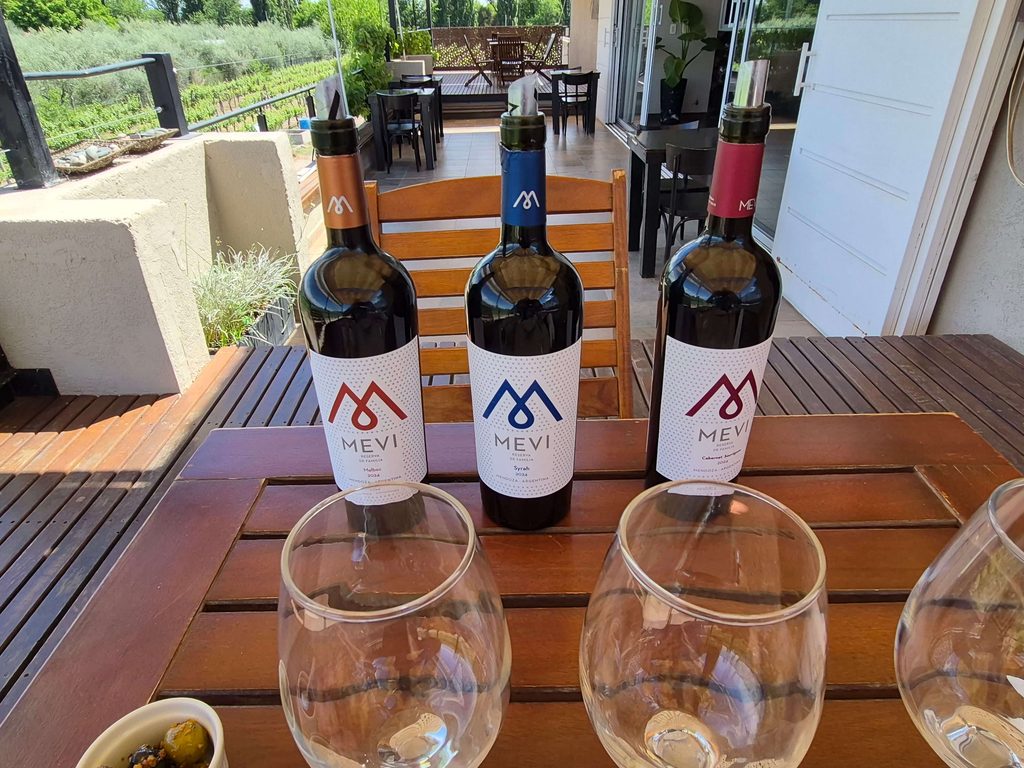
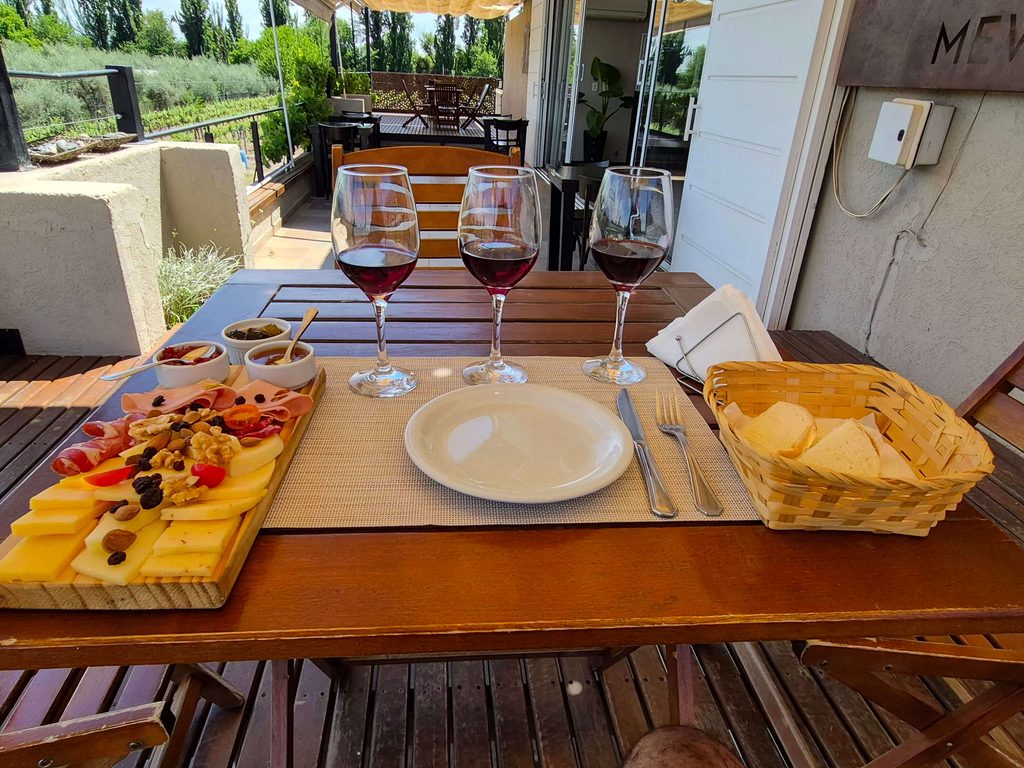
Their reserve tasting included a Malbec, a Syrah and a Cabernet Sauvignon. I also had a charcuterie board as my brunch.
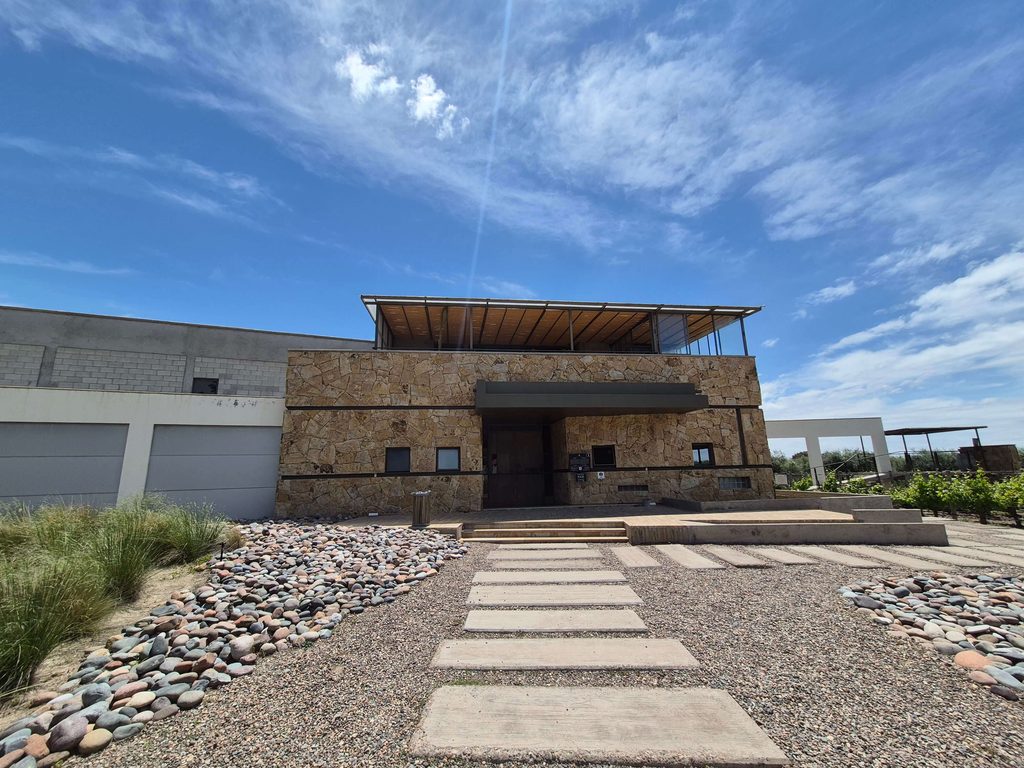
The second winery I went to was Alba. Their family came from Italy and started the winery in the 1930’s.
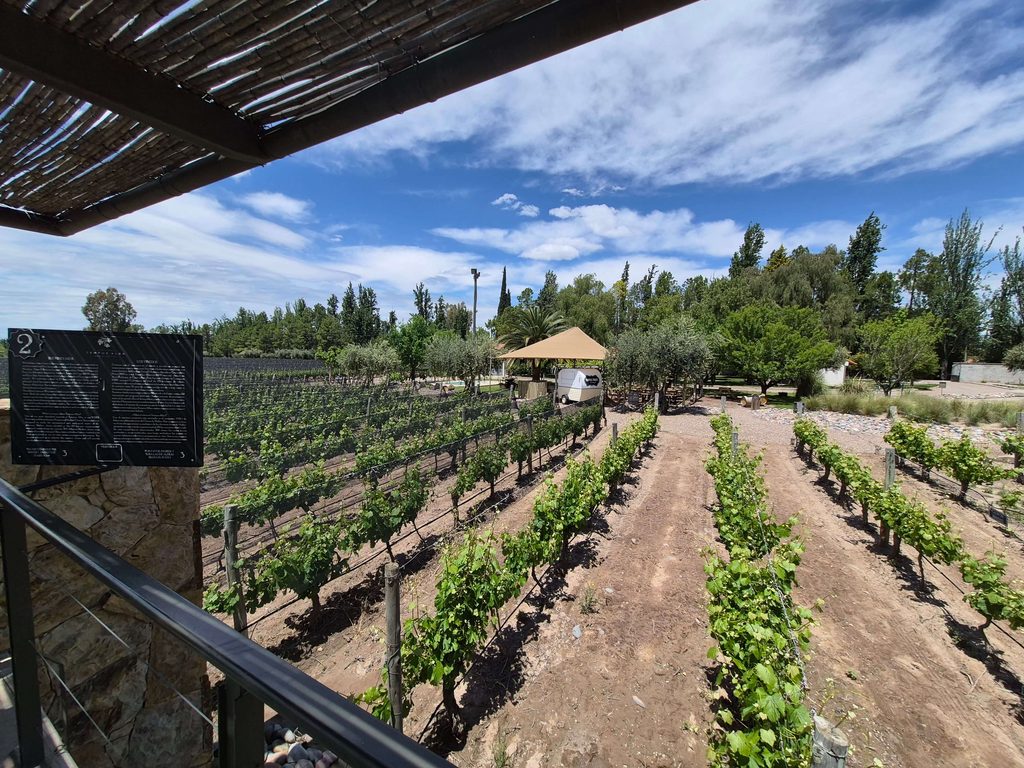
A very small section of their vineyards.
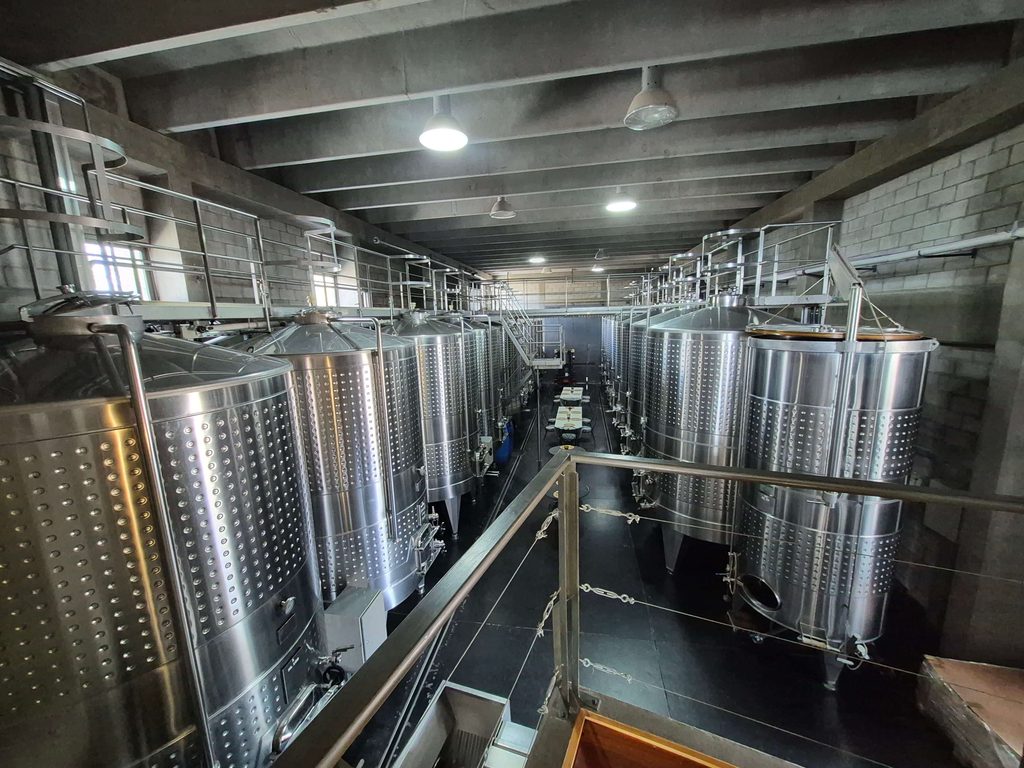
Their fermentation tanks.
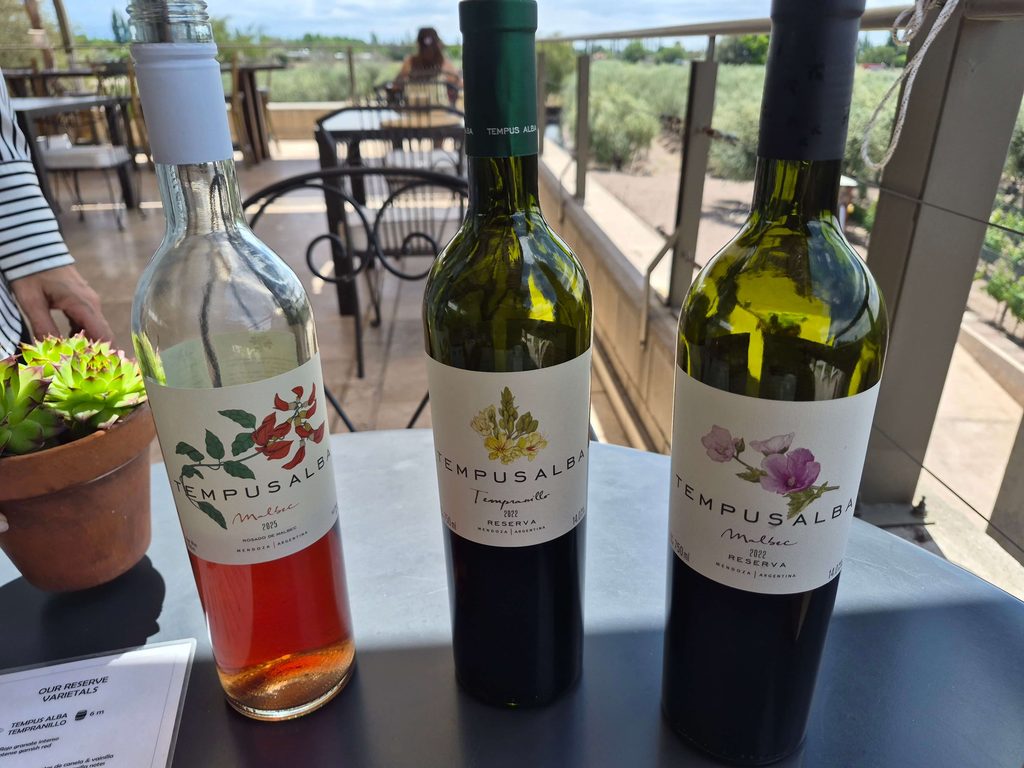
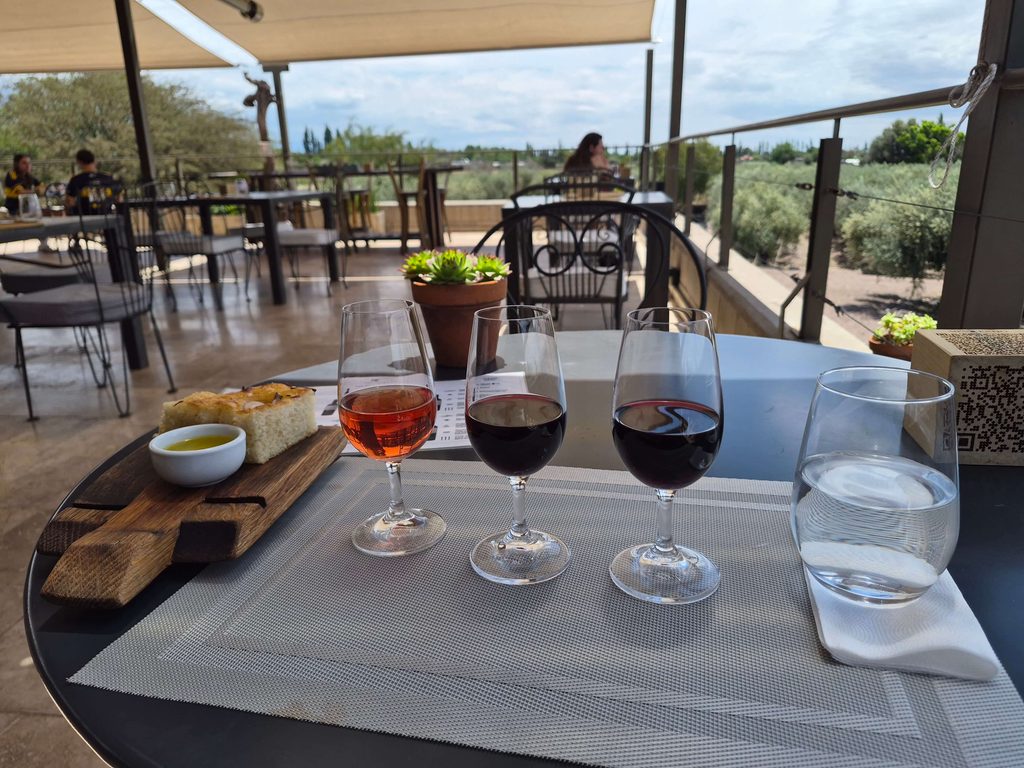
I had a Malbec Rose, a Tempranillo and a regular Malbec. Yes, of course they were all delicious.
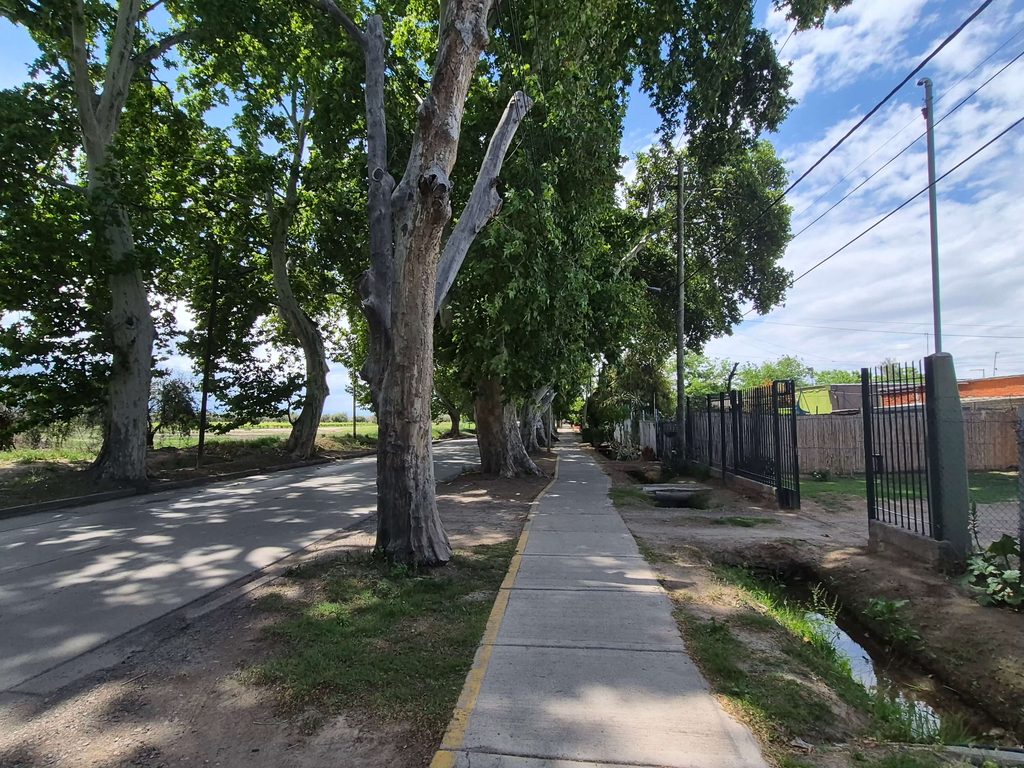
One of the bike lanes on the way back.
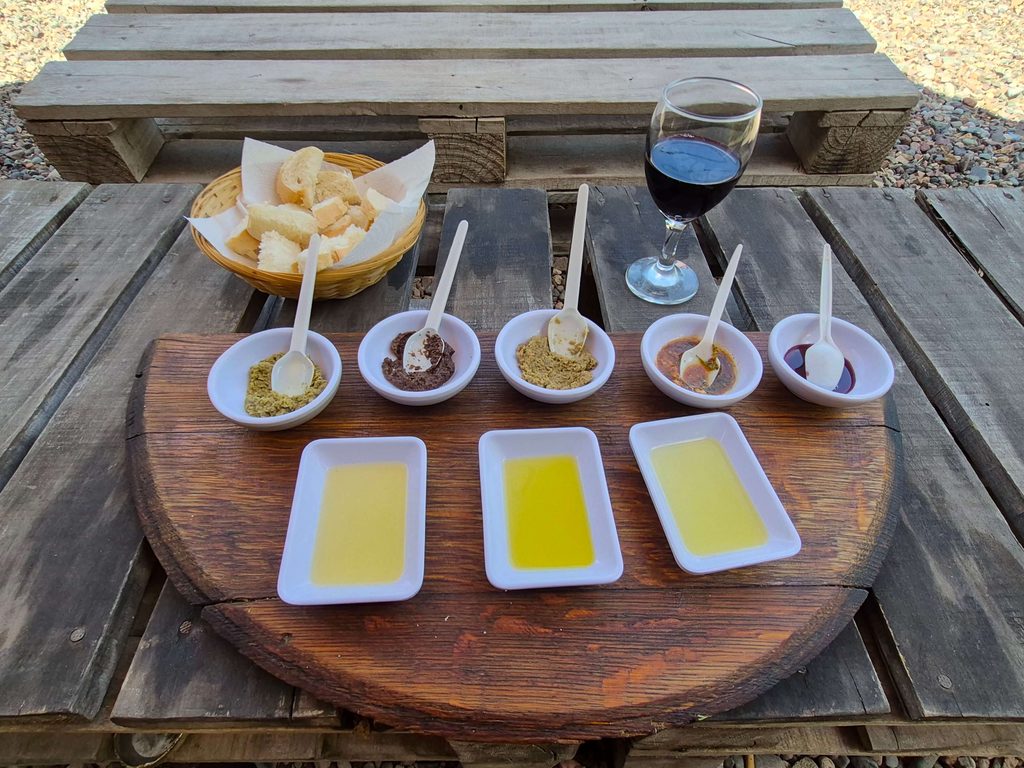
My last stop was a small outlet for an olive oil farm called Entre Olivos. They provided a nice selection of olive oils and olive oil spreads. And, of course, a glass of Malbec.
Overall, it was a very relaxing way to spend most of a day.